Find Self-Priming Sea Water Circulating Pump for Petrochemical, Condensate, and Circulating Systems
Source 30 self-priming sea water circulating pump models from Zhejiang and Shanghai manufacturers. Compare specifications including materials like stainless steel and cast iron, power types, and certifications such as CE and ISO9001 for industrial applications.
Key considerations
Products List


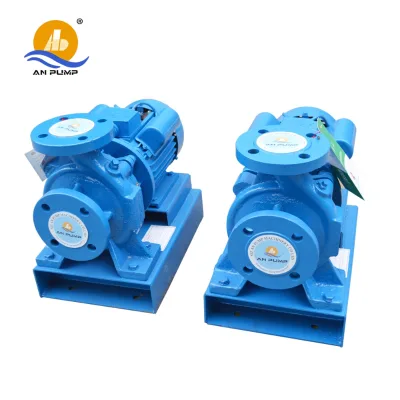
Swimming Pool Filter Pump Self-Priming Circulating Centrifugal Water Pump
$300.00 - $500.00
MOQ: 1 Pieces




Comprehensive Sourcing Guide
Strategic Sourcing Guide for Self-Priming Sea Water Circulating Pumps
Understanding Core Technical Architectures and Fluid Dynamics
When sourcing a self-priming sea water circulating pump, the primary objective is to identify a unit capable of handling saline environments while maintaining efficient priming capabilities without external assistance. The market presents distinct architectural approaches, primarily categorized by the recirculation mechanism employed. Buyers must distinguish between pumps utilizing inner recirculation and those relying on outer recirculation. The inner recirculation design typically integrates the return flow within the pump casing, often associated with specific theoretical models like the Jet-Flow theory, which utilizes high-velocity fluid jets to entrain air and create a vacuum for priming. Conversely, the outer recirculation type manages the return flow through external channels, a configuration often found in models designed for heavy-duty industrial applications.
The theoretical foundation of these pumps is critical for performance prediction. While some units operate on the Jet-Flow principle, others are fundamentally based on Centrifugal Pump theory. In a centrifugal configuration, the impeller rotates to impart kinetic energy to the fluid. For sea water applications, the impeller design is particularly sensitive to corrosion and erosion. The supplied data indicates the availability of semi-open impellers, which are often preferred in marine environments to handle potential debris and reduce the risk of clogging compared to closed impellers. The rotation speed for these units typically ranges between 650rpm and 1750rpm, a variable that directly influences the pump's head and flow rate.
The physical configuration of the pump shaft and casing also dictates installation requirements. Most self-priming sea water circulating pumps in this category are designed as horizontal pumps with a horizontal installation method. The pump casing is frequently a horizontal split design, allowing for easier maintenance of internal components like the impeller and mechanical seal without removing the entire unit from the piping system. The mounting height is often described in relation to suction centrifugal principles, ensuring the pump can effectively lift water from a source below the pump centerline. Understanding these mechanical attributes is essential before evaluating specific models, as the physical layout determines the feasibility of integration into existing marine or industrial infrastructure.
Material Integrity and Corrosion Resistance in Marine Environments
Sea water is inherently corrosive due to its high salinity content, making material selection the single most critical factor in the longevity of a circulating pump. The supplied product facts highlight a diverse range of construction materials, including Stainless Steel, Cast Steel, and Cast Iron. Each material offers a different balance of cost, durability, and resistance to saline attack. Stainless Steel is generally the superior choice for direct contact with sea water, offering robust protection against rust and pitting, which are common failure modes in marine applications. However, the presence of Cast Steel and Cast Iron options in the market suggests that these materials may be used for specific components, such as the pump casing or mounting frames, where direct exposure to the full corrosive load is mitigated by coatings or design.
Buyers must verify the specific application of each material within the pump assembly. For instance, while the impeller might be constructed from a high-grade stainless steel to ensure flow efficiency and corrosion resistance, the outer casing could be cast iron for structural rigidity, provided it is adequately protected. The "Health" performance attribute mentioned in the data may imply a focus on non-toxic materials or hygienic design, which is relevant if the pumped water is intended for processes where contamination is a concern, though in sea water applications, structural integrity is usually the primary driver. The standard packaging for these units varies from cartons to standard plywood cases, which is a logistical consideration but does not influence the internal material composition.
When evaluating suppliers, procurement teams should request detailed material certificates for all wetted parts. The distinction between a pump made entirely of stainless steel and one with mixed materials is significant for total cost of ownership. A pump with cast iron components may have a lower initial purchase price but could incur higher maintenance costs due to corrosion over time. The data also notes that the working fluid is water, which in the context of sea water circulating pumps, implies the system is designed to handle the specific density and chemical properties of saline water. Buyers should ensure that the selected material specification aligns with the specific salinity levels and temperature ranges of their intended operating environment to prevent premature failure.
Compliance, Certification, and Regulatory Standards
Navigating the regulatory landscape for industrial pumps requires a rigorous verification of certifications and standards. The provided data indicates that products in this category often carry CE certification, a mandatory conformity mark for products sold within the European Economic Area. The presence of CE certification suggests that the pumps meet essential health, safety, and environmental protection requirements. Additionally, some listings reference ISO9001, a standard for quality management systems, which indicates that the manufacturer has established processes to ensure consistent product quality. However, the confidence level for ISO9001 in the background data is noted as low, necessitating that buyers independently verify the validity of such claims rather than accepting them as absolute facts.
Beyond CE and ISO9001, the data mentions SGS as a standard or verification body. SGS is a leading inspection, verification, testing, and certification company, and their involvement often implies that the product has undergone third-party testing for specific attributes. Buyers should look for SGS reports that specifically address the corrosion resistance of the materials and the performance of the mechanical seals under sea water conditions. The data also lists "6 inch" as a standard, which likely refers to a specific size classification or a dimensional standard rather than a regulatory compliance mark. It is crucial to distinguish between dimensional standards and safety certifications to avoid confusion during the procurement process.
The origin of the products is predominantly listed as Zhejiang, Taizhou, and Shanghai, China. While these regions are known for manufacturing industrial equipment, the specific location does not guarantee compliance. Buyers must verify that the specific batch or model they are purchasing carries the valid certification documents. The "OEM: Ok" attribute suggests that these manufacturers are open to original equipment manufacturing, which can be beneficial for customizing pumps to meet specific regulatory requirements of different regions. However, OEM arrangements do not automatically transfer certification status; the final product must still meet the target market's regulatory standards. Procurement teams should insist on seeing the actual certification certificates for the specific model number, such as the CAM100 or JET series, to ensure compliance before finalizing any order.
Cost Drivers, Pricing Structures, and Economic Factors
The pricing landscape for self-priming sea water circulating pumps is highly variable, with observed ranges spanning from 1 USD to 50,000 USD. This wide disparity is driven by several key factors, including the complexity of the design, the quality of materials used, and the specific performance capabilities of the unit. A pump priced at the lower end of the spectrum is likely to be a smaller unit with cast iron components and standard mechanical seals, suitable for less demanding applications. In contrast, units at the higher end of the price range are likely to feature full stainless steel construction, advanced jet-flow or centrifugal theories, and higher flow capacities exceeding 400 liters per minute.
The minimum order quantity (MOQ) is another significant economic factor, with observed ranges between 1 and 50 units. This flexibility allows buyers to procure single units for testing or small-scale projects, while larger orders may benefit from volume discounts. However, the specific MOQ for a given model should be confirmed with the supplier, as it can vary based on the customization level and production schedule. The "Customization: Available" attribute indicates that buyers can request modifications to the pump design, which will inevitably impact the final cost. Customizations might include specific material grades, altered impeller geometries, or specialized sealing arrangements to handle unique sea water conditions.
Lead times and production capacity are also critical cost drivers, although specific numerical values are not provided in the source data. Buyers should anticipate that customized orders or units requiring specific certifications may have longer lead times compared to standard stock items. The "Working Pressure" is noted as low pressure, which generally correlates with lower manufacturing costs compared to high-pressure pumps, but the specific pressure rating must be verified against the application requirements. Additionally, the "Max. Head" range of 10-30 meters provides a benchmark for performance; pumps capable of achieving the higher end of this range with the specified flow rates will command a premium price. Understanding these cost drivers helps buyers budget effectively and negotiate terms that align with their financial constraints and operational needs.
Typical Applications and Operational Performance
Self-priming sea water circulating pumps are designed for a variety of industrial applications, with the petrochemical sector being a primary use case. In petrochemical plants, these pumps are often utilized for circulating cooling water, handling condensate, or managing process fluids that require a self-priming capability to ensure continuous operation without air locks. The "Usage" attribute lists applications such as pumps, condensate pumps, and circulating pumps, highlighting their versatility in fluid handling systems. The ability to handle sea water makes them particularly suitable for coastal industrial facilities, offshore platforms, and marine vessels where access to fresh water is limited or where the cooling medium is directly drawn from the ocean.
The performance characteristics of these pumps, such as the "Health" attribute, suggest a focus on reliability and operational safety. In a sea water environment, the pump must withstand the abrasive nature of the fluid and the corrosive effects of salt. The "Single-Stage Pump" design with a "Single Suction Pump" impeller is common for these applications, offering a balance between simplicity and efficiency. The "Mechanical Seal" is a critical component that prevents leakage and maintains the pump's efficiency. Given the "Low Pressure Pump" classification, these units are optimized for applications where high head is not the primary requirement, but rather consistent flow and reliable priming are essential.
The "Max. Capacity" of greater than 400 liters per minute indicates that these pumps are suitable for medium to large-scale operations. The "Rotation Speed" of 650rpm to 1750rpm allows for flexibility in matching the pump's performance to the specific system requirements. Buyers should evaluate the specific flow and head requirements of their application to select a model that operates within its optimal efficiency range. The "Horizontal Split Pumps" design facilitates easy maintenance, which is crucial in industrial settings where downtime can be costly. By understanding these typical applications and performance metrics, buyers can make informed decisions that align with their operational goals and ensure the pump meets the demands of their specific sea water circulating system.
Supplier Evaluation, Quality Control, and Long-Term Procurement
Selecting the right supplier for self-priming sea water circulating pumps requires a comprehensive evaluation of their manufacturing capabilities, quality control processes, and long-term support. The data indicates that suppliers are located in regions like Zhejiang and Shanghai, which are hubs for industrial manufacturing. Buyers should verify the supplier's track record in producing pumps for marine and petrochemical applications, as these sectors have stringent requirements for reliability and durability. The "OEM: Ok" attribute suggests that suppliers are capable of customizing products, but buyers must ensure that the customization process includes rigorous quality checks to maintain performance standards.
Quality control should be a central part of the procurement strategy. Buyers should request documentation of the manufacturing process, including material testing reports for stainless steel, cast steel, or cast iron components. The presence of CE and SGS certifications is a positive indicator, but buyers must verify that these certifications are current and applicable to the specific model being purchased. The "Standard Plywood Case" and "Carton" packaging options indicate attention to logistics, but the internal protection of the pump during shipping is equally important to prevent damage. Buyers should also inquire about the supplier's warranty policies and after-sales support, as these factors are critical for long-term procurement considerations.
Long-term procurement involves more than just the initial purchase; it includes maintenance, spare parts availability, and potential upgrades. The "Pump Accessories" list, which includes impellers, shafts, pump casings, and mechanical seals, highlights the availability of replacement parts. Buyers should ensure that the supplier maintains a stock of these critical components to minimize downtime in the event of a failure. The "Customization: Available" attribute also implies that the supplier can adapt to changing operational needs, which is valuable for long-term partnerships. By focusing on suppliers with robust quality control systems and a commitment to long-term support, buyers can secure reliable self-priming sea water circulating pumps that deliver value over the lifespan of their operations.
Comparative Analysis of Key Product Specifications
To facilitate a clear comparison of the available options, the following table summarizes the key specifications observed in the product data. This comparison highlights the diversity in models, materials, and performance characteristics, aiding buyers in selecting the most suitable unit for their specific needs.
| Feature | Model Series A (e.g., CAM100) | Model Series B (e.g., JET60S/JET80S) | Model Series C (e.g., JET100) | Model Series D (e.g., JT-6) |
|---|---|---|---|---|
| Theory | Jet-Flow | Jet-Flow / Centrifugal | Centrifugal | Centrifugal |
| Material | Stainless Steel | Cast Steel / Cast Iron | Cast Iron | Cast Steel |
| Recirculation | Inner Recirculation | Outer Recirculation | Inner/Outer (Varies) | Standard |
| Max. Head | 10-30m | 10-30m | 10-30m | Variable |
| Max. Capacity | >400 L/min | >400 L/min | >400 L/min | Variable |
| Seal Type | Mechanical Seal | Mechanical Seal | Mechanical Seal | Mechanical Seal |
| Origin | Zhejiangtaizhou | Zhejiang | Taizhou | Shanghai, China |
| Certification | CE, SGS | CE | CE | CE, ISO9001 |
| Packing | Carton | Carton | Carton | Standard Plywood Case |
This table illustrates that while there is significant overlap in performance metrics like head and capacity, the material composition and theoretical design vary significantly. Buyers must weigh the benefits of stainless steel construction against the cost-effectiveness of cast iron or cast steel, depending on the severity of the sea water environment. The origin and certification details further assist in narrowing down the supplier base to those that meet the specific regulatory and logistical requirements of the project. By systematically evaluating these specifications, procurement teams can make data-driven decisions that optimize both performance and cost efficiency.
FAQs
What materials are used for self-priming sea water circulating pumps?
These pumps are constructed from Stainless Steel, Cast Steel, or Cast Iron. Stainless Steel offers superior corrosion resistance for direct sea water contact, while Cast Iron and Cast Steel are often used for casings where structural rigidity is prioritized over direct fluid exposure.
Which certifications do these pumps typically hold for international markets?
Most units carry CE certification to meet European safety and environmental standards. Some listings also reference SGS verification and ISO9001 quality management, though buyers should verify specific certificate validity for the exact model number before purchase.
How is the impeller designed for handling sea water conditions?
The impeller is typically a semi-open, single-suction design to reduce clogging risks from debris. It operates at rotation speeds between 650rpm and 1750rpm, balancing efficiency with the ability to handle the abrasive nature of saline environments effectively.
Can these pumps be customized for specific industrial applications?
Yes, customization is available for various industrial needs like petrochemical or condensate handling. Buyers can request modifications to fit specific requirements, though this may affect the minimum order quantity and lead time compared to standard stock models.
What is the maximum capacity range for these circulating pumps?
The maximum capacity exceeds 400 liters per minute for high-performance units. This capacity supports applications requiring significant flow rates, such as cooling systems in coastal facilities or large-scale marine vessels operating in saline conditions.
Where are these pumps primarily manufactured and shipped from?
Production originates mainly from Zhejiang, Taizhou, and Shanghai in China. These regions are established hubs for industrial pump manufacturing, offering a mix of cast steel and stainless steel options with varying packaging standards like cartons or plywood cases.
What is the typical price range for self-priming sea water pumps?
Prices range widely from 1 USD to 50,000 USD depending on specifications. Lower costs usually correspond to cast iron models with standard seals, while higher prices reflect full stainless steel construction, advanced jet-flow theories, and larger capacities.