Source Self Tapping Gypsum Drywall Screws for construction, renovation, and framing
Compare 30 listings of Self Tapping Gypsum Drywall Screws from verified Tianjin manufacturers. Buyers can evaluate specifications, certifications, and pricing for wood or metal applications before requesting quotes.
Key considerations
Products List


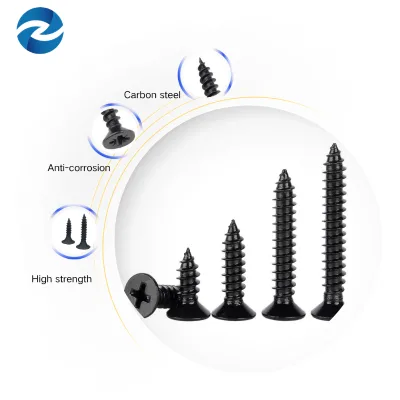
Mexico Phillips Fine or Coarse Thread Black Gypsum Drywall Screw Manufacturer
$1200.00 - $1250.00
MOQ: 1 Tons


Comprehensive Sourcing Guide
Strategic Sourcing Guide for Self-Tapping Gypsum Drywall Screws
Procuring self-tapping gypsum drywall screws requires a disciplined approach that balances technical precision with supply chain reliability. These fasteners are critical for securing gypsum boards to metal studs or wooden framing, and their performance directly impacts the structural integrity and fire resistance of interior partitions. Buyers must navigate a complex landscape of material grades, head styles, and thread geometries to ensure compatibility with specific construction standards. This guide outlines the essential factors for sourcing these components effectively, relying on verified product attributes and industry best practices to mitigate risk and optimize procurement outcomes.
Technical Specifications and Product Attributes
The foundation of a successful procurement strategy lies in a precise understanding of technical specifications. Self-tapping screws for drywall are not generic fasteners; they are engineered with specific geometries to penetrate gypsum cores without splitting the material or stripping the threads. A primary observation in the current market is the prevalence of the "Bugle" head style, which is designed to sit flush with the drywall surface without tearing the paper facing. This is distinct from countersunk or round head styles, which may be suitable for different applications but are less optimal for standard gypsum board installation. The groove type is equally critical; the "Cross" or Phillips drive is the industry standard for torque transfer, though "M Word" grooves appear in specific high-torque applications.
Material composition is another non-negotiable specification. The majority of high-performance drywall screws are manufactured from high-strength carbon steel. This material provides the necessary tensile strength to resist bending during installation while maintaining the hardness required for the self-tapping tip to cut through metal studs. The diameter of these screws typically ranges from 3.5mm to 6.3mm, with 3.5mm being the most common for residential applications. Lengths vary significantly based on the thickness of the drywall and the framing material, with observed ranges spanning from 10mm up to 250mm. For single-layer drywall, shorter lengths are sufficient, whereas double-layer systems or metal stud applications may require longer fasteners to ensure adequate embedment depth.
Thread geometry also dictates performance. Single-thread designs are common for wood-to-gypsum applications, offering superior holding power in softer materials. In contrast, dual-thread or specific coarse thread patterns are often preferred for metal stud applications to reduce friction and prevent galling. The finish type, such as yellow zinc plating or black phosphating, is selected based on the environmental conditions of the installation site. Yellow zinc plating offers enhanced corrosion resistance, making it suitable for areas with higher humidity, while black phosphating provides a basic level of protection for interior, dry environments.
Compliance, Certification, and Standards Verification
Ensuring that sourced screws meet international and regional standards is vital for project compliance and liability management. The market contains products adhering to a wide array of standards, including DIN, ANSI, GB, GOST, and JIS. Buyers must verify that the specific product batch aligns with the standards required by the local building code. For instance, in North American projects, compliance with ASTM C1002 is often a baseline requirement for gypsum board screws, although specific local amendments may apply. In European contexts, adherence to EN 14592:2008+A1:2012 is critical for assessing the mechanical properties and corrosion resistance of the fasteners.
Certification serves as a third-party validation of these standards. Reputable suppliers often provide ISO 9001:2008 certification, which indicates a robust quality management system. Additionally, specific product certifications like SGS or EN 14592 compliance are strong indicators of quality assurance. However, buyers should not assume that all listed products possess these certifications; verification is required on a per-supplier basis. The presence of a certificate does not automatically guarantee that every SKU in a supplier's catalog meets the standard, so specific test reports for the ordered model number should be requested.
The HS code for these products is generally 731814, which covers screws and bolts with heads of iron or steel. This classification is essential for accurate customs declaration and duty calculation. When evaluating a supplier, procurement teams should request a copy of the test report that correlates the product's physical properties—such as tensile strength, hardness, and coating thickness—to the claimed standard. This due diligence prevents the risk of receiving substandard fasteners that could fail during inspection or, worse, during the lifecycle of the building.
Cost Drivers and Pricing Dynamics
The pricing of self-tapping drywall screws is influenced by a complex interplay of raw material costs, manufacturing complexity, and logistical factors. The observed price range in the market is extensive, spanning from $0.01 to $1499 per unit or lot, reflecting the diversity of product types from small sample packs to bulk industrial orders. The primary cost driver is the grade of steel used. High-strength carbon steel commands a premium over lower-grade alternatives due to its superior mechanical properties. Similarly, the finish type impacts cost; yellow zinc plating involves additional electroplating steps and chemical treatments compared to black phosphating, resulting in a higher unit price.
Order volume is another significant determinant of cost. The minimum order quantity (MOQ) varies widely, ranging from 1 unit for samples to 1000 units for bulk production. Suppliers often offer tiered pricing structures where the unit cost decreases as the order volume increases. This is particularly relevant for large-scale construction projects where economies of scale can significantly reduce the overall material budget. Packaging also plays a role in cost; options such as bulk packing, small boxes, or wooden crates incur different handling and material expenses. Bulk packing is generally the most cost-effective for large orders, while color boxes or specialized packaging may be necessary for retail distribution or specific client requirements.
Logistics and delivery time are additional cost considerations. The standard delivery time for these products is typically between 15 and 30 days, depending on the supplier's location and current production capacity. Shipping methods, including sea freight, land freight, and air freight, offer different trade-offs between speed and cost. Sea freight is the most economical for large volumes but involves longer lead times, while air freight is faster but significantly more expensive. Buyers must factor these logistics costs into their total landed cost calculations to ensure accurate budgeting.
Typical Applications and Usage Scenarios
Self-tapping gypsum drywall screws are primarily designed for attaching gypsum boards to various framing materials. The versatility of these fasteners allows them to be used in wood-to-gypsum and metal-to-gypsum applications. In wood framing scenarios, the screw's sharp, self-tapping tip allows it to penetrate the wood stud directly, eliminating the need for pre-drilling. The bugle head design ensures that the screw head sits slightly below the surface of the drywall without tearing the paper, creating a smooth finish ready for joint compound application.
For metal stud applications, the requirements are more stringent. The screws must possess sufficient hardness to cut through the thin gauge steel of the studs without stripping. The thread design in these cases is often optimized to provide a secure grip in the metal while minimizing the torque required for installation. The usage of these screws extends beyond simple attachment; they are also critical for fire-rated assemblies where the integrity of the fastener connection is paramount. In such cases, the specific grade and coating of the screw must be verified to ensure it meets the fire resistance ratings of the assembly.
The market also offers customized options for specialized applications. Some suppliers provide screws with unique head styles or thread patterns for specific proprietary systems. The "Various Customized Gypsumboard Screws" category indicates that buyers can request modifications to standard designs to suit unique project requirements. However, customization often increases lead times and MOQs, so buyers should plan accordingly. The ability to customize also extends to packaging, with options ranging from bulk bags to small boxes and wooden crates, catering to different distribution channels and end-user preferences.
Supplier Evaluation and Quality Control
Evaluating suppliers requires a rigorous assessment of their capabilities, location, and quality control processes. The origin of the products is a key factor, with many suppliers based in Tianjin, China, a major hub for fastener manufacturing. While this location offers access to a robust supply chain, buyers must verify the specific factory's capabilities and reputation. A supplier's ability to provide samples is a strong indicator of their confidence in their product quality. The availability of samples allows buyers to conduct physical tests, such as torque testing and corrosion resistance checks, before committing to a large order.
Quality control should be integrated into the procurement process at every stage. Buyers should request detailed specifications for the product model, including diameter, length, and thread type, to ensure they match the project requirements. The presence of certifications like ISO 9001:2008 is a positive sign, but it should be complemented by specific test reports for the ordered batch. Suppliers should be able to provide data on tensile strength, hardness, and coating thickness to verify compliance with the claimed standards.
When comparing suppliers, buyers should look for transparency in their communication and documentation. A reliable supplier will provide clear information on lead times, packaging options, and shipping methods. The observed lead time of 15-30 days is a benchmark, but buyers should confirm this with the specific supplier to avoid delays. Additionally, the supplier's ability to handle custom orders and provide technical support is crucial for complex projects. A supplier that offers a range of packaging options, from bulk to small boxes, demonstrates flexibility and a customer-centric approach.
Long-Term Procurement Considerations
Sourcing self-tapping drywall screws is not a one-time transaction but part of a long-term supply chain strategy. Buyers should consider the scalability of their supplier relationships to accommodate future project needs. A supplier with a consistent track record of meeting delivery times and maintaining quality standards is essential for maintaining project schedules. The ability to scale production up or down based on project demands is a valuable asset, particularly for contractors managing multiple sites simultaneously.
Sustainability and environmental compliance are increasingly important factors in procurement. Buyers should inquire about the environmental impact of the manufacturing processes, including the use of hazardous materials in plating and the energy efficiency of the production facilities. While specific environmental certifications were not explicitly listed in the provided data, buyers should proactively ask suppliers about their environmental policies and compliance with relevant regulations.
Finally, the total cost of ownership should be considered beyond the initial purchase price. High-quality screws reduce the risk of installation failures, rework, and warranty claims, which can be costly in the long run. Investing in superior materials and finishes, such as yellow zinc plating for high-humidity environments, can extend the lifespan of the fasteners and the overall building assembly. By focusing on quality, compliance, and supplier reliability, buyers can ensure a steady supply of high-performance drywall screws that meet the rigorous demands of modern construction projects.
| Attribute | Observation/Range | Verification Requirement |
|---|---|---|
| Material | High Strength Steel, Carbon Steel | Request Mill Test Certificates (MTC) |
| Head Style | Bugle, Countersunk, Round | Visual inspection and torque testing |
| Diameter | 3.5mm - 6.3mm | Caliper measurement |
| Length | 10mm - 250mm | Ruler or gauge verification |
| Standard | DIN, ANSI, GB, GOST, EN 14592 | Cross-reference with local building codes |
| Certification | ISO 9001:2008, SGS | Request valid certificate copies |
| Origin | Tianjin, China | Verify factory address and audit reports |
| Lead Time | 15-30 Days | Confirm in purchase order |
| MOQ | 1 - 1000 | Negotiate based on project volume |
| Packaging | Bulk, Box, Wooden Crate | Inspect packaging integrity upon receipt |
FAQs
What head styles are available for Self Tapping Gypsum Drywall Screws?
Bugle, countersunk, and round head styles are available for these screws. The bugle head is designed to sit flush without tearing paper, while countersunk and round heads suit specific applications. Customization options exist for unique project needs.
Which certifications do Self Tapping Gypsum Drywall Screws typically hold?
Products often carry ISO 9001:2008, EN 14592:2008+A1:2012, and SGS certifications. These indicate compliance with quality management systems and specific mechanical property standards. Buyers should verify test reports for the specific model ordered.
How long is the delivery time for Self Tapping Gypsum Drywall Screws?
The standard delivery time ranges from 15 to 30 days. This duration depends on the supplier's production capacity and current order volume. Shipping methods like sea or air freight may affect the final arrival date.
What materials are used to make Self Tapping Gypsum Drywall Screws?
High strength steel and carbon steel are the primary materials used. These provide the necessary tensile strength and hardness for self-tapping into metal or wood. The material choice ensures durability during installation and long-term holding power.
Can I customize the packaging for Self Tapping Gypsum Drywall Screws?
Yes, customization is available with options like bulk packing, small boxes, or wooden crates. Buyers can choose between ordinary packaging, color boxes, or plastic bags depending on their distribution needs. Custom packaging may impact the minimum order quantity.
What is the minimum order quantity for Self Tapping Gypsum Drywall Screws?
The minimum order quantity ranges from 1 to 1000 units depending on the supplier and product type. Small sample orders can start at one unit, while bulk production typically requires higher volumes. Tiered pricing often applies based on the order size.
Where are Self Tapping Gypsum Drywall Screws typically manufactured?
Most products originate from Tianjin, China, a major manufacturing hub for fasteners. Some listings also specify China as the general origin. Buyers should verify the specific factory location for shipping and logistics planning.