Source Self-Supporting PET Food Packaging Bag for Dog, Cat, Treats
Compare 30 listings for Self-Supporting PET Food Packaging Bag options featuring zipper closures and custom sizes. Buyers can evaluate materials like PET/VMPET/PE, certifications including FDA and ISO9001, and lead times ranging from 15 to 20 days for dog food, cat food, and pet treats.
Key considerations
Products List


Food Pouch Stand up Packaging Design Custom Plastic Dog Pet Packaging Bag
$0.01 - $0.20
MOQ: 500 Pieces


Dog Food Printed Packaging Plastic Stand up Pouch Pet Food Packaging Bag
$0.02 - $0.04
MOQ: 50000 Pieces
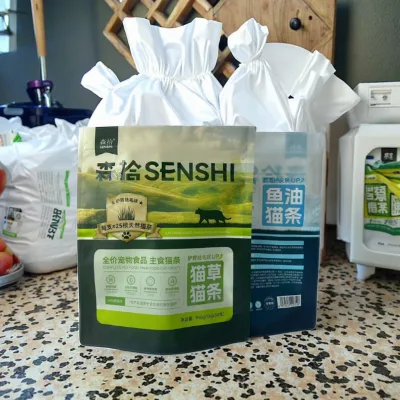
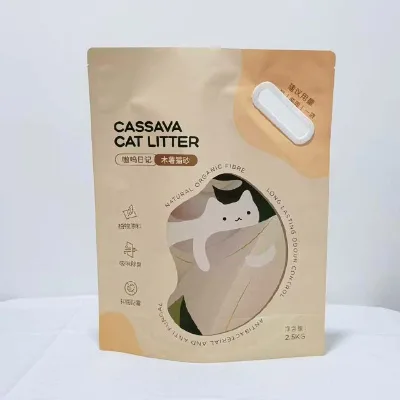

Environmentally Fiendly Recycable Pet Dog Cat Food Bag Pet Food Packaging Bag
$0.01 - $0.02
MOQ: 10000 Pieces


Laminated Plastic Packaging Standing up Pet Food Bag Dog Food Packaging
$0.02 - $0.12
MOQ: 10000 Pieces


Customized Printing Special Shape Stand up Zipper Pouch Pet Food Packaging Bag
$0.03 - $0.15
MOQ: 30000 Pieces


Custom Printed Food Packaging Bags Three Side Seal Pouch Pet Food Bag Plastic Bag
$0.02 - $0.03
MOQ: 50000 Pieces
Comprehensive Sourcing Guide
Self-Supporting PET Food Packaging Bag Sourcing Guide
Procuring self-supporting pet food packaging bags requires a strategic approach that balances structural integrity with material safety. These bags, often referred to as stand-up pouches, are designed to maintain their shape on retail shelves while providing a robust barrier against moisture and oxygen. Buyers must prioritize suppliers who demonstrate expertise in composite film structures, as the performance of the bag depends heavily on the lamination of layers such as PET, VMPET, and PE. Understanding the specific material composition is essential for ensuring the packaging meets the rigorous demands of pet food preservation.
The sourcing process involves evaluating multiple technical and commercial factors, from sealing methods to customization capabilities. Observations from current market listings indicate a wide range of product models and specifications, suggesting that buyers should not assume uniformity across all suppliers. It is critical to verify that the chosen packaging solution aligns with your brand’s visual identity and functional requirements. This guide provides a structured framework for navigating these complexities, ensuring that your procurement decisions are informed by verified data and industry best practices.
Product Scope and Observed Listing Signals
Market listings for self-supporting pet food packaging bags reveal a diverse array of product attributes that buyers must carefully evaluate. Observed data indicates that these bags are typically constructed from plastic materials, with common raw material structures including PET, VMPET, and PE combinations. The bags are often described as waterproof and non-transparent, although some listings mention clear and bright options. Buyers should note that the breakage rate is cited as one in a thousand, which serves as a key quality indicator for durability during handling and transport.
The application scope for these packaging bags is broad, covering stationery, medical, gift, food, cosmetic, and clothing packaging. However, for pet food specifically, the bags are designed to be used for dog food, cat food, and pet treats. Listings highlight features such as antistatic properties, bio-degradability, and recyclability, which are increasingly important for sustainable procurement. The bags are available in various shapes, primarily as stand-up pouches, and can be customized in size and thickness, with some listings specifying a thickness of 130 microns.
Technical Specifications to Verify
When verifying technical specifications, buyers must focus on the structural integrity and sealing mechanisms of the packaging bags. The making process is often described as composite packaging, which involves layering different materials to achieve optimal barrier properties. It is crucial to confirm the sealing method, with zipper closures being a common feature for resealability. Buyers should also verify the surface handling techniques, such as gravure or digital printing, to ensure high-quality branding and legibility of nutritional information.
Customization options are a significant aspect of the product scope, with many suppliers offering customized single package sizes and logos. The bag variety is typically stand-up, but buyers should confirm if other styles are available. The industrial use is primarily for food, but the specific requirements for pet food may differ from human food standards. Buyers should request detailed specifications for the material structure, ensuring it meets the moisture-proof and recyclable claims made by suppliers.
Compliance and Safety Documentation
Compliance and safety are paramount when sourcing packaging for pet food, as the materials must not contaminate the product. Buyers should verify that suppliers hold relevant certifications, such as ISO9001, FDA, and EU standards, which indicate adherence to quality and safety management systems. These certifications are critical for ensuring that the packaging materials are safe for contact with food products. Buyers should request copies of these certificates and verify their validity with the issuing bodies.
In addition to certifications, buyers should inquire about the testing procedures used to validate the safety and performance of the packaging bags. This includes tests for barrier properties, seal strength, and migration of substances from the packaging to the food. Suppliers should be able to provide test reports that demonstrate compliance with relevant regulations. Buyers should also check if the materials are bio-degradable or recyclable, as this may impact the environmental footprint of the product.
Cost Drivers and Commercial Terms
Cost drivers for self-supporting pet food packaging bags include material costs, customization complexity, and order volume. The observed price range in USD is between 0.01 and 0.5, but this can vary significantly based on the specific requirements of the order. Buyers should note that the minimum order quantity (MOQ) ranges from 500 to 50,000 units, with some listings specifying an MOQ of 10,000. Understanding the MOQ is essential for planning inventory and cash flow.
Commercial terms also play a significant role in the total cost of ownership. Buyers should review the payment terms, which often include a deposit, such as 40% of the total value. Lead times for production are typically between 15 and 20 days, but this can be extended for customized orders. Shipping methods, including air, sea, and train, should be considered for their impact on delivery speed and cost. Buyers should negotiate clear terms for samples, which are often provided free of charge.
Supplier Qualification and Quality Control
Supplier qualification is a critical step in the sourcing process, as it ensures that the chosen partner can meet your quality and delivery requirements. Buyers should assess the supplier’s production capabilities, including their equipment for composite packaging and printing. The place of origin is often China, with specific regions like Henan and Shandong being common sources. Buyers should verify the supplier’s ability to handle custom orders and provide consistent quality.
Quality control measures should be clearly defined and agreed upon with the supplier. This includes inspections during production and before shipment. Buyers should request information on the supplier’s quality management system and how they handle defects. The after-sales service, such as a one-year warranty, should be reviewed to understand the supplier’s commitment to resolving issues. Buyers should also consider the supplier’s reputation and track record in the industry.
Long-Term Procurement Checks
Long-term procurement checks involve monitoring the performance of the packaging bags and the reliability of the supplier over time. Buyers should establish key performance indicators (KPIs) to track metrics such as defect rates, delivery times, and customer feedback. Regular audits of the supplier’s facilities and processes can help identify potential issues before they impact production. Buyers should also stay informed about changes in regulations and market trends that may affect the packaging industry.
Continuous improvement is essential for maintaining a competitive edge. Buyers should work with suppliers to identify opportunities for cost reduction and efficiency gains. This may involve exploring new materials or technologies that offer better performance or sustainability. Buyers should also consider diversifying their supplier base to mitigate risks associated with single-source dependencies. Regular communication and collaboration with suppliers can foster a strong partnership that benefits both parties.
FAQs
Can these bags be customized for pet food branding?
Yes, customization is available for logos, colors, and sizes. Buyers can select up to 10 colors and request specific dimensions. The standard export cartons ensure safe delivery. This flexibility supports unique brand identities for dog or cat food products effectively.
What materials are used for these stand-up pouches?
The bags are made from composite materials including PET, VMPET, and PE. This structure ensures high quality and durability. The plastic construction provides moisture proofing and antistatic properties. These materials are suitable for food packaging applications requiring strong barrier protection.
What is the typical lead time for orders?
The standard lead time ranges from 15 to 20 days. This duration applies to most customized orders. Buyers should plan production schedules accordingly. Free samples are available for quality verification before bulk production begins. This ensures timely delivery for retail needs.
Are these bags suitable for food packaging applications?
Yes, they are designed for food packaging including pet treats. The bags meet ISO9001, FDA, and EU standards. They feature zipper closures for resealability. The moisture-proof and recyclable design ensures product freshness. This makes them ideal for commercial food distribution channels.
What is the minimum order quantity for these bags?
The minimum order quantity is typically 10,000 units. However, ranges from 500 to 50,000 are observed in the market. Buyers should confirm specific MOQs with suppliers. This volume supports efficient production runs. Custom orders are accepted for larger quantities.
How are the bags sealed and protected?
The bags feature zipper closures for easy opening and resealing. They are packed in packaging bags, cartons, plastic film, and straps. This multi-layer protection prevents damage during shipping. The waterproof performance ensures contents remain dry. This method is standard for export shipments.