Source Self Tapping Torx Self-Drilling Screws for steel, wood, and metal
Find 30 verified options for Self Tapping Torx Self-Drilling Screws suitable for steel, wood, and metal applications. Buyers can compare specifications, grades, and packaging details from suppliers in China.
Key considerations
Products List


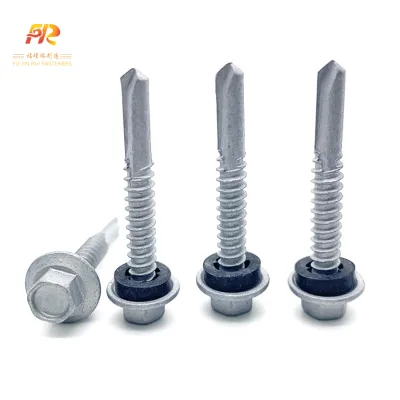


Zinc Sharp Tail Self Tapping Screws Customized Stainless Steel Torx Screw
$0.01 - $0.04
MOQ: 1000 Pieces


Various Specifications of Galvanized or Stainless Steel Self Drilling Screws
$0.04 - $0.05
MOQ: 10000 Pieces


Comprehensive Sourcing Guide
Strategic Sourcing Guide for Self-Tapping Torx Self-Drilling Screws
Understanding Technical Specifications and Head Styles
When sourcing self-tapping Torx self-drilling screws, buyers must first establish a clear understanding of the technical parameters that define the product's functionality. The core keyword implies a fastener capable of drilling its own hole and tapping threads in a single operation, a feature critical for efficiency in sheet metal and structural steel applications. The "Torx" designation refers to the specific drive type, which offers superior torque transfer and reduced cam-out compared to Phillips or slotted drives, making it ideal for high-torque applications.
The physical geometry of the screw head is a primary differentiator. Observed market data indicates a variety of head styles available, including Hexagonal, Pan Head, Round Head, and Countersunk Head configurations. The Hexagonal Head is frequently observed in industrial settings, offering a robust interface for wrenches or sockets. Conversely, the Pan Head and Round Head styles are often selected for aesthetic or specific clearance requirements, while the Countersunk Head is essential for flush-mounting applications where the screw head must sit level with the material surface.
Material composition is equally critical. The supply chain demonstrates the availability of both Stainless Steel and Carbon Steel variants. Stainless Steel options are typically chosen for environments requiring corrosion resistance, whereas Carbon Steel variants are common for general structural applications where cost-effectiveness is a priority. The material grade also varies, with observations noting grades such as 4.8 and 8.0, alongside specific groove types like Triangle or Cross, which influence the screw's threading and drilling capability. Buyers should verify that the specific grade and material match the load-bearing and environmental demands of their project.
Compliance, Standards, and Certification Verification
Navigating the complex landscape of international standards is vital for ensuring that purchased fasteners meet regulatory and safety requirements. The market data reveals a diverse array of standards, including DIN, GB, AISI, ASTM, BS, JIS, GOST, and ANSI. It is important to note that while specific standards like DIN and GB are frequently cited, the exact standard applicable to a specific batch must be confirmed with the supplier. For instance, some listings reference "DIN" as a model identifier, while others explicitly list "DIN" alongside "GB" as the governing standard.
Certification status is another layer of due diligence. High-confidence observations indicate that suppliers may hold certifications such as ISO, GS, RoHS, and CE. These certifications suggest adherence to quality management systems, safety standards, and environmental restrictions on hazardous substances. However, buyers must treat these as supplier-specific attributes rather than universal guarantees for every SKU. A product listing might claim ISO certification, but the buyer must request valid, current certificates for the specific lot being purchased.
The measurement system is another compliance factor. Most modern industrial applications utilize the Metric system (e.g., M4, M5, M6), though Imperial sizes (e.g., #8, #10) remain relevant in specific sectors. The observed product range includes specifications from M6 to M20, as well as Imperial ranges like #6 to #14. Buyers must ensure that the thread pitch and diameter align with the pre-drilled or self-drilling requirements of the assembly, as mismatches here can lead to structural failure.
Cost Drivers and Pricing Dynamics
The pricing of self-tapping Torx self-drilling screws is influenced by a confluence of material costs, manufacturing complexity, and order volume. The observed price range in the market spans from 0 to 1100 USD, a wide variance that likely reflects differences in unit price, order quantity, and material grade rather than a single unit cost. The lower end of this spectrum may represent bulk commodity pricing for standard carbon steel screws, while the higher end could encompass specialized stainless steel variants, custom lengths, or small-batch customizations.
Material selection is a primary cost driver. Stainless Steel screws inherently cost more than Carbon Steel equivalents due to the raw material price and the additional processing required to achieve corrosion resistance. Furthermore, the grade of the steel, such as Grade 4.8 versus Grade 8.0, impacts the manufacturing process and the final price. Higher grades require stricter quality control and potentially more expensive alloying elements.
Order volume plays a significant role in the final unit cost. The Minimum Order Quantity (MOQ) observed ranges from 1 unit to 100,000 units, with some suppliers specifying an MOQ of 1 Ton. This flexibility allows small businesses to test products without massive capital outlay, while large manufacturers can leverage economies of scale. Buyers should anticipate that unit prices will decrease as the order volume increases, particularly when moving from small box packaging to bulk palletized shipments. Customization, such as specific lengths or unique surface treatments like White Zinc Plated or Yellow Zinc Plated, will also add to the base cost.
Typical Applications and Performance Requirements
Self-tapping Torx self-drilling screws are engineered for specific high-efficiency applications where speed and structural integrity are paramount. The ability to drill, tap, and fasten in one step makes them ideal for metal-to-metal connections, particularly in HVAC ductwork, steel framing, and automotive assembly. The Torx drive system is particularly valuable in these scenarios because it minimizes the risk of the driver bit slipping, which can damage the screw head or the surrounding material.
The observed specifications, such as diameter ranges from 2mm to 12mm and length ranges from 5mm to 200mm, indicate versatility across different thicknesses of material. For thinner sheet metals, smaller diameters and shorter lengths are preferred to prevent material distortion. In contrast, structural applications involving thicker steel plates require larger diameters and longer screws to ensure adequate thread engagement and shear strength.
Surface treatment is another critical factor for application suitability. The market offers options like Delta surface treatments and various zinc plating colors (White or Yellow). These coatings are not merely aesthetic; they provide essential corrosion protection. For outdoor or high-humidity environments, the choice of plating and material (e.g., Stainless Steel vs. Carbon Steel with plating) is decisive. Buyers must match the coating to the environmental exposure of the final product to prevent premature failure due to rust or galvanic corrosion.
Supplier Evaluation and Geographic Considerations
Evaluating potential suppliers requires a focus on geographic origin, production capacity, and logistical reliability. The supply data highlights several key manufacturing hubs, including Zhuji, Wenzhou, and Hebei in China. These regions are known for their concentration of fastener manufacturing capabilities. Zhuji and Wenzhou are particularly noted for their expertise in specific types of fasteners, while Hebei is a major center for steel production and processing.
Production capacity is a critical metric for ensuring supply chain stability. One observed supplier lists a capacity of 10,000 tons per month, which suggests a robust ability to handle large-scale orders without significant bottlenecks. However, buyers should verify this capacity against their own demand forecasts to ensure the supplier can scale up during peak seasons.
Lead times and delivery schedules are equally important. The observed delivery times range from 15 to 45 days, depending on the complexity of the order and the customization required. Standard items may be available for quicker shipment, while custom orders involving specific grades, lengths, or packaging requirements will necessitate longer lead times. Buyers should factor in these timelines when planning their production schedules to avoid stockouts.
Quality Control and Packaging Standards
Quality control in the fastener industry is multifaceted, involving material testing, dimensional accuracy, and surface finish inspection. The "Technique" of manufacturing, such as Cold Rolled processes, is often cited as a quality indicator, as cold rolling can improve the tensile strength and surface finish of the screw. Buyers should request test reports or certificates of analysis to verify that the mechanical properties of the screws meet the specified grade (e.g., Grade 4.8 or 8.0).
Packaging standards also play a role in quality preservation. The market offers various packaging options, including Standard Packaging, Box, Carton, Pallets, and combinations like Carton Packing + Pallets or Small Box/Carton/Pallet. The choice of packaging depends on the shipping method and the protection required during transit. For international shipping, robust packaging like palletized cartons is essential to prevent damage from moisture, impact, or compression.
Customization of packaging is often available, allowing buyers to specify requirements such as "According to Customer Requirements." This flexibility is valuable for companies with specific branding or logistical needs. However, buyers must ensure that the packaging materials themselves do not introduce contaminants or corrosion risks, particularly for sensitive applications.
Long-Term Procurement Considerations
Sourcing self-tapping Torx self-drilling screws is not a one-time transaction but a long-term partnership that requires ongoing management. Buyers should consider the total cost of ownership, which includes not just the unit price but also the cost of potential failures, rework, and downtime. Investing in higher-quality fasteners with verified certifications and superior material grades can reduce long-term maintenance costs and improve the reliability of the final product.
Building a relationship with suppliers who offer customization and have transparent communication channels is beneficial. The ability to customize the product, whether in terms of size, material, or packaging, allows buyers to adapt to changing project requirements without switching suppliers. Additionally, suppliers with high production capacity and reliable lead times provide a buffer against market volatility and supply chain disruptions.
Finally, buyers should maintain a rigorous record-keeping system for all fasteners used in critical applications. Tracking the batch numbers, certifications, and test results of each shipment ensures traceability and facilitates quick resolution of any quality issues that may arise. By adhering to these long-term strategies, buyers can secure a reliable supply of high-performance fasteners that meet their technical and operational needs.
Comparative Analysis of Product Attributes
| Attribute | Observation 1 | Observation 2 | Observation 3 |
|---|---|---|---|
| Head Style | Hexagonal | Pan Head | Countersunk Head |
| Material | Stainless Steel | Carbon Steel | Carbon Steel |
| Grade | 8.0 (Groove: Triangle) | 4.8 | 4.0 (Groove: Cross) |
| Standard | DIN | GB, DIN | AISI, ASTM, BS, DIN, GB, JIS |
| Origin | Zhuji | Wenzhou, China | Hebei, China |
| Packaging | Box | Carton / Pallet | Carton & Bag |
| Delivery Time | 15-30 Days | 20-45 Days | Variable |
| MOQ | 1 Ton | 1 Unit | 100,000 Units |
This table illustrates the diversity in the market. While some products focus on high-grade stainless steel with hexagonal heads, others prioritize cost-effective carbon steel solutions with round or countersunk heads. The variation in standards and origins underscores the need for buyers to specify their requirements clearly to avoid receiving products that do not meet their technical or regulatory needs. By carefully analyzing these attributes, buyers can make informed decisions that align with their specific project requirements.
FAQs
What head styles are available for Self Tapping Torx Self-Drilling Screws?
Available head styles include Hexagonal, Pan Head, Round Head, and Countersunk Head configurations. The Hexagonal Head is common in industrial settings, while Countersunk Head options allow for flush mounting on material surfaces.
Which materials are used for Self Tapping Torx Self-Drilling Screws?
Products are manufactured from Stainless Steel and Carbon Steel variants. Stainless Steel offers corrosion resistance, whereas Carbon Steel is often selected for general structural applications where cost-effectiveness is a priority.
Can I customize the packaging for Self Tapping Torx Self-Drilling Screws?
Customization of packaging is available to meet specific customer requirements. Options include Standard Packaging, Box, Carton, Pallets, or combinations like Carton Packing plus Pallets depending on shipping needs.
What standards apply to Self Tapping Torx Self-Drilling Screws?
Products comply with various international standards including DIN, GB, AISI, ASTM, BS, JIS, GOST, and ANSI. Buyers must verify the specific standard applicable to a batch, as listings may reference multiple standards simultaneously.
How long is the delivery time for Self Tapping Torx Self-Drilling Screws?
Delivery times typically range from 15 to 45 days depending on order complexity. Standard items may ship faster, while custom orders involving specific grades or lengths require longer lead times for production.
What is the minimum order quantity for Self Tapping Torx Self-Drilling Screws?
Minimum Order Quantities vary from 1 unit up to 100,000 units or 1 Ton. This flexibility allows small businesses to test products while large manufacturers can leverage economies of scale for bulk purchases.
Which certifications are held by manufacturers of Self Tapping Torx Self-Drilling Screws?
Suppliers may hold certifications such as ISO, GS, RoHS, and CE. These indicate adherence to quality management systems and environmental restrictions, though buyers should request valid certificates for specific lots.
Where are Self Tapping Torx Self-Drilling Screws manufactured?
Products originate from manufacturing hubs in China, specifically Zhuji, Wenzhou, and Hebei. These regions are known for their concentration of fastener manufacturing capabilities and steel production processing.