Source Semi-Automatic Buckling Type Strapping Tool for Packaging, Logistics, and Manufacturing
Find 30 semi-automatic buckling type strapping tools with varying features like electric or manual drive, different strapping materials, and warranty options. Buyers can compare specifications including voltage, weight, and dimensions to select the right equipment for fruit drinks, general commodity, or industrial packaging needs.
Key considerations
Products List
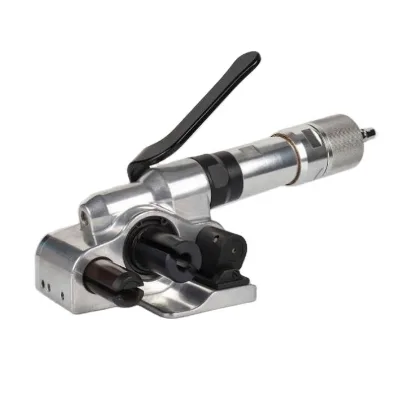


Pneumatic Split Type Steel Band Strapping Machine Metal Strapping Locking Tool
$260.00 - $300.00
MOQ: 1 Pieces
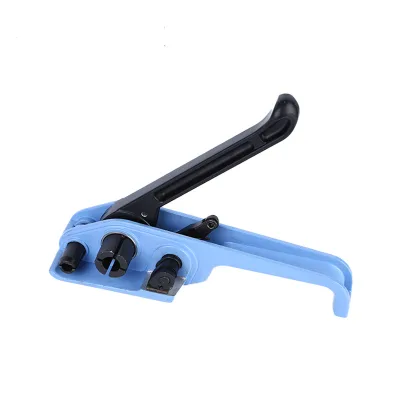


Hotsale Semi-Automatic Battery Strapping Tool for High Volume Packaging
$50.00 - $325.00
MOQ: 1 Pieces


Handheld Semi Automatic Strapping Tool for Decentralized Packaging Workstations
$50.00 - $325.00
MOQ: 1 Pieces


Manual Buckle Free Steel Strapping Tool for Reliable Shipping and Packaging
$420.00 - $520.00
MOQ: 1 Pieces

Comprehensive Sourcing Guide
Strategic Sourcing Guide for Semi-Automatic Buckling Type Strapping Tools
The procurement of industrial packaging equipment requires a nuanced understanding of the specific mechanical configurations and operational requirements of the supply chain. For buyers investigating the semi-automatic buckling type strapping tool, the market presents a diverse array of options ranging from manual hand tools to electrically driven units. This guide synthesizes observed product attributes, technical specifications, and supplier data to provide a disciplined framework for sourcing decisions. The focus remains on verifying actual product characteristics against procurement needs, ensuring that the selected machinery aligns with the specific operational environment of the facility.
Technical Specifications and Operational Mechanics
Understanding the core mechanical architecture of a semi-automatic buckling type strapping tool is the first step in the evaluation process. The term "buckling type" refers to a specific sealing mechanism where the strap is tensioned and then sealed by a buckle or a similar locking mechanism, rather than heat welding or friction welding. In the observed market data, this configuration appears alongside various driven types, including manual, electric, and pneumatic systems. Buyers must distinguish between these power sources, as they dictate the workflow speed and physical effort required by the operator.
A critical observation in the current product landscape is the variance in automatic grade. While the core keyword specifies "semi-automatic," the data reveals products listed with "Manual" automatic grades and others with "Semi-Automatic" classifications. This discrepancy highlights the need for precise definition. A truly semi-automatic unit typically requires the operator to place the strap and initiate the cycle, after which the machine performs the tensioning and sealing. In contrast, fully manual units require the operator to perform all mechanical actions, such as pulling the tensioner and manually engaging the buckle.
Key technical attributes to verify include the strapping material compatibility and the dimensions of the unit. The observed data indicates a "Strip" material type, with specific strap widths ranging from 13mm to 19mm. This range is standard for general industrial packaging but must be matched to the specific load requirements of the goods being strapped. Furthermore, the physical dimensions of the tool are significant for storage and ergonomics. Observed product sizes vary from compact hand tools measuring approximately 387168308mm to larger units with dimensions like 400350350mm. The weight of these units also varies considerably, with net weights recorded at 3.9kg and 2.7kg for lighter manual variants, while other electric models may weigh up to 10kg.
| Attribute Category | Observed Range / Specific Values | Procurement Verification Point |
|---|---|---|
| Driven Type | Manual, Electric, Pneumatic | Confirm power source availability in the facility. |
| Strapping Mode | Buckling Type | Ensure compatibility with existing strap inventory. |
| Strap Width | 13-19mm | Verify against the thickness of the goods being packaged. |
| Power Consumption | 0.7 kW (Electric variants) | Calculate energy load for the production line. |
| Dimensions | 387168308mm to 400350350mm | Assess floor space and operator reach. |
| Weight | 2.7kg to 10kg | Evaluate operator fatigue and portability needs. |
Compliance, Certification, and Safety Standards
When sourcing industrial machinery, compliance with safety and quality standards is paramount. The supplied product data includes references to specific standards such as ISO 26262 and IEC 61508. However, it is crucial to note that these are high-level background standards often associated with automotive functional safety and general electrical equipment safety, respectively. The data does not explicitly confirm that every listed strapping tool carries these specific certifications. Therefore, buyers should not assume compliance based on the presence of these keywords in general industry literature.
Instead, the procurement strategy must focus on verifying the "Machinery Test Report" status. The observed data indicates that some suppliers provide a "Machinery Test Report," which serves as a tangible verification of the product's performance and safety characteristics. This document is a critical artifact for risk management. Buyers should request this report for any candidate product to confirm that the tensioning force, sealing integrity, and electrical safety (for electric models) have been independently verified.
Additionally, the warranty terms provide a proxy for the manufacturer's confidence in their product's durability. The data shows a common warranty structure of "1 Year for Whole Product" and "3 Months for Wear Parts." This distinction is vital for total cost of ownership calculations. Wear parts, such as the buckling mechanism or cutting blades, are subject to higher failure rates and should be accounted for in the maintenance budget. The presence of a "Guarentee" (Guarantee) specifically for wear parts versus the whole tool indicates a tiered approach to liability. Buyers must ensure that the warranty terms are clearly defined in the purchase agreement, including the scope of coverage for labor and replacement parts.
Cost Drivers and Pricing Structures
The pricing of semi-automatic buckling type strapping tools is influenced by several factors, including the driven type, material composition, and the level of customization offered. The observed price range in the market spans from $1 to $10,000 USD. This wide variance reflects the difference between simple manual hand tools and complex electric or pneumatic systems with advanced features like tensioners, sealers, and cutters integrated into a single unit.
Material costs are a significant driver. The data indicates that packaging materials for the tools themselves can be "Plastic" or "Metal." Metal construction typically implies higher durability and a higher price point, suitable for heavy-duty industrial environments. Conversely, plastic components may be found in lighter, cost-effective models intended for lower-volume applications. The "Automatic Grade" also impacts cost; semi-automatic electric units generally command a premium over manual buckling tools due to the inclusion of motors, control circuits, and safety sensors.
Customization is another variable that affects pricing. The data confirms that "Customization" is available for many models, with OEM services supported. Customization can range from branding the tool to modifying the strapping width or voltage specifications (e.g., 220V). Buyers should be aware that custom orders often involve higher Minimum Order Quantities (MOQ) and longer lead times. The observed MOQ range is 1 to 100 units, suggesting that while some suppliers offer single-item purchases, bulk orders may be required to access specific pricing tiers or custom configurations.
Typical Applications and Industry Use Cases
The versatility of semi-automatic buckling type strapping tools allows them to be deployed across various industries. The observed data highlights specific applications, such as "Fruit Drinks," indicating suitability for the beverage and food packaging sectors. In these environments, the tools must often handle varying bottle shapes and sizes, requiring the flexibility of a buckling mechanism that can accommodate different strap tensions without damaging the product.
Beyond food and beverage, the "Commodity" classification suggests broad applicability in general logistics and manufacturing. The "Hand Strapping" structure observed in some models points to use cases where portability is essential, such as in warehouses where packages are strapped at the shipping dock. The "Pressure Strapping" mode, often associated with pneumatic or electric units, is ideal for high-volume lines where consistent tension is required to secure heavy loads.
The "Multi Color" attribute observed in the product listings suggests that color coding may be used for operational differentiation, such as assigning specific tools to different product lines or safety zones. While this is a minor aesthetic feature, it can contribute to organizational efficiency in large facilities. Buyers should consider the operational context of their facility when selecting a tool; for instance, a high-volume distribution center might prioritize an electric pneumatic unit for speed, while a small artisanal producer might prefer a manual tool for its simplicity and lower cost.
Supplier Evaluation and Origin Verification
Evaluating suppliers requires a careful analysis of their geographic origins and production capabilities. The data indicates that products originate from specific regions in China, notably "Guangdong" and "Zhejiang Wenzhou." These regions are known for their manufacturing clusters in machinery and packaging equipment. However, the presence of multiple origin points suggests a fragmented supply chain where different models or components may be sourced from different locations.
Buyers should verify the "Place of Origin" for the specific model they intend to purchase. For example, one model is listed with an origin of "Guangdong, China," while another is specified as "Zhejiang Wenzhou." This distinction can impact logistics, lead times, and potential tariff implications. Furthermore, the "Single Package Size" of 200x200x200 cm for some units indicates significant shipping volume, which affects freight costs. Buyers must factor in the logistics of receiving large, bulky items versus compact, boxed units.
The "Packaging Type" is also a critical factor in supplier evaluation. The data shows options ranging from "Cartons" to specific packing configurations like "1PCS/Box. 2bx/CTN or 3box/CTN." These variations affect the ease of storage and handling upon receipt. A supplier that offers standardized, robust packaging reduces the risk of damage during transit. Additionally, the availability of "OEM Service" indicates that the supplier is capable of adapting the product to the buyer's brand, which is a valuable capability for companies looking to integrate the tool into their own product line or private label strategy.
Quality Control and Long-Term Procurement Considerations
Ensuring long-term reliability is essential for minimizing downtime and maintenance costs. The "Core Components" of the strapping tools, such as "Bearing," play a crucial role in the longevity of the machine. Buyers should inquire about the quality and brand of these internal components, as they are subject to high stress during the tensioning and buckling cycles. The "Machinery Test Report" mentioned earlier serves as a primary quality control document, but buyers should also request detailed maintenance manuals and spare parts lists.
The "Delivery Time" of 3-7 days observed in the data suggests a relatively quick turnaround for standard orders. However, this lead time may vary for customized orders or during peak manufacturing seasons. Buyers should establish clear communication channels with suppliers to monitor production status and anticipate any delays. The "Warranty" terms, particularly the distinction between the whole product and wear parts, should be integrated into the procurement contract to ensure that the buyer is protected against premature failures.
Finally, the "Function" of the tool, described as "Tensioner+Welding+Cutter" or "Tensioning/Sealing/Cutting," indicates the level of integration. A tool that combines these functions reduces the need for multiple pieces of equipment, streamlining the packaging process. However, it also means that a failure in one component could halt the entire operation. Buyers should assess the modularity of the design and the availability of replacement parts for each functional module. By focusing on these long-term considerations, buyers can secure a reliable supply of semi-automatic buckling type strapping tools that meet their operational needs while minimizing total cost of ownership.
FAQs
What strapping modes are available for semi-automatic buckling type strapping tools?
The available strapping mode is the buckling type, which seals the strap by locking rather than welding. This configuration is observed alongside manual, electric, and pneumatic driven types to suit different operational speeds and power availability in your facility.
Which warranty terms apply to the semi-automatic buckling type strapping tool?
The standard warranty covers the whole product for one year and wear parts for three months. This tiered guarantee structure helps manage long-term maintenance costs by distinguishing between general durability and high-wear components like buckling mechanisms.
How does the automatic grade affect the operation of the strapping tool?
Products are listed with both manual and semi-automatic grades, requiring the operator to place the strap and initiate the cycle. This distinction determines the physical effort needed, as semi-automatic units perform tensioning and sealing automatically after initiation.
Can I find suppliers offering customization for the semi-automatic buckling type strapping tool?
Yes, customization is available for many models, including OEM services and specific branding options. Buyers should note that custom orders often involve different minimum order quantities and may require longer lead times compared to standard inventory.
What are the typical dimensions and weight of the semi-automatic buckling type strapping tool?
Product sizes range from compact hand tools at 387*168*308mm to larger units measuring 400*350*350mm. Net weights vary from 2.7kg for lighter manual variants to 10kg for electric models, influencing portability and operator fatigue during use.
Which strapping material widths are compatible with the semi-automatic buckling type strapping tool?
The tools are compatible with strip materials having a width range of 13mm to 19mm. This standard range supports general industrial packaging needs but must be verified against the specific thickness and load requirements of the goods being packaged.