Source Semi-Automatic Candy Cutting Machine for Candy, Chips, Biscuit
Compare 30 listings for the Semi-Automatic Candy Cutting Machine designed for candy, chips, and biscuit production lines. Buyers can evaluate specifications, capacities, and pricing to find the right equipment for their manufacturing needs; compare the available evidence and request quotations based on your requirements.
Key considerations
Products List


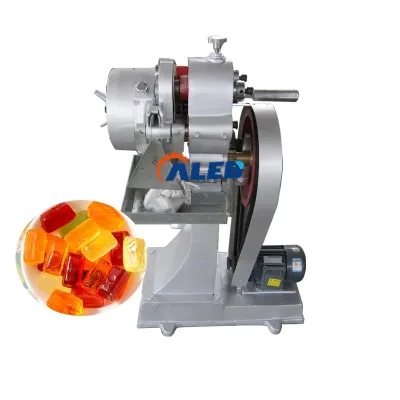
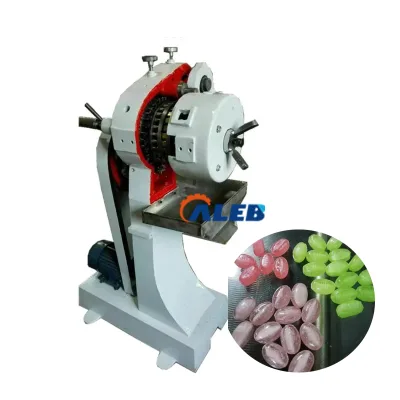
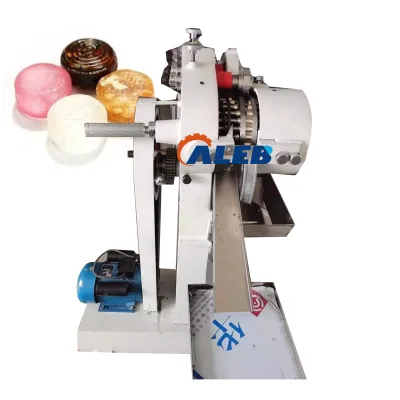
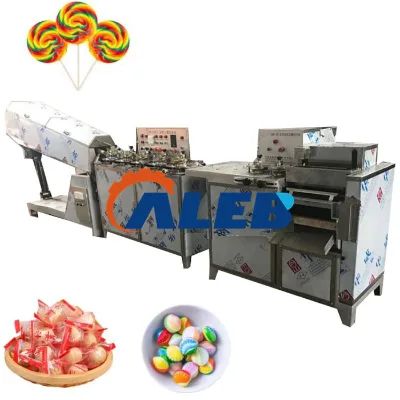
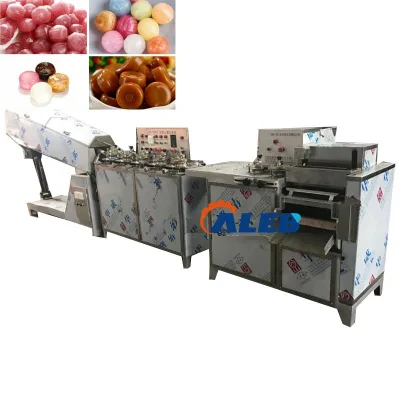
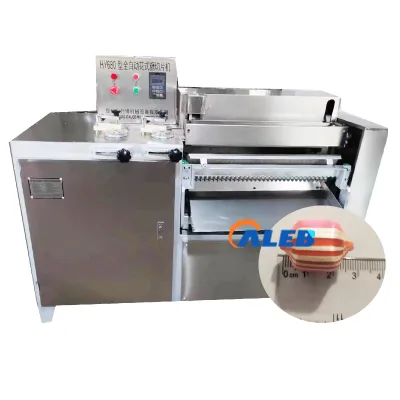


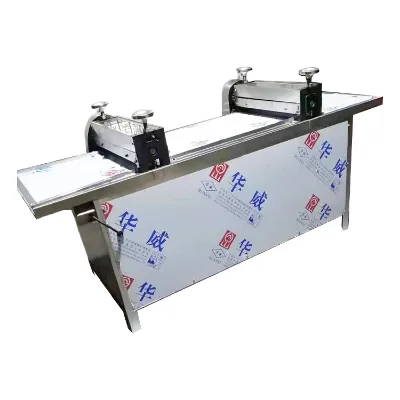


Automatic Peanut Candy Cutting Machine / Peanut Candy Production Line
$15080.00 - $17340.00
MOQ: 1 Sets


Mini Machine Hard Candy Hard Candy Cutting Machine Hard Candy Production Line
$2800.00 - $6500.00
MOQ: 1 Sets


Comprehensive Sourcing Guide
Semi-Automatic Candy Cutting Machine Sourcing Guide
Procuring a Semi-Automatic Candy Cutting Machine requires careful evaluation of production volume and product consistency. Buyers must distinguish between fully automatic lines and semi automatic units, as the latter often demand more manual intervention for feeding or packaging. The observed market data indicates a wide price range from $1,528.74 to $90,000, reflecting significant variations in automation levels, material quality, and capacity. Understanding this spectrum is crucial for aligning budget constraints with operational needs, ensuring that the selected machinery supports the desired throughput without excessive labor costs.
The core keyword suggests a focus on efficiency and precision in candy processing. While many listings advertise fully automatic features, buyers should verify the actual level of automation provided. Semi automatic machines typically offer a balance between cost and productivity, suitable for small to medium-sized candy factories. It is essential to confirm whether the machine integrates seamlessly with existing upstream cooking and downstream packaging equipment. This integration ensures a smooth workflow and minimizes bottlenecks in the production line, ultimately enhancing overall operational efficiency and product quality.
Product Scope and Observed Listing Signals
The observed product listings reveal a diverse range of candy processing equipment, including hard candy sugar cutters and multi-function production lines. Key attributes such as "Automatic Grade: Automatic" and "Key Selling Points: Automatic" appear frequently, suggesting a market trend toward high productivity. However, buyers must critically assess these claims against the specific "semi automatic" requirement. Some models, like the DA900 or FLD-380, are described with specific dimensions and capacities, indicating that scope varies significantly. Buyers should look for explicit mentions of semi automatic operation rather than relying solely on general automation keywords.
Applications listed include candy, chips, biscuits, popcorn, ice cream, donuts, and chocolate, highlighting the versatility of some machines. The "Final Product" is often specified as hard, soft, or jelly candy, which helps narrow down the search. Materials like 304 stainless steel are standard, ensuring hygiene and durability. Buyers should verify if the machine's application fields match their specific candy type, as not all machines are suitable for every product. The presence of "Customization: Available" suggests that buyers can tailor the machine to their specific needs, but this must be confirmed during the sourcing process.
Technical Specifications to Verify
Technical verification is paramount when sourcing a Semi-Automatic Candy Cutting Machine. Buyers should confirm the voltage requirements, which typically range from 220V to 380V, to ensure compatibility with their facility's power supply. The power consumption, often around 1.5kW for smaller units, is another critical factor. Capacity metrics, such as 80-300kg/h or 1000PCS/Min, vary widely and must be matched to production targets. Buyers should request detailed technical drawings and specifications to verify these parameters, ensuring the machine meets their specific throughput requirements.
Dimensional accuracy is also crucial for factory layout planning. Listings provide dimensions like 16508001200mm or 16006001100mm, which help in space allocation. The weight of the machine, often around 300-350kg, affects installation and stability. Buyers should verify the material construction, specifically the use of 304 stainless steel for food contact parts, to ensure compliance with hygiene standards. Additionally, the "Mild Processing" attribute suggests suitability for delicate candy types, but buyers should confirm the machine's capability to handle their specific product viscosity and hardness.
Compliance and Safety Documentation
Compliance with international standards is essential for safe and legal operation. Listings mention certifications such as CE, ISO, CSA, and MET, which indicate adherence to specific safety and quality benchmarks. Buyers must verify the validity and scope of these certifications, ensuring they cover the specific machine model and region of use. The "Standard: 304stainless steel" and "CE&ISO" attributes suggest a focus on material quality and regulatory compliance. Buyers should request copies of these certificates and cross-reference them with relevant authorities to avoid fraudulent claims.
Safety features are another critical aspect of compliance. Buyers should inquire about emergency stop buttons, protective guards, and electrical safety mechanisms. The "Condition: New" attribute implies modern safety standards, but verification is necessary. Additionally, the "Warranty: 1 Year" provides some protection, but buyers should understand the terms and coverage. Ensuring that the machine meets local safety regulations is crucial to avoid legal issues and ensure operator safety. Buyers should also consider the availability of safety manuals and training materials provided by the supplier.
Cost Drivers and Commercial Terms
Cost drivers for semi automatic candy cutting machines include material quality, automation level, and brand reputation. The observed price range of $1,528.74 to $90,000 reflects these variations. Buyers should analyze the cost breakdown, including the price of 304 stainless steel components and electrical systems. The "MOQ: 1-1" suggests flexibility in ordering, but buyers should negotiate for better terms based on volume. Additional costs may include shipping, installation, and training, which should be factored into the total cost of ownership.
Commercial terms such as payment methods, delivery times, and after-sales support are also significant. Buyers should clarify the "Packing: Wooden Cases" or "Wooden Cases with Steel Bases" to ensure safe transport. The "Place of Origin: China" or "Jiangsu" indicates the manufacturing location, which may affect shipping costs and lead times. Buyers should negotiate clear terms for warranty claims and spare parts availability. Understanding the total cost, including hidden fees, is essential for making an informed procurement decision and avoiding unexpected expenses.
Supplier Qualification and Quality Control
Supplier qualification is critical to ensuring the reliability of the Semi-Automatic Candy Cutting Machine. Buyers should verify the supplier's business license, export history, and customer references. The "Brand Name: caleb" or other brand identifiers should be checked for authenticity and reputation. Suppliers with a strong track record in candy machinery are more likely to provide high-quality products and reliable support. Buyers should conduct due diligence on the supplier's financial stability and operational capacity to mitigate risks.
Quality control measures should be established before production begins. Buyers should request factory audits or third-party inspections to verify manufacturing processes and quality standards. The "Key Selling Points: High Productivity" and "Easy Operate" attributes should be validated through sample production runs. Buyers should also check the supplier's after-sales service capabilities, including technical support and maintenance services. Establishing a clear quality assurance protocol ensures that the delivered machine meets the specified requirements and performs reliably in the production environment.
Long-Term Procurement Checks
Long-term procurement checks involve monitoring the machine's performance and supplier relationship over time. Buyers should track key performance indicators such as uptime, maintenance frequency, and energy consumption. Regular maintenance schedules should be established to prevent breakdowns and extend the machine's lifespan. The "Warranty: 1 Year" provides initial protection, but buyers should plan for long-term maintenance costs and spare parts availability. Continuous evaluation of the machine's efficiency helps identify areas for improvement and optimization.
Supplier relationship management is also crucial for long-term success. Buyers should maintain open communication with the supplier for technical support and updates. Feedback on machine performance can help the supplier improve future models. Buyers should also stay informed about industry trends and technological advancements in candy processing machinery. Regular reviews of the procurement process ensure that the supplier continues to meet expectations and provides value. Building a strong partnership with the supplier can lead to better pricing, priority service, and access to new innovations.
FAQs
What certifications do the candy cutting machines have?
The machines hold ISOSAUL, CSA, MET, and CE certifications. Some listings also reference ISOSAMET and ISOCE standards. These certifications ensure the equipment meets international safety and quality requirements for industrial candy production lines.
Can the machine be customized for specific candy shapes?
Yes, customization is available for various candy shapes including hard, soft, and jelly candies. The product attributes confirm that the shape can be customized to meet specific factory needs while maintaining high productivity and easy operation standards.
What is the production capacity of the candy making line?
Production capacity varies by model, with some units reaching 1000 pieces per minute. Other configurations offer a capacity of 1 to 2 tons per eight hours or 80 to 300 kilograms per hour depending on the specific machinery setup selected.
Which materials are used to construct the candy machines?
The machines are constructed from 304 stainless steel to ensure hygiene and durability. This material standard is explicitly listed for the product specifications, making the equipment suitable for direct contact with food products like sugar and chocolate.
How is the machinery packed for international shipping?
The equipment is packed in wooden cases, sometimes with steel bases for added stability. This packaging method protects the machinery during transit and is the standard packing solution provided for these industrial candy production units.
What power source and voltage does the machine require?
The machines operate on an electric power source with voltage options of 220v or 380v. The power consumption is typically around 1.5kw, allowing for flexible installation in various factory electrical environments across different regions.