Source Semi-Automatic Self-Propelled Road Line Marker for Airports, Highways, and Parking Lots
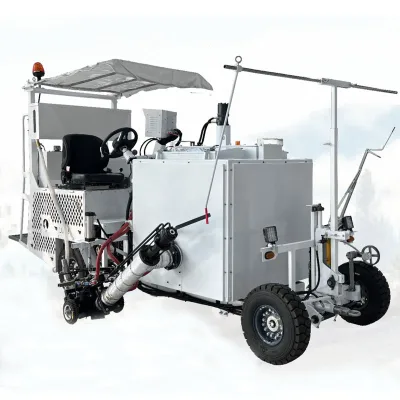
Find 30 semi-automatic self-propelled road line marker units with varying engine types and paint capacities. Buyers can compare specifications like marking width, speed, and tank sizes to select the right equipment for airport, highway, or parking lot applications.
Key considerations
Products List


Self-Propelled Convex Line Road Marking Machine
$4000.00 - $4500.00
MOQ: 1 Sets
Tongling Longshun Environmental Protection Equipment Co., Ltd.

Self-Propelled Hot Melt Traffic Line Road Marking Machine
$3250.00 - $3450.00
MOQ: 1 Sets
Tongling Longshun Environmental Protection Equipment Co., Ltd.

Self-Propelled Convex Line Road Marking Machine for Sales
$3300.00 - $3500.00
MOQ: 1 Sets
Tongling Longshun Environmental Protection Equipment Co., Ltd.


Self-Driving Hot-Melt Road Line Marking Machine for Road Use
$800.00 - $1000.00
MOQ: 1 Pieces
Tongling Longshun Environmental Protection Equipment Co., Ltd.
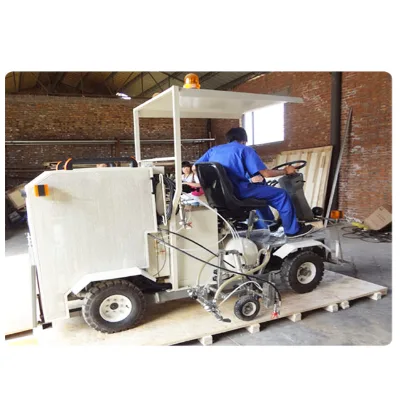
Self-propelled Road Marking Machine Road Curb Marker Road Marking Machine
$86454.14 - $93573.90
MOQ: 1


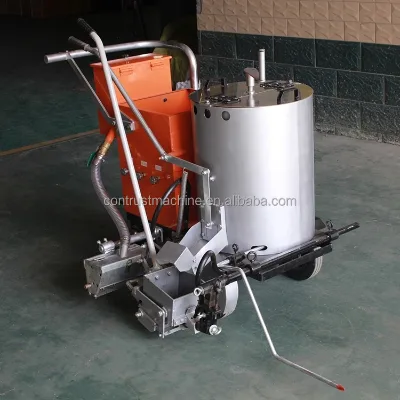

Self-Propelled Hot Melt Automated Line Marking Machine Road Surface Marking Machine
$1100.00 - $1990.00
MOQ: 1 Pieces

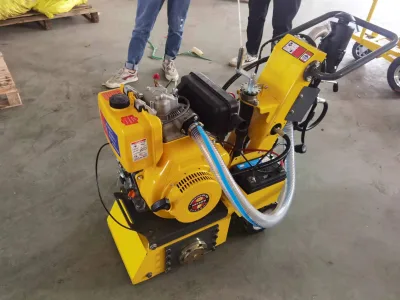


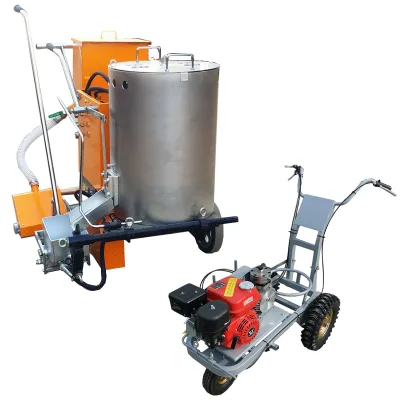


Portable Road Marker Convienient Road Cross Street Line Marking Machine Equipment
$1300.00 - $2900.00
MOQ: 1 Pieces


Comprehensive Sourcing Guide
Strategic Sourcing Guide for Semi-Automatic Self-Propelled Road Line Markers
Understanding the Operational Profile of Semi-Automatic Marking Vehicles
The acquisition of a semi-automatic self-propelled road line marker requires a precise understanding of the operational niche these machines occupy. Unlike fully automated robotic systems or manual push-behind units, semi-automatic self-propelled vehicles offer a balance of operator control and mechanical assistance, designed specifically for the application of asphalt concrete pavement markings. The core functionality of these units relies on a self-propelled moving method, allowing the operator to guide the vehicle along the desired path while the machine handles the propulsion and material dispensing.
In the current market, these machines are often categorized by their specific application methods, such as flat line or convex line screeding. This distinction is critical for buyers, as the choice between a flat line and a convex line application dictates the final aesthetic and safety performance of the road marking. The vehicle's ability to handle different marking widths is a primary technical differentiator. Observed specifications indicate that available marking widths can range significantly, with some models supporting a standard configuration of 150mm while offering optional widths extending from 100mm up to 500mm. This flexibility allows a single fleet to handle various road types, from narrow residential lanes to wide highway shoulders.
The physical dimensions of the marking shoe are equally important for operational versatility. The available sizes for the marking shoe typically include a range of 100mm, 120mm, 150mm, 200mm, 250mm, 300mm, and 400mm. This modularity ensures that the machine can adapt to changing project requirements without necessitating a complete equipment overhaul. Furthermore, the marking thickness is a critical quality parameter, with observed ranges suggesting a capability to apply layers between 1.0mm and 3.0mm. Achieving this thickness consistency is essential for ensuring the longevity and reflectivity of the road lines, particularly when using thermoplastic paint, which is the most common applicable paint type for these semi-automatic units.
Technical Specifications and Powertrain Configuration
When evaluating the technical specifications of a semi-automatic self-propelled road line marker, the powertrain and transmission systems are the first areas of scrutiny. The propulsion mechanism is often driven by a gasoline engine, with observed power outputs ranging from 6.0HP to 20HP, and in some heavy-duty configurations, a 43.3kw Diesel Engine. The specific engine choice directly influences the machine's speed and torque capabilities. For instance, some models operate at a low speed range of 0-4km/H, which is ideal for precise, high-quality application on complex surfaces, while others offer a broader range of 0-22km/H, suitable for covering long stretches of highway more efficiently.
The transmission system plays a pivotal role in the smooth operation of the vehicle. A high-performance unit often features a Hydraulic Stepless Transmission System (Hts), which allows for infinite speed variation within the operational range. This stepless capability is superior to fixed-gear transmissions, as it enables the operator to match the speed of the vehicle exactly to the flow rate of the paint pump, ensuring uniform line thickness regardless of the terrain or operator speed. The drive system is typically integrated with the engine to provide the necessary torque for moving the machine, which can weigh up to 280kgs depending on the configuration and tank capacity.
Material handling is another critical technical aspect. The paint tank capacity varies significantly based on the model and intended use, ranging from compact 40L tanks to large 300L reservoirs. For semi-automatic units utilizing thermoplastic paint, the heating method is often direct-fired, ensuring the paint remains at the optimal viscosity for application. The glass beads tank, essential for providing retro-reflectivity to the road markings, also varies in capacity, with observed ranges from 14L to pressurized 150L systems. The inclusion of a hardener tank, typically around 5L, indicates the machine's capability to handle two-component paints, which require precise mixing ratios for curing. The paint pump itself is a vital component, with double piston pumps observed delivering flow rates of 9L/Min, ensuring a consistent supply of material to the marking shoe.
Compliance, Certification, and Safety Standards
Ensuring that a semi-automatic self-propelled road line marker meets international and local compliance standards is a non-negotiable step in the procurement process. While specific certification details can vary by manufacturer, the presence of ISO9001 certification is a strong indicator of a supplier's commitment to quality management systems. This certification suggests that the manufacturing process adheres to rigorous standards for consistency and reliability, which is crucial for machinery that will be subjected to daily wear and tear in demanding road construction environments.
Buyers must verify that the equipment meets the relevant safety standards for the region where it will be operated. Although specific safety test results are not universally standardized in the provided data, the design of the machine should inherently address operator safety. Features such as the climbing capacity, observed at 15 degrees, indicate the machine's ability to operate on inclined surfaces without tipping, a critical safety feature for road work on hills or uneven terrain. The standard dimensions of the machines, such as 140012001300mm or 215014501450mm, provide insight into the machine's footprint and stability.
Furthermore, the origin of the product is a key factor in compliance. Most of the observed units originate from China, a major hub for road construction machinery. Buyers should ensure that the supplier can provide documentation verifying that the equipment meets the specific regulatory requirements of the destination country, including emissions standards for the gasoline or diesel engines used. The packaging, typically a plywood case, is designed to protect the machine during transit, but it is also a logistical consideration for storage and handling upon arrival.
Cost Drivers and Pricing Dynamics
The pricing of semi-automatic self-propelled road line markers is influenced by a complex interplay of factors, including engine power, tank capacities, and the level of automation. The observed price range in the market spans from approximately 500 USD to over 93,000 USD. This vast disparity is not indicative of a single product line but rather reflects the diversity of configurations available. Lower-priced units are likely to be basic models with smaller tank capacities, lower horsepower engines, and fewer optional features. Conversely, the higher end of the price spectrum corresponds to heavy-duty models equipped with large paint and glass bead tanks, high-power diesel engines, and advanced hydraulic transmission systems.
The minimum order quantity (MOQ) for these machines is typically 1 unit, allowing buyers to purchase single units for pilot projects or small fleets. However, the cost per unit can be significantly affected by customization options. The availability of customization is a key feature in this market, allowing buyers to tailor the machine to specific project needs, such as adding specific paint types or adjusting the marking width. Customization often comes at a premium, but it can result in significant operational savings by reducing the need for multiple specialized machines.
Other cost drivers include the type of paint system. Machines capable of handling two-component paints or solvent paints may require more complex pump systems and mixing tanks, increasing the initial cost. The inclusion of a double pneumatic spray gun or a double piston pump also adds to the manufacturing cost. Buyers should consider the total cost of ownership, including maintenance, fuel consumption, and the cost of consumables like glass beads and paint, rather than focusing solely on the initial purchase price.
Typical Applications and Operational Versatility
Semi-automatic self-propelled road line markers are designed for a wide range of applications, primarily focusing on asphalt concrete pavement. Their versatility makes them suitable for various road construction and maintenance projects, from new highway construction to the re-marking of existing roads. The ability to apply both flat lines and convex lines allows these machines to meet different regulatory and safety requirements. Flat lines are often used for lane dividers and edge markings, while convex lines may be required for specific traffic calming measures or high-visibility zones.
The application of thermoplastic paint is the most common use case for these machines. Thermoplastic paint is known for its durability and high reflectivity, making it ideal for road markings that need to withstand heavy traffic and harsh weather conditions. The machine's capacity to handle different paint types, including solvent-based and water-based paints, further enhances its versatility. This flexibility allows contractors to choose the most appropriate paint for the specific environmental conditions of the project site.
The marking width capabilities of these machines also expand their application scope. With standard widths of 150mm and optional widths up to 500mm, these markers can handle everything from narrow pedestrian crossings to wide highway lane markings. The ability to adjust the marking thickness between 1.0mm and 3.0mm ensures that the lines meet the required durability standards for different traffic volumes. Additionally, the machine's climbing capacity of 15 degrees makes it suitable for use on hilly terrain, a common scenario in road construction projects.
Supplier Evaluation and Quality Control Protocols
Selecting the right supplier for a semi-automatic self-propelled road line marker requires a thorough evaluation of their capabilities and quality control processes. Buyers should prioritize suppliers who demonstrate a commitment to quality through certifications like ISO9001. This certification is a strong indicator that the supplier has established procedures for maintaining product consistency and reliability. However, buyers should also verify the supplier's track record in delivering equipment that meets the specific technical requirements of their projects.
Quality control should be a central part of the procurement process. Buyers should request detailed specifications for the engine, pump, and transmission systems to ensure they meet the required performance standards. The observed specifications, such as the 13HP or 20HP gasoline engines and the 9L/Min double piston pumps, should be verified against the supplier's documentation. Additionally, the supplier should provide evidence of testing for critical components, such as the paint pump's flow rate consistency and the glass beads tank's pressurization capabilities.
The supplier's ability to provide customization is another important factor. A supplier that offers flexible customization options demonstrates a deeper understanding of the market and the specific needs of their clients. Buyers should evaluate the supplier's response time and willingness to collaborate on customizing the machine to meet unique project requirements. The packaging, typically a plywood case, should also be evaluated to ensure it provides adequate protection during shipping and storage.
Long-Term Procurement and Maintenance Considerations
Long-term procurement considerations for semi-automatic self-propelled road line markers extend beyond the initial purchase price. Buyers should focus on the total cost of ownership, including maintenance, repair, and the availability of spare parts. The complexity of the machine, with its hydraulic systems, engines, and paint pumps, necessitates a robust maintenance schedule to ensure optimal performance and longevity. Buyers should inquire about the supplier's support services, including the availability of technical manuals, training, and after-sales support.
The durability of the machine is also a critical factor. The observed weight of 280kgs and the robust construction of the marking shoe suggest that these machines are built to withstand heavy use. However, the longevity of the machine will depend on the quality of the materials used and the maintenance practices of the operator. Buyers should consider the cost of consumables, such as glass beads and paint, and the frequency of replacement for wear-prone components like the marking shoe and paint pump seals.
Finally, the scalability of the fleet is an important consideration. As the demand for road marking services grows, buyers may need to expand their fleet. The ability to purchase additional units with similar specifications and the availability of interchangeable parts can simplify fleet management and reduce operational costs. Buyers should also consider the environmental impact of the machine, particularly the emissions from the gasoline or diesel engines, and explore options for more fuel-efficient or environmentally friendly models if available.
FAQs
What engine options are available for these markers?
Engines range from 6.0HP gasoline units to 43.3kw diesel models. Some configurations feature 13HP or 20HP gasoline engines with hydraulic stepless transmission systems for smooth operation.
Which marking widths can the machine handle?
Standard configurations support 150mm widths, while optional widths extend from 100mm up to 500mm. Available marking shoe sizes include 100, 120, 150, 200, 250, 300, and 400mm for versatility.
Can the vehicle operate on inclined surfaces?
Yes, the machine has a climbing capacity of 15 degrees. This feature ensures stability and safety when operating on hills or uneven terrain during road marking projects.
What paint types are compatible with this equipment?
The system supports thermoplastic paint, solvent paint, water-based paint, and two-component paints. Some models include a hardener tank for precise mixing of two-component formulations.
How large are the material tanks on these units?
Paint tank capacities vary from 40L to 300L depending on the model. Glass bead tanks range from 14L to pressurized 150L systems to ensure adequate retro-reflectivity application.
Is customization available for these road markers?
Customization is available to tailor machines to specific project needs. Buyers can adjust features like marking width or paint systems to match unique operational requirements.