Source Semi-Automatic Stack Flexographic Press for Paper Bag, Label, Card Printing
Explore 30 listings of semi-automatic stack flexographic press machines suitable for paper bags, labels, and cards. Compare specifications like printing width, speed, and control systems from verified Chinese manufacturers to find the right equipment for your production needs.
Key considerations
Products List
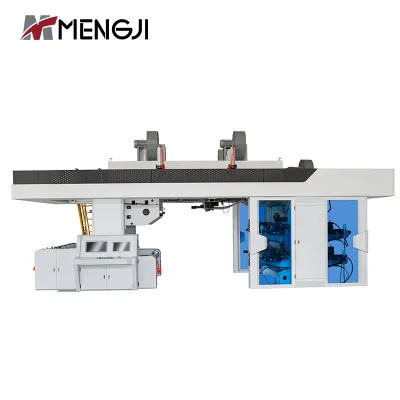


Automatic 8 Colors Flexo Printing Press Plastic Flexography Printing Press
$180000.00 - $220000.00
MOQ: 1 Sets

Automatic 4 6 Colors Paper Bag Flexo Printing Machine Flexographic Press
$40000.00 - $60000.00
MOQ: 1 Pieces

Automatic 4 6 Colors Stack Type Flexographic Flexo Printing Machine Press
$110000.00 - $130000.00
MOQ: 1 Pieces

High-Quality Automatic Flexographic Printing Press for Efficient Production
$40000.00 - $60000.00
MOQ: 1 Pieces


Automatic Stack Type 4 Color Flexographic Printing Press for PP Woven Bags
$20000.00 - $30000.00
MOQ: 1 Pieces


Stack Type 8 Colors Non Woven Bag Flexographic Flexo Printing Machine Press
$60000.00 - $150000.00
MOQ: 1 set


4 Color High Quality Stack Type Flexo Flexographic Plastic Bagprinting Machine Press
$60000.00 - $150000.00
MOQ: 1 set


Comprehensive Sourcing Guide
Strategic Sourcing Guide for Semi-Automatic Stack Flexographic Presses
Understanding the Technical Landscape of Flexographic Equipment
When sourcing a semi-automatic stack flexographic press, buyers must first navigate the complex terminology and technical configurations that define this machinery. The core keyword implies a specific mechanical arrangement where printing units are stacked vertically rather than arranged in a line, a design often favored for its compact footprint and ease of maintenance in specific production environments. The supplied product data reveals a diverse range of configurations available in the market, ranging from fully automatic systems to those explicitly categorized as semi-automatic. For instance, while some listings highlight a "PLC" control system and an "Automatic" grade, other specific models are designated with a "Semi-Automatic" automatic grade, indicating that the level of automation can vary significantly even within the same product category.
The structural integrity of these machines is a primary technical consideration. The data indicates that "CI" (Central Impression) structures are prevalent, alongside "Rotary Printing Press" designs. The CI structure is particularly notable for its ability to maintain tight registration, which is critical for high-accuracy printing tasks. However, the "stack" configuration often associated with the core keyword typically involves a different arrangement of printing units compared to the CI drum. Buyers should verify whether the specific machine under consideration utilizes a central drum type or a distinct stack arrangement, as the "Type" attribute in the provided data lists both "central drum" and "Ink Jet Type" options, suggesting a need for precise filtering. The printing speed is another critical variable, with observed ranges extending from 50 to 260 meters per minute for certain models, while others list specific speeds like 100 meters per minute. This variance suggests that the "semi-automatic" designation does not necessarily correlate with a specific speed limit but rather with the operational workflow and automation of the substrate feeding and finishing processes.
Furthermore, the printing width capabilities are a decisive factor in equipment selection. The specifications show a wide spectrum of maximum printing widths, including 770mm, 970mm, 1170mm, and 1570mm for larger industrial units, while smaller, more specialized models like the Ry-320 series offer a maximum web width of 320mm and a maximum printing width of 310mm. The maximum putting diameter of 600mm and winding diameter of 550mm are also critical dimensions that determine the roll sizes the machine can handle, directly impacting production efficiency and downtime. Buyers must match these physical specifications against their current and projected substrate requirements to ensure the machine is neither underutilized nor overburdened.
Compliance, Certification, and Regulatory Standards
In the global procurement of industrial machinery, compliance with international standards is non-negotiable. The supplied product data provides specific insights into the certification landscape, noting that certain models carry the "CE" standard, which is essential for machinery intended for the European market. This certification indicates that the equipment meets the health, safety, and environmental protection standards for products sold within the European Economic Area. However, the data also lists a "prod_standard" of "320" for some models, which appears to be a model-specific identifier rather than a recognized international safety standard. This discrepancy highlights the importance of verifying the actual regulatory compliance status of a supplier's equipment before purchase.
Buyers must also consider the electrical standards of the machinery. The voltage specifications in the data point to a standard industrial voltage of 380v, which is common in many manufacturing hubs but requires specific electrical infrastructure on the buyer's end. If the buyer's facility operates on a different voltage standard, significant additional costs for transformers or electrical upgrades may be incurred. Additionally, the "prod_packing" is listed as a "Wooden Case," which is a standard practice for heavy machinery to prevent damage during transit. However, buyers should verify if the wooden packaging meets international phytosanitary standards (such as ISPM 15) to avoid customs delays upon import.
The "Video outgoing-inspection: Provided" attribute is a valuable compliance and quality assurance feature. It suggests that the supplier offers a remote verification process where the buyer can witness the final inspection of the machine before it leaves the factory. This is particularly useful for verifying that the machine meets the agreed-upon specifications and that the "High-accuracy" selling points are substantiated by visual evidence. While the data does not explicitly list other certifications like ISO 9001, the presence of CE and video inspection services indicates a supplier that is at least partially aligned with international quality expectations. Buyers should explicitly request documentation for any other relevant certifications, such as UL for North American markets or specific local safety approvals, to ensure full regulatory compliance.
Cost Drivers and Total Cost of Ownership Analysis
The pricing for semi-automatic stack flexographic presses exhibits a massive range, with observed values spanning from 1 USD to 350,000 USD. This extreme variance is not indicative of a single product line but rather reflects the vast differences in machine size, automation level, brand reputation, and included features. The "Selling Units" attribute confirms that these are typically sold as single items, meaning the price quoted is for the entire machine system. The "Gross power" of 56kw for certain models is a significant cost driver, as higher power consumption translates to higher operational electricity costs and may require more robust electrical infrastructure.
Beyond the initial purchase price, the total cost of ownership (TCO) must be evaluated. The "Warranty" period of 2 years is a standard offering in the data, which provides a baseline for after-sales support. However, the cost of maintenance, spare parts, and potential downtime must be factored into the financial model. The "Customization: Available" attribute suggests that buyers can tailor the machine to their specific needs, but customization often comes at a premium. The "Control Type" being "Customized" further implies that the control system can be adapted, which may involve additional engineering costs and longer lead times.
The "Brand name" "Mengji" is mentioned in the data, but buyers should be cautious not to equate a specific brand with a specific price point without verifying current market rates. The "Model number" variations, such as "MJCI Series" and "Ry-320-2c," indicate that different configurations have different price points. A machine with a higher printing speed (e.g., 260m/min) or a wider printing width (e.g., 1570mm) will naturally command a higher price than a smaller, slower model. Buyers should also consider the "Color & Page" attribute, which ranges from 2 to 10 colors. A machine capable of 10-color printing will be significantly more expensive than a 2-color model due to the additional printing units, ink systems, and registration mechanisms required.
Typical Applications and Industry Suitability
The versatility of semi-automatic stack flexographic presses is evident in the diverse "Usage" categories listed in the data. These machines are suitable for a wide array of applications, including "Paper Printer," "Paper bag," "Card Printer," and "Label Printer." The "Applicable Industries" specifically highlight the "Food & Beverage Factory" sector, indicating that these machines are often used for packaging food products, where hygiene and print quality are paramount. The ability to print on various substrates, from paper to flexible films, makes these presses ideal for the packaging industry.
The "Printing Repeat" range of 175-380mm and the "Printing Girth" of 175-220mm are critical specifications for applications requiring precise pattern repetition, such as branded packaging or decorative labels. The "Precision of Chromatography" of 0.1mm is a key performance metric for high-quality printing, ensuring that colors align perfectly and images are sharp. This level of precision is essential for brands that demand high visual standards. The "Style" of "Flexographic Printing Presses" confirms the technology used, which is known for its ability to print on a wide range of materials with high speed and efficiency.
The "Color" options, ranging from 2 to 4 colors in specific models, suggest that these machines can be configured for simple monochrome or multi-color printing tasks. The "Multi-Colour Printing Press" attribute further emphasizes the capability to handle complex designs. For buyers in the food and beverage industry, the ability to print high-quality, food-safe packaging is a primary requirement. The "Automatic Grade" of "Semi-Automatic" suggests that while the printing process may be automated, the loading and unloading of substrates or the changing of plates might require manual intervention, which can be a trade-off between cost and operational efficiency.
Supplier Evaluation and Verification Protocols
Evaluating suppliers for semi-automatic stack flexographic presses requires a rigorous due diligence process. The "Place of Origin" is listed as "China" for the provided data, which is a common hub for manufacturing this type of machinery. However, buyers should not assume that all suppliers from this region offer the same quality standards. The "Video outgoing-inspection: Provided" feature is a strong indicator of a supplier's confidence in their product and their willingness to be transparent. Buyers should utilize this service to verify the machine's condition, functionality, and adherence to specifications before finalizing the purchase.
The "System supported" attribute, which mentions "Vista," indicates the operating system compatibility of the machine's control interface. This is a technical detail that should be verified to ensure compatibility with the buyer's existing IT infrastructure. The "Condition" is listed as "New," which is the standard expectation for new machinery, but buyers should confirm the status of any used or refurbished units if they are considering such options. The "Gross power" and "Voltage" specifications must be cross-referenced with the buyer's facility capabilities to avoid installation issues.
When evaluating suppliers, buyers should look for evidence of "High-accuracy" performance, as this is a key selling point in the data. This can be verified through sample prints, test runs, or third-party quality reports. The "Customization" availability suggests that the supplier is flexible and willing to adapt the machine to the buyer's specific needs. However, buyers should ensure that the customization process is well-documented and that any changes to the standard design are clearly agreed upon in the contract. The "Warranty" of 2 years is a baseline, but buyers should negotiate for extended warranty periods or comprehensive service packages if the machine is critical to their production line.
Quality Control and Long-Term Procurement Considerations
Quality control is paramount when procuring industrial machinery. The "Precision of Chromatography" of 0.1mm is a specific metric that buyers should use as a benchmark for quality. However, this should be verified through independent testing or on-site trials before the machine is accepted. The "Video outgoing-inspection" serves as an initial quality check, but a more thorough inspection should be conducted upon delivery. The "prod_packing" in a "Wooden Case" is a standard practice, but buyers should ensure that the packaging is robust enough to protect the machine during transit and that it includes all necessary documentation and spare parts.
Long-term procurement considerations include the availability of spare parts, the quality of after-sales support, and the ease of maintenance. The "Warranty" of 2 years provides a safety net, but buyers should inquire about the availability of spare parts beyond the warranty period. The "Control System" being "PLC" is a significant advantage, as PLCs are widely used and supported, making it easier to find technical support and replacement components. The "Automatic Grade" of "Semi-Automatic" may require more frequent operator intervention, so training and support for operators should be part of the procurement package.
The "Print speed" of 50-260m/min and the "Max. Printing Width" of up to 1570mm indicate that these machines are capable of high-volume production. However, buyers should consider the scalability of their production needs. A machine that is too large may be underutilized, while one that is too small may become a bottleneck. The "Customization" options allow for future-proofing, but buyers should ensure that the customization is modular and can be upgraded as needs evolve. The "Brand name" "Mengji" and the "Model number" variations suggest a range of options, but buyers should focus on the specific technical specifications and performance metrics rather than brand reputation alone.
Finalizing the Procurement Strategy
In conclusion, sourcing a semi-automatic stack flexographic press requires a balanced approach that considers technical specifications, compliance, cost, and long-term operational needs. The data provided offers a glimpse into the diverse landscape of available machines, from small, specialized models to large, high-speed industrial units. Buyers must carefully evaluate the "Control Type," "Control System," and "Automatic Grade" to ensure the machine aligns with their production workflow. The "Warranty," "Video outgoing-inspection," and "CE" certification are critical factors that contribute to the overall value and safety of the purchase.
The "Usage" and "Applicable Industries" data highlight the versatility of these machines, making them suitable for a wide range of applications in the packaging and printing sectors. However, the "Color" and "Printing Repeat" specifications must be matched to the specific product requirements to ensure high-quality output. The "Gross power" and "Voltage" considerations are essential for installation and operational efficiency. Finally, the "Customization" and "System supported" attributes offer opportunities for tailoring the machine to the buyer's unique needs, but these should be managed with clear contracts and documentation.
By adhering to the principles of evidence-based procurement and leveraging the detailed specifications available, buyers can make informed decisions that optimize their production capabilities and minimize risks. The journey from sourcing to installation and operation requires a strategic mindset, focusing on the long-term value and performance of the semi-automatic stack flexographic press.
FAQs
What is the typical printing speed for this machine?
The printing speed ranges from 50 to 260 meters per minute depending on the specific model configuration. Some specialized units operate at a fixed speed of 100 meters per minute, allowing flexibility for different production requirements.
Which certifications are available for these presses?
Certain models carry the CE standard for European market compliance, while others list model-specific identifiers. Buyers should verify the specific certification status as some listings may not explicitly state international safety approvals beyond the provided video inspection.
Can the machine handle large web widths?
Yes, maximum printing widths vary from 310mm to 1570mm across different series. Larger industrial units support widths up to 1570mm, while smaller models like the Ry-320 series are designed for narrower web applications up to 320mm.
How is the control system configured?
The control system typically utilizes a PLC with customized control types available upon request. Some models support the Vista operating system, ensuring compatibility with standard industrial interfaces while allowing for tailored automation levels.
What warranty period is offered for the equipment?
A standard warranty period of 2 years is provided for the machinery. This coverage ensures support for the new condition units, though specific terms may vary based on the supplier and customization options selected.
Is customization available for the printing structure?
Customization is available for the control type and specific printing configurations. Buyers can select from CI or rotary structures, with options for 2 to 10 colors to match specific production needs and substrate types.
What is the voltage requirement for operation?
The standard voltage requirement is 380v for industrial operation. This specification is common in manufacturing hubs, but buyers must ensure their facility infrastructure supports this voltage to avoid additional upgrade costs.