Source Shading Light Sleeping Mask for Travel Hotel Daily Use
Compare 30 Shading Light Sleeping Mask options from verified suppliers in China. Buyers can evaluate materials like silk, cotton, and memory foam, along with customization and packaging details for travel, hotel, or daily use.
Key considerations
Products List


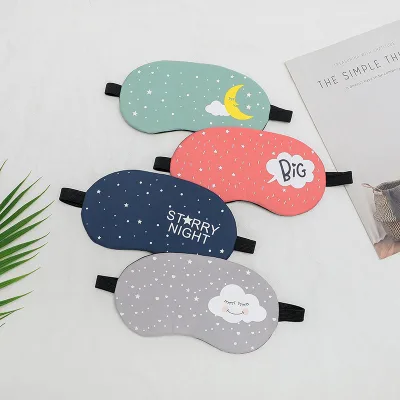


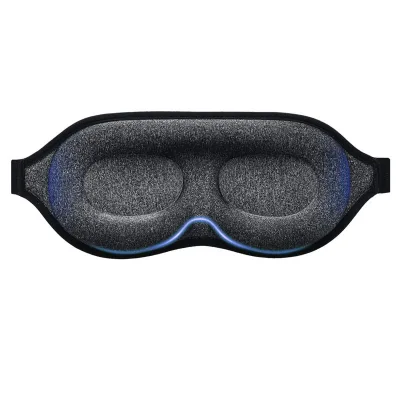
Sleeping Silk Eye Mask Double-Sided Shading Breathable 100% Mulberry Silk Mask
$3.00 - $5.00
MOQ: 100 Pieces

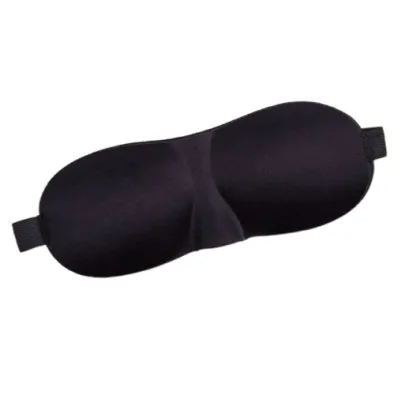
Comfortable Custom Color 3D Sleeping Eye Cover Mask Eye Patch Mask for Sleeping
$0.68 - $0.98
MOQ: 1000 Pieces


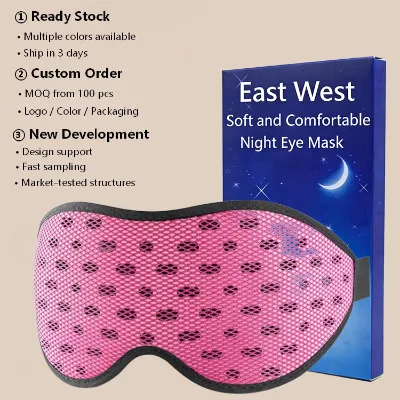
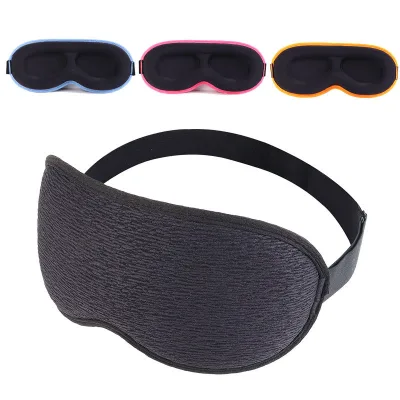
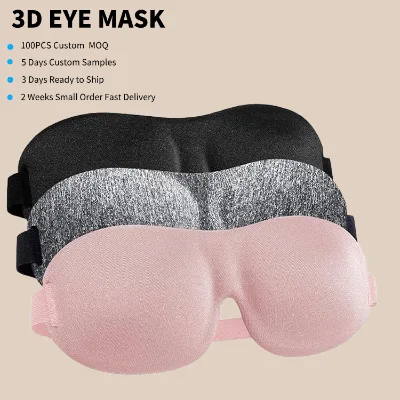

Double-Sided Imitation Silk Sleeping Eye Mask Shading Eyeshade for Travel and Sleep
$0.54 - $0.88
MOQ: 100 Pieces
Comprehensive Sourcing Guide
Strategic Sourcing Guide for Shading Light Sleeping Masks
The global demand for sleep optimization products has driven a significant expansion in the market for shading light sleeping masks. For B2B procurement professionals, navigating this category requires a disciplined approach that distinguishes between generic eye coverings and specialized products designed for light blockage and comfort. The core keyword "Shading Light Sleeping Mask" implies a specific functional requirement: the total elimination of external light to facilitate deep sleep cycles. Sourcing these items involves evaluating a complex matrix of materials, customization capabilities, and supply chain logistics. This guide provides a comprehensive framework for buyers to identify, evaluate, and procure high-quality shading light sleeping masks while adhering to strict evidence-based sourcing principles.
Material Composition and Functional Performance
The primary determinant of a sleeping mask's effectiveness is its material composition. In the current supply landscape, buyers encounter a diverse range of materials, each offering distinct advantages regarding comfort, durability, and light-blocking capabilities. Observed product attributes indicate that Memory Foam Cotton is a prevalent material choice, offering superior contouring to the face and enhanced comfort for extended wear. This material is often paired with Polyester or Cotton blends to ensure structural integrity and breathability.
For buyers seeking premium options, Silk remains a high-value material, known for its smooth texture that minimizes friction against the skin and reduces the risk of sleep wrinkles. However, the supply data also notes the presence of Plastic components, which may be utilized in structural elements or specific design features rather than the primary fabric. The filling material is equally critical; Polyester and Cotton fillings are commonly cited, providing the necessary bulk to create a light-tight seal around the eye socket.
When evaluating suppliers, procurement teams must verify the specific material composition of the product listing. A mask described as "Memory Foam Cotton" should be distinguished from a standard "Polyester" or "Silk" variant based on the intended use case. The Shape of the mask, often listed as U-Shape, is designed to accommodate the eye socket without applying pressure to the eyelids, which is crucial for maintaining the "shading" function without causing discomfort. Buyers should request physical samples to confirm that the material density is sufficient to block light completely, as thin fabrics may allow light leakage even if they are aesthetically pleasing.
Technical Specifications and Sizing Standards
Technical specifications provide the objective criteria necessary to ensure product consistency and fit. The supply data reveals a variety of sizing standards, ranging from specific dimensions like 12x22x1cm to more general classifications such as One Size or Normal Size. While "One Size" suggests a universal fit, the physical dimensions of the mask are vital for ensuring it covers the orbital bone and blocks peripheral light effectively.
Weight is another critical specification. Products in the market vary significantly, with observed weights ranging from 16g to 40g. Lighter masks, such as those weighing 16g, are often preferred for travel due to portability, while heavier masks with more filling may offer better light isolation and a sense of security. The Size specification of 40*10cm indicates a specific profile that buyers must match against their target demographic's facial dimensions.
To ensure compliance with functional requirements, buyers should verify the Standard or Model numbers provided by suppliers, such as K6010 or generic OEM designations. These identifiers often correlate with specific tooling and mold designs. The Packaging standards also play a role in the product's integrity; options include Carton, OPP Bag, Polybag, Color Box, and Silk Bag. The choice of packaging affects the product's presentation and protection during transit. For instance, a Silk Bag may be appropriate for high-end silk masks, whereas an OPP Bag is standard for mass-market items. Buyers must ensure that the packaging specifications align with their retail requirements and that the product dimensions remain consistent across production batches.
Customization and Branding Capabilities
A significant advantage in the B2B market for sleeping masks is the availability of customization services. The supply data confirms that Customization is widely Available, with many suppliers accepting Logo printing and OEM/ODM requests. This flexibility allows buyers to create unique products that align with their brand identity. The Color of the masks is often listed as Custom, enabling buyers to select hues that match their marketing campaigns or target audience preferences.
The Feature list indicates that masks can be produced With Logo or Without Logo, and some variants may include Eco-Friendly or Luminous attributes. While "Luminous" features may seem counterintuitive for a sleep aid, they could serve specific novelty or safety functions in certain markets. The Technics of production, such as Handmade methods, suggest a higher level of craftsmanship, which may be a selling point for premium segments.
Buyers should carefully review the Customized options available, including the placement and method of logo application. The MOQ (Minimum Order Quantity) for customization varies, with observed ranges starting as low as 50PCS and extending up to 10,000 units. This wide range allows for flexibility in order sizes, catering to both startups and established brands. However, buyers must verify if the customization options incur additional costs or extend lead times. The Style of the mask, ranging from Fashion to Plain, also offers opportunities for differentiation. Ensuring that the customization aligns with the product's core function of light blocking is essential; decorative elements should not compromise the mask's ability to shade light effectively.
Cost Drivers and Pricing Dynamics
Understanding the cost structure of shading light sleeping masks is crucial for maintaining healthy profit margins. The observed price range in the market spans from $0.20 to $6.00 USD. This wide variance is driven by several factors, including material quality, production complexity, and customization levels. Masks made from Silk or featuring Memory Foam typically command higher prices due to the cost of raw materials and the labor-intensive nature of their production. Conversely, masks made from Polyester or Plastic with standard packaging are generally more affordable.
The MOQ is a primary cost driver. Orders placed at the lower end of the 10-10,000 unit range may face higher per-unit costs due to setup fees and limited economies of scale. Buyers should analyze the total cost of ownership, including shipping, packaging, and potential duties, rather than focusing solely on the unit price. The Weight of the product also influences shipping costs; a 40g mask will incur higher freight charges than a 16g variant, especially when shipping large volumes.
Additionally, the Quality designation, often listed as High Quality, can be a subjective metric. Buyers should correlate this claim with tangible attributes such as stitching density, material thickness, and the effectiveness of the light-blocking seal. The Usage context, whether for Daily Use, Travel, Hotel, Massage, or Bedding, also impacts pricing. Products marketed for professional use in hotels or spas may require higher durability and comfort standards, justifying a higher price point.
Supplier Evaluation and Geographic Considerations
The geographic origin of the product is a key factor in supplier evaluation. The supply data indicates that products originate primarily from Fujian, China, with some listings noting Shanghai as the production location. These regions are known for their established textile and manufacturing infrastructure, offering a robust supply chain for sleep products. Buyers should verify the specific factory location to ensure compliance with local labor standards and environmental regulations.
When evaluating suppliers, the OEM/ODM acceptance status is a strong indicator of a supplier's flexibility and capability. Suppliers that accept OEM/ODM are typically more experienced in handling custom orders and can provide valuable insights into product development. The Type of product, such as Sleeping Eye Masks, should be clearly defined to ensure the supplier specializes in this category rather than offering a broad range of unrelated goods.
Buyers should also assess the Season suitability of the product. Listings indicating Four Season usage suggest that the mask is designed for year-round comfort, which is a valuable attribute for a diverse market. The Occasion of use, such as Daily Use or Gift, can influence the marketing strategy and packaging requirements. A supplier that understands the nuances of these occasions can provide better support in positioning the product effectively.
Quality Control and Long-Term Procurement
Ensuring consistent quality is paramount in the procurement of sleep products. The Quality attribute is frequently listed as High Quality, but this must be validated through rigorous testing. Buyers should establish clear quality control protocols that include checks for light blockage, material durability, and stitching integrity. The Standard specifications, such as 12x22x1cm or Normal Size, should be strictly adhered to during production runs to maintain product consistency.
Long-term procurement considerations involve building a sustainable relationship with suppliers. The Disposable status of the product is listed as Non-Disposable, indicating that these masks are designed for repeated use. This durability is essential for customer satisfaction and repeat business. Buyers should verify the Usage limits and care instructions to ensure the product maintains its functionality over time.
The Feature list includes Eco-Friendly options, which are increasingly important in the global market. Buyers should inquire about the environmental impact of the materials and production processes. Eco-Friendly claims should be supported by verifiable data or certifications, even if specific certification names are not provided in the initial data. The Shape and Body Part (Head) specifications must be accurate to ensure the mask fits comfortably and effectively.
In conclusion, sourcing shading light sleeping masks requires a meticulous approach that balances material quality, technical specifications, and supplier capabilities. By leveraging the observed data on materials, sizes, and customization options, buyers can make informed decisions that align with their strategic goals. The wide range of prices and MOQs offers flexibility, but success depends on rigorous quality control and a clear understanding of the product's functional requirements. As the market continues to evolve, maintaining a focus on evidence-based sourcing will ensure the delivery of high-quality products that meet the needs of sleep-conscious consumers.
FAQs
What materials are used for shading light sleeping masks?
Common materials include Memory Foam Cotton, Polyester, Silk, and Cotton blends. These materials provide comfort and light blockage, with Memory Foam offering superior contouring and Silk minimizing skin friction for premium options.
Can I customize the logo and color of the mask?
Yes, customization is available for logos and colors. Suppliers accept OEM and ODM requests, allowing for custom colors and logo placement, though specific MOQs like 50 pieces may apply for these personalized features.
What are the standard sizes and weights for these masks?
Sizes vary from 12x22x1cm to 40x10cm, often labeled as one size or normal size. Weights typically range from 16g to 40g, with U-Shape designs ensuring comfort without pressure on the eyelids during sleep.
Where are these products manufactured and what is the origin?
Products originate primarily from Fujian and Shanghai, China. These regions offer established textile infrastructure, ensuring reliable supply chains for high-quality non-disposable masks suitable for daily use and travel.
How much does a Shading Light Sleeping Mask cost?
Prices range from 0.20 to 6.00 USD per unit depending on material and customization. Silk or Memory Foam variants command higher prices, while standard Polyester options are more affordable for bulk procurement.
What packaging options are available for bulk orders?
Packaging includes Carton, OPP Bag, Polybag, Color Box, and Silk Bag. The choice depends on product type, with Silk Bags often used for premium items and OPP Bags for mass-market distribution.
Is the product suitable for all seasons and occasions?
Yes, these masks are designed for four-season use and daily occasions. They are suitable for travel, hotels, massage, and bedding, offering versatile comfort for various environments and user needs.