Source Knit Silk Satin Eye Mask for Sleep, Travel, and Spa
Compare 30 Knit Silk Satin Eye Mask options from verified suppliers. Buyers can evaluate materials like silk and satin, customization features, and packaging types to find the best fit for sleep, travel, and spa applications; compare the available evidence and request quotations based on your requirements.
Key considerations
Products List


Comprehensive Sourcing Guide
Knit Silk Satin Eye Mask Sourcing Guide
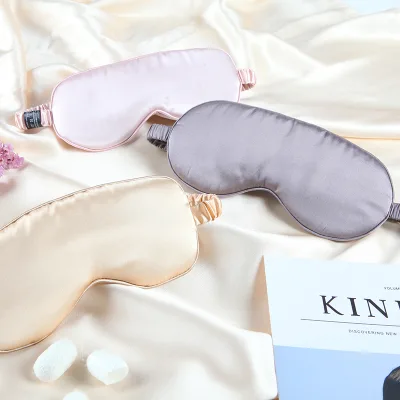
Procuring knit silk satin eye masks requires a nuanced understanding of material composition and manufacturing techniques that distinguish premium sleep aids from generic alternatives. Buyers must recognize that while "silk" is a common descriptor, the actual product may utilize satin weaves, polyester blends, or raw silk rolls, each offering different tactile experiences and durability profiles. The observed market signals indicate a wide variance in product models, ranging from standard sizes to fully customized designs, which necessitates clear specification alignment before engaging with suppliers. This guide provides a structured approach to navigating these complexities, ensuring that procurement teams can identify suppliers who meet specific quality and compliance standards without relying on ambiguous marketing terminology.
The sourcing landscape for these items is characterized by significant customization potential, with many manufacturers offering OEM services for logos, patterns, and packaging. Buyers should note that while some listings emphasize natural materials like silk or satin with wadding, others may rely on synthetic fabrics such as polyester or flannel, which affects both cost and performance. Understanding these material distinctions is critical for defining the target audience, whether it be for luxury hotel amenities, corporate gifts, or direct-to-consumer retail. By establishing precise requirements early in the sourcing process, buyers can filter out suppliers who cannot meet their specific quality thresholds, thereby streamlining the selection phase and reducing the risk of receiving products that do not align with brand expectations.
Product Scope and Observed Listing Signals
The current market for eye masks exhibits a broad spectrum of product attributes, with observed listings highlighting features such as sleep aid functionality, light blocking capabilities, and health care benefits. Buyers will encounter products described with various models, including EM-004 and generic fashion pattern designs, which often come in unisex styles suitable for adult users across all seasons. The presence of customization options suggests that many suppliers are equipped to handle bespoke orders, allowing for tailored solutions that incorporate specific branding elements or unique design features. This flexibility is particularly valuable for businesses looking to create differentiated products that stand out in competitive markets, provided that the underlying quality remains consistent.
Packaging and presentation play a significant role in the perceived value of these products, with observed options ranging from simple polybags and OPP bags to more premium color gift boxes and silk bags. The standard size of 20*10cm or customized dimensions indicates that fit and comfort are key considerations for end-users, while the medium thickness suggests a balance between comfort and effective light obstruction. Buyers should pay close attention to these packaging details, as they directly impact shipping costs and the unboxing experience for the final consumer. Additionally, the availability of sample freight collect terms and a sample time of 7-10 days provides a practical mechanism for evaluating product quality before committing to larger orders, allowing for informed decision-making based on tangible evidence rather than catalog descriptions alone.
Technical Specifications to Verify
When evaluating technical specifications, buyers must prioritize the verification of material composition, as terms like "silk" can be misleading if not accompanied by detailed fabric breakdowns. It is essential to confirm whether the product utilizes raw silk rolls, satin weaves, or synthetic blends, as these materials differ significantly in terms of breathability, durability, and care requirements. The observed data indicates that some products may include additional layers such as silk wadding or polyester components, which can enhance comfort but also affect the overall weight and texture. Buyers should request detailed material specifications and, if necessary, conduct physical inspections to ensure that the fabric meets their desired standards for softness and longevity.
Dimensional accuracy and structural integrity are equally critical factors that require rigorous verification during the sourcing process. While standard sizes are commonly available, customized dimensions may introduce variability in production quality, making it imperative to establish clear tolerances for length, width, and thickness. The observed weight of 25g for certain models provides a benchmark for assessing the density and quality of the materials used, but buyers should not assume that all products will meet this specific metric. Additionally, the form factor of the mask, including the presence of adjustable straps or ergonomic contours, should be evaluated to ensure that it provides a secure and comfortable fit for diverse user profiles. Clear communication of these technical requirements with suppliers can help prevent discrepancies between ordered and delivered goods.
Compliance and Safety Documentation
Compliance and safety documentation are paramount when sourcing eye masks, particularly those intended for close contact with sensitive areas such as the eyes and face. Buyers should verify that suppliers possess relevant certifications, such as MSDS, FDA, and CE, which indicate adherence to international safety and quality standards. These certifications provide assurance that the materials used in the production process are free from harmful substances and meet regulatory requirements for consumer goods. However, buyers must remain vigilant and request up-to-date documentation for each batch, as certification status can change over time and may not automatically apply to all product variations offered by a supplier.
In addition to product-specific certifications, buyers should also consider the broader regulatory landscape of their target markets, which may impose additional requirements for textile products. This includes compliance with labeling laws, fiber content disclosures, and care instructions that must be accurately communicated to consumers. The observed data suggests that some suppliers offer customized standards, which can be advantageous for meeting specific regional regulations but requires careful oversight to ensure that all claims are substantiated. By maintaining a robust documentation process and regularly auditing supplier compliance records, buyers can mitigate legal risks and ensure that their products meet the highest safety standards, thereby protecting their brand reputation and customer trust.
Cost Drivers and Commercial Terms
Cost drivers for knit silk satin eye masks are influenced by a variety of factors, including material selection, customization complexity, and order volume. The observed MOQ range of 20 to 10,000 pieces indicates that suppliers are flexible in their order requirements, allowing buyers to start with smaller quantities for testing or market validation before scaling up. However, higher customization levels, such as unique patterns or specialized packaging, may incur additional costs that need to be factored into the overall budget. Buyers should engage in detailed cost negotiations, seeking transparency in pricing structures to understand how different variables impact the final unit cost, and consider the total cost of ownership, including shipping and handling fees.
Commercial terms also play a significant role in the procurement process, with factors such as payment terms, lead times, and sample policies affecting cash flow and project timelines. The observed sample time of 7-10 days and freight collect terms provide a clear framework for evaluating product quality before committing to large orders, but buyers should also inquire about bulk production lead times to ensure that delivery schedules can be met. Additionally, the availability of customized packing options, such as color gift boxes or silk bags, may impact logistics and storage requirements, so buyers should align their commercial terms with their operational capabilities. By establishing clear and mutually beneficial commercial agreements, buyers can foster strong supplier relationships and ensure a smooth procurement process from order placement to final delivery.
Supplier Qualification and Quality Control
Supplier qualification is a critical step in the sourcing process, requiring a thorough assessment of manufacturing capabilities, quality control systems, and ethical practices. Buyers should verify that suppliers have the necessary infrastructure to produce high-quality eye masks, including advanced knitting and sewing equipment, as well as experienced personnel who can handle complex customization requests. The observed data indicates that many suppliers offer OEM services, which suggests a level of technical proficiency, but buyers should also conduct on-site audits or request third-party verification reports to ensure that production standards are consistently maintained. This due diligence helps to identify suppliers who are capable of meeting specific quality requirements and delivering products that align with brand expectations.
Quality control measures should be integrated into the procurement process from the outset, with clear specifications and acceptance criteria established for each order. Buyers should implement a robust inspection regime, including pre-production samples, in-process checks, and final random inspections, to identify and address any defects before shipment. The observed weight and material specifications provide benchmarks for quality assessment, but buyers should also evaluate the overall craftsmanship, including stitching quality, strap durability, and packaging integrity. By maintaining a proactive approach to quality control and fostering open communication with suppliers, buyers can minimize the risk of receiving substandard products and ensure that their inventory meets the highest standards of excellence.
Long-Term Procurement Checks
Long-term procurement success depends on the establishment of continuous improvement mechanisms and strategic supplier relationship management. Buyers should regularly review supplier performance metrics, including on-time delivery rates, product quality consistency, and responsiveness to issues, to identify areas for improvement and reinforce positive behaviors. The observed customization options and flexible MOQs suggest that suppliers are adaptable, but buyers should also assess their ability to scale production and maintain quality during periods of high demand. By fostering collaborative partnerships and sharing market insights, buyers can work with suppliers to innovate and enhance product offerings, ensuring that they remain competitive in a dynamic marketplace.
Additionally, buyers should stay informed about emerging trends and regulatory changes that may impact the eye mask market, such as new sustainability standards or shifts in consumer preferences. The observed use of materials like silk and satin indicates a focus on premium quality, but buyers should also explore opportunities to incorporate eco-friendly practices, such as sustainable sourcing or recyclable packaging, to align with growing environmental consciousness. Regular audits and feedback loops with suppliers can help to drive continuous improvement and ensure that products meet evolving customer expectations. By adopting a forward-thinking approach to procurement and maintaining a focus on quality and sustainability, buyers can build resilient supply chains that deliver long-term value and support business growth.
FAQs
What materials are used for knit silk satin eye masks?
These masks typically utilize silk, satin, or blended fabrics like cotton and polyester. Some premium options feature raw silk rolls or satin with silk wadding for enhanced comfort. The material choice impacts breathability and skin feel, allowing for customization based on buyer preferences for texture and durability in sleep aid products.
Can I customize the packaging for these eye masks?
Yes, customization is available for packaging. Options include OPP bags, silk bags, color gift boxes, polybags, or standard cartons. Buyers can specify dimensions such as 20x10cm or 30x20cm. This flexibility supports branding needs, whether for retail presentation or bulk shipping, ensuring the product aligns with specific market requirements and aesthetic goals.
What certifications do these eye masks hold?
Products may hold MSDS, FDA, and CE certifications. These standards ensure safety and compliance for international trade. Buyers should verify specific documentation with suppliers before ordering. Certifications provide assurance regarding material safety and manufacturing quality, which is critical for entering regulated markets and maintaining consumer trust in sleep accessory products.
What is the typical MOQ for these masks?
The minimum order quantity typically ranges from 20 to 10,000 pieces, with some suppliers requiring 1,000 PCS. This range accommodates both small trial orders and large bulk purchases. Buyers should confirm exact MOQs with manufacturers, as requirements vary based on customization levels, material selection, and production capacity constraints.
How long does sample production take?
Sample production usually takes 7-10 days. Freight costs for samples are typically collected from the buyer. This timeline allows for quality verification before bulk ordering. Buyers should plan accordingly for testing phases, ensuring that design, material, and packaging meet expectations before committing to larger production runs.
Are these eye masks suitable for all seasons?
Yes, they are designed for four-season use. The materials, such as silk and satin, offer breathability in warm weather and warmth in cooler conditions. This versatility makes them suitable for year-round bedding and travel. Buyers can rely on their adaptability for diverse climates, enhancing product appeal across different geographic markets.