Source SGS ISO9001 Clothing Hangtag for Garment Bags Shoes
Compare 30 verified listings for SGS ISO9001 Clothing Hangtag options made from paper, cardboard, or synthetic materials. Buyers can review features like embossing, custom sizes, and eco-friendly properties from suppliers in China.
Key considerations
Products List
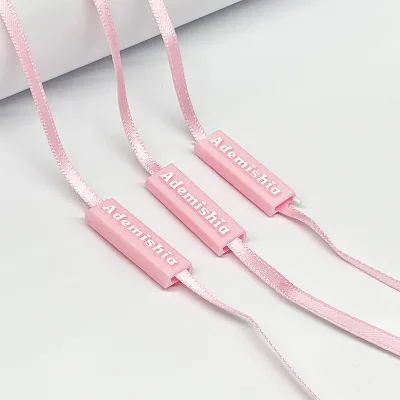
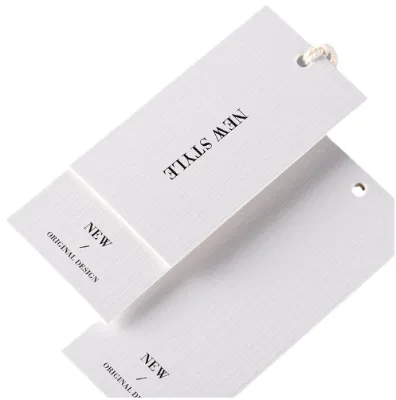
Custom Eco-Friendly Recyclable Hangtags for Clothing Low MOQ Swing Hangtag
$0.03 - $0.09
MOQ: 200 pieces
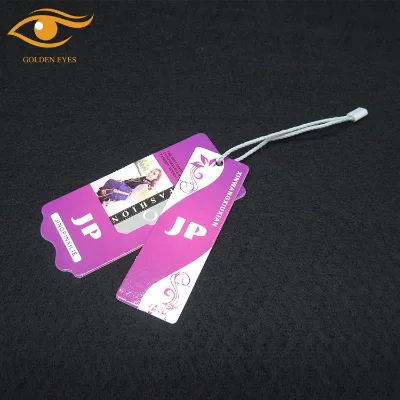
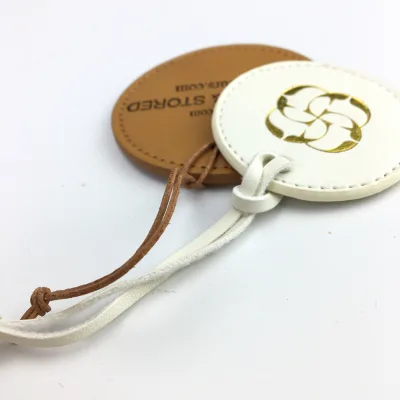


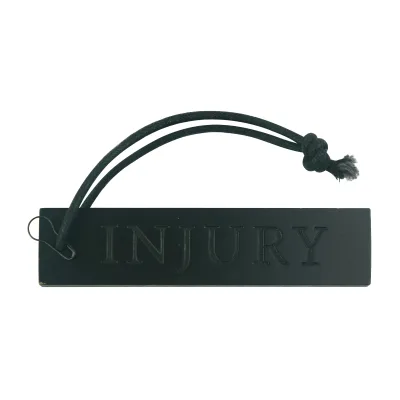


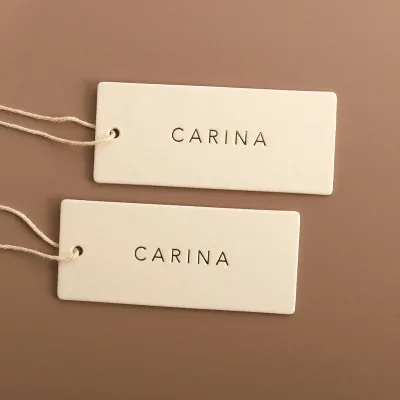

Comprehensive Sourcing Guide
Strategic Sourcing Guide for SGS-Compliant and ISO 9001 Clothing Hangtags
Understanding the Product Landscape and Material Specifications
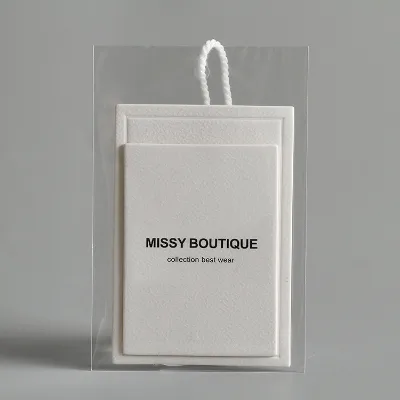
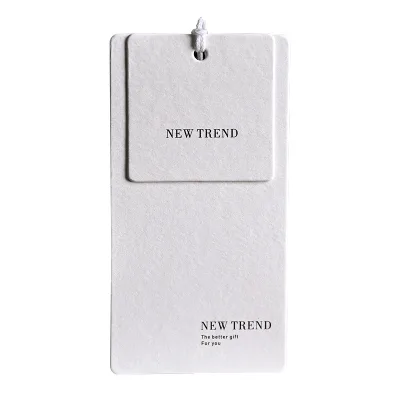
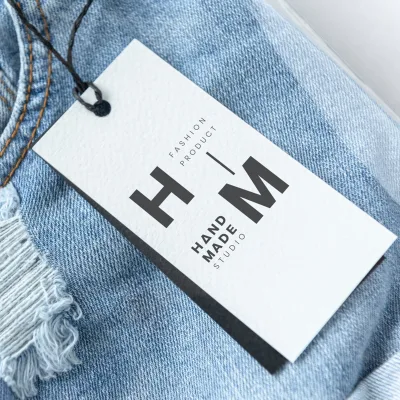
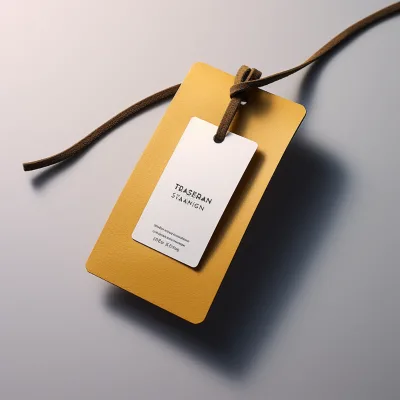
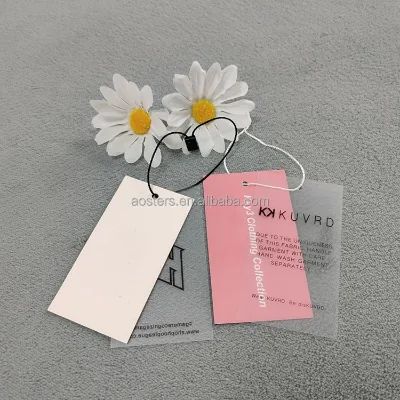
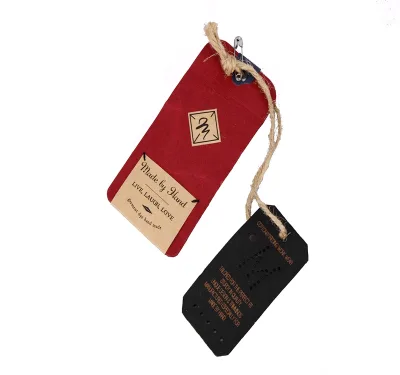
When sourcing clothing hangtags, particularly those referenced under the core keyword "SGS ISO9001 Clothing Hangtag," buyers must first distinguish between the marketing claims often found in listings and the actual physical specifications of the product. The market for garment accessories is vast, ranging from simple paper tags to complex multi-material constructions. Based on observed product data, the primary material for standard hangtags is paper, specifically card, cardboard, and recycled paper variants. These materials are favored for their sustainability profile, with specific attributes listed as "Luxury," "Printed," "Recyclable," "Recyled," and "Sustainable."
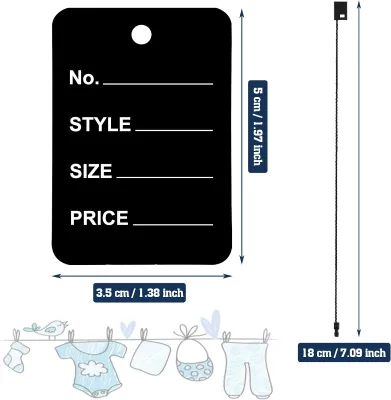
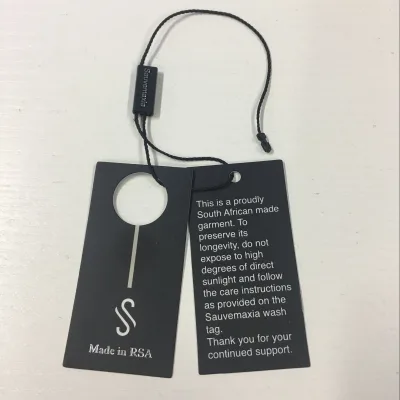
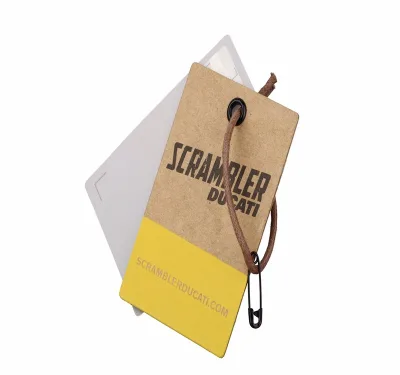
However, the product landscape is not monolithic. Some listings indicate a shift toward mixed-material constructions, including rope, polyester, and plastic components. These materials often appear in tags designed for specific applications such as jeans, DIY projects, bags, overcoats, and suits. The physical dimensions are highly variable; while some products are listed with a single package size of 10x5x0.001 cm, others are specified as 4x12 cm or "Customer Size." This variability underscores the necessity for buyers to define precise dimensional requirements before engaging with suppliers. The "Single volume" and "Single gross weight" fields in some data sets show zero or negligible values, which often indicates that the weight is calculated per unit in a bulk context rather than as a standalone item, or that the data reflects a digital listing error. Buyers should treat these specific numerical observations with caution and verify the actual weight per thousand units during the sampling phase.
Technical Attributes and Manufacturing Processes
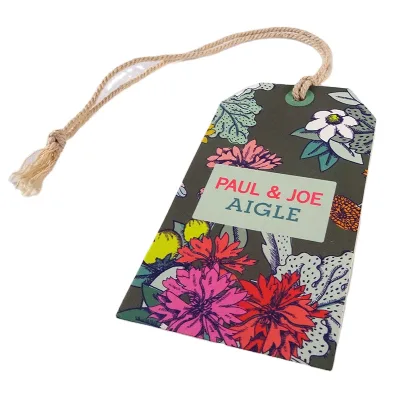
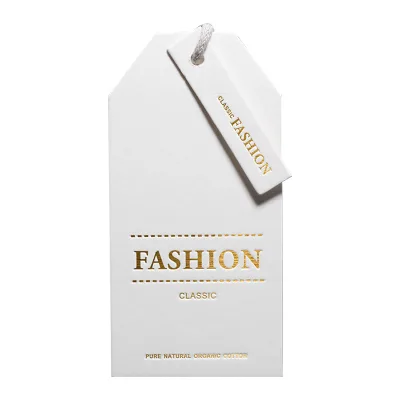
The technical execution of a hangtag is as critical as the material itself. The manufacturing processes observed in the market include embossing, debossing, gilding, and various printing techniques. The "Technics" and "Technic" fields frequently cite "Printed," "Embossed," and "Debossed" as standard finishing options. These processes allow for the creation of textured surfaces and high-end visual effects that align with the "Luxury" attribute often associated with premium garment tags.
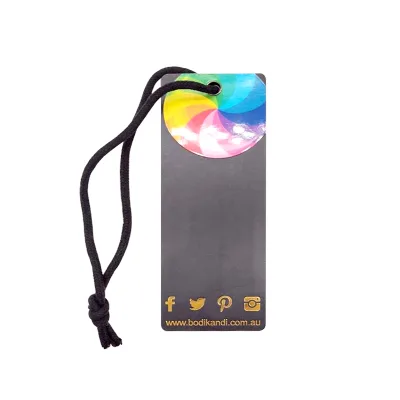
Color customization is a dominant feature in this category. Listings consistently describe the color as "Customized Color," "White," or specific brand-matched hues. The "Logo printing" capability is confirmed as "yes" across multiple entries, with some products offering "3D" logo effects. The "Fold type" is also noted as "custom," suggesting that the structural integrity and folding mechanism of the tag can be tailored to the specific needs of the garment or bag. For instance, tags intended for heavy overcoats may require a stiffer card stock compared to those for lightweight shirts. The "Label Type" is identified as "Main Labels," indicating that these products serve as the primary brand identifier on the finished garment.
The application scope is broad, covering garments, shoes, bags, suits, and coats. This versatility means that a single supplier may offer a wide range of specifications, from simple paper tags to more complex assemblies involving rope or plastic elements. Buyers must ensure that the technical specifications of the tag match the intended use case. For example, a tag for a denim jacket requires different durability and attachment methods than a tag for a silk blouse. The "Product name" often reflects these variations, ranging from generic "Paper Hangtags" to specific descriptions like "Factory sale luxury hang tags for clothes and handbags."
Compliance Verification and Certification Standards
The core keyword "SGS ISO9001 Clothing Hangtag" highlights two critical compliance areas: third-party testing and quality management systems. SGS is a globally recognized inspection, verification, testing, and certification company. When a buyer searches for "SGS," they are typically looking for assurance that the product has undergone rigorous testing for safety, chemical content, or physical durability. However, it is crucial to understand that the presence of a keyword does not guarantee that every listed product has been tested by SGS. Buyers must explicitly request the SGS test report for the specific batch or product model they intend to purchase.
Similarly, ISO 9001 is a standard for quality management systems (QMS), not a product certification. The "Low-confidence background" section of the data mentions ISO 9001 and ISO 9001:2015. This indicates that while some suppliers may claim adherence to these standards, the data does not confirm the status of every listing. ISO 9001:2015 is the current version of the standard, focusing on customer satisfaction and continuous improvement. A supplier with ISO 9001 certification has demonstrated that they have a system in place to manage quality, but it does not automatically mean their specific hangtags are defect-free.
Buyers should verify the following when evaluating compliance:
- SGS Reports: Request the specific report number and verify the scope of testing (e.g., lead content, formaldehyde, tensile strength).
- ISO Certificates: Ask for a valid ISO 9001:2015 certificate issued by an accredited body, and check the validity date and scope of certification.
- Material Safety: Ensure that the paper, inks, and adhesives used meet the environmental and safety regulations of the destination market, such as REACH in Europe or CPSIA in the United States.
The data also lists "Eco-Friendly" and "Recycled" as attributes. While these are positive indicators, buyers should verify the percentage of recycled content and the source of the materials to ensure they align with corporate sustainability goals.
Cost Drivers and Pricing Dynamics
The pricing of clothing hangtags is influenced by several factors, including material composition, printing complexity, order volume, and customization level. The observed price range in the market is between $0 and $3.51 USD. This wide range suggests that the lower end of the spectrum likely represents simple, high-volume paper tags with basic printing, while the higher end may include luxury tags with embossing, gilding, or mixed materials like rope and plastic.
The Minimum Order Quantity (MOQ) is another significant cost driver. The observed MOQ range spans from 1 to 5,000 pieces. Some suppliers accept "Small Orders," which can be beneficial for startups or brands testing new designs. However, a specific listing notes an MOQ of 1,000 pieces, which is a common threshold for achieving economies of scale in printing. Buyers should be aware that ordering below the standard MOQ may result in higher per-unit costs or the imposition of a sample fee.
Other cost factors include:
- Finishing Processes: Embossing, debossing, and gilding add labor and machine time, increasing the unit cost.
- Customization: Custom sizes, custom fold types, and specific color matching require additional setup and tooling.
- Packaging: The "Single package size" varies, affecting shipping costs. Tags packaged in larger boxes (e.g., 20x10x1 cm) may incur higher freight charges than those in compact packaging (10x5x0.001 cm).
- Lead Time: Suppliers with shorter lead times, such as "7 days sample order lead time," may charge a premium for expedited service compared to standard production times of 15-25 days.
Supplier Evaluation and Operational Capabilities
Evaluating a supplier requires looking beyond the product listing to their operational capabilities. The data indicates that suppliers are located in specific regions of China, such as Guangdong and Zhejiang. These regions are known for their textile and printing industries, offering a robust supply chain for garment accessories. However, the specific "Place of Origin" should be verified to ensure it aligns with the buyer's sourcing strategy or any trade compliance requirements.
Key operational factors to evaluate include:
- Sample Availability: Most listings confirm that samples are "Avaialble" (Available). Buyers should request physical samples to assess print quality, material feel, and structural integrity before placing a bulk order.
- Production Time: The standard production time is listed as 15-25 days. Buyers must factor this into their overall supply chain timeline, especially for seasonal collections.
- Brand and Model Identification: Suppliers often use specific model numbers (e.g., WL-A5018-#9748, DL0016, GD-HT002) and brand names (e.g., HC, LEADER, Caidi, Golden Eyes). While these names appear in the data, buyers should not assume a specific brand guarantees quality without independent verification.
- Communication: The ability to communicate effectively regarding custom requirements, such as "Customer Size" or "Customized Color," is essential. Suppliers who are responsive to technical queries are more likely to deliver accurate results.
Quality Control and Inspection Protocols
Implementing a robust quality control (QC) protocol is essential to mitigate risks associated with hangtag procurement. Given the visual nature of the product, QC should focus on print accuracy, color consistency, and material defects.
Pre-Production QC:
- Verify the digital proof against the final artwork.
- Confirm the material batch for consistency in color and texture.
- Check the physical sample for fold strength and attachment hole integrity.
In-Production QC:
- Monitor the printing process for color drift or smudging.
- Inspect the embossing and debossing depth to ensure uniformity.
- Check for any defects in the rope or plastic components if mixed materials are used.
Final Inspection:
- Conduct a random sampling inspection based on AQL (Acceptable Quality Limit) standards.
- Verify the packaging to ensure tags are not damaged during transit.
- Check the "Single gross weight" and "Single volume" to ensure the shipment matches the invoice.
Buyers should also consider third-party inspection services, such as those provided by SGS, to conduct on-site inspections at the factory. This is particularly important for large orders where the cost of defects could be significant.
Long-Term Procurement and Sustainability Considerations
For long-term success, buyers should consider the sustainability and scalability of their hangtag sourcing strategy. The "Recycled" and "Eco-Friendly" attributes observed in the market are increasingly important for brands aiming to reduce their environmental footprint. Buyers should inquire about the source of the recycled paper and the sustainability of the inks and adhesives used.
Scalability is another key consideration. As a brand grows, the demand for hangtags will increase. Buyers should ensure that their supplier can handle volume increases without compromising quality or lead times. The ability to offer "Small Orders" initially allows brands to test the market, but the supplier must be capable of scaling up to larger volumes, potentially up to the 5,000-piece MOQ observed in some listings.
Finally, maintaining a strong relationship with the supplier is crucial. Open communication about design changes, material updates, and quality expectations will help ensure a smooth procurement process. Buyers should also stay informed about changes in international trade regulations and environmental standards that may affect the import of paper and textile accessories. By focusing on these long-term factors, buyers can build a resilient supply chain that supports their brand's growth and values.
FAQs
Can I order small quantities of sgs iso9001 clothing hangtags?
Yes, small orders are accepted by some suppliers in this category. However, standard Minimum Order Quantities often start at 1000 pieces, so you must verify specific vendor policies before purchasing.
What materials are used for luxury clothing hangtags?
Primary materials include paper, card, and cardboard, often marketed as recyclable or sustainable. Some specialized tags also incorporate rope, polyester, or plastic components for durability on heavy garments.
How long does production take for custom hangtags?
Standard production time ranges from 15 to 25 days for bulk orders. Sample orders may be supported with a faster lead time of 7 days, depending on the specific manufacturer.
Which customization options are available for brand logos?
Customization includes logo printing, embossing, debossing, and gilding effects. Buyers can also request specific sizes, fold types, and colors to match their brand identity exactly.
Where are these hangtag manufacturers located?
Manufacturers are primarily located in Guangdong and Zhejiang provinces in China. These regions offer robust supply chains for textile accessories and printing services.
What is the price range for custom clothing hangtags?
The observed price range in the market spans from 0 to 3.51 USD per unit. Final pricing depends heavily on material choice, printing complexity, and order volume.