Source Shockproof Foldable Phone Case with Holder for Travel, Work, and Daily Use
Explore 30 listings for a Shockproof Foldable Phone Case with Holder designed for durability and convenience. Buyers can compare TPU materials, customization options, and features like anti-slip and waterproof protection across various brands; compare the available evidence and request quotations based on your requirements.
Key considerations
Products List


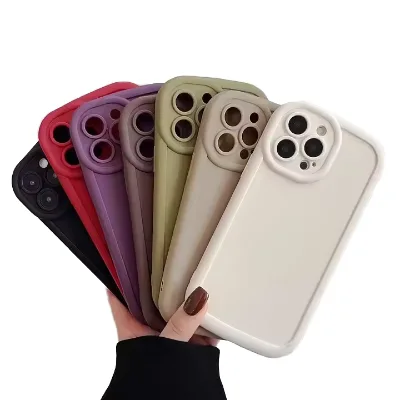
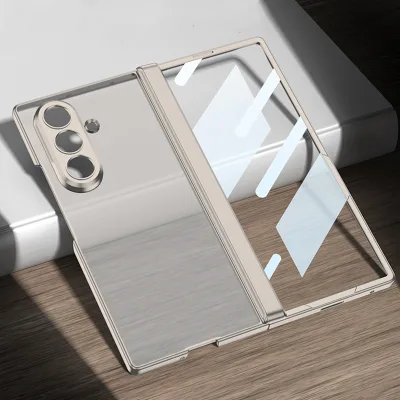
CE Certificated Factory Wholesale High Quality Fold Phone Case with Screen Protector
$5.35 - $5.83
MOQ: 300 Pieces


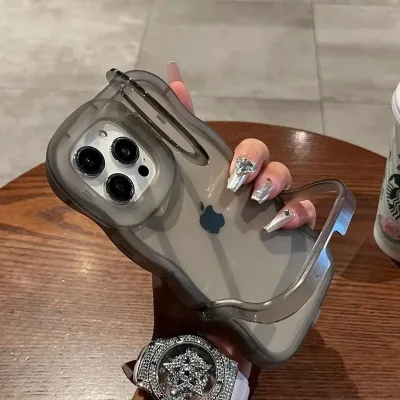
Premium Transparent Anti-Slip Shockproof Phone Case with Camera Protection
$0.55 - $0.60
MOQ: 100 Pieces

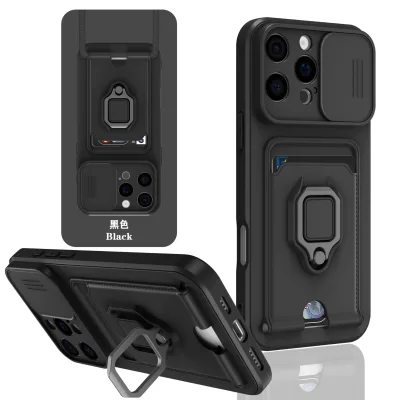
Protective Mobile Case with Ring Phone Cover for iPhone Bracket Phone Case
$0.90 - $1.00
MOQ: 100 Pieces


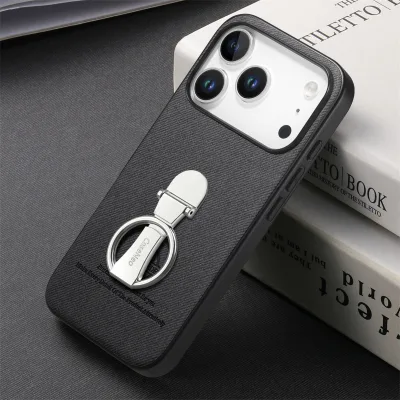
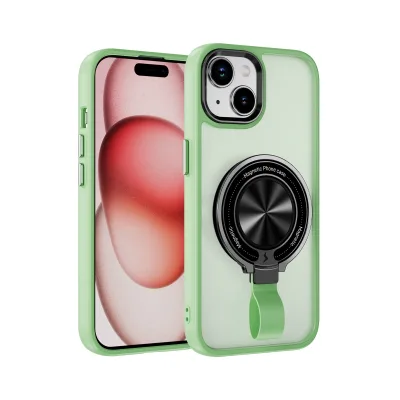
Shockproof Translucent Back Case for iPhone 15 with Rotatable Ring Holder
$0.90 - $1.20
MOQ: 1000 Pieces





Comprehensive Sourcing Guide
Shockproof Foldable Phone Case with Holder Sourcing Guide
Sourcing a Shockproof Foldable Phone Case with Holder requires balancing protective performance with ergonomic utility. Buyers must prioritize cases that offer robust impact resistance while integrating a functional stand or mounting mechanism. The market offers various designs, from simple flip covers to complex multi-position holders, each serving different user needs. Understanding the specific mechanical requirements of the holder is essential, as it directly influences the case’s durability and overall structural integrity.
Procurement teams should evaluate how the holder mechanism interacts with the case’s primary protective features. A well-designed holder must maintain its position under stress without compromising the case’s ability to absorb shocks. This guide outlines the critical technical, compliance, and commercial factors necessary for selecting a reliable supplier. By focusing on verified specifications and rigorous quality control, buyers can mitigate risks associated with product failure and ensure long-term customer satisfaction.
Product Scope and Observed Listing Signals
The observed product landscape includes a variety of mobile phone cases with distinct functional attributes. Listings indicate the presence of models featuring car holders, such as the DZ394CC, which suggests a niche for automotive integration. Other models, like the Anti-Shock Mobile Phone Cases-050N, emphasize impact resistance, a key requirement for foldable devices. The data also reveals a mix of styles, including simplicity, cartoon, and glamorous designs, catering to diverse aesthetic preferences while maintaining core protective functions.
Material composition varies across the observed inventory, with TPU being a prominent choice for its flexibility and durability. Some listings specify biodegradable materials, reflecting a growing trend toward sustainability in consumer electronics accessories. The compatible brands span major manufacturers, including iPhone, Samsung, Xiaomi, and Huawei, indicating a broad market applicability. Buyers should note that while some cases are designed for specific brands, others offer universal compatibility, requiring careful verification of fit and functionality for each target device.
Technical Specifications to Verify
Verifying the hardness and material composition is crucial for ensuring adequate protection. Observed specifications list hardness levels ranging from medium soft to soft, which influences the case’s ability to absorb impact without adding excessive bulk. TPU is frequently cited as the primary material, offering a balance of flexibility and resilience. Buyers must confirm that the material thickness and density are sufficient to protect the delicate screens and hinges of foldable phones, especially when the case is in use with the holder extended.
The integration of the holder mechanism requires precise engineering to ensure stability and ease of use. Specifications should include details on the holder’s load-bearing capacity and its ability to maintain a secure grip on the device. Additionally, features such as anti-slip properties and full-inclusive coverage are vital for preventing accidental drops and ensuring comprehensive protection. Buyers should request detailed technical drawings or prototypes to assess the mechanical reliability of the holder and its compatibility with the case’s folding mechanism.
Compliance and Safety Documentation
Regulatory compliance is a non-negotiable aspect of sourcing mobile phone accessories. The observed data highlights RoHS certification, indicating that the products adhere to restrictions on hazardous substances. This is particularly important for cases containing plastic components, as it ensures environmental safety and market access in regions with strict chemical regulations. Buyers must verify that all materials used, including adhesives and coatings, meet the relevant RoHS standards to avoid legal liabilities and ensure product safety.
ISO9001 certification is another critical document to request, signifying that the supplier follows established quality management principles. This certification suggests a systematic approach to production and quality control, reducing the risk of defects in the final product. Buyers should also inquire about any additional safety tests, such as drop tests or material toxicity assessments, to further validate the product’s safety. Ensuring comprehensive documentation helps in maintaining brand reputation and meeting customer expectations for high-quality, safe accessories.
Cost Drivers and Commercial Terms
Pricing in the observed market ranges from $0.2 to $10, reflecting significant variation based on material quality, design complexity, and order volume. The minimum order quantity (MOQ) typically spans from 10 to 1000 units, offering flexibility for both small-scale trials and large-volume production. Buyers should analyze the cost structure to understand how factors like customization, packaging, and certification impact the final price. Higher MOQs often result in lower unit costs, but buyers must balance this with inventory management risks and cash flow considerations.
Commercial terms also include packaging and shipping logistics, which can affect the total landed cost. Observed packaging options range from individual polybags to PP bags and customized OEM packages, each with different cost implications. Buyers should negotiate clear terms regarding shipping responsibilities, insurance, and delivery timelines to avoid unexpected expenses. Understanding the full cost picture, including potential tariffs and handling fees, is essential for accurate budgeting and profitable sourcing decisions.
Supplier Qualification and Quality Control
Supplier qualification involves assessing the manufacturer’s production capabilities and quality assurance processes. Buyers should verify the supplier’s experience in producing mobile phone cases, particularly those with integrated holders. Requesting samples is a critical step to evaluate the physical quality, fit, and functionality of the product. Suppliers with a history of OEM production, as indicated by the "OEM: Yes" attribute, are likely to have the flexibility and expertise to meet specific buyer requirements.
Quality control measures should be clearly defined and enforced throughout the production process. Buyers should inquire about the supplier’s inspection protocols, including pre-production, during-production, and pre-shipment inspections. Consistent quality is vital to prevent issues such as holder detachment or material degradation over time. Establishing a clear communication channel for addressing defects and implementing corrective actions ensures that the supplier remains accountable for maintaining high standards.
Long-Term Procurement Checks
Long-term success in sourcing depends on continuous monitoring of supplier performance and market trends. Buyers should regularly review supplier metrics, such as on-time delivery rates, defect rates, and responsiveness to issues. Building a strong relationship with the supplier can lead to better pricing, priority production, and access to new designs. Regular audits and feedback sessions help identify areas for improvement and ensure that the supplier remains aligned with the buyer’s quality and service expectations.
Staying informed about industry developments is also crucial for maintaining a competitive edge. Trends such as the adoption of biodegradable materials or new protective technologies can influence product selection and sourcing strategies. Buyers should proactively explore opportunities for innovation and sustainability in their product offerings. By maintaining a flexible and informed sourcing approach, buyers can adapt to changing market conditions and continue to deliver high-quality products to their customers.
FAQs
What materials are used in shockproof foldable phone cases with holder?
Most models listed are made from TPU, a flexible material that supports medium soft or soft hardness for impact cushioning. Some versions also list biodegradable material as an option. Because cases are produced per buyer requirements, you can confirm the exact material composition and hardness with the manufacturer before ordering a sample batch.
Can I customize the design and logo on a Shockproof Foldable Phone Case with Holder?
Yes, customization is available across the listed cases. Suppliers accept customized designs, logos, and sizes, and OEM service is offered, so you can submit your own artwork or specifications. Packaging can also be customized, with options such as polybag, PP bag, or OEM package depending on the model and your branding requirements.
Which phone brands are compatible with these foldable holder cases?
Compatibility varies by model. Some cases are made specifically for iPhone, while other models cover Xiaomi, Samsung, OPPO, iPhone, Huawei, and VIVO. Since size is customized, you can specify the device dimensions you need, and the factory will produce cases matched to the phone models your market requires.
What functions does a Shockproof Foldable Phone Case with Holder provide?
The main function is shock absorbent protection, and several models add waterproof, dirt-resistant, anti-slip, and decorative features. Cases include full-inclusive coverage and anti-slip surfaces, and some versions come with a car holder while others are without one. Privacy filter functionality is also listed for selected models, so review each product listing for the exact function set.
How are the phone cases packed for shipment?
Packing depends on the model selected. Common options include each case packed in a polybag, PP or PP bag packing, and OEM package arrangements. Customized packaging is also available, so if you need retail-ready boxes or branded packing, confirm the format with the supplier when requesting a quotation.
What certifications do these shockproof phone case suppliers hold?
Listed certifications include RoHS and ISO9001, which relate to restricted substances and quality management respectively. Certification coverage can differ between individual products and suppliers, so verify which certificates apply to the specific model you intend to order and request documentation before confirming any purchase agreement.
Can I order samples before committing to a bulk quantity?
Yes, since customization is available and sizes are made to requirement, suppliers typically support sample confirmation before mass production. Minimum order quantities across the listings range from 10 to 1000 pieces, which gives flexibility for trial orders. Discuss sample cost, lead time, and whether sample fees are deductible from a later bulk order.
What is the price range and MOQ for these phone cases?
Listed prices range from 0.2 to 10 USD per unit, and minimum order quantities range from 10 to 1000 pieces depending on the model and customization level. Final pricing depends on material, design complexity, order volume, and packaging choices, so request quotations from multiple suppliers to compare terms for your target specification.