Source Dual Sim Card Smartphone for Business, Travel, and Remote Work
Explore 30 options for the Dual Sim Card Smartphone, featuring models with 4G connectivity, FM radio, and voice mail support. Compare specifications like battery capacity, display types, and SIM configurations to find the right device for your needs; compare the available evidence and request quotations based on your requirements.
Key considerations
Products List


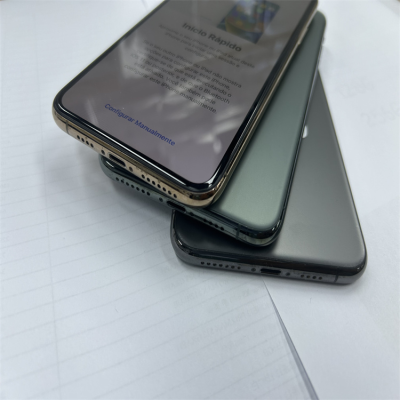
5G Dual SIM Dual Camera Cellphone WiFi Hotspot GPS Smartphone Unlocked(Renewed)
$163.29 - $357.19
MOQ: 1 Minimum


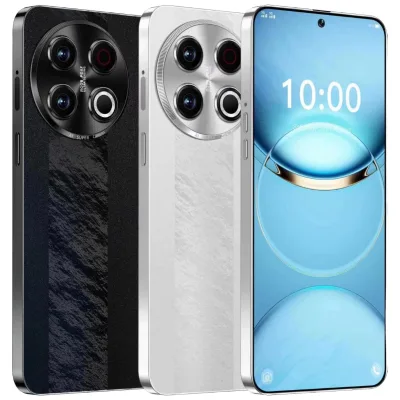
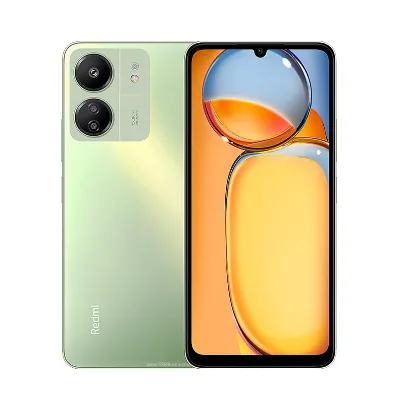


Unlock 6.82 Inch 4GB+64GB 7700mAh Battery Android 4G Volte Smart Mobile Phone
$59.50 - $65.90
MOQ: 100 Pieces

Global 4G Smartphone 4000mAh Battery 13MP Rear Camera Octa Core Smartphone
$45.30 - $47.80
MOQ: 100 Pieces


Comprehensive Sourcing Guide
Dual Sim Card Smartphone Sourcing Guide
Sourcing dual sim card smartphones requires a nuanced understanding of the diverse hardware configurations available in the current market. Buyers must distinguish between standard consumer-grade devices and specialized industrial terminals that offer enhanced durability or specific connectivity features. The observed product landscape includes models ranging from basic wireless phones with common key interfaces to advanced units supporting 4G networks and multiple SIM configurations. This variation necessitates a clear definition of operational requirements before engaging with suppliers, as the functional capabilities of these devices can differ significantly in terms of network compatibility and user interface design.
Procurement teams should also evaluate the extent of customization options provided by manufacturers, as many suppliers offer tailored solutions for specific enterprise needs. Attributes such as voice mail support, SMS functionality, and hands-free capabilities are frequently customizable, allowing businesses to align device features with their internal communication protocols. Additionally, the availability of accessories like telephone headsets or external antennas can impact the total cost of ownership and operational efficiency. Understanding these customization potentials helps buyers select devices that integrate seamlessly into existing workflows without requiring extensive additional infrastructure or software modifications.
Product Scope and Observed Listing Signals
The current market for dual sim card smartphones exhibits a wide price range, typically spanning from approximately seven dollars to over three hundred fifty dollars, reflecting significant variations in build quality and feature sets. Minimum order quantities also vary substantially, starting from single units for sampling purposes up to five thousand units for large-scale deployments. This broad spectrum indicates that buyers can find solutions for both small pilot programs and massive enterprise rollouts, but it also demands careful scrutiny of unit economics and volume discounts. The presence of both single and dual SIM options in listings suggests that buyers must explicitly verify the SIM configuration to ensure it meets their specific connectivity requirements.
Observed listing signals reveal a strong emphasis on wireless and cordless functionality, with many devices operating on frequencies such as 900 MHz or 2.4 GHz, alongside GSM bands. These signals indicate that the product scope extends beyond traditional mobile phones to include specialized communication terminals suitable for office or industrial environments. Features like FM radio support, Bluetooth connectivity, and WiFi hotspot capabilities are commonly highlighted, suggesting that modern dual sim devices often serve as multifunctional communication hubs. Buyers should pay close attention to these auxiliary features, as they can significantly enhance the utility of the device in specific operational contexts, such as providing internet access to multiple users or enabling audio communication through headsets.
Technical Specifications to Verify
When evaluating technical specifications, buyers must prioritize network compatibility and SIM card support to ensure seamless integration with existing telecommunications infrastructure. The observed data indicates that devices may support various GSM frequencies, including 850, 900, 1800, and 1900 MHz, which is critical for international or multi-region deployments. Additionally, the distinction between single and dual SIM configurations is paramount, as it directly impacts the device's ability to manage multiple phone numbers or carrier plans. Buyers should verify whether the device supports network locking options, as this can affect flexibility in choosing service providers and may incur additional costs if unlocking is required later.
Display and interface specifications are another critical area for verification, as they influence user experience and operational efficiency in high-volume environments. Some models feature color TFT screens, while others may rely on simpler displays or even lack touch screens entirely, depending on the intended use case. The presence of physical keypads versus touch interfaces can also affect durability and ease of use, particularly in industrial settings where gloves or harsh conditions are common. Furthermore, battery capacity and type, such as lithium-ion rechargeable options, should be assessed to ensure adequate power management for extended shifts or remote operations without frequent recharging.
Compliance and Safety Documentation
Compliance with regional safety and electromagnetic compatibility standards is essential for importing and deploying dual sim card smartphones in various markets. Buyers must ensure that suppliers provide documentation confirming adherence to relevant regulations, such as CE, FCC, or RoHS certifications, depending on the destination country. These certifications verify that the devices meet strict limits on electromagnetic interference and hazardous substances, protecting both users and the environment. Without proper compliance documentation, shipments may be delayed at customs or rejected, leading to significant logistical disruptions and financial losses for the procurement team.
Safety documentation also includes information on battery safety and power adapter specifications, which are crucial for preventing hazards such as overheating or electrical faults. The observed data mentions power adapters with specific voltage and current ratings, such as 5V/1A, which buyers should cross-reference with local electrical standards to ensure compatibility. Additionally, warranty terms, often listed as one year for many devices, provide a safety net for defective products, but buyers should clarify the scope of coverage and the process for claims. Understanding these compliance and safety requirements helps mitigate risks associated with product liability and ensures that the devices can be legally and safely operated in the target market.
Cost Drivers and Commercial Terms
Several factors influence the total cost of dual sim card smartphones, including the complexity of the hardware, the extent of customization, and the volume of the order. Basic models with standard features tend to be more affordable, while devices with advanced capabilities like 4G connectivity, WiFi hotspots, or specialized antennas command higher prices. Customization options, such as branding, language support, or specific accessory bundles, can also add to the unit cost, so buyers should carefully evaluate which features are essential versus optional to optimize their budget. Additionally, packaging requirements, ranging from standard cartons to gift boxes, can impact shipping costs and handling efficiency, particularly for large orders.
Commercial terms, including payment methods, lead times, and shipping arrangements, play a significant role in the overall procurement strategy. Buyers should negotiate clear terms regarding production lead times to align with their deployment schedules and avoid stockouts or excess inventory. Shipping costs can vary based on the weight and dimensions of the packaging, so understanding the packing specifications, such as units per carton and total weight, is crucial for accurate logistics planning. Furthermore, buyers should inquire about bulk discounts and volume-based pricing tiers to maximize cost savings, especially when placing large orders that exceed standard minimum order quantities.
Supplier Qualification and Quality Control
Supplier qualification is a critical step in ensuring the reliability and consistency of Dual Sim Card Smartphone supplies. Buyers should verify the supplier's manufacturing capabilities, quality management systems, and track record in producing similar devices. This includes assessing their ability to meet specific technical requirements and customization requests, as well as their responsiveness to issues or delays. Suppliers with established quality control processes are more likely to deliver products that meet the specified standards, reducing the risk of receiving defective or non-conforming goods. Additionally, checking for certifications related to manufacturing quality, such as ISO standards, can provide further assurance of the supplier's commitment to excellence.
Quality control measures should be implemented throughout the production and shipping process to maintain product integrity. Buyers may consider conducting pre-shipment inspections to verify that the devices meet the agreed-upon specifications, including functional tests of SIM card slots, network connectivity, and accessory compatibility. Establishing clear acceptance criteria and defect tolerance levels in the purchase agreement helps manage expectations and provides a basis for resolving disputes. Furthermore, maintaining open communication with the supplier regarding any quality concerns allows for timely corrective actions, ensuring that the final delivered products meet the buyer's operational needs and performance expectations.
Long-Term Procurement Checks
Long-term procurement success depends on establishing robust mechanisms for ongoing supplier performance evaluation and product lifecycle management. Buyers should regularly review supplier metrics, such as on-time delivery rates, defect rates, and responsiveness to support requests, to identify potential issues early. This continuous monitoring helps maintain a high standard of service and ensures that the supplier remains aligned with the buyer's evolving needs. Additionally, staying informed about technological advancements and market trends in the dual sim smartphone sector allows buyers to anticipate changes in product availability and pricing, enabling proactive adjustments to their sourcing strategy.
Product lifecycle management involves planning for the eventual obsolescence of devices and ensuring a smooth transition to newer models. Buyers should work with suppliers to understand the expected lifespan of the products and the availability of spare parts or accessories over time. This foresight helps minimize downtime and maintenance costs associated with aging devices. Furthermore, establishing a feedback loop with end-users can provide valuable insights into device performance and usability, informing future procurement decisions and helping to refine specifications for subsequent orders. By focusing on long-term relationships and strategic planning, buyers can optimize their total cost of ownership and ensure sustained operational efficiency.
FAQs
What functions do these dual sim phones support?
These devices support common key phone, caller number presentation, SMS, and wireless calling. Some models include handsfree capabilities and voice mail support. The ETS-6588 offers DTMF dialing, while the 6688 4G adds Bluetooth, MP3, and FM radio. The ETS-602 includes recording features. All units provide essential communication tools for business or personal use.
Can I customize the packaging for bulk orders?
Yes, customization is available for these dual sim card smartphones. The ETS-6588 uses standard carton packing at 7.50kg per unit. The 6688 4G features standard packing, while the ETS-602 comes in larger cartons containing 20 units. The 6688V offers gift box options. Buyers can select from pallet, carton, or gift box configurations based on their specific distribution needs.
What is the warranty period for these phones?
The warranty period is one year for these devices. This coverage applies to the dual sim card smartphones manufactured in China. The 6688 4G model explicitly states a one-year warranty. Buyers should verify specific terms with suppliers, as conditions may vary. This standard warranty ensures protection against manufacturing defects during the initial year of operation.
Which network frequencies are supported by these models?
The ETS-602 supports GSM 850/900/1800/1900MHz frequencies. The ETS-6588 operates on 900 MHz cordless telephone frequency. The 6688 4G model utilizes 2.4 GHz frequency. These specifications ensure compatibility with various regional networks. Buyers should confirm frequency requirements with suppliers to ensure seamless integration with their existing telecommunications infrastructure.
Are these phones suitable for international markets?
Yes, these phones support multiple languages including English, Spanish, French, Arabic, Dutch, and Italian. The ETS-602 model explicitly lists these language options. This feature makes them suitable for diverse international markets. The dual sim capability further enhances their utility for global users. Buyers targeting specific regions should verify language and frequency compatibility with suppliers.