Source Dual Sim Card Android Smartphone for Business, Travel, and Daily Use
Explore 30 Dual Sim Card Android Smartphone options with varying specs like RAM, storage, and battery capacity. Buyers can compare features including screen size, camera resolution, and network standards to find suitable devices for diverse needs; compare the available evidence and request quotations based on your requirements.
Key considerations
Products List


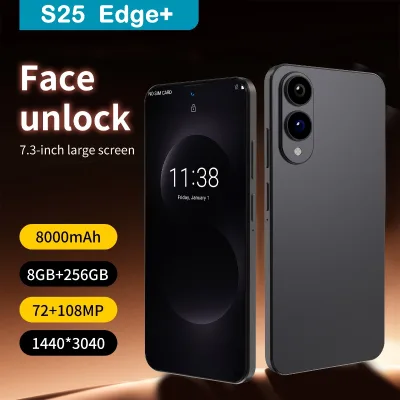
OEM Unlocked 6inch 4G LTE 3GB+32GB 8MP Triple Camera Quad Core Android 13 Smartphone
$59.00 - $68.00
MOQ: 1000 Pieces

6.7 Inch Screen Android Smartphone Dual SIM 4000mAh 4G Smart Mobile Phone
$54.80 - $58.80
MOQ: 20 Pieces


Comprehensive Sourcing Guide
Dual Sim Card Android Smartphone Sourcing Guide
Sourcing dual sim card android smartphones requires a strategic balance between connectivity flexibility and hardware reliability, particularly for markets where travelers or multi-line users demand seamless switching between carriers. The observed product landscape reveals a wide spectrum of devices, ranging from basic feature-style bars with limited processing power to advanced smart phones equipped with quad-core processors and large displays. Buyers must first define their target demographic, as the technical requirements for a rugged business device differ significantly from those of an entry-level media consumption phone. Understanding these distinctions is crucial for aligning procurement goals with the specific capabilities observed in current listings, ensuring that the selected devices meet the functional expectations of the end-user without over-specifying unnecessary features that drive up costs.
The market data indicates a high degree of customization availability, allowing buyers to tailor devices for specific regional networks or branding needs. With observed specifications ranging from 768MB RAM and 512MB ROM in older models to 3GB RAM and 64GB ROM in newer iterations, the choice of internal architecture directly impacts performance and price. Furthermore, the presence of both TFT and IPS screen materials suggests variations in display quality and durability that must be evaluated based on the intended use case. Buyers should prioritize devices that offer the necessary network standards, such as GSM, 3G, and 4G LTE, while also considering the physical design, such as removable batteries for extended field use or sleek glass backs for premium aesthetics, to ensure the final product aligns with brand identity and user convenience.
Product Scope and Observed Listing Signals
The current market for dual sim card android smartphones exhibits a diverse range of form factors and specifications, reflecting varied consumer needs and price points. Observed listings include devices with screen sizes spanning from compact 3.1-3.5 inch displays to expansive screens larger than 6.1 inches, catering to both portable utility and multimedia consumption. The design styles vary from traditional bar configurations to modern smart phone aesthetics, with some models featuring plastic, metal, and glass back covers for enhanced durability and visual appeal. This variety allows buyers to select devices that match specific market segments, whether targeting budget-conscious users who prioritize battery life and basic functionality or premium users who demand high-resolution displays and advanced camera systems for social media and content creation.
Connectivity and storage capabilities are key differentiators in the observed product range, with many devices supporting SIM card slots for dual network access and expansion via memory cards. The presence of Type-C data interfaces indicates a shift towards modern charging and data transfer standards, enhancing user convenience and device longevity. Additionally, the inclusion of pre-installed applications such as WhatsApp, Facebook, TikTok, and YouTube suggests that many devices are optimized for immediate social connectivity out of the box. Buyers should note the variation in camera resolutions, from basic 0.3MP front cameras to high-end 8.01MP-13MP rear cameras, which significantly influences the device's suitability for video calls, photography, and content sharing. These signals help in narrowing down the product scope to match specific operational requirements and user expectations.
Technical Specifications to Verify
When evaluating dual sim card android smartphones, verifying the processor architecture and memory configuration is essential to ensure adequate performance for intended applications. The observed data highlights a range from Mediatek Mt6737m chips in entry-level models to quad-core processors in more advanced units, which directly impacts multitasking capabilities and app responsiveness. Buyers must confirm the RAM and ROM capacities, as devices with 768MB RAM and 512MB ROM may struggle with modern applications compared to those with 3GB RAM and 64GB storage. It is critical to verify that the operating system is a genuine Android version compatible with required apps, and to check for the presence of essential sensors like gravity sensors for screen orientation and navigation technologies such as GPS for location-based services, ensuring the device functions reliably in real-world scenarios.
Display quality and battery life are other critical technical aspects that require careful verification to prevent post-purchase dissatisfaction. The observed screen materials include both TFT and IPS panels, with resolutions ranging from QVGA to HVGA, which affects clarity and viewing angles. Buyers should inspect the screen size and border width, as narrower borders contribute to a more modern aesthetic and better usability. Additionally, the battery capacity, observed between 2001mAh and over 3000mAh, along with the removability of the battery, plays a significant role in device longevity and user convenience. Confirming the network standard support, including GSM, 3G, 4G, and potentially CDMA, ensures that the device will operate correctly in the target region, while verifying Wi-Fi standards like IEEE 802.11 A/B/G/N/AC guarantees robust wireless connectivity for data-intensive tasks.
Compliance and Safety Documentation
Ensuring that dual sim card android smartphones comply with international safety and electromagnetic compatibility standards is a fundamental requirement for global distribution. Buyers must request documentation verifying that devices meet the regulatory requirements of their target markets, such as CE for Europe, FCC for the United States, or other regional certifications. Although specific certification statuses are not detailed in the observed data, it is imperative to confirm that manufacturers provide valid test reports for radio frequency emissions, electrical safety, and battery integrity. This documentation protects against customs delays, legal liabilities, and potential recalls, ensuring that the imported devices are safe for consumer use and adhere to local laws regarding electronic waste and hazardous substances.
In addition to regulatory compliance, verifying the authenticity of the operating system and pre-installed software is crucial for maintaining user trust and security. Devices listing pre-installed apps like WhatsApp, Facebook, and TikTok should be checked to ensure these applications are sourced from official stores and are free from malware or unauthorized modifications. Buyers should also inquire about the warranty terms and after-sales support provided by the supplier, as these factors influence the long-term reliability of the product. Clear documentation on software updates and security patches is essential, particularly for devices running Android, to mitigate vulnerabilities and ensure that the smartphones remain secure and functional over their lifespan. This diligence helps in building a reputable brand image and reducing customer support burdens.
Cost Drivers and Commercial Terms
The pricing of dual sim card android smartphones is influenced by several key factors, including the complexity of the hardware, the quality of components, and the level of customization required. Observed price ranges vary significantly, reflecting differences in specifications such as screen size, camera resolution, and processing power. Buyers should analyze the cost structure to understand how attributes like IPS screens, larger batteries, and higher RAM capacities impact the final unit price. Additionally, the availability of customization options, such as branding or pre-loaded software, may incur additional fees that should be factored into the total procurement budget. Understanding these cost drivers allows buyers to negotiate effectively and select devices that offer the best value for money without compromising on essential features.
Commercial terms, including minimum order quantities (MOQ) and payment conditions, play a vital role in the procurement process. The observed MOQ range of 1 to 5000 units provides flexibility for both small-scale trials and large-volume orders, enabling buyers to manage inventory risks and cash flow efficiently. It is important to clarify the packaging details, such as gift box inclusion, and any associated costs for bulk shipping and logistics. Buyers should also negotiate lead times and delivery schedules to ensure timely receipt of goods, especially when dealing with seasonal demand or promotional campaigns. Clear communication regarding return policies and defect rates is essential to mitigate financial risks and ensure a smooth transaction process, fostering a reliable partnership with the supplier.
Supplier Qualification and Quality Control
Selecting a reliable supplier for dual sim card android smartphones requires a thorough assessment of their manufacturing capabilities and quality control processes. Buyers should verify the supplier's production capacity, factory certifications, and history of exporting to similar markets to ensure consistency and reliability. It is advisable to request samples for rigorous testing before committing to large orders, allowing for an evaluation of build quality, software stability, and network compatibility. Establishing clear communication channels and understanding the supplier's response time to inquiries or issues is crucial for maintaining a productive business relationship. Due diligence in supplier qualification helps in identifying partners who can meet volume demands while adhering to quality standards and ethical manufacturing practices.
Implementing a robust quality control protocol is essential to minimize defects and ensure customer satisfaction. Buyers should define acceptable quality limits (AQL) and conduct pre-shipment inspections to verify that the products meet the specified technical and aesthetic requirements. This includes checking for physical defects, verifying the functionality of dual SIM slots, cameras, and connectivity features, and ensuring that the packaging is secure and compliant with shipping standards. Collaborating with the supplier to address any identified issues promptly can prevent widespread defects and reduce the need for returns or replacements. A proactive approach to quality control not only protects the buyer's brand reputation but also enhances operational efficiency by reducing the administrative burden of handling faulty products.
Long-Term Procurement Checks
Maintaining a successful procurement strategy for dual sim card android smartphones involves continuous monitoring of market trends and supplier performance. Buyers should regularly review product specifications and pricing to ensure they remain competitive and aligned with evolving consumer preferences. Tracking the performance of devices in the field, including customer feedback and return rates, provides valuable insights for future purchasing decisions. It is also important to stay informed about changes in network technologies and regulatory requirements that may impact device compatibility and compliance. By staying agile and responsive to market dynamics, buyers can optimize their inventory and avoid obsolescence, ensuring that the products offered remain relevant and desirable to end-users.
Building a long-term relationship with suppliers based on mutual trust and transparency is key to sustaining procurement success. Regularly engaging in performance reviews and discussing future product roadmaps can help in aligning expectations and fostering innovation. Buyers should also explore opportunities for co-development or exclusive branding to differentiate their offerings in a crowded market. Additionally, diversifying the supplier base can mitigate risks associated with supply chain disruptions or quality issues. By focusing on strategic partnerships and continuous improvement, buyers can secure a steady supply of high-quality dual sim card android smartphones that meet the needs of their customers and drive business growth in the long run.
FAQs
What network standards do these dual sim phones support?
These devices support GSM, 3G, and 4G LTE network standards. Some models also include CDMA compatibility for broader regional coverage. This ensures reliable connectivity across various carrier networks while maintaining dual SIM functionality for users needing multiple lines.
Can I expand the storage on these Android smartphones?
Yes, storage expansion is supported on these devices. This feature allows users to increase capacity beyond the internal ROM, which ranges from 512MB to 2GB depending on the specific model. It provides flexibility for adding apps and media without needing external drives.
Which battery capacity options are available for these phones?
Battery capacities range from 2001mAh to over 3000mAh across different models. Some units feature removable batteries for easy replacement, while others have non-removable designs. This variety ensures users can select a device matching their specific power consumption needs and usage patterns.
What screen sizes are offered for these dual sim devices?
Screen sizes vary between 3.1 to 3.5 inches for compact models and exceed 6.1 inches for larger displays. The screens utilize TFT or IPS technology with resolutions like QVGA or HVGA. This range accommodates different user preferences for portability versus media consumption capabilities.
How many SIM card slots do these Android phones have?
All listed models feature two SIM card slots for dual SIM functionality. This allows users to manage two separate phone numbers or data plans simultaneously. The design supports standard SIM cards, enabling flexible communication options for business or personal use without needing multiple devices.
Are these smartphones customizable for specific business requirements?
Customization is available for these Android smartphones to meet specific business needs. Buyers can request tailored configurations or branding options depending on the supplier. This flexibility supports bulk orders where unique features or pre-installed applications like WhatsApp or Facebook are required for corporate deployment.