Source Silicone Rubber Phone Case for Gifts, Decor, and Daily Use
Find 30 listings for Silicone Rubber Phone Case options featuring custom logo printing, eco-friendly materials, and universal fit. Compare specifications like size, hardness, and packaging details to identify suitable suppliers for promotional items and daily accessories; compare the available evidence and request quotations based on your requirements.
Key considerations
Products List


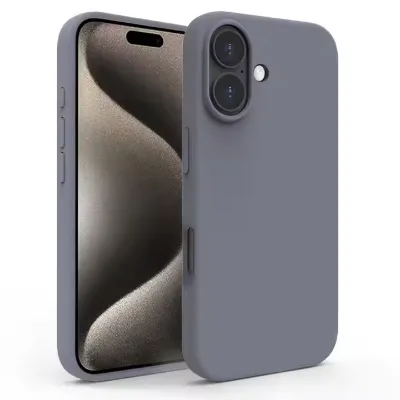


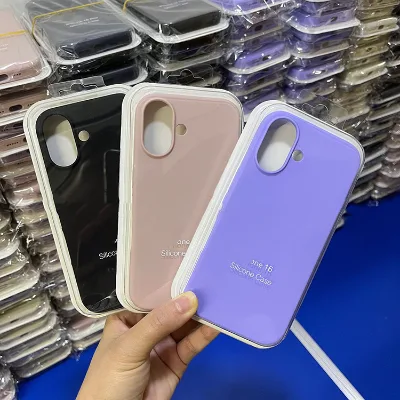


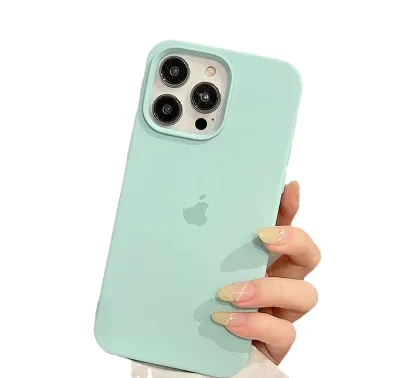
Comprehensive Sourcing Guide
Silicone Rubber Phone Case Sourcing Guide
Buyers evaluating silicone rubber phone cases must first distinguish between general protective covers and specialized promotional items, as the market offers distinct product categories with varying utility. The observed listings indicate a strong presence of novelty items designed for festival occasions and daily use, often featuring human shapes or fashion-forward designs that prioritize aesthetic appeal over heavy-duty protection. Procurement teams should verify whether the specific unit required is a standard electronic product case or a customized advertising tool, as the material composition and attachment methods differ significantly between these two functional classes.
The supply chain for these items frequently supports high-volume customization, with suppliers offering logo printing and customer design services to meet specific branding needs. While some listings highlight radiation-proof characteristics and eco-friendly attributes, these claims require rigorous validation against the specific batch being ordered, as product attributes are often observed rather than universally guaranteed across all SKUs. Buyers must carefully review the attachment mechanisms, such as 3m glue or specific case structures, to ensure compatibility with the intended device and usage environment before committing to a large order.
Product Scope and Observed Listing Signals
The observed product range spans from basic mobile phone holders to specialized cases with unique shapes, including human figures and multi-color options that cater to diverse consumer preferences. Listings frequently mention customization availability, allowing buyers to request specific sizes or designs, though the standard dimensions observed often hover around 87*57mm or 202x12x2mm depending on the specific model. This variability suggests that buyers should not assume a one-size-fits-all approach but rather confirm the exact physical specifications required for their target market or promotional campaign.
Commercial signals in the market indicate a flexible approach to order quantities, with minimum order quantities ranging from single units for samples to 1000 pieces for bulk production. The presence of express shipping options for small orders via carriers like DHL or UPS highlights the industry's readiness to support rapid prototyping and urgent small-batch needs. However, buyers must remain vigilant regarding the distinction between sample lead times, which can vary between 3 to 7 days, and the production capacity of suppliers, which may be advertised as high but requires confirmation for specific custom designs.
Technical Specifications to Verify
Technical verification begins with confirming the material composition, as listings cite both pure silicone and silicone resin, which offer different hardness levels and durability profiles. Buyers should explicitly request hardness specifications, noting that some products are described as partially hard, which impacts the tactile feel and protective capability of the case. It is critical to validate whether the material meets the specific functional requirements, such as waterproofing or decoration, as these features are not inherent to all silicone products and must be confirmed through technical data sheets or physical testing.
Dimensional accuracy is another critical specification, with observed models ranging from compact 87*57mm units to larger 202x12x2mm variants, often tied to specific product codes like AG_cover_130847 or AL_cover1108. Procurement teams must ensure that the customer size requirements align with the actual product dimensions, as some listings suggest cheaper advertising products with non-standard sizing. Additionally, the attachment method, whether it involves 3m glue or a specific case structure, must be verified to ensure it remains secure under the intended usage conditions, particularly for items marketed as having a car holder function or lacking one.
Compliance and Safety Documentation
Compliance verification is essential when sourcing silicone products, as the market lists certifications such as RoHS and ISO9001, which indicate adherence to environmental and quality management standards. Buyers should request current certification documents for the specific production batch, as these credentials are not automatically transferable across all product lines or manufacturing facilities. The presence of these certifications suggests a baseline commitment to safety, but they do not guarantee that every individual item in a large order will meet the same rigorous standards without independent verification.
Safety documentation should also address the specific chemical composition of the silicone resin or rubber used, particularly regarding potential allergens or toxic substances. While some products are marketed as eco-friendly, this claim requires substantiation through material safety data sheets that confirm the absence of harmful phthalates or heavy metals. Buyers must ensure that the supplier can provide test results for the specific product model, as the "eco-friendly" attribute may vary based on the dyeing process or the specific additives used in the manufacturing of the silicone material.
Cost Drivers and Commercial Terms
Cost structures for silicone phone cases are heavily influenced by the level of customization required, including logo printing, unique shapes, and specific color combinations. The observed price range of 0.1 to 6 USD reflects the spectrum from basic, unbranded items to highly customized, novelty products with complex designs. Buyers should anticipate that orders requiring custom molds or specialized printing processes will incur higher unit costs, and these expenses should be factored into the total landed cost calculation before negotiating final pricing.
Commercial terms often default to EXW-Factory, placing the responsibility for logistics and shipping costs on the buyer, which can significantly impact the overall budget. The observed fast service capability of 20,000 pieces per day suggests that suppliers can handle large volumes, but this capacity may come with constraints on lead times for custom orders. Buyers must clarify the sample time, which ranges from 3 to 7 days, and understand how this affects the overall project timeline, especially when coordinating with marketing campaigns or product launches that have fixed deadlines.
Supplier Qualification and Quality Control
Supplier qualification should focus on verifying the production capacity and the consistency of their quality control processes, particularly for high-volume orders. The observed capability of producing 20,000 pieces per day indicates a robust manufacturing setup, but buyers must confirm that this capacity is maintained without compromising on the quality of customization or material integrity. It is advisable to request a detailed quality control plan that outlines how defects are identified and managed, ensuring that the final product meets the specified standards for hardness, attachment strength, and visual appearance.
Quality control measures must also address the variability in product attributes, as observed listings show differences in features like radiation-proofing or eco-friendliness that may not apply to every unit. Buyers should implement a sampling protocol that tests a representative batch of the order for key performance indicators, such as the durability of the 3m glue attachment or the accuracy of the logo printing. Establishing clear acceptance criteria based on the specific product model and its intended use will help mitigate the risk of receiving substandard goods that fail to meet the buyer's expectations.
Long-Term Procurement Checks
Long-term procurement success relies on establishing a consistent relationship with suppliers who can maintain quality and delivery performance over time. Buyers should conduct periodic audits of the supplier's production lines to ensure that the manufacturing processes remain stable and that the materials used continue to meet the agreed-upon specifications. This ongoing monitoring is crucial for maintaining the integrity of the product, especially when dealing with custom designs that require precise execution and consistent material properties.
Regular performance reviews should also include an assessment of the supplier's responsiveness to changes in demand or design requirements, as the market for silicone phone cases is dynamic and subject to shifting trends. Buyers must ensure that the supplier can adapt to new customization requests or volume fluctuations without significant delays or quality degradation. By maintaining open communication and setting clear expectations for future orders, buyers can secure a reliable supply chain that supports their long-term business goals and market competitiveness.
FAQs
Can I customize the logo on silicone rubber phone cases?
Yes, logo printing is available for these silicone rubber phone cases. The customization process supports customer designs and OEM orders. You can choose from various styles and colors to match your brand identity. This service allows for unique branding on the final product, ensuring your marketing message stands out effectively to end users.
What is the typical sample time for these phone cases?
The sample time typically ranges from 3 to 7 days. This duration allows for the creation of prototypes based on your specific requirements. It ensures that you can review the quality, fit, and design before committing to a larger production run. This quick turnaround helps accelerate your product development timeline efficiently.
What certifications do these silicone cases meet?
These silicone rubber phone cases meet RoHS and ISO9001 standards. These certifications ensure that the materials are safe and the manufacturing process follows quality management principles. This compliance is crucial for international trade and helps assure buyers of the product's safety and reliability. It supports market entry in regions with strict regulatory requirements.
What is the minimum order quantity for these cases?
The minimum order quantity is 500 pieces. This MOQ applies to standard orders and allows for manageable initial purchases. It balances cost efficiency with flexibility for new buyers. Larger orders may benefit from economies of scale, but this starting point enables testing the market with a reasonable investment in inventory.
How are these phone cases packaged for shipment?
Each case is packed in a polybag, with 100 pieces per big bag. This packaging method protects the items during transit and storage. It also facilitates easy counting and inventory management. The flexible packing options can be adjusted to meet specific buyer requirements, ensuring the products arrive in good condition.
What is the production capacity for these silicone cases?
The production capacity is 20,000 pieces per day. This high output rate ensures timely delivery for large orders. It supports consistent supply for bulk purchases and helps meet tight deadlines. The efficient manufacturing process allows for scaling production as needed, providing reliability for ongoing business requirements and seasonal demand spikes.