Source Silicone Rubber Adhesion Promoter Primer for Woodworking, Construction, and Footwear
Find 30 listings for Silicone Rubber Adhesion Promoter Primer designed for bonding plastic, metal, and rubber substrates. Buyers can compare specifications, prices, and customization options from verified suppliers offering fast-drying solutions.
Key considerations
Products List


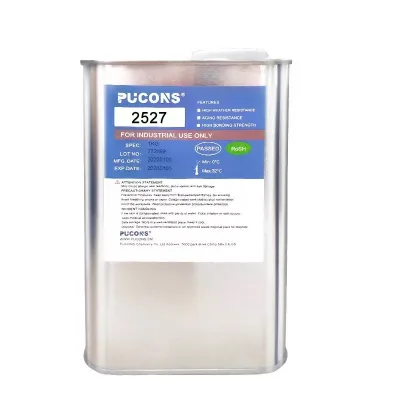
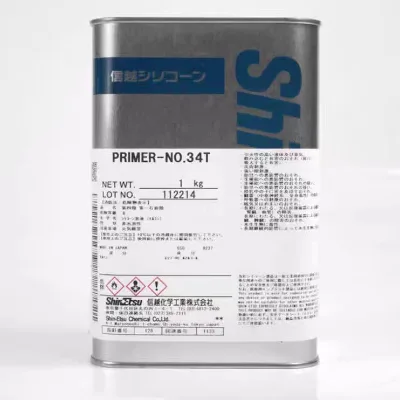


Excellent Adhesion Promoter 3m Tape Primer 94 Adhesion Promoter for Adhesive Tape
$14.25 - $15.00
MOQ: 100 piece


High Performance Adhesion Promoter Adhesive Primer for Plastic & Automotive Tape
$0.60 - $1.50
MOQ: 100 Pieces


Comprehensive Sourcing Guide
Strategic Sourcing Guide for Silicone Rubber Adhesion Promoter Primers
Understanding the Technical Landscape of Adhesion Promoters
When sourcing silicone rubber adhesion promoter primers, buyers must first distinguish between the chemical mechanisms that enable bonding. The core keyword "silicone rubber adhesion promoter" often points to specialized formulations designed to modify surface energy, allowing silicone substrates to bond with metals, plastics, or other dissimilar materials. Based on available product data, the market offers primers with diverse compositions, ranging from organic materials to specific epoxy and silicone-based chemistries. For instance, some formulations are explicitly classified as "Silicone primer" while others utilize "Epoxy" as a main raw material, indicating that the selection process requires careful verification of the chemical base against the specific substrate.
The morphology of these products is frequently observed as "Solvent" based, which implies a liquid application method that relies on evaporation to leave behind the active adhesive components. This solvent-based nature often correlates with "Fast Drying" characteristics, a critical factor for production lines requiring rapid turnaround. However, the drying time and curing speed are not universal; while some products boast a "Full Cure Time" of merely 2 minutes, others may require longer periods depending on the ambient conditions. The application effect is consistently noted as "Bond Strength Improvement" and "Surface Pretreatment," confirming that the primary function is to prepare the surface rather than act as the structural adhesive itself.
Critical Technical Specifications and Compatibility
Selecting the correct primer hinges on verifying substrate compatibility and physical specifications. The supplied data indicates a broad range of compatible materials, including "PP, PE, Plastic, Rubber, Metal, Tape, Pet Film." This versatility suggests that a single product might not be suitable for all scenarios, and buyers must cross-reference the specific polymer type of their silicone rubber with the primer's compatibility list. For example, while a primer may work well on metal, its efficacy on specific polyolefins like PP or PE must be confirmed through technical data sheets.
Temperature resistance is another pivotal specification. Most observed products operate at "Normal Temperature Operation," which is sufficient for general assembly but may be inadequate for high-heat environments. Buyers should verify if the primer maintains its integrity under the thermal stress of the final application. Furthermore, the "Corrosion Performance" is a key safety metric; the data highlights "Non-Corrosive" attributes, which is essential for protecting sensitive electronic components or metal substrates from degradation.
The physical form and packaging also influence the procurement decision. Products are available in various configurations, such as "15ml Glass Bottle with Applicator Brush" or larger volumes like "1kg/Piece" and "946ml" containers. The packaging standard varies significantly, with some boxes containing "50 bottles per box" while others utilize bulk packaging. The "Net Weight" data reveals a wide spectrum of options, ranging from 0.27 Kg to 17.24 Kg, allowing buyers to match the order size to their production volume. The color of the primer, observed as "Yellow" in some instances, can serve as a visual indicator of the product's state or specific formulation, aiding in quality checks during application.
Compliance, Safety, and Regulatory Considerations
In the B2B procurement of chemical products, compliance and safety are non-negotiable. While the supplied data does not list specific third-party certifications, buyers must rigorously verify that the product meets international safety standards for handling and disposal. The "Clean-up" method for some products is listed as "Acetone Solvent," which necessitates strict adherence to safety protocols regarding flammability and ventilation. Procurement teams should request Safety Data Sheets (SDS) to confirm the chemical composition, particularly the "Composition" field, which may list "Solvent Based" or "Organic Material."
Shelf life is a critical compliance and inventory management factor. The observed data shows a "Shelf Life" of "24 Months" for some items and "18 Months" for others. This discrepancy underscores the need for buyers to check the expiration date on every batch received. Storing products beyond their shelf life can lead to degradation, resulting in failed bonding tests and production delays. Additionally, the "Place of Origin" varies, with products sourced from "China" and "USA." While origin does not inherently dictate quality, it can influence shipping logistics, import duties, and the regulatory framework under which the product was manufactured. Buyers should ensure that the origin country's export regulations align with their local import requirements.
Cost Drivers and Pricing Dynamics
The pricing of silicone rubber adhesion promoter primers is influenced by several variables, including the chemical composition, packaging size, and order volume. The observed price range in the market spans from $0.14 to $500 USD, a significant variance that reflects differences in product concentration, brand reputation, and unit size. A low unit price might correspond to a small 15ml bottle, whereas a higher price could represent a bulk 17.24 Kg container or a specialized formulation.
The "MOQ" (Minimum Order Quantity) is another major cost driver, with observed ranges from 1 to 1000 units. Buyers with high-volume production needs can leverage bulk purchasing to reduce the per-unit cost, while those with low-volume or prototyping requirements may face higher per-unit prices. The "Selling Units" are typically listed as "Single item," but bulk discounts are often available for larger orders. Buyers should also consider the "Customization" options available. Products offering "OEM & ODM Available" services may carry a premium but provide tailored solutions that can reduce overall system costs by improving bonding efficiency.
| Cost Factor | Observation from Data | Procurement Implication |
|---|---|---|
| Price Range | $0.14 - $500 USD | Significant variance based on volume and formulation. |
| MOQ | 1 - 1000 units | Flexible for prototyping; bulk pricing for mass production. |
| Packaging | 15ml to 17.24 Kg | Larger formats reduce packaging waste and handling costs. |
| Customization | OEM & ODM Available | May increase unit cost but optimize application performance. |
| Origin | China, USA | Affects shipping costs, lead times, and import tariffs. |
Typical Applications and Industry Use Cases
The versatility of silicone rubber adhesion promoters is evident in their wide range of applications. The data lists "Woodworking, Packing, Footwear & Leather, Fiber & Garment, Construction, Automobile" as primary sectors. In the automotive industry, these primers are crucial for "Structural Bonding" and "Bonding Composite Materials," ensuring that silicone components remain secure under vibration and stress. The "Construction" sector utilizes these primers for sealing and bonding applications where durability and weather resistance are paramount.
Specific product models, such as "ShinEtsu PRIMER NO.34T" and "3M Primer 94," are associated with specialized uses. The "ShinEtsu" product is noted for its "Silicone primer" classification and is used in contexts requiring high reliability, while the "3M" product is described as a "General Purpose Acrylic Adhesive" suitable for "Signage, Electronics, Metalworking." The "Application Temperature" range of 15°C to 27°C for some products indicates that environmental control is necessary during application to ensure optimal performance. Buyers in the "Electronics" industry must verify that the primer does not interfere with sensitive components, while those in "Metalworking" should focus on the "Surface Type" compatibility, which includes "Plastic, Metal."
Supplier Evaluation and Quality Assurance
Evaluating suppliers requires a focus on consistency and technical support. The "Brand Name" is a significant factor, with recognized names like "Pucons" and "ShinEtsu" appearing in the data. However, buyers should not rely solely on brand reputation; they must verify the "Product Type" and "Classification" of the specific item being sourced. The "Model Number" (e.g., 819, 820, 821, G-4423) serves as a unique identifier that helps in tracking batch consistency and technical specifications.
Quality control should begin with the verification of the "Standard" or "Prod Standard" listed for each product. For example, some items adhere to specific standards like "ShinEtsu PRIMER-NO. 34T," while others may have generic packaging standards. Buyers should request test results that confirm the "Bond Strength Improvement" and "Surface Pretreatment" claims. Since the data mentions "Non-Corrosive" performance, independent testing can validate this claim to prevent long-term damage to substrates. Additionally, the "Full Cure Time" of 2 minutes for some products should be verified under actual production conditions to ensure it aligns with the buyer's cycle time requirements.
Long-Term Procurement and Supply Chain Resilience
Sourcing silicone rubber adhesion promoter primers is not a one-time transaction but a long-term partnership. The "Shelf Life" of 18 to 24 months requires buyers to manage inventory carefully to avoid waste. Overstocking can lead to expired products, while understocking can halt production lines. Buyers should establish a relationship with suppliers who offer "Custom Service" and "OEM & ODM" capabilities, as this flexibility allows for adjustments in formulation or packaging as production needs evolve.
The "Place of Origin" and "Lead Time" are critical for supply chain resilience. Products originating from "China" and "USA" may have different shipping times and geopolitical risks. Buyers should diversify their supplier base to mitigate the risk of disruptions. Furthermore, the "Application Effect" of the primer should be monitored over time to ensure that the bonding strength remains consistent. Regular quality audits and performance reviews are essential to maintain the integrity of the final product. By focusing on these long-term considerations, buyers can ensure a stable and efficient supply of silicone rubber adhesion promoter primers that meet their rigorous technical and operational standards.
FAQs
What substrates are compatible with silicone rubber adhesion promoter primers?
These primers bond to PP, PE, plastic, rubber, metal, tape, and Pet film. Verify specific polymer types before use as compatibility varies by formulation and application requirements.
How fast do solvent-based silicone primers dry on surfaces?
Solvent-based primers typically feature fast drying times for rapid production lines. Some formulations achieve full cure in just 2 minutes, though ambient conditions affect actual speed.
Which packaging sizes are available for silicone rubber adhesion promoters?
Products come in sizes ranging from 15ml glass bottles to 17.24kg bulk containers. Options include single bottles with brushes or bulk boxes containing 50 bottles per unit.
Can buyers request custom OEM or ODM services for these primers?
Yes, many suppliers offer OEM and ODM customization services for tailored solutions. This allows buyers to adjust formulations or packaging to meet specific production needs and branding requirements.
What is the typical shelf life of silicone rubber adhesion promoter primers?
Shelf life ranges from 18 to 24 months depending on the specific product batch. Buyers must check expiration dates to ensure bonding strength remains effective during storage.
How does the color of the primer indicate its specific formulation?
Some primers appear yellow, which can serve as a visual indicator of the specific chemical base. This helps in quality checks but does not guarantee performance without technical verification.