Source Silkscreen ABS Plastic Junction Box for Electronics
Find 30 Silkscreen ABS Plastic Junction Box options from China. Compare models like SLH-4 and AK80003, featuring IP54 ratings, CE/UL certifications, and custom silkscreen services for electronic equipment enclosures; compare the available evidence and request quotations based on your requirements.
Key considerations
Products List


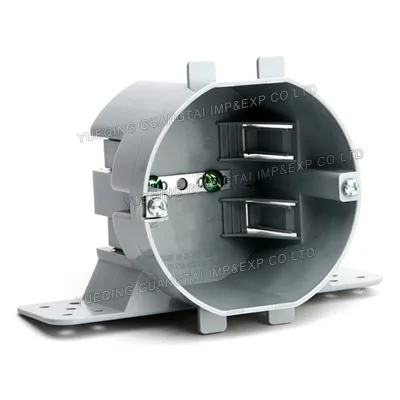
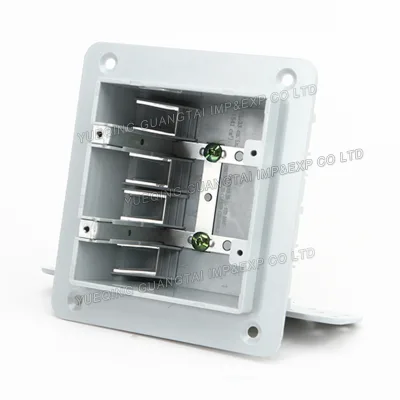


Wire Distribution Wall Mounted Plastic Electrical Connection Junction Box
$0.30 - $0.50
MOQ: 3000 Pieces

Factory Plastic Supply Wire Protection Electrical Adaptable Junction Box
$0.19 - $0.49
MOQ: 5000 Pieces


Comprehensive Sourcing Guide
Silkscreen ABS Plastic Junction Box Sourcing Guide
Procuring silkscreen ABS plastic junction boxes requires careful attention to material integrity and surface marking durability, as these components serve critical roles in protecting electrical connections from environmental stress. The observed market data indicates a diverse range of models, including specific variants like the SLH-4 and AK80003, which utilize ABS material for robust enclosure performance. Buyers must distinguish between general junction boxes and specialized explosion-proof units, as the application dictates the necessary structural and safety requirements for the final installation.
The customization options available, such as cutouts, stickers, silkscreen printing, and color variations, allow for significant branding and functional adaptation during the sourcing process. While some listings highlight specific dimensions like 75×75×40mm or 165×75×26mm, others offer broader model ranges from 16mm to 40mm, necessitating precise verification of fitment before order placement. Understanding these variations ensures that the selected enclosure meets both the physical constraints of the equipment and the aesthetic requirements of the end-user.
Product Scope and Observed Listing Signals
The product landscape for ABS junction boxes includes distinct categories ranging from standard waterproof enclosures to specialized explosion-proof units, each serving different industrial needs. Listings frequently specify the product type as either a generic junction box or a more specific waterproof variant, with some models explicitly noting an IP54 rating for water resistance. This variation in classification is critical, as the intended environment—whether indoor electronic equipment housing or outdoor industrial wiring—determines the necessary level of protection and material specification.
Observations of packaging and shipping details reveal that suppliers utilize methods such as paper cartons, plastic bags, or standard carton packages depending on the order volume and product fragility. The selling units often appear as single items, yet the minimum order quantities can vary significantly, with some suppliers requiring 1000 pieces while others accept orders as low as one piece. This disparity in commercial thresholds suggests that buyers should align their procurement strategy with their immediate volume needs to avoid unnecessary inventory costs or minimum order barriers.
Technical Specifications to Verify
Dimensional accuracy is paramount when selecting an ABS enclosure, as the observed standards list specific sizes such as 72×87×60mm and 125×125×60mm that must match the internal components. Buyers should verify the exact model number, such as ST268126 or AK-H-48, against their design schematics to ensure the internal cavity accommodates the necessary wiring and circuitry without excessive empty space. The connection type, noted as press connection in some listings, further influences the installation method and must be compatible with the existing cabling infrastructure.
Weight and material composition are also key technical factors, with observed weights ranging from 38g to 92g for different models, indicating variations in wall thickness and structural density. The material is consistently identified as ABS, which offers a balance of impact resistance and ease of molding, but the specific grade and additives used can affect long-term durability under UV exposure or thermal stress. Confirming these physical attributes ensures the enclosure will withstand the mechanical and environmental demands of its specific application without premature failure.
Compliance and Safety Documentation
Certification verification is a non-negotiable step in the sourcing process, as the market data confirms the presence of multiple safety and quality marks including CE, ISO, RoHS, UL, CQC, and CCC. These certifications indicate that the manufacturer has undergone testing for electrical safety, electromagnetic compatibility, and material restrictions, which is essential for compliance in various global markets. Buyers must request valid certificates for the specific model being purchased, as certification status can vary between product lines even within the same supplier's catalog.
Safety standards for explosion-proof junction boxes require additional scrutiny, as these units must meet rigorous criteria to prevent ignition in hazardous environments. The presence of specific certifications like UL and CQC suggests a higher level of scrutiny regarding the enclosure's ability to contain internal explosions, but buyers should not assume all listed products possess these capabilities. It is vital to cross-reference the product model with the provided certification documents to ensure the specific unit meets the safety regulations required for the intended installation site.
Cost Drivers and Commercial Terms
Pricing in this sector is influenced by the complexity of customization, such as silkscreen printing, color matching, and the addition of specific cutouts, which can increase the unit cost beyond the base price of a standard enclosure. The observed price range spans from 0.1 to 500 USD, reflecting the vast difference between simple single-item orders and bulk purchases of specialized, certified units. Buyers should anticipate that higher customization levels and stricter certification requirements will drive costs upward, necessitating a clear definition of scope before requesting quotes.
Payment terms and minimum order quantities are significant commercial factors that affect cash flow and inventory planning, with common terms including 30% T/T deposit with the balance before shipping. While some suppliers offer flexible payment methods like PayPal or Western Union, others strictly adhere to bank transfers, and the minimum order can range from a single piece to 5000 pieces depending on the supplier's capacity. Understanding these terms early in the negotiation process helps buyers structure their procurement strategy to optimize working capital and ensure timely delivery.
Supplier Qualification and Quality Control
Supplier qualification should focus on verifying the place of origin, as the data indicates production primarily from regions like Zhejiang and Guangdong in China, which are known hubs for plastic molding and electrical enclosures. Buyers must assess the supplier's ability to maintain consistent quality across batches, particularly when dealing with custom silkscreening and color variations that can be prone to inconsistencies. Requesting samples before placing a large order is a prudent step to validate the quality of the ABS material, the precision of the molding, and the durability of the printed markings.
Quality control processes should include checks for structural integrity, such as verifying the waterproof capabilities and the accuracy of the press connections. The observed delivery times of 3-15 days after payment suggest a relatively agile supply chain, but buyers should confirm lead times for customized orders, as additional processing for silkscreening or special packaging may extend the schedule. Establishing a clear quality agreement that defines acceptable tolerances and defect rates is essential to mitigate the risk of receiving non-compliant products.
Long-Term Procurement Checks
Establishing a long-term relationship with a supplier requires ongoing monitoring of product consistency, especially when custom features like silkscreening and specific colors are involved. Buyers should implement a periodic audit process to ensure that the ABS material and certification status remain unchanged over time, as manufacturing processes can shift without notice. Regular communication regarding any updates to standards or certifications helps maintain compliance and ensures that the supply chain remains robust against regulatory changes.
Inventory management strategies should account for the variability in minimum order quantities and lead times to prevent stockouts or overstocking of specialized junction boxes. Since the market offers a wide range of models with different dimensions and certifications, maintaining a diverse supplier base can provide flexibility in sourcing. Continuous evaluation of supplier performance against the agreed-upon commercial terms and quality standards ensures that the procurement process remains efficient and cost-effective over the long term.
FAQs
What is a Silkscreen ABS Plastic Junction Box used for?
A Silkscreen ABS Plastic Junction Box houses electrical or electronic connections and carries printed labels, markings, or logos directly on the enclosure surface. The ABS material offers good impact resistance and electrical insulation, while silkscreen printing helps identify terminals, circuits, or branding. Such boxes are commonly used in electronic equipment, control wiring, and waterproof junction box applications where clear labeling is required.
What certifications do these ABS junction boxes typically carry?
Listed certifications across these products include CE, CCC, ISO, RoHS, UL, and CQC, though the exact certificates held depend on the specific model. Buyers should request the certificate copy for the model they intend to purchase and confirm which marks apply to their destination market. Certification requirements often vary between standard junction boxes and explosion proof variants, so verification before ordering is recommended.
Can the ABS junction box be customized with silkscreen printing and other options?
Yes, customization is available, with listed options covering cutout, sticker, silkscreen, and color modifications. OEM service is also supported, allowing buyers to adapt the box to their project requirements. When requesting customization, provide artwork files, dimensions, and target quantities early, since customized orders usually follow different minimum order quantities and production timelines than standard catalog models, and samples are advisable before mass production.
What is the minimum order quantity for a Silkscreen ABS Plastic Junction Box?
The stated MOQ is 1000PCS for typical production orders, though some listings indicate a minimum of 1PCS, likely for sample or retail purchases. Standard bulk orders of 1000PCS usually apply to customized or wholesale quantities. Buyers needing fewer units should ask the supplier about sample availability, while larger volumes may qualify for better per-unit pricing and consolidated shipping in paper cartons.
What payment terms and delivery times can buyers expect?
Listed payment terms include 30% T/T with the balance before shipping, and some listings also accept PayPal, T/T, and Western Union. Delivery time is stated as 3 to 15 days after payment, depending on the model, order quantity, and customization level. Confirm the exact schedule in writing before ordering, since customized silkscreen printing or cutouts can extend production time beyond standard catalog stock.
What sizes and packing options are available for these junction boxes?
Listed model sizes range from 16-40mm and 16-32mm standards, plus dimensions such as 75×75×40mm, 85×85×50mm, 100×100×50mm, 125×125×60mm, 72×87×60mm, and 165×75×26mm. Packing options include paper carton, plastic bag, and carton package, with single-item selling units. Choose the size based on your wiring volume and enclosure requirements, and confirm outer carton specifications for freight planning.