Source Portable Monitor for Business, Computer, and Travel
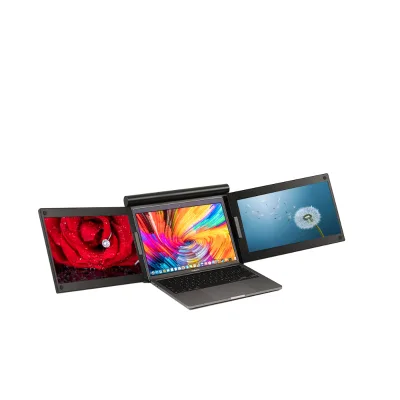
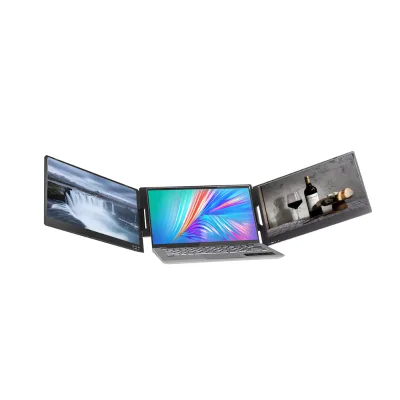
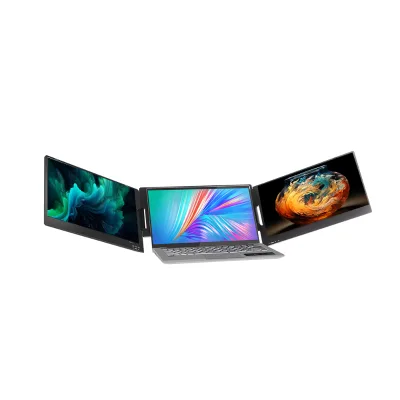
Find 30 Portable Monitor options with varying screen sizes, resolutions, and refresh rates. Buyers can compare specifications like IPS panels, HDMI and Type C interfaces, and brightness levels to select the right device for business, computer, or travel applications.
Key considerations
Products List

Cheap Portable Monitor, Multifunction Monitor, Monitor, Precision Monitor
$330.00 - $350.00
MOQ: 1 Pieces


17.3 Inch Portable External Monitor with 2.5K Resolution and 144Hz Refresh Rate
$113.26 - $128.03
MOQ: 50 Pieces




Comprehensive Sourcing Guide
Portable Monitor Sourcing Guide
Procuring portable monitors requires a disciplined approach to aligning technical capabilities with specific mobility needs, as the market offers a diverse range of form factors from 13.3-inch compact displays to 18.5-inch larger units. Buyers must first distinguish between devices designed for general business applications and those optimized for specialized diagnostic or monitoring functions, as the underlying hardware and interface requirements differ significantly. The observed product landscape includes models with varying screen sizes, such as 15.6-inch and 23.8-inch panels, alongside specific configurations like the 17.3-inch 2.5K display, necessitating a clear definition of the intended use case before engaging with suppliers.
The sourcing process is further complicated by the presence of mixed product attributes in listings, where some items are explicitly categorized as physiological diagnosis equipment while others are standard computer peripherals. This distinction is critical because a device intended for medical monitoring may require different certification standards and interface reliability compared to a standard laptop extender. Buyers should verify whether the listed specifications, such as the 1920x1080 resolution or 1920x1280 aspect ratios, align with the specific resolution requirements of their host devices, ensuring that the selected Portable Monitor can seamlessly integrate into existing workflows without compatibility issues.
Product Scope and Observed Listing Signals
The current market for portable monitors presents a wide spectrum of screen sizes and aspect ratios, ranging from compact 13.3-inch and 14-inch units to larger 15.6-inch and 18.5-inch displays. Listings indicate that these devices often feature IPS panel technology, which is essential for maintaining consistent color accuracy and viewing angles in mobile environments. Buyers should note that while some models support high refresh rates like 100Hz or 144Hz, others are configured for standard 60Hz operation, and the choice between these depends heavily on whether the primary application involves static content viewing or dynamic media consumption.
Packaging and customization options vary significantly across suppliers, with some offering retail boxes and master cartons while others provide flexible packing solutions such as 10 units per carton. The availability of customization is a key signal for buyers with specific branding or functional requirements, as some manufacturers explicitly state that private molds are available to tailor the product to unique needs. Additionally, the physical dimensions of the monitors, such as the 209mm x 104mm x 47.5mm profile observed in certain listings, must be evaluated against the portability constraints of the intended deployment environment to ensure the device fits within the required carrying cases or workspace setups.
Technical Specifications to Verify
Interface compatibility is a primary technical consideration, as the observed product range includes both HDMI and Type-C connections, each serving different connectivity needs. Buyers must verify that the selected monitor supports the necessary input protocols for their host devices, particularly when dealing with laptops or tablets that may rely on USB-C for both power and video transmission. The presence of specific interface types in the product data suggests that some models are designed for direct connection to modern computing devices, while others may require additional adapters or hubs to function correctly with legacy systems.
Display performance metrics such as brightness, contrast ratio, and color gamut coverage are critical for ensuring visual clarity in various lighting conditions. The data indicates that brightness levels can range from 280±20 cd/m² to 500±20 cd/m², with some models boasting 100% sRGB coverage while others offer 86% coverage. Buyers should prioritize models with higher brightness and wider color gamuts if the monitors will be used in well-lit environments or for color-critical tasks, while also confirming the response time, which is listed as 25ms in some specifications, to ensure that motion rendering meets the requirements of the intended application.
Compliance and Safety Documentation
Regulatory compliance is a non-negotiable aspect of sourcing portable monitors, particularly when the devices are intended for use in regulated industries or specific geographic markets. The observed product data includes references to FDA and ISO certifications, which are essential for equipment classified under physiological functions of diagnosis and monitoring. Buyers must request and verify these specific certifications to ensure that the devices meet the necessary safety and performance standards for their intended use, as the absence of such documentation could lead to compliance violations or operational risks.
In addition to industry-specific certifications, general product safety and environmental standards must be confirmed to ensure the monitors are safe for end-user handling and disposal. The presence of MSDS (Material Safety Data Sheet) documentation in the product attributes suggests that suppliers are providing information regarding the chemical composition and safety handling of the materials used in the monitors. Procurement teams should ensure that all suppliers provide complete MSDS and relevant safety data sheets for every batch of products, as this documentation is crucial for risk management and regulatory adherence in international trade.
Cost Drivers and Commercial Terms
Pricing in the Portable Monitor market is influenced by a combination of screen size, resolution, and feature set, with observed listing prices ranging from $1 to $1,100. This wide variance reflects the difference between basic entry-level models and high-performance units with advanced features like 2.5K resolution and high refresh rates. Buyers should analyze the cost per unit relative to the specific technical specifications required, avoiding the trap of over-specifying features that do not add value to their specific use case while ensuring that cost-cutting measures do not compromise essential performance metrics.
Minimum Order Quantities (MOQ) and lead times are significant commercial factors that affect the total cost of ownership and supply chain flexibility. The observed MOQ range of 1 to 100 units indicates that suppliers offer varying levels of flexibility, allowing buyers to start with small test orders or scale up to larger volumes depending on their demand. It is essential to negotiate clear terms regarding lead times and production schedules, as delays in manufacturing can disrupt project timelines, and buyers should establish contingency plans to mitigate the risks associated with supply chain variability.
Supplier Qualification and Quality Control
Supplier qualification should focus on the manufacturer's ability to provide consistent quality and reliable after-sales support, as the product data highlights services such as free spare parts and repair capabilities. Buyers must assess the supplier's track record in delivering products that meet the specified standards, including the ability to maintain consistent panel quality and interface reliability across different batches. The availability of after-sales services is a critical indicator of a supplier's commitment to long-term customer satisfaction and should be a key factor in the selection process.
Quality control processes must be rigorously evaluated to ensure that the portable monitors meet the required specifications and performance standards. Buyers should request detailed quality control reports and inspection protocols from suppliers, including information on how they handle defects and ensure that the final products match the agreed-upon specifications. The presence of private mold capabilities suggests that some suppliers have the capacity for custom manufacturing, but this also requires a higher level of oversight to ensure that the customizations do not introduce new quality issues or deviate from the core performance requirements.
Long-Term Procurement Checks
Sustaining a successful procurement relationship with Portable Monitor suppliers requires ongoing monitoring of product performance and supplier reliability over time. Buyers should establish a system for tracking product failures, response times for repairs, and the availability of spare parts to ensure that the supply chain remains robust and responsive to any issues that arise. Regular audits of the supplier's quality control processes and adherence to agreed-upon standards are essential to maintain the high level of performance expected from the portable monitors.
Future-proofing the procurement strategy involves staying informed about technological advancements and market trends that could impact the relevance of the current product selection. As display technologies evolve, buyers should periodically review their specifications to ensure that the portable monitors they have sourced remain competitive and capable of meeting the evolving needs of their users. This proactive approach helps to avoid obsolescence and ensures that the procurement strategy remains aligned with the long-term goals of the organization.
FAQs
What certifications are available for portable monitors?
Portable monitors can be certified with FDA, ISO, and MSDS standards to ensure regulatory compliance. These certifications verify that the devices meet specific safety and quality benchmarks required for international trade. Buyers should verify which specific certifications are included in the product documentation before placing orders to ensure alignment with local import regulations.
Can portable monitors be customized for specific business needs?
Yes, customization is available for portable monitors to suit particular business requirements. Manufacturers often support private molds and specific branding options to help companies establish their market identity. Buyers can request tailored specifications regarding packaging, interface types, or physical dimensions to ensure the final product aligns perfectly with their operational standards.
What is the typical packaging format for portable monitors?
Portable monitors are typically packed in retail boxes or master cartons containing ten units each. This standardized packaging ensures safe transit and efficient inventory management for bulk orders. The exact packing configuration can be confirmed with the supplier, as options may vary between individual retail units and larger master cartons depending on the order volume.
Which screen specifications are common for portable monitors?
Common specifications include 13.3-inch or 14-inch screens with 1920x1080 or 1920x1280 resolutions. Many models feature IPS panels, 60Hz refresh rates, and HDMI or Type-C interfaces. These attributes provide clear visuals and versatile connectivity options, making them suitable for various applications ranging from business presentations to general computer use in mobile environments.
What after-sales services are provided for portable monitors?
Suppliers typically offer free spare parts and repair services to support long-term usage. This after-sales service ensures that any technical issues can be addressed efficiently without significant additional costs. Buyers should confirm the specific terms of the warranty and repair process to understand the support structure available for their purchased units.