Source Silk Screen Printing Foundation Tube for Cosmetics
Find 26 options for silk screen printing foundation tube packaging suitable for cosmetics, medicine, and food. Compare features like two or five layers, various cap types, and customization options to select the right tube for your brand; compare the available evidence and request quotations based on your requirements.
Key considerations
Products List







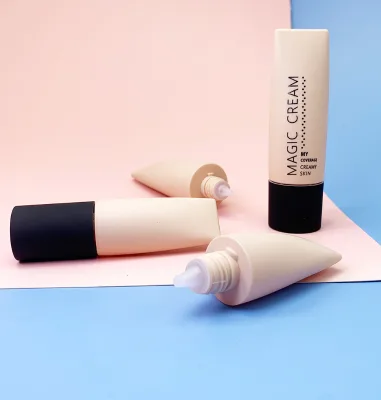
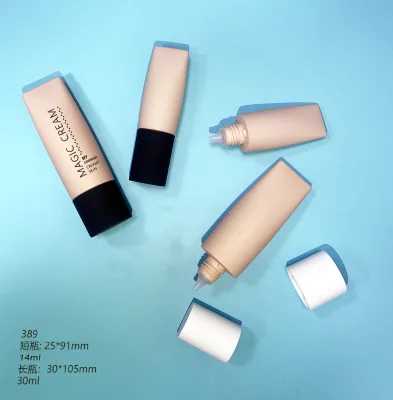
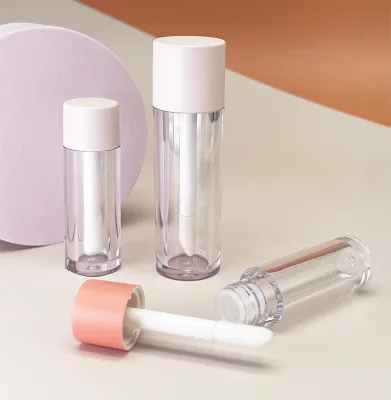
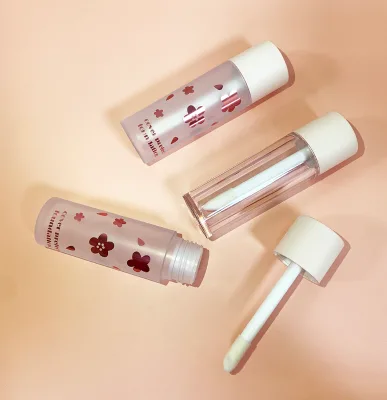
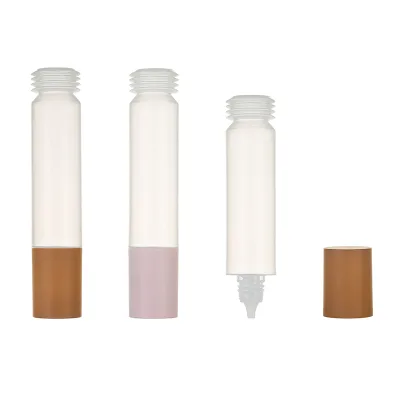
Comprehensive Sourcing Guide
Silk Screen Printing Foundation Tube Sourcing Guide
Sourcing silk screen printing foundation tubes requires a nuanced understanding of both packaging functionality and decorative finishing capabilities. These tubes serve as primary vessels for cosmetic foundations, demanding materials that protect sensitive formulations from light and air while providing a premium aesthetic for shelf presence. The integration of silk screen printing allows for high-opacity ink deposition, which is critical for achieving vibrant brand colors and sharp logo definition on curved or flat surfaces. Buyers must recognize that the printing process interacts directly with the tube’s surface treatment, influencing adhesion durability and visual appeal.
The procurement landscape for these items is characterized by significant variability in material composition, ranging from plastic laminates to aluminum and ABS variants. This diversity impacts not only the tactile experience but also the environmental profile and recyclability of the final package. Suppliers often offer customization in shape, such as round, oval, or flat profiles, to differentiate products in a crowded market. Understanding these structural options is essential for aligning packaging with brand identity and functional requirements, ensuring that the chosen tube supports both the product’s integrity and its marketing narrative effectively.
Product Scope and Observed Listing Signals
The observed market signals indicate a broad spectrum of product configurations available for foundation packaging. Listings frequently highlight customization options for shape, including round, oval, and flat designs, alongside varied cap types such as screw caps, flip tops, and airless pumps. These structural choices directly influence the dispensing mechanism and user experience, with airless pumps often preferred for preserving the efficacy of liquid foundations. The presence of features like sealed or unsealed tails, and even animal-shaped tails, suggests a market segment focused on novelty and distinct brand differentiation through unique physical attributes.
Material specifications observed in listings vary significantly, with mentions of plastic, aluminum, and ABS constructions. Some products specify two-layer or five-layer laminates, which are crucial for barrier properties against oxygen and moisture. Surface treatments include glossy, matte, transparent, or colored finishes, allowing for diverse aesthetic outcomes. The inclusion of silk screen printing alongside hot stamping and offset printing indicates that buyers can expect multi-process decoration capabilities. These signals suggest that suppliers are equipped to handle complex design requirements, offering flexibility in how branding elements are applied to the tube body.
Technical Specifications to Verify
When evaluating technical specifications, buyers must prioritize the compatibility between the tube material and the silk screen printing process. The surface treatment, whether it is a specific plastic laminate or aluminum, dictates the ink adhesion and curing requirements. It is essential to verify the thickness of the tube walls, as this affects both the durability during filling and the final visual weight of the package. Specifications such as body length adjusted within capacity ranges and standard diameters like 30mm or 50mm must be confirmed to ensure the tube fits existing filling machinery and meets volume requirements for foundation products.
Additionally, the precision of the printing process itself requires scrutiny. Buyers should inquire about the resolution capabilities of the silk screen printing equipment, particularly for fine details in logos or text. The availability of custom colors, such as specific Pantone matches, is a critical factor for brand consistency. Furthermore, the structural integrity of the cap and collar assembly must be verified to prevent leakage, especially for liquid foundations. Understanding the relationship between the tube’s material properties and the printing technique ensures that the final product will maintain its aesthetic and functional quality throughout the supply chain and consumer use.
Compliance and Safety Documentation
Compliance with international standards is non-negotiable for cosmetic packaging, particularly when dealing with products that come into direct contact with skin. Buyers must request documentation verifying that the materials used in the tube construction, including inks and adhesives, are free from harmful substances. Certifications such as ISO, CE, and FSC are often cited, indicating adherence to quality management and environmental standards. However, buyers should verify the specific scope of these certifications to ensure they cover the manufacturing processes relevant to cosmetic packaging safety and sustainability.
Furthermore, the recyclability of the tube material is an increasingly important compliance and marketing factor. Documentation should clarify whether the tube is mono-material or a multi-layer laminate, as this significantly impacts end-of-life disposal options. Buyers should also check for compliance with regional regulations regarding cosmetic packaging, such as those in the European Union or North America. Ensuring that the supplier provides clear evidence of material safety and environmental compliance protects the brand from regulatory risks and aligns with growing consumer demand for sustainable and safe packaging solutions.
Cost Drivers and Commercial Terms
The cost of silk screen printing foundation tubes is influenced by several key factors, including material type, order volume, and decoration complexity. Aluminum tubes typically command a higher price point than plastic alternatives due to material costs and manufacturing intricacies. The number of colors used in the silk screen printing process directly impacts production time and cost, with each additional color requiring a separate screen and pass. Buyers should also consider the cost implications of custom shapes or specialized caps, which may require dedicated tooling or setup fees.
Commercial terms such as minimum order quantities (MOQ) and lead times vary widely among suppliers. Observed MOQs can range from small batches for prototyping to large volumes for mass production, affecting inventory management and cash flow. Buyers must negotiate clear terms regarding price breaks at different volume tiers and clarify who bears the cost of screen setup. Additionally, packaging methods, such as inner trays and cartons, contribute to the final landed cost. Understanding these cost drivers allows buyers to make informed decisions that balance budget constraints with quality and branding requirements.
Supplier Qualification and Quality Control
Qualifying a supplier for silk screen printing foundation tubes requires a rigorous assessment of their manufacturing capabilities and quality control systems. Buyers should verify the supplier’s experience with cosmetic packaging, specifically their proficiency in silk screen printing techniques. This includes evaluating their equipment for precision, consistency, and the ability to handle delicate materials without damage. Requesting samples of previous work can provide insight into the quality of print registration, color accuracy, and overall finish, which are critical for premium cosmetic products.
Quality control processes should be transparent and robust, covering both material inspection and final product checks. Buyers should inquire about the supplier’s procedures for detecting defects such as scratches, misprints, or structural flaws. Additionally, the supplier’s ability to maintain consistency across large production runs is vital for brand integrity. Establishing clear communication channels and defining acceptance criteria for quality metrics helps mitigate risks. Regular audits or third-party inspections may be necessary for high-volume contracts to ensure ongoing compliance with quality standards.
Long-Term Procurement Checks
Long-term procurement success depends on establishing a sustainable and adaptable supply chain for foundation tubes. Buyers should regularly review supplier performance metrics, including on-time delivery rates, defect rates, and responsiveness to issues. Building a strong relationship with the supplier can facilitate better pricing, priority production scheduling, and collaborative innovation in packaging design. It is also important to monitor market trends in materials and printing technologies, as advancements may offer cost savings or enhanced sustainability options over time.
Furthermore, buyers must stay vigilant regarding regulatory changes and consumer preferences that may impact packaging requirements. Periodic reassessment of material safety and environmental compliance ensures that the supply chain remains aligned with legal obligations and brand values. Diversifying the supplier base can mitigate risks associated with single-source dependencies, ensuring continuity of supply. By maintaining a proactive approach to supplier management and market analysis, buyers can secure a reliable source of high-quality silk screen printing foundation tubes that support their brand’s long-term growth and reputation.
FAQs
How is silk screen printing applied to foundation tubes?
Silk screen printing is applied directly to the tube surface using specialized inks. This process allows for custom logos and designs on plastic or aluminum tubes. It works well with glossy, matte, or transparent finishes. The method ensures durable branding for cosmetic products like foundation.
What customization options are available for cosmetic tubes?
Customization is available for shape, color, and printing methods. Buyers can choose round, oval, or flat shapes with screw or flip top caps. Colors include any Pantone shade, and printing options cover silk screen, hot stamping, and offset printing. This flexibility supports unique brand identities.
Which certifications do these cosmetic tubes typically hold?
These tubes often hold ISO, CE, and FSC certifications. These standards ensure quality and environmental compliance for international markets. The materials used include plastic and aluminum, which are recyclable. Certification verification is essential for meeting regulatory requirements in cosmetics and medicine sectors.
Can I order tubes with specific thickness specifications?
Yes, tubes are available with specific thicknesses ranging from 250u to 390u. Options include 250u, 270u, 300u, 330u, 350u, and 390u for ABL or PBL materials. This range allows manufacturers to select the right durability for their specific product volume and application needs.
What is the minimum order quantity for these tubes?
The minimum order quantity varies significantly based on the supplier and customization level. Observed MOQs range from 12 units up to 12,000 units. Some specific listings indicate an MOQ of 5,000 pieces. Buyers should confirm exact requirements with the manufacturer before placing an order.
How are the tubes packaged for shipping?
Tubes are typically packed in inner trays with PE bags inside cartons. Some suppliers use pallets for larger orders to ensure stability during transit. This packaging protects the glossy or matte finish from scratches. The method ensures safe delivery to international destinations from China.
Which materials are used to make these foundation tubes?
The tubes are primarily made from plastic and aluminum materials. Some specific models utilize ABS plastic for the cap or collar components. Aluminum bodies offer a premium feel and excellent barrier properties. The choice of material depends on the desired product appearance and functional requirements.
What printing techniques are used for branding on tubes?
Branding is achieved through silk screen printing, hot stamping, and offset printing. Additional techniques include UV printing and gold stamping for premium effects. These methods allow for high-quality logos and text on various tube shapes. The choice depends on the design complexity and budget constraints.