Source Single Arm Hydraulic Rescue Boat for Marine Safety
Find and compare 30 Single Arm Hydraulic Rescue Boat options from verified manufacturers. These aluminum vessels feature customizable fire monitors, outboard propulsion, and Solas-compliant designs for emergency lifeguarding and marine rescue operations; compare the available evidence and request quotations based on your requirements.
Key considerations
Products List


BV/Lr/CCS Approved Emergency Lifesaving Rescue Boat with Single Arm Type Davit
$13000.00 - $16000.00
MOQ: 1 Pieces

Marine Common Lifesaving Rescue Boat for Emergency Maritime Search and Rescue
$13000.00 - $16000.00
MOQ: 1 Pieces


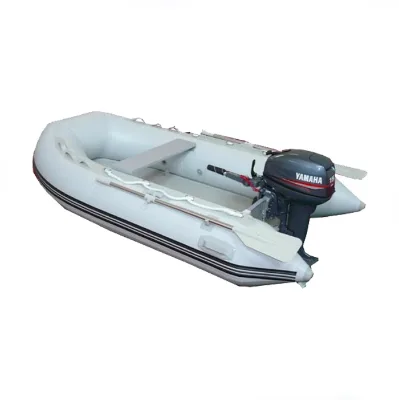


$1000.00 - $2000.00
MOQ: 1 Pieces
Comprehensive Sourcing Guide
Single Arm Hydraulic Rescue Boat Sourcing Guide
Procuring a Single Arm Hydraulic Rescue Boat requires a nuanced understanding of marine emergency equipment specifications, particularly when sourcing from international markets. Buyers must recognize that while the core keyword suggests a specific mechanical configuration, the actual product landscape often includes rigid-hulled aluminum boats equipped with various hydraulic systems for davits or fire monitors. The observed market data indicates a wide variance in product models, ranging from small 3-meter utility craft to larger 18-meter lifeboats, all potentially customizable to meet specific operational needs. This diversity means that the term "single arm" may refer to the davit system rather than the hull itself, necessitating careful clarification during the initial inquiry phase to ensure the supplier understands the exact mechanical requirements.
Furthermore, the sourcing process is heavily influenced by the intended application, whether for marine rescue, fire fighting, or general emergency lifesaving. The supplied facts highlight that these vessels are often constructed from aluminum alloy, offering a balance of durability and weight efficiency, which is critical for high-speed operations. Buyers should note that propulsion methods vary, with options including gasoline engines or outboard/inboard configurations, directly impacting performance metrics such as speed and carrying capacity. Understanding these foundational attributes is essential before engaging with suppliers, as it allows for more precise requests for quotation and prevents misalignment between the buyer’s operational requirements and the supplier’s standard offerings.
Product Scope and Observed Listing Signals
The current market listings reveal a broad spectrum of vessel types that may be relevant to buyers seeking rescue capabilities, including marine fast rescue boats, lifeboats, and specialized fire boats. Observed specifications indicate lengths ranging from 3 meters to 18 meters, with depths typically between 0.8 and 1.2 meters, suggesting a focus on maneuverability and shallow-water operations. The presence of models like the DS13 and DK32 demonstrates that suppliers offer distinct product lines tailored to different capacity and performance needs, with seating capacities varying from 5 to 15 persons. This variety underscores the importance of defining the exact mission profile, as a vessel designed for rapid response may differ significantly in structure and equipment from one intended for prolonged rescue operations.
Price points observed in the market span from approximately $199 to $1,200,000, reflecting the vast difference between small utility craft and fully certified life-saving appliances. Minimum order quantities are generally low, often starting at 1 or 2 units, which facilitates procurement for individual organizations or small fleets. The customization options available, including fire monitors and canopy types, allow buyers to tailor the vessel to specific regulatory or operational demands. However, the wide price range also signals that buyers must scrutinize what is included in the base price, as certifications, engine brands, and hydraulic system quality can significantly impact the final cost and overall value of the procurement.
Technical Specifications to Verify
When evaluating technical proposals, buyers must prioritize the verification of hull material and construction quality, as aluminum alloy is a common choice for its corrosion resistance and lightweight properties. It is crucial to confirm the exact dimensions, including length overall, breadth, and molded depth, as these parameters directly affect stability and payload capacity. For instance, some listings specify a length of 13.25 meters with a breadth of 3.6 meters, providing a clear benchmark for comparison. Buyers should request detailed engineering drawings to ensure that the hull design meets the required hydrodynamic performance and structural integrity standards, particularly if the vessel is intended for rough sea conditions or high-speed maneuvers.
Propulsion and power systems are another critical area for verification, with options ranging from gasoline engines to more powerful configurations like 200HP dual engines. The speed capabilities, which can exceed 20 knots for smaller crews, must be validated against the buyer’s operational requirements for rapid response times. Additionally, the type of engine, whether outboard or inboard, influences maintenance schedules and operational flexibility. Buyers should also inquire about the hydraulic system’s specifications, including pressure ratings and control mechanisms, to ensure reliability during emergency operations. Confirming these technical details early in the sourcing process helps avoid costly modifications or performance shortfalls after delivery.
Compliance and Safety Documentation
Regulatory compliance is paramount in the procurement of rescue boats, with certifications such as CE, ISO, CCS, and SOLAS regulations serving as key indicators of quality and safety. Buyers must verify that the vessel meets the specific class requirements of their flag state or operational region, as non-compliance can lead to legal liabilities and operational restrictions. The presence of certifications like RoHS, FCC, and FDA suggests adherence to broader environmental and electronic safety standards, which may be relevant for vessels equipped with advanced communication or monitoring systems. It is essential to request copies of all relevant certificates and ensure they are current and issued by recognized classification societies.
In addition to formal certifications, buyers should assess the vessel’s adherence to international standards such as JIS, ANSI, DIN, and ASTM, which govern material quality and manufacturing processes. The standard export packing mentioned in listings indicates a level of professionalism in handling and shipping, but buyers should also verify that the vessel is protected against damage during transit. Documentation should include detailed operation manuals, maintenance schedules, and warranty information, typically covering one year for key components. Ensuring that all safety equipment, such as fire monitors and lifesaving appliances, is certified and integrated correctly is vital for the vessel’s readiness in emergency scenarios.
Cost Drivers and Commercial Terms
The final cost of a Single Arm Hydraulic Rescue Boat is influenced by several factors, including the complexity of the hydraulic system, the quality of the engine, and the level of customization required. Buyers should anticipate that vessels with higher speeds, larger capacities, or specialized features like fire monitors will command higher prices. The observed price range highlights the importance of defining the scope of work clearly to avoid hidden costs, such as those associated with additional certifications or custom paint jobs in international orange for visibility. Understanding these cost drivers allows buyers to budget accurately and negotiate more effectively with suppliers.
Commercial terms, including payment methods, delivery timelines, and warranty conditions, also play a significant role in the total cost of ownership. While specific lead times are not provided in the observed data, buyers should negotiate clear delivery schedules to align with their operational needs. The standard export packing ensures safe delivery, but buyers should clarify who is responsible for freight and insurance costs. Additionally, the availability of customization options may extend the production time, so it is crucial to agree on realistic timelines upfront. A comprehensive understanding of these commercial terms helps mitigate financial risks and ensures a smoother procurement process.
Supplier Qualification and Quality Control
Selecting a reliable supplier is critical for ensuring the long-term performance and safety of the rescue boat. Buyers should prioritize suppliers with a proven track record in marine equipment manufacturing, particularly those who can demonstrate compliance with international standards and certifications. The origin of the product, often China in the observed listings, does not preclude high quality, but it necessitates rigorous due diligence. Buyers should request references from previous clients and, if possible, conduct factory audits to assess production capabilities and quality control processes. This proactive approach helps identify potential risks and ensures that the supplier can meet the buyer’s specific requirements.
Quality control measures should be integrated into the procurement contract, including pre-shipment inspections and third-party testing if necessary. Buyers should verify that the supplier has established procedures for material inspection, weld quality, and system functionality testing. The warranty period, typically one year, should be clearly defined, along with the scope of coverage for parts and labor. Additionally, buyers should inquire about the availability of spare parts and technical support, as these factors are crucial for maintaining the vessel’s operational readiness. By establishing strong quality control protocols, buyers can mitigate the risk of receiving substandard products and ensure that the vessel meets all safety and performance expectations.
Long-Term Procurement Checks
Long-term success in procuring rescue boats depends on establishing a robust framework for ongoing supplier evaluation and performance monitoring. Buyers should implement regular reviews of the vessel’s performance, maintenance records, and any issues that arise during operation. This feedback loop is essential for identifying potential design flaws or manufacturing defects early, allowing for corrective actions before they escalate into major problems. Additionally, buyers should maintain open communication with the supplier to address any warranty claims or technical support needs promptly. This collaborative approach fosters a strong partnership and ensures that the supplier remains committed to quality and service excellence.
Furthermore, buyers should stay informed about changes in regulatory standards and technological advancements in marine rescue equipment. This proactive stance allows for timely upgrades or replacements, ensuring that the fleet remains compliant and competitive. Regular audits of the supplier’s quality management system and certification status are also recommended to ensure continued adherence to best practices. By integrating these long-term checks into the procurement strategy, buyers can maximize the value of their investment and ensure that the rescue boats continue to meet the evolving needs of their emergency response operations.
FAQs
What certifications do single arm hydraulic rescue boats typically hold?
These vessels typically hold CE, ISO, and CCS certifications to ensure compliance with international maritime safety standards. Some models also feature RoHS, FCC, and FDA approvals for broader regulatory acceptance. Buyers should verify specific documentation to confirm that the boat meets Class and Solas regulations for marine rescue operations.
Can the hull material be customized for these rescue boats?
Yes, the hull material is often customizable, with aluminum alloy being a common choice for durability and weight reduction. Manufacturers offer export standard packing and various customization options to suit specific operational needs. Buyers can request tailored specifications to ensure the vessel performs optimally in diverse marine environments.
What is the typical speed and capacity of these boats?
These boats generally achieve speeds of 6 knots or more, with some models exceeding 20 knots for three persons. Carrying capacity ranges from 3 to 15 persons, depending on the specific model and configuration. The depth typically measures between 0.8 and 1.2 meters, ensuring stability during emergency lifsaving missions.
How is the propulsion system configured for these rescue vessels?
Propulsion is usually provided by outboard or inboard engines, with gasoline engines being a common option. Main engine power can reach up to 200HP per unit, ensuring reliable performance. The system is designed for emergency lifesaving applications, allowing for quick deployment and efficient maneuvering in challenging marine conditions.
What warranty and support are provided for these boats?
A standard one-year warranty is typically provided to cover manufacturing defects and ensure operational reliability. The boats are designed to meet Class and Solas regulations, offering peace of mind for buyers. Support includes export standard packing and customizable features to align with specific procurement requirements and long-term maintenance needs.