Source Portable ABS Flood Control Barrier for Parks, Roads, Tunnels
Compare 30 Portable ABS Flood Control Barrier options from Chinese manufacturers. These ABS composite barriers feature embedded fixation, lightweight designs, and reusable structures for effective drainage and waterproofing in parks, roads, and tunnels; compare the available evidence and request quotations based on your requirements.
Key considerations
Products List


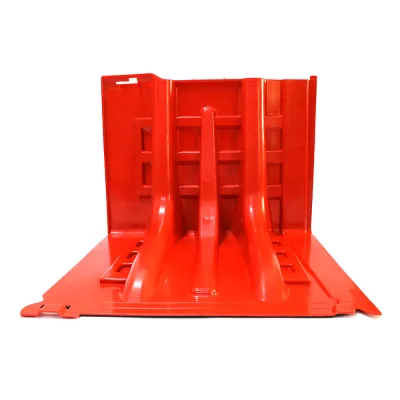
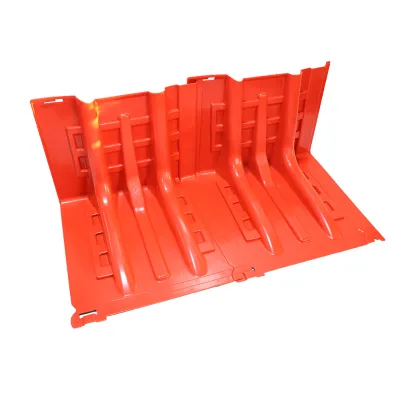
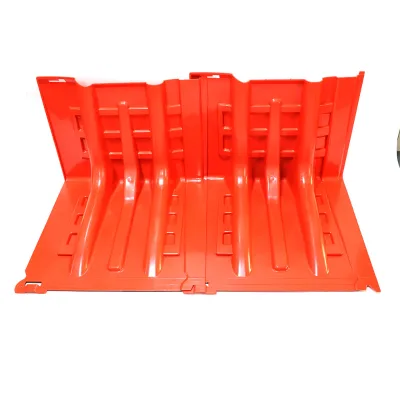


Water Gate Self Rising Flood Barrier Portable Wateractivated Flood Protection
$29.00 - $38.00
MOQ: 2 Meters
Comprehensive Sourcing Guide
Portable ABS Flood Control Barrier Sourcing Guide
Procurement professionals must first distinguish between rigid and flexible barrier configurations when sourcing portable ABS flood control solutions. The observed market data indicates a primary focus on rigid barrier types designed for separation, obstruction, and warning functions in road traffic safety scenarios. Buyers should verify that the selected unit utilizes an embedded type post fixation method to ensure stability during deployment, as this structural choice directly impacts the barrier's ability to withstand hydrostatic pressure without shifting.
The material composition is a critical differentiator, with listings highlighting ABS composite reinforced materials alongside standard ABS and steel variants. Sourcing teams must confirm the specific raw material grade to ensure the product meets the required durability for drainage and waterproofing applications in parks, roads, and tunnels. While some units are marketed as lightweight and removable, the actual weight ranges from approximately 3.35kg to 9.6kg depending on the model, necessitating a careful review of the product specifications to match the logistical capabilities of the deployment team.
Product Scope and Observed Listing Signals
Buyers should analyze the observed listing signals to understand the functional versatility of these flood barriers across different environmental conditions. The product scope encompasses units designed to slow down water speed and disperse water pressure, making them suitable for preventing flooding water in various urban and industrial settings. It is essential to note that while some models feature handles for easier transport, others are specified as flood barriers without handles, which may influence the handling procedures required during emergency deployment or routine storage.
The available size configurations vary significantly, with observed dimensions ranging from compact units around 70.5cm in length to larger barriers reaching 100cm in length and 90cm in height. Procurement teams must align their selection with the specific spatial constraints of the intended application site, as the available sizes include 70.56852.8cm, 8065.552.5cm, and 1008090cm variants. Verifying the exact dimensions against the site requirements is crucial, as the physical footprint of the barrier determines the number of units needed to create an effective continuous line of defense.
Technical Specifications to Verify
Technical verification must begin with the precise dimensional and weight specifications provided in the product data sheets. Buyers should confirm the exact length, width, and height for each unit, as the observed data lists specific measurements such as 68cm length with 52.8cm height for smaller models and up to 100cm length with 83cm height for large sizes. Ensuring that the selected model matches the required physical profile is vital for maintaining the structural integrity of the flood control line and preventing gaps that could compromise the barrier's effectiveness.
The functional features and material properties require rigorous scrutiny to ensure long-term performance under stress. Procurement teams must verify that the product is reusable and possesses a life span of at least three years, as indicated in the available data. Additionally, the distinction between ABS composite reinforced material and standard steel or ABS materials must be clarified, as this affects the barrier's resistance to impact and its ability to function as a rigid barrier in high-flow scenarios. Confirming these attributes ensures the selected product can withstand the mechanical demands of flood control operations.
Compliance and Safety Documentation
Safety documentation for portable flood barriers should focus on the functional features that ensure user safety during installation and operation. Buyers must verify that the product includes clear warning functions and is designed to provide obstruction and separation in road traffic safety contexts. The documentation should explicitly state how the barrier slows down water speed and disperses water pressure, as these are critical safety mechanisms that protect both the infrastructure and the personnel managing the flood event.
While specific certification standards like ISO9001 are mentioned in background contexts, buyers should not assume compliance without direct verification from the supplier. Instead, procurement teams must request evidence of quality management systems and material safety data sheets that confirm the ABS composite or steel materials meet relevant industry safety requirements. Ensuring that the product packaging, whether woven bags or pallets, protects the barrier during transit is also part of the safety compliance process, as damaged units may fail during critical deployment.
Cost Drivers and Commercial Terms
Cost drivers for portable ABS flood control barriers are heavily influenced by the material composition, size, and customization options available. Buyers should anticipate price variations based on whether the unit is constructed from standard ABS, ABS composite reinforced material, or steel, as these materials carry different cost implications. The observed price range in the market spans from 1 to 5500 USD, reflecting the diversity in product specifications, from lightweight single items to larger, more robust units designed for heavy-duty applications.
Commercial terms regarding minimum order quantities and shipping methods require careful negotiation to align with project budgets and timelines. The observed MOQ ranges from 1 to 200 units, offering flexibility for both small-scale emergency purchases and large-scale infrastructure projects. Buyers must clarify the shipping way, which depends on the client, and understand the packing requirements, such as woven bags or pallets, to calculate total landed costs accurately. Customization availability is another factor that can impact the final price, so early engagement with suppliers is necessary to define these terms.
Supplier Qualification and Quality Control
Supplier qualification should prioritize manufacturers with a proven track record in producing flood barriers for road traffic safety and drainage applications. Buyers must verify the place of origin, as the data indicates production in regions like Henan and Hebei, China, which are known for manufacturing these specific types of barriers. Confirming the supplier's ability to provide consistent quality across different models, such as the flood barrier with handle versus the version without a handle, is essential for maintaining operational reliability.
Quality control processes must include checks on the product features, such as the light weight and removable nature of the units, to ensure they meet the stated specifications. Procurement teams should request samples to verify the weight range of 4.5kg to 9.6kg and the structural rigidity of the barrier. Additionally, verifying the brand name, such as HB JINSHI, and the specific product model numbers like jsfb01 helps in tracking the quality history of the units. Establishing a clear quality control protocol with the supplier ensures that every unit delivered meets the necessary performance standards.
Long-Term Procurement Checks
Long-term procurement checks should focus on the durability and reusability of the flood barriers to ensure cost-effectiveness over multiple deployment cycles. Buyers must verify the stated life span of three years and confirm that the product remains functional after repeated use in various weather conditions. The ability of the barrier to maintain its structural integrity as a rigid barrier is crucial, as degradation over time could lead to failure during a critical flood event. Regular inspections of the material condition, particularly for the ABS composite reinforced material, are necessary to extend the useful life of the assets.
Sourcing teams should also monitor the availability of replacement parts and the consistency of product specifications over time. As the market offers various sizes and models, ensuring that the supplier can consistently provide the same dimensions and weight specifications is vital for maintaining a standardized flood control inventory. Buyers should establish a feedback loop with the supplier to address any performance issues promptly and to ensure that the product continues to meet the evolving needs of road traffic safety and drainage applications. This proactive approach helps in managing risks and maintaining operational readiness.
FAQs
What is the primary function of a Portable ABS Flood Control Barrier?
The primary function is to provide separation, obstruction, and warning for road traffic safety. These barriers are designed to prevent flooding water from entering critical areas. They also help slow down water speed and disperse water pressure, ensuring effective drainage and waterproofing for parks, roads, and tunnels.
How much does a Portable ABS Flood Control Barrier weigh?
The weight typically ranges from 3.35kg to 9.6kg depending on the specific model and size. Lighter versions are around 3.35kg, while larger units can weigh up to 9.6kg. This lightweight design ensures the barriers are flexible, removable, and easy to handle during emergency deployment or storage.
Which sizes are available for portable ABS flood control barriers?
Available sizes include medium dimensions of 70.5*68*52.8cm and large dimensions of 100*80*90cm. Specific models also offer sizes like 75*82*66cm or 68*70.5*61.5cm. These varied dimensions allow users to select the appropriate barrier size based on the specific width and height requirements of the flood-prone area.
Can the Portable ABS Flood Control Barrier be customized?
Yes, customization is available for these flood barriers. Buyers can request specific modifications to meet unique project requirements. The product features include reusable components and flexible designs, allowing for tailored solutions that fit various application scenarios while maintaining the core structural integrity and safety functions of the barrier system.
What material is used to construct the portable flood barrier?
The barrier is constructed from ABS composite reinforced material or steel, depending on the specific model. The ABS composite version offers a lightweight yet durable solution. This material choice ensures the barrier is resistant to environmental factors while maintaining its structural shape. The embedded type fixation provides stability during water flow obstruction.
How is the portable flood barrier packed for shipping?
The barriers are packed in woven bags or on pallets for secure transport. The packing method depends on the client's shipping requirements and the quantity ordered. This flexible packaging ensures the barriers remain protected during transit. The lightweight nature of the product allows for efficient stacking and handling, reducing overall logistics costs for bulk orders.