Source SOLAS Life Buoy for Marine, Aquatic, and Rescue Operations
Compare 30 SOLAS Life Buoy options from verified Chinese manufacturers. Evaluate specifications like buoyancy, weight, and certifications including CCS and ABS for marine safety compliance. These units feature HDPE shells and polyurethane filling, ensuring durability and high visibility in aquatic environments while meeting international safety standards for professional use.
Key considerations
Products List


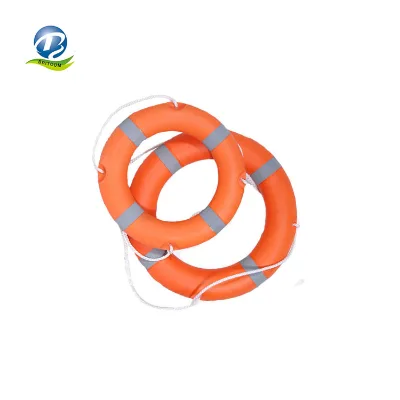
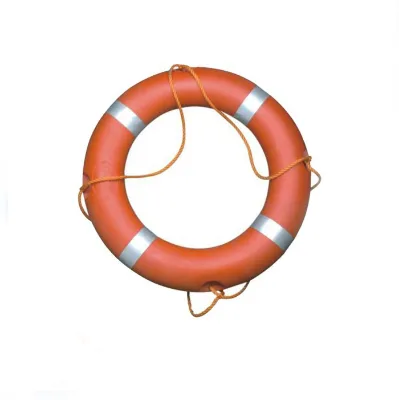


2.5kg and 4.3kg Solas Approved Marine Lifesaving Equipment Lifebuoy for Vessel
$10.00 - $20.00
MOQ: 10 Pieces

Solas Safety Marine Lifesaving Safety Equipment 2.5kg and 4.5kg Life Buoy Ring
$10.00 - $20.00
MOQ: 10 Pieces




Comprehensive Sourcing Guide
SOLAS Life Buoy Sourcing Guide
Sourcing SOLAS-approved life buoys requires a disciplined approach to verifying maritime safety compliance and material integrity. These devices are critical components for aquatic safety, designed to provide immediate buoyancy support in emergency situations. Buyers must prioritize products that meet rigorous international standards, ensuring that every unit can withstand harsh marine environments while maintaining structural reliability. The procurement process involves careful evaluation of technical specifications, certification validity, and supplier capability to deliver consistent quality across large orders.
This guide focuses on evidence-based verification steps for buyers evaluating SOLAS life buoys from global suppliers. It addresses key decision points including material composition, dimensional accuracy, and regulatory documentation. By understanding the specific requirements for marine life-saving appliances, procurement teams can mitigate risks associated with non-compliant equipment. The following sections provide actionable insights into technical verification, commercial terms, and long-term quality assurance strategies essential for successful procurement.
Product Scope and Observed Listing Signals
The observed market signals indicate a diverse range of SOLAS life buoys with varying material compositions and weight specifications. Listings frequently highlight PVC, HDPE, and foam materials, with polyethylene crusts and polyurethane filling providing structural durability. Observed weights range from 2.5kg to 4.3kg, catering to different adult user requirements and regulatory thresholds. These variations suggest that buyers must carefully match product specifications to their specific operational needs, ensuring that the buoyancy and weight align with intended use cases in aquatic environments.
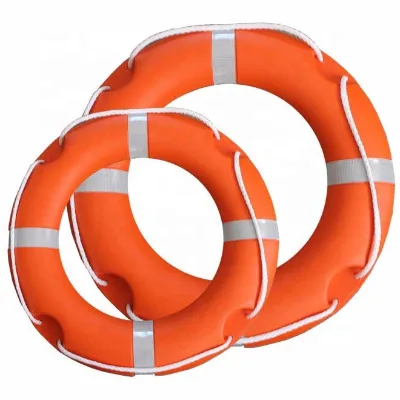
Color and reflective tape specifications are critical for visibility and identification in emergency scenarios. Most observed products feature orange coloring with four reflective tapes, enhancing detectability in low-light or adverse weather conditions. Packaging options vary from wooden cases to export cartons, reflecting different logistical requirements for long-distance transportation. Buyers should verify that packaging methods protect the integrity of the buoy during transit, preventing damage that could compromise safety performance upon deployment.
Technical Specifications to Verify
Dimensional accuracy is paramount for ensuring proper fit and functionality of SOLAS life buoys. Key specifications to verify include outside diameter, inside diameter, and thickness, which directly impact buoyancy and handling characteristics. Observed dimensions such as 760±2mm outside diameter and 460±2mm inside diameter provide benchmarks for quality assessment. Buyers must confirm that these measurements fall within acceptable tolerances to ensure consistent performance across all units in an order, preventing potential failures during critical safety operations.
Material composition and construction details significantly influence the longevity and reliability of life buoys. The combination of hard PU inside material with HDPE or PVC outer layers offers a balance of flexibility and durability. Buyers should verify the presence of reflective tapes and ensure that the waterproofing features are intact. Additionally, drop height specifications, such as 80m, indicate the structural integrity required for deployment from significant heights. Confirming these technical parameters helps ensure that the product meets the rigorous demands of marine safety applications.
Compliance and Safety Documentation
Certification verification is the cornerstone of sourcing compliant SOLAS life buoys. Buyers must ensure that products hold valid certifications from recognized classification societies such as CCS, ABS, GL, NK, BV, LR, DNV, and RINA. These certifications confirm that the life buoys meet international maritime safety standards. Documentation should explicitly state compliance with MSC.81(70) regulations, which govern the performance testing and approval of life-saving appliances. Without proper certification, products may not be accepted for use on commercial vessels or in regulated aquatic environments.
Regulatory compliance extends beyond initial certification to include ongoing adherence to safety standards. Buyers should request test reports and quality assurance documents that demonstrate consistent production quality. The presence of CE marking or other regional certifications may also be relevant depending on the destination market. Verifying that the supplier maintains up-to-date certifications ensures that the products remain compliant with evolving maritime regulations. This diligence protects buyers from liability issues and ensures that the life buoys provide reliable safety performance when needed most.
Cost Drivers and Commercial Terms
Pricing for SOLAS life buoys is influenced by material quality, certification status, and order volume. Observed price ranges vary significantly, reflecting differences in manufacturing standards and supplier capabilities. Buyers should consider the total cost of ownership, including shipping, handling, and potential customs duties, rather than focusing solely on unit price. Higher-priced items may offer superior materials or more comprehensive certification packages, providing better long-term value and reliability. Understanding these cost drivers helps buyers make informed decisions that balance budget constraints with safety requirements.
Minimum order quantities (MOQ) and payment terms are critical commercial considerations. Observed MOQs range from 1 to 1000 pieces, allowing flexibility for both small-scale and large-scale procurement needs. Buyers should negotiate terms that align with their inventory management strategies and cash flow requirements. Additionally, lead times and port of origin, such as Shanghai or Weihai, impact delivery schedules and logistics planning. Clear communication regarding these commercial terms ensures a smooth procurement process and prevents unexpected delays or costs that could disrupt operations.
Supplier Qualification and Quality Control
Supplier qualification involves assessing manufacturing capabilities and quality control processes. Buyers should verify that suppliers have established production lines capable of maintaining consistent quality across large batches. Inspection of raw materials, such as PVC, HDPE, and foam, ensures that only high-quality components are used in construction. Suppliers with robust quality control systems are more likely to deliver products that meet strict dimensional and performance specifications. This diligence reduces the risk of receiving defective units that could compromise safety in emergency situations.
Quality control extends to final product inspection and testing procedures. Buyers should request evidence of routine testing, including drop tests and buoyancy checks, to verify product reliability. Suppliers who provide detailed quality reports and maintain traceability records demonstrate a commitment to excellence. Additionally, evaluating the supplier’s response to customization requests, such as specific branding or packaging requirements, indicates their flexibility and customer service orientation. Choosing a supplier with strong quality control practices ensures that the procured life buoys meet all necessary safety and performance standards.
Long-Term Procurement Checks
Long-term procurement success depends on establishing ongoing supplier performance monitoring and relationship management. Buyers should implement regular audits and quality checks to ensure that suppliers maintain consistent product standards over time. Tracking key performance indicators, such as defect rates and delivery timeliness, helps identify potential issues early. Building a strong relationship with the supplier facilitates better communication and collaboration, leading to improved service and potential cost savings. This proactive approach ensures that the procurement process remains efficient and effective throughout the product lifecycle.
Continuous improvement and adaptation to regulatory changes are essential for long-term compliance. Buyers should stay informed about updates to maritime safety regulations and ensure that their suppliers are aware of these changes. Regularly reviewing product specifications and certifications helps maintain alignment with current standards. Additionally, exploring opportunities for product enhancements or new technologies can provide competitive advantages and improved safety performance. By maintaining a focus on continuous improvement, buyers can ensure that their SOLAS Life Buoy procurement strategy remains robust and reliable in the face of evolving industry demands.
FAQs
What certifications are available for SOLAS Life Buoy products?
SOLAS Life Buoy products are available with multiple international certifications including ISO, GL/EC, FDA, and DOT. Specific models may also carry CCS, ABS, NK, BV, LR, DNV, and RINA approvals. Buyers should verify the exact certification required for their vessel type and regional regulations before placing orders to ensure full compliance.
What materials are used in the construction of these life buoys?
These life buoys are constructed using high-density polyethylene (HDPE) for the outer crust and polyurethane foam for the internal filling. The materials ensure durability and high buoyancy. Some variants also incorporate PVC and hard PU inside materials. This combination provides waterproof performance and long-term reliability in aquatic environments.
What are the standard dimensions and weight specifications?
Standard specifications include an outside diameter of 760±2mm, an inside diameter of 460±2mm, and a thickness of 110±2mm. Common weight options are 2.5kg and 4.3kg, providing a buoyancy of 14.5kg. These dimensions comply with MSC.81(70) regulations for professional marine safety equipment.
Can these life buoys be customized for specific needs?
Yes, customization is available for SOLAS Life Buoy orders. Buyers can request specific model numbers, packaging adjustments, or branding options. The products are suitable for adult use and feature reflective tape for visibility. Custom orders typically require confirmation of technical specifications and minimum order quantities with the supplier.
What is the typical packaging and origin for these products?
Products originate from Jiangsu, China, and Weihai, Shandong. Packaging options include wooden cases, export cartons, and suitable packing for long-distance transportation. The items are designed for professional equipment use and are shipped via major ports like Shanghai. Buyers should confirm packaging details to ensure safe delivery.
What is the minimum order quantity for these life buoys?
The minimum order quantity varies by supplier but typically ranges from 1 to 1000 pieces. Some listings specify an MOQ of 100 pieces for standard models. Buyers should check individual supplier requirements as MOQs may depend on customization levels, certification needs, and current production capacity.