Source Single Hole Drip Irrigation Tape for Flower, Vegetable, and Greenhouse Use
Compare 30 listings for Single Hole Drip Irrigation Tape designed for flower, vegetable, and greenhouse applications. Buyers can evaluate specifications like HDPE material, 12mm diameter, and 100mm dripper spacing from suppliers in Jiangsu and Fuzhou, China.
Key considerations
Products List


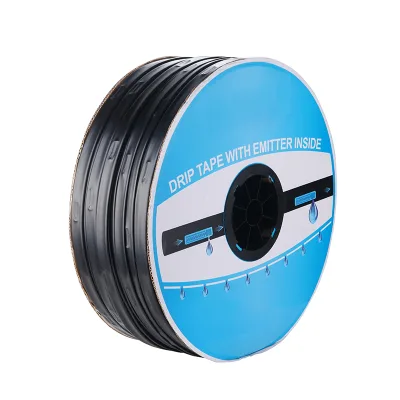


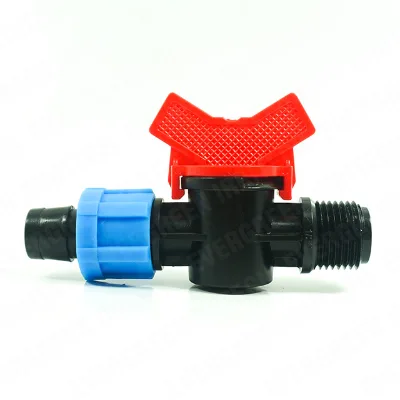
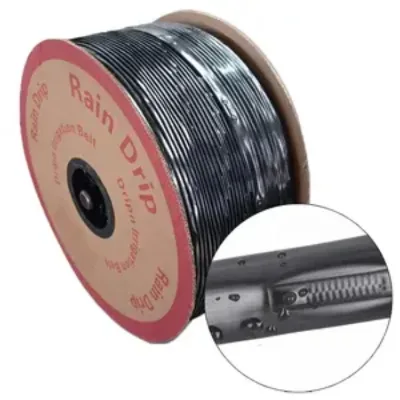

Flat Irrigation Drip Tape for Efficient Irrigation System and Drip Tape Use
$0.02 - $0.05
MOQ: 1000 Meters


Comprehensive Sourcing Guide
Strategic Sourcing Guide for Single Hole Drip Irrigation Tape
Understanding Product Specifications and Technical Attributes
When sourcing Single Hole Drip Irrigation Tape, buyers must first distinguish between the structural components of the greenhouse infrastructure and the specific irrigation distribution hardware. The market data indicates a diverse range of products, from large-scale steel structure greenhouses to specialized irrigation fittings. For the specific core keyword of Single Hole Drip Irrigation Tape, the technical profile is defined by precise dimensional and material constraints. The observed specifications highlight a product diameter of 12mm, often referenced as Dn12, which is critical for compatibility with existing irrigation manifolds and emitters. The wall thickness is a primary determinant of pressure tolerance and longevity, with observed data indicating a thickness of 0.2mm for specific models.
Material composition is equally vital. The supply chain data points to High-Density Polyethylene (HDPE) and general plastic materials as the standard construction for these tapes. HDPE is preferred for its resistance to UV degradation and chemical corrosion, which is essential for agricultural applications. The functional design centers on the "single hole" configuration, where emitters are integrated directly into the tape wall. The observed Dripper Spacing is listed as 100mm, a standard interval that ensures uniform water distribution across crop rows without excessive overlap or dry spots. The head code for these emitters is typically round, facilitating a secure connection to the drip tape while minimizing the risk of clogging.
The application of this tape is strictly defined within agricultural production contexts. It is designed to connect drip pipes and serve as the primary delivery mechanism for water, fertilizers, and disinfectants. The system operates on a pressure-based power source, meaning the tape must maintain structural integrity under the specific pressure requirements of the irrigation pump. The connection type is specified as "Driptape," indicating a seamless integration with the broader irrigation network. Buyers should verify that the specific model, such as those identified by codes like iptp1602100, aligns with their crop row spacing and flow rate requirements.
Compliance, Certification, and Standard Verification
In the B2B agricultural sector, compliance is not merely a formality but a prerequisite for operational reliability and market access. The supply data reveals that ISO 9001 certification is a recurring attribute among suppliers, indicating a commitment to quality management systems. When evaluating potential vendors, buyers should explicitly request proof of ISO 9001 certification to ensure that the manufacturing process adheres to standardized quality control protocols. While some background information mentions standards like ISO 9261 or ASTM D451, these should be treated as reference points for material testing rather than guaranteed specifications unless explicitly confirmed by the supplier.
Certification status must be verified on a per-shipment basis. The presence of an ISO 9001 mark on a product listing does not automatically guarantee that every batch meets the same rigorous standards. Buyers should ask for specific test reports related to the 0.2mm thickness and the 12mm diameter to ensure the physical dimensions match the technical requirements. Furthermore, the origin of the product plays a significant role in compliance. The data indicates origins in Jiangsu, Fuzhou, and generally China. While these regions are established manufacturing hubs, buyers must ensure that the specific factory meets international safety and environmental standards relevant to their local market.
It is crucial to distinguish between product certifications and supplier certifications. A supplier may hold an ISO 9001 certificate for their management system, but the specific irrigation tape product must also meet material standards for agricultural use. Buyers should verify if the product has undergone specific testing for UV resistance, tensile strength, and flow rate consistency. Do not assume that a general "Plastic" material classification implies a specific grade suitable for high-pressure irrigation. The verification process should include a request for the "prod_standard" details, such as the 202025 or 16-32MM dimensions observed in the data, to ensure the product matches the engineering drawings of the irrigation system.
Cost Drivers and Pricing Dynamics
The pricing landscape for Single Hole Drip Irrigation Tape is influenced by a complex interplay of material costs, manufacturing complexity, and logistical factors. The observed price range in the market spans from $0.02 to $3.68 USD. This wide variance suggests that the unit price is not a fixed commodity rate but is heavily dependent on the specific configuration, order volume, and included services. The lower end of the spectrum likely corresponds to basic configurations with standard wall thicknesses and minimal packaging, while the higher end may include specialized materials, custom branding, or bundled accessories.
Volume is the most significant cost driver. The Minimum Order Quantity (MOQ) ranges from 1 to 100,000 units, indicating that suppliers are willing to accommodate both small-scale trials and large-scale industrial deployments. However, the unit price typically decreases as the order volume increases. Buyers should calculate the total landed cost, which includes the base product price, shipping, and any customs duties. The observed lead times of 5 to 25 days also impact cost; shorter lead times often command a premium, while longer lead times may allow for more favorable pricing but require advanced planning.
Packaging specifications also contribute to the final cost. Data shows variations in packing, such as 2000m per roll or 500m per roll, with some units listed as a single piece. The weight of the product, ranging from 14 Kg/CTN to 23 or 27 Kg depending on the model, affects shipping logistics. Heavier rolls increase freight costs, which can erode the savings from a lower unit price. Buyers must evaluate whether the cost savings from a larger roll size (e.g., 2000m) outweigh the handling and storage costs associated with heavier inventory. Additionally, customization options, which are marked as available, will invariably increase the cost per unit but may provide long-term value through brand alignment or specific technical adaptations.
Typical Applications and Agricultural Suitability
The primary application for Single Hole Drip Irrigation Tape is agricultural production, specifically in scenarios requiring precise water and nutrient delivery. The data confirms that the usage extends to disinfection, fertilization, and general irrigation. This versatility makes the tape suitable for a wide range of crops, including flowers and vegetables, which are explicitly listed as suitable applications. The 100mm dripper spacing is particularly effective for row crops where uniform moisture distribution is critical for yield optimization.
The system is designed for tunnel cultivation methods, often associated with greenhouse environments. While the data mentions "Indoor & Outdoor" locations, the specific combination of a steel structure, film covering, and arched roof suggests a strong correlation with greenhouse production. In these controlled environments, the single hole tape allows for the precise application of liquid fertilizers directly to the root zone, minimizing evaporation and runoff. The unheated nature of some greenhouse structures implies that the irrigation system must be robust enough to function in varying temperature conditions without the aid of active heating systems.
For buyers in the garden greenhouse department, the tape serves as a critical component of the production infrastructure. The ability to connect the tape to a pressure source allows for automated irrigation cycles, reducing labor costs and improving water efficiency. The specific application scene of "Agricultural Production" suggests that the tape is intended for commercial-scale operations rather than small home gardens. The round head code and clamping installation type facilitate easy integration into existing irrigation manifolds, making it a practical choice for retrofitting or new installations. Buyers should ensure that the tape's material properties, such as UV resistance, match the specific exposure conditions of their growing environment, whether it is a fully enclosed greenhouse or an open-field tunnel.
Supplier Evaluation and Operational Capabilities
Selecting the right supplier requires a rigorous evaluation of their operational capabilities, customization options, and reliability. The data indicates that OEM (Original Equipment Manufacturer) services are accepted, which is a significant advantage for buyers looking to brand the product or customize specifications. However, the availability of customization does not imply that all suppliers offer the same level of flexibility. Buyers should assess the supplier's ability to meet specific technical requirements, such as the 0.2mm thickness or 12mm diameter, before placing an order.
Lead time is a critical factor in supplier evaluation. The observed range of 5 to 25 days suggests variability in production capacity and supply chain stability. Suppliers with shorter lead times may be better suited for urgent orders or just-in-time inventory strategies, while those with longer lead times might offer more competitive pricing for planned procurement. Buyers should verify the specific lead time for their order size, as larger quantities may extend the production window. The origin of the product, whether Jiangsu, Fuzhou, or general China, should be considered in the context of logistics and potential trade barriers.
Quality control is another essential criterion. The presence of a 3-year warranty on some products indicates a supplier's confidence in their manufacturing quality. However, buyers should not rely solely on the warranty period; they must also review the supplier's quality assurance processes. The observation of specific product models, such as DFS or iptp1602100, suggests that suppliers have established product lines. Buyers should request samples of these specific models to verify the quality of the single hole emitters and the consistency of the tape wall thickness. Additionally, the Gross Weight (G.W.) data, ranging from 23 to 27 Kgs, can be used to verify the density and material quality of the product upon receipt.
Quality Control and Long-Term Procurement Strategy
Implementing a robust quality control (QC) strategy is essential for mitigating risks associated with irrigation tape procurement. The primary focus of QC should be on the dimensional accuracy of the 12mm diameter and the 0.2mm thickness, as deviations can lead to uneven water distribution or premature failure. Buyers should establish a sampling protocol that tests for tensile strength, UV resistance, and flow rate consistency. The observed standard of 16-32MM and 808030 dimensions should be cross-referenced with the actual product received to ensure compliance.
Long-term procurement considerations involve building a sustainable relationship with suppliers who can guarantee consistent quality and supply. The availability of a 3-year warranty is a positive indicator, but buyers should clarify the terms of the warranty, including what constitutes a defect and the process for claims. The customization options available allow for long-term adaptation to changing agricultural needs, such as adjusting dripper spacing or material composition. Buyers should negotiate contracts that include clauses for price stability and supply continuity, especially given the volatility of raw material costs like HDPE.
Furthermore, the integration of the irrigation tape into the broader greenhouse system requires careful planning. The compatibility with steel structures and film coverings must be verified to ensure a seamless installation. The "Production Greenhouse" usage suggests that the system is designed for high-volume output, and any failure in the irrigation tape could result in significant crop loss. Therefore, buyers should consider a dual-sourcing strategy to mitigate supply chain disruptions. Regular audits of the supplier's production facility and quality control records can help maintain high standards over the long term. By focusing on these strategic elements, buyers can ensure a reliable and efficient irrigation system that supports their agricultural production goals.
FAQs
What is the standard dripper spacing for this tape?
The standard dripper spacing is 100mm to ensure uniform water distribution. This interval prevents dry spots and excessive overlap, making it suitable for row crops in agricultural production settings.
Which material is used for the Single Hole Drip Irrigation Tape?
The tape is constructed from High-Density Polyethylene (HDPE) and general plastic materials. HDPE provides necessary resistance to UV degradation and chemical corrosion for long-term agricultural use.
Can buyers customize the product specifications or branding?
Yes, customization is available for this product including OEM services. Buyers can request specific adaptations to align with their brand or technical requirements without compromising the core irrigation function.
What is the typical lead time for manufacturing and delivery?
The lead time ranges from 5 to 25 days depending on order volume and configuration. Shorter lead times may command a premium, while larger orders might require the full production window.
How is the irrigation tape connected to the drip pipe system?
The connection type is specified as Driptape with a round head code for secure integration. This design facilitates clamping installation and seamless connection to existing irrigation manifolds under pressure.
What certifications do the suppliers typically hold for quality assurance?
Suppliers commonly hold ISO 9001 certification for their quality management systems. Buyers should verify specific test reports for dimensions like 0.2mm thickness to ensure batch compliance.
What is the minimum order quantity for purchasing this tape?
The minimum order quantity ranges from 1 to 100,000 units based on supplier capacity. This flexibility allows for both small-scale trials and large industrial deployments with varying unit costs.