Source Single-Screw Fruit Net Machine for Packaging, Export, and Retail
Compare 30 single-screw fruit net machines from verified Chinese suppliers. These units feature automatic operation, LDPE raw materials, and customizable sizes for packing various fruits.
Key considerations
Products List


75 Screw Packing Fruit Net Machinery/EPE Foaming Fruit Net Extrusion Machine
$20000.00 - $25000.00
MOQ: 1 Pieces

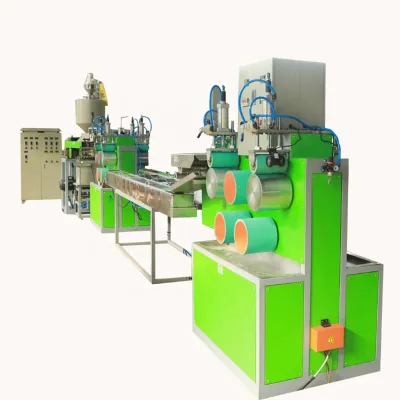
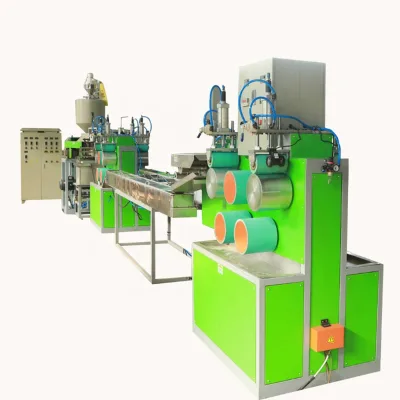
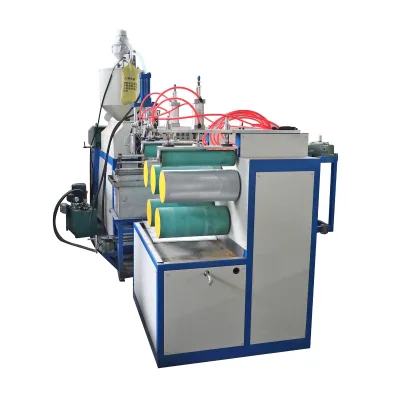
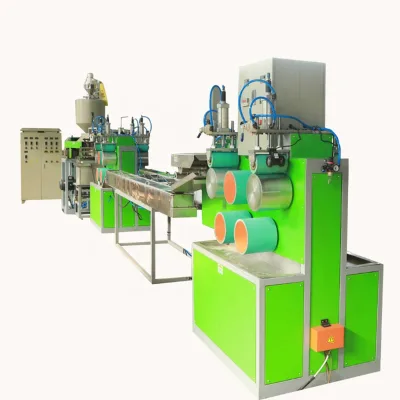
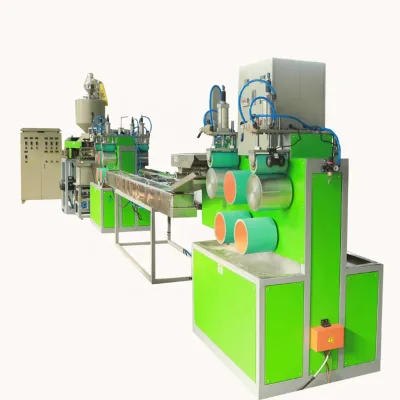
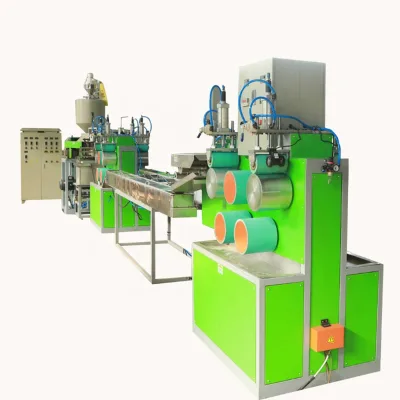


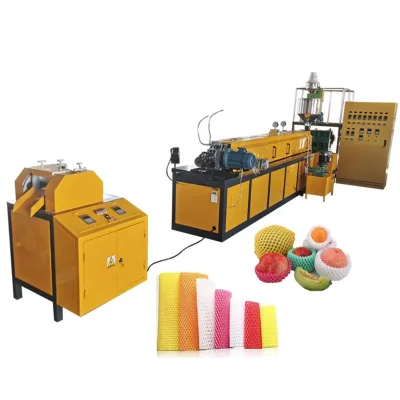
Epe Foam Tube Rod Profile Net Machine Vegetables and Fruit Foam Net Machine
$12000.00 - $13000.00
MOQ: 1 sets
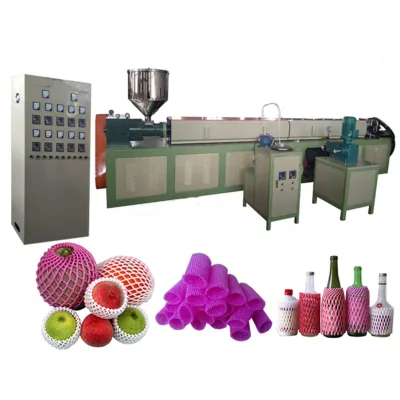
Newest Plastic Mesh Foam Epe Extruder Machine Epe Fruit Net Making Machine
$12000.00 - $13000.00
MOQ: 1 sets
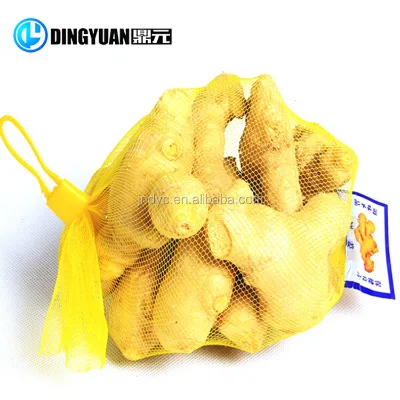

Plastic Fruit Vegetable Potato Packaging Bag Mesh Bubble Net Stretch Net Machine
$49999.00 - $59999.00
MOQ: 1 Sets


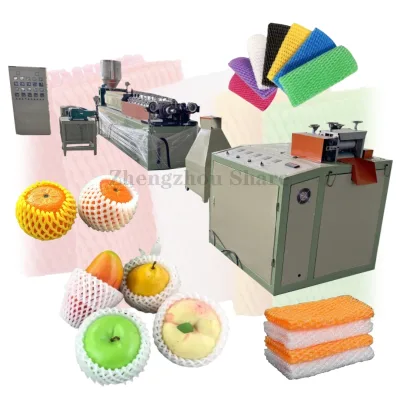
Fruit and Vegetable Epe Foam Extruder Fruit Net Machine Foam Net Making Machine
$13999.00 - $14285.00
MOQ: 1 sets

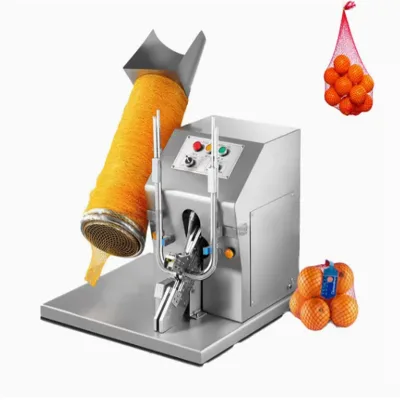
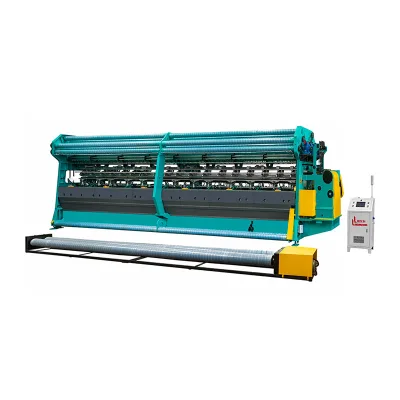
Comprehensive Sourcing Guide
Strategic Sourcing Guide for Single-Screw Fruit Net Machines
The global demand for protective packaging solutions has driven significant investment in specialized manufacturing equipment, particularly for fruit netting. For procurement professionals targeting the single-screw fruit net machine, the market presents a complex landscape of technical configurations, material capabilities, and supplier variances. This guide synthesizes observed product attributes and industry standards to provide a disciplined framework for evaluating potential machinery. The focus remains on verifying factual specifications, understanding cost structures, and ensuring long-term operational reliability without relying on unverified marketing claims.
Technical Architecture and Core Specifications
Understanding the mechanical architecture of a single-screw fruit net machine is the first step in the procurement process. Based on observed product data, these units are predominantly classified as computerized systems designed for high-precision extrusion. The core mechanism relies on a single-screw design, which is distinct from twin-screw configurations often used for compound mixing. The screw geometry is a critical variable; observed specifications indicate a Screw L/D (Length to Diameter) Ratio of 33:1, a parameter that influences melting efficiency and output stability. The screw diameter typically ranges between 50mm and 65mm, while the screw material is frequently specified as 38CrMoALA, a nitrided steel known for high wear resistance and surface hardness, essential for processing abrasive additives or high-volume runs.
The extrusion principle for these machines often utilizes a High-Pressure Air Type mechanism to form the net structure. This method requires precise control over compressed gas parameters. Verified data suggests a compressed gas requirement of 0.2-0.4 M3/Min at a pressure of 0.6MPa. Deviations from these pressure thresholds can result in inconsistent net aperture sizes or structural weakness in the final product. Power specifications are another critical technical constraint; observed units operate at 42kW with a power supply requirement of 380V 50Hz. Buyers must verify that their facility infrastructure can support this specific voltage and frequency, as mismatched power inputs can lead to motor failure or inefficient operation.
The control system is a defining feature of modern units. Most observed models employ Frequency control for the screw speed, allowing operators to adjust the rotation rate, typically observed at 120 rpm, to match material viscosity and output requirements. The machinery is often described as "Automatic" and "Computerized," implying an integrated control panel that manages temperature zones, screw speed, and air pressure simultaneously. The physical footprint of these machines varies significantly; dimensions observed include a large industrial unit measuring 1050025003500mm, while other models may be more compact, such as those with a standard of 55001200200mm. This variance necessitates a careful review of factory floor plans before purchase.
Material Compatibility and Production Standards
The versatility of the single-screw fruit net machine is largely defined by its material compatibility. The primary raw material identified in the market is LDPE (Low-Density Polyethylene), supplied in pellet form. This material choice is standard for fruit netting due to its flexibility and durability. However, buyers should note that the machine's capability to handle other materials is not universally guaranteed. The product type is explicitly listed as "Foam Net" or "Fruit Net," and the final product is often categorized as a "Packing net" or "Different Kind of Fruit Net."
Production standards vary by manufacturer and model. Observed standards include specific designations such as "75 fruit net" or "55001200200mm" as a dimensional standard. The term "middle" appears in some standard descriptions, which may refer to a specific gauge or density class, though this requires direct verification with the supplier. The machine's function is explicitly stated as "making the plastic net," with applications extending to Bar, Pipe, Sheet, Filament, and Straw production in some configurations. This suggests that while the primary focus is fruit netting, the extrusion technology may be adaptable to other plastic forming processes.
Customization is a prevalent attribute in this sector. The product attributes list "Customization: Available" and "Customized: Customized" alongside "Product Shape: Customer" and "Size: Customerized." This indicates that buyers can request modifications to the die head, screw configuration, or output dimensions to suit specific fruit varieties or packaging requirements. However, "Customerized" should be interpreted as a variable dependent on the specific supplier's engineering capabilities rather than a standard feature across all units. Buyers must clearly define their required net mesh size, tensile strength, and elasticity during the inquiry phase to ensure the supplier can meet these bespoke needs.
Compliance, Certification, and Regulatory Verification
Navigating the compliance landscape is essential for international procurement. The most frequently observed certifications for these machines are CE and ISO9001. The CE mark indicates conformity with health, safety, and environmental protection standards for products sold within the European Economic Area. The ISO9001 certification suggests that the manufacturer adheres to a quality management system, though it does not guarantee the performance of the specific machine unit. It is crucial to distinguish between the certification of the machine itself and the certification of the manufacturing facility.
Some product listings include "Certificationg: CE," which appears to be a typographical variation of the standard CE mark. Buyers should request official certification documents directly from the supplier to verify validity. Additionally, the machinery test report is listed as "Provided" in several observations. This document is a vital piece of evidence for quality assurance, detailing the results of factory acceptance tests (FAT). It should include data on power consumption, screw speed stability, and output consistency. Without a provided test report, the buyer lacks objective evidence of the machine's performance prior to shipment.
When evaluating compliance, buyers must also consider the origin of the machinery. The majority of observed units originate from China, with specific provinces like Henan and Jiangsu mentioned as places of origin. While this does not inherently imply a quality issue, it highlights the need for rigorous due diligence regarding local regulations and export compliance. The "Standard Export Package" and "Wood Packing" or "Wooden Case" are standard shipping requirements, but the buyer should verify that the packaging meets international phytosanitary standards if the wood is not treated, to avoid customs delays.
Cost Drivers and Financial Considerations
The pricing structure for single-screw fruit net machines is highly variable, with observed ranges spanning from $0.14 to $250,000 USD. This extreme disparity reflects differences in machine size, automation level, brand reputation, and included features. The lower end of the range likely corresponds to smaller, semi-automatic units or basic models with minimal customization, while the higher end represents fully computerized, large-scale industrial systems with advanced control systems and extended warranties.
Several factors drive the cost of these machines. The inclusion of core components such as high-grade bearings, motors, gears, pressure vessels, and engines significantly impacts the price. The use of premium materials like 38CrMoALA for the screw also adds to the cost. Furthermore, the level of automation and computerization plays a major role; machines with advanced frequency control and integrated PLC systems command a premium over manual or semi-automatic counterparts. The warranty period, typically observed as 1 Year, is another cost factor; extended warranty options may increase the initial purchase price but reduce long-term risk.
Buyers should also account for the Minimum Order Quantity (MOQ), which ranges from 1 to 1000 units. While the machine itself is a single unit purchase, the MOQ may apply to spare parts or specific custom configurations. The "Brand Name" is another variable; established brands like "deedo" may carry a price premium compared to generic or unbranded equipment. When evaluating the total cost of ownership, buyers must consider not only the purchase price but also installation costs, energy consumption (42kW is a significant load), and the cost of raw materials (LDPE pellets).
Supplier Evaluation and Geographic Context
Evaluating suppliers requires a focus on transparency and capability. The market is dominated by "China Supplier" entities, with specific mentions of locations in Henan and Jiangsu. These regions are known for their manufacturing clusters, but the density of suppliers can make differentiation challenging. Buyers should verify the "Supplier" attribute beyond the generic label. A reputable supplier will provide detailed information about their engineering team, production capacity, and after-sales support network.
The "Brand Name" attribute, such as "deedo," can serve as a proxy for brand recognition, but it should not be the sole criterion for selection. Buyers must assess the supplier's ability to provide the "Machinery Test Report" and their willingness to share detailed specifications. The "Function" of the machine, described as "making the plastic net," is a basic requirement; the real differentiator lies in the supplier's ability to customize the machine for specific fruit types or net densities.
Geographic location impacts logistics and lead times. While the "Place of Origin" is often listed as China, specific provinces like Jiangsu and Henan may have different logistical advantages depending on the buyer's location. Buyers should inquire about the "Lead Time," which is not explicitly provided in the observed data but is a critical procurement factor. The "Packing" method, whether "Wood Packing," "Standard Wood Packing," or "Standard Export Package," also affects shipping costs and handling requirements.
Quality Control and Long-Term Procurement Strategy
Ensuring quality control is paramount when sourcing heavy industrial machinery. The presence of a "Machinery Test Report" is a strong indicator of a supplier's commitment to quality. Buyers should insist on this document before finalizing payment. The report should verify the performance of core components like the motor, screw, and pressure vessel under load. Additionally, the "Warranty" of 1 Year provides a baseline for post-delivery support, but buyers should negotiate terms for critical components like the screw and motor, which are subject to high wear.
Long-term procurement considerations include the availability of spare parts and technical support. The "Core Components" list includes bearings, motors, gears, and engines, all of which are consumable items over time. A supplier with a robust supply chain for these parts is essential for minimizing downtime. The "Customization" aspect also implies a need for ongoing technical collaboration; as production needs evolve, the machine may require adjustments or upgrades.
Finally, buyers should maintain a disciplined approach to documentation. All specifications, including "Size," "Dimension," and "Power Specifications," should be recorded in the purchase contract. The "Product Type" and "Final Product" descriptions must align with the buyer's production goals. By treating product attributes as observations rather than universal claims, buyers can navigate the market with a clear understanding of what is standard and what requires specific verification. This evidence-based approach ensures that the investment in a single-screw fruit net machine delivers the expected performance and reliability in the long term.
FAQs
What raw material is used for single-screw fruit net machines?
The primary raw material is LDPE supplied in pellet form. This material is standard for fruit netting due to its flexibility, though specific material compatibility should be verified with the supplier for other plastics.
Which certifications are typically available for these machines?
Common certifications include CE and ISO9001 for the machine and facility respectively. Buyers should request official documentation to verify validity and distinguish between product conformity and quality management system adherence.
How is the screw material specified for durability?
The screw is frequently made of 38CrMoALA nitrided steel for high wear resistance. This material choice ensures surface hardness and longevity, especially when processing high-volume runs or abrasive additives.
Can the machine size be customized for specific needs?
Yes, customization is available for product shape, size, and die head configurations. Buyers must define required net mesh size and density during inquiry to ensure the supplier can meet these bespoke engineering requirements.
What power specifications are required for operation?
Units typically operate at 42kW with a power supply requirement of 380V 50Hz. Facility infrastructure must support this specific voltage and frequency to prevent motor failure or inefficient operation during production.
Which warranty period is standard for this equipment?
The standard warranty period observed is 1 Year for the machinery. Buyers should negotiate terms for critical components like the screw and motor, as these are subject to high wear during operation.