Source Single-Screw Horizontal Baler for Paper, Bottles, and Textiles
Find and compare 30 single-screw horizontal baler for paper and beverage bottle units from verified Chinese manufacturers. Buyers can evaluate automation levels, pressure strapping capabilities, and material processing options for waste paper, PET bottles, and textiles.
Key considerations
Products List


Horizontal Waste Paper Hydraulic Baler Cans Baler Bottle Hydraulic Baler
$9000.00 - $11000.00
MOQ: 1 Pieces


Semi-Automatic Horizontal Baler for Pet Bottle Baling Machine Compacting Machine
$30000.00 - $60000.00
MOQ: 1 Pieces


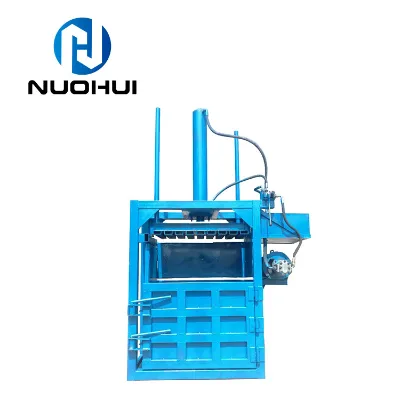

Fully Automatic Horizontal Baler for Plastic Film / Cardboard/ Pet Bottles
$20000.00 - $95000.00
MOQ: 1 Pieces

Industrial Hydraulic Fully Automatic Horizontal Cardboard and Plastic Bottle Baler
$20000.00 - $50000.00
MOQ: 1 Pieces

CE/ISO Automatic Horizontal Baler-Custom Size for Cardboard/Plastic Bottles
$20000.00 - $50000.00
MOQ: 1 Pieces

Automatic Horizontal Baler for Domestic Waste Plastic Bottle Film Paper Straw Baling
$20000.00 - $95000.00
MOQ: 1 Pieces


Good Quality Guaranteed Efficient Cardboard Baler for Plastic Bottles
$20000.00 - $100000.00
MOQ: 1 Pieces
Comprehensive Sourcing Guide
Strategic Sourcing Guide for Single-Screw Horizontal Baler Systems
The global demand for efficient waste management and recycling infrastructure has elevated the importance of industrial baling equipment. Specifically, the search for a single-screw horizontal baler designed for paper and beverage bottles represents a critical procurement decision for facilities aiming to optimize space, reduce logistics costs, and enhance sustainability metrics. While the market offers a wide array of machinery, the specific configuration of a single-screw horizontal unit presents unique operational characteristics that differ significantly from the double-screw or vertical models often observed in general listings. Buyers must navigate a complex landscape of technical specifications, certification requirements, and supplier capabilities to ensure the selected machinery aligns with their specific throughput needs and material profiles.
Technical Architecture and Operational Mechanics
Understanding the mechanical distinction between single-screw and double-screw systems is fundamental to the procurement process. The supplied product data frequently references "Double-Screw" configurations, particularly for processing film and PET plastics. However, the core keyword specifies a "single-screw" design. In the context of horizontal balers, a single-screw mechanism typically utilizes a rotating screw to feed material into a compression chamber, offering a continuous feeding action that can be advantageous for loose, low-density materials like paper and beverage bottles. This contrasts with the double-screw systems noted in the data, which often provide higher compaction forces for denser or more variable materials.
When evaluating a single-screw horizontal baler, buyers should verify the drive type and automation level. The provided facts indicate that driven types are predominantly "Electric," and automation ranges from "Semi-Automatic" to "Full-Automatic" with "PLC" control systems. For a single-screw horizontal unit intended for paper and bottles, the control system is critical. A PLC-based system allows for precise monitoring of pressure, cycle times, and screw rotation speeds, ensuring consistent bale density. The standard voltage configuration observed in the market is "Three-Phase 380V or Customized," a detail that must be confirmed against the facility's electrical infrastructure before ordering.
The structural integrity of the machine is another key technical consideration. The data mentions "Pressure Strapping" as a structural attribute, which is essential for maintaining bale integrity after ejection. Furthermore, the working efficiency is described as "High Productivity," a claim that buyers must validate through performance data specific to the single-screw model. Unlike the "Vertical Baler" models often associated with lower throughput, a horizontal configuration generally supports higher volume processing, making it suitable for large-scale recycling centers or manufacturing plants generating significant volumes of paper and plastic waste.
Compliance, Certification, and Safety Standards
In the international B2B procurement of heavy machinery, compliance with international standards is non-negotiable. The supplied facts consistently highlight "CE" and "ISO9001" certifications as standard attributes for the machinery available. The CE marking indicates conformity with health, safety, and environmental protection standards for products sold within the European Economic Area, while ISO9001 signifies that the manufacturer adheres to a recognized quality management system. For a single-screw horizontal baler, verifying these certifications ensures that the electrical systems, hydraulic components, and mechanical guards meet rigorous safety protocols.
Buyers must also scrutinize the specific standards applied to the machine's construction. The data references a "Voltage Standard" of "Three-Phase 380V," but it is crucial to confirm if the machine meets local grid standards in the buyer's region, which may differ from the "Customized" options mentioned. Additionally, the "Hydraulic Oil" used is specified as "Wear-Resistant Hydraulic Oil Brand," suggesting that the manufacturer considers the longevity of hydraulic components. However, buyers should request documentation regarding the specific hydraulic standards and the compatibility of the oil with the machine's seals and pumps to prevent premature failure.
Safety features are integral to the "Feature" list, which includes "High Efficiency, Precision, Automation." A compliant machine should also include emergency stop mechanisms, safety interlocks on access doors, and clear operational warnings. The "Video Outgoing-Inspection" provided by suppliers serves as a valuable tool for verifying that the machine meets these safety and compliance standards before shipment. Buyers should ensure that the video inspection covers critical safety components, not just the general appearance of the unit.
Cost Drivers and Pricing Variables
The pricing for industrial balers is influenced by a complex array of factors, ranging from raw material costs to the level of automation and customization. The observed price range in the market spans from $1,439 to $100,000 USD, a vast disparity that reflects differences in capacity, brand, and feature sets. For a single-screw horizontal baler, the cost will likely be driven by the size of the compression chamber, the power of the electric motor, and the sophistication of the PLC control system.
The "Weight" of the machine, noted as "2000 Kg" in some listings, is a significant factor in shipping and installation costs. Heavier machines generally imply a more robust frame capable of withstanding higher pressures, which can justify a higher price point. However, buyers must be cautious of inflated weight claims that do not correlate with the actual compaction force or throughput capabilities. The "MOQ" (Minimum Order Quantity) is observed as "1" in the data, indicating that single-unit purchases are feasible, which is beneficial for smaller operations or pilot projects.
Customization is a major cost driver. The data lists "Customization: Available" alongside "Customized: Non-Customized," highlighting the variability in supplier offerings. Options such as "Color: Accept Customized," "Voltage Standard: Three-Phase 380V or Customized," and specific bale dimensions (e.g., "1.11.52.8 cubic meters" or "200012002996") can significantly impact the final price. Buyers should clearly define their requirements for bale size and electrical compatibility to avoid unnecessary costs associated with non-standard configurations. Additionally, the "Packaging" method, whether "Container," "Semi-Wrapped Film," or "Wooden Case," affects logistics costs and must be factored into the total landed cost.
Typical Applications and Material Compatibility
The core keyword specifies "paper and beverage bottle" processing, which aligns with the "Material Processed" attributes of "Film," "PET," and "Plastic Bottle" found in the data. While the data also mentions "Metals, Hay, Grass, Silage, Clothing, Textiles," the single-screw horizontal baler is particularly well-suited for the fibrous and semi-rigid nature of paper and plastic bottles. These materials require a balance of feeding efficiency and compaction force that a single-screw mechanism can provide effectively.
The "Application" field in the data explicitly lists "Waste Paper," confirming the machine's suitability for this sector. Beverage bottles, often made of PET, require a machine that can handle the varying shapes and sizes without jamming. The "Double-Screw" systems noted in the data are often preferred for film, but a single-screw horizontal design can be optimized for bottles through specific screw geometry and chamber design. Buyers should verify that the specific model they are considering has been tested or proven to handle the specific mix of paper and PET bottles they intend to process.
The "Function" of the machine is described as "High Effieciency," which is crucial for maintaining throughput in high-volume recycling operations. The "Working Efficiency" is linked to the "Automation" level; a "Full-Automatic" system with PLC control will offer higher consistency and lower labor costs compared to a "Semi-Automatic" or "Non Automation" model. For paper and bottle recycling, where material consistency can vary, an automated system with sensors and feedback loops is highly recommended to maintain optimal bale density and prevent equipment downtime.
Supplier Evaluation and Geographic Considerations
The origin of the machinery is a critical factor in supplier evaluation. The data indicates origins in "Shandong, China," "Hebei, China," and generally "China." These regions are known for their manufacturing hubs for industrial machinery. When evaluating suppliers from these locations, buyers should assess the depth of their experience with single-screw horizontal balers specifically, rather than just general baler production. The presence of "Engineers Available to Service Machinery Overseas" is a significant advantage, indicating a supplier's commitment to long-term support.
The "After-sales Service" attribute is paramount for minimizing downtime. A supplier that provides "Spare Part Provided" and offers overseas engineering support demonstrates a robust service network. Buyers should verify the availability of critical spare parts, such as hydraulic seals, screw components, and PLC modules, and inquire about lead times for these parts. The "Condition" of the machine is listed as "New," but buyers should clarify the warranty terms and the scope of the "Video Outgoing-Inspection" to ensure the machine is in pristine condition before shipment.
Geographic proximity to the supplier can influence shipping costs and lead times. While the data does not provide specific lead times, the "Location" of the factory in China suggests that international shipping will be involved. Buyers should factor in customs duties, import taxes, and freight costs when calculating the total investment. The "prod_packing" methods, such as "Container" or "Wooden Case," should be selected based on the shipping route and the fragility of the equipment to ensure safe delivery.
Quality Control and Long-Term Procurement Strategy
Quality control is the backbone of a successful procurement strategy. The "Video Outgoing-Inspection" provided by suppliers is a valuable tool for initial quality verification. However, buyers should also request detailed test reports, including hydraulic pressure tests, electrical safety checks, and performance trials with the specific materials they intend to process. The "Certification" of CE and ISO9001 provides a baseline, but on-site inspections or third-party verification can offer additional assurance of quality.
Long-term procurement considerations extend beyond the initial purchase price. The "Spare Parts" availability and the "After-sales Service" network are critical for maintaining operational continuity. Buyers should establish a relationship with the supplier that includes a clear service agreement, covering response times, parts availability, and technical support. The "Feature" of "High Efficiency, Precision, Automation" suggests that the machine is designed for long-term, high-volume use, making the reliability of the supplier equally important as the machine's technical specifications.
In conclusion, sourcing a single-screw horizontal baler for paper and beverage bottles requires a meticulous approach to technical verification, compliance checking, and supplier evaluation. By focusing on the specific needs of the material profile, ensuring robust certification, and selecting a supplier with a proven track record of after-sales support, buyers can secure a machine that delivers high efficiency and long-term value. The vast price range and diverse specifications in the market necessitate a careful comparison of features, costs, and capabilities to make an informed decision that aligns with the facility's operational goals.
| Feature Category | Key Verification Points | Market Observation |
|---|---|---|
| Automation | PLC Control, Semi vs. Full Auto | Ranges from Semi-Automatic to Full-Automatic |
| Material Processed | Paper, PET Bottles, Film | Supports Paper, PET, and Film |
| Certification | CE, ISO9001 | CE and ISO9001 are standard |
| Voltage | 3-Phase 380V or Custom | Three-Phase 380V or Customized |
| Origin | Manufacturing Hub | Shandong, Hebei, or General China |
| Service | Overseas Support, Spare Parts | Engineers Available, Spare Parts Provided |
| Packaging | Container, Wooden Case | Container, Semi-Wrapped Film, Wooden Case |
FAQs
What certifications do single-screw horizontal balers typically hold?
These machines typically hold CE and ISO9001 certifications to ensure safety and quality standards. Buyers should verify these marks on the product page to confirm compliance with international regulations before placing an order.
Can the voltage standard be customized for different regions?
Yes, the voltage standard can be customized to meet specific facility requirements. The common baseline is Three-Phase 380V, but suppliers often offer tailored electrical configurations to match local grid infrastructure.
How is the machine packed for international shipping?
The machine is packed in a container, wooden case, or semi-wrapped film depending on the specific model and supplier. This packaging ensures the unit remains secure during transit and protects critical components from damage.
What is the typical weight of a single-screw horizontal baler?
A typical unit weighs around 2000 Kg, indicating a robust frame capable of handling high compression forces. This weight is a key factor for calculating shipping costs and determining the necessary foundation for installation.
Are spare parts provided for long-term maintenance?
Yes, spare parts are provided to ensure the machine remains operational over time. Suppliers also offer engineers available to service machinery overseas, which helps minimize downtime and maintain high productivity levels.
Which automation levels are available for these baler systems?
Available automation levels range from semi-automatic to full-automatic with PLC control systems. The choice depends on the desired level of precision and labor efficiency, with full-automatic options offering higher productivity for large volumes.