Source anti-slip microfiber yoga towel for Gym, Home, and Pilates
Compare 30 verified listings for the anti-slip microfiber yoga towel tailored for gym, home, and pilates use. Buyers can evaluate customization options, material features like quick-dry properties, and supplier certifications such as ISO9001 and SGS directly from the catalog.
Key considerations
Products List


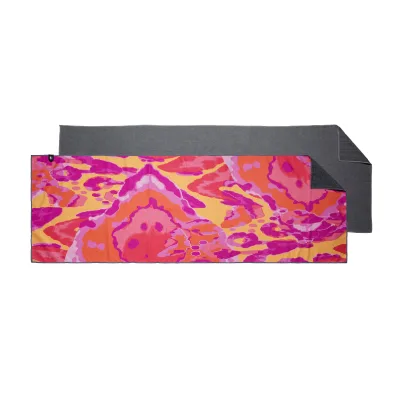


Modern Style Special Counter Non-Slip Quick Dry Sports Microfiber Yoga Towel
$8.84 - $8.86
MOQ: 113 Pieces


Popular Design Good Selling Super Soft Sweat Absorbent Perfect Yoga Towel
$3.84 - $3.86
MOQ: 259 Pieces


Comprehensive Sourcing Guide
Strategic Sourcing Guide for Anti-Slip Microfiber Yoga Towels
Understanding Product Specifications and Technical Attributes
When sourcing anti-slip microfiber yoga towels, the primary objective is to align technical specifications with the intended usage environment. The core material for this category is consistently identified as microfiber, a synthetic fabric chosen for its superior absorbency and rapid drying capabilities compared to traditional cotton. In the current market landscape, these towels are engineered specifically for high-intensity activities such as gym exercises, home gym routines, and specialized yoga and pilates sessions. The functional requirements extend beyond simple absorption; the product must provide a non-slip surface to ensure safety during dynamic movements.
Dimensions are a critical differentiator in this sector. Market observations indicate standard size ranges, with common specifications including 17361 cm, 18361 cm, and 65*184 cm. Some manufacturers offer customized dimensions to fit specific mat sizes or user preferences. The weight of the product is another vital metric; a typical observed weight for a high-quality unit is around 750g, which suggests a dense weave capable of absorbing significant moisture without becoming overly heavy or difficult to carry. The texture and finish vary between solid colors, plain dyed options, and printed patterns, allowing buyers to select based on aesthetic preferences or branding needs.
The structural integrity of the towel is often enhanced by features such as cooling technology and quick-dry properties. These attributes are essential for maintaining hygiene and comfort during prolonged use. The product is generally designed for adult users, with specific designs often targeting women, though the functional utility applies broadly. Packaging methods also vary, ranging from simple paper wraps to boxes and cartons, with some bulk options offering 6 pieces per polybag. Understanding these baseline specifications is the first step in defining a precise Request for Quotation (RFQ) that eliminates ambiguity and ensures the supplier understands the exact product requirements.
Compliance, Certification, and Safety Standards
In the B2B procurement of textile products intended for direct skin contact and physical activity, verifying compliance and certification is non-negotiable. The safety and quality of the microfiber material must be validated against international standards to mitigate liability and ensure consumer trust. Based on available industry data, reputable suppliers in this sector often hold certifications such as RoHS, ISO9001, CE, SGS, and Sedex. These credentials indicate that the manufacturing process adheres to strict environmental, quality management, and social responsibility protocols.
RoHS certification ensures that the product does not contain restricted hazardous substances, which is crucial for textiles that may be exposed to sweat and heat. ISO9001 demonstrates that the supplier maintains a robust quality management system, reducing the risk of production inconsistencies. CE marking is a mandatory conformity mark for products sold within the European Economic Area, indicating compliance with health, safety, and environmental protection standards. SGS certification provides third-party verification of product quality and safety, while Sedex certification highlights the supplier's commitment to ethical labor practices and supply chain transparency.
Buyers must verify that these certifications are current and applicable to the specific product model being sourced. It is important to note that not every listed product in a general catalog may possess all certifications; therefore, specific verification for the chosen model number is required. For instance, while some models may be certified, others might only meet basic domestic standards. The procurement strategy should include a request for valid certificate copies and a verification of their scope to ensure they cover the specific manufacturing facility and product line. This due diligence protects the buyer from potential regulatory issues and ensures the final product meets the safety expectations of the end consumer.
Cost Drivers and Pricing Dynamics
The pricing structure for anti-slip microfiber yoga towels is influenced by several variable factors, creating a wide range of potential costs. Observed market data suggests a price range from $0.39 to $12.00 USD, a span that reflects significant differences in material quality, customization levels, order volume, and packaging complexity. The primary cost driver is the level of customization. Standard solid-color towels with minimal branding will sit at the lower end of the price spectrum, while products featuring custom printing, complex patterns, or specialized packaging will command higher prices.
Order volume is another critical determinant of cost. The Minimum Order Quantity (MOQ) varies significantly among suppliers, with observed ranges from 1 piece to 1000 pieces. Suppliers offering an MOQ of 50 or 100 pieces may charge a higher unit price due to the setup costs associated with smaller production runs. Conversely, larger orders often benefit from economies of scale, reducing the per-unit cost. However, buyers must balance cost savings with inventory management risks. Small order acceptance is available in the market, allowing for trial runs or testing new designs without a massive financial commitment.
Additional cost factors include the type of packaging and the origin of the product. Products originating from specific regions like Jiangsu or Suzhou in China may have different logistics and labor cost structures compared to other manufacturing hubs. The inclusion of features such as cooling technology or ultra-soft finishes also adds to the production cost. Furthermore, payment terms such as PayPal, Western Union, TT, and Trade Assurance can influence the final transaction costs, as some methods may incur higher fees or require specific financial arrangements. Buyers should analyze the total landed cost, including shipping and duties, rather than focusing solely on the unit price to make an informed procurement decision.
Typical Applications and Usage Scenarios
The versatility of anti-slip microfiber yoga towels makes them suitable for a diverse range of applications beyond traditional yoga practice. The primary usage scenario is within the gym and fitness environment, where the towel serves as a barrier between the user and shared equipment, preventing the spread of bacteria and providing a non-slip surface for safety. The "Home Gym" usage is equally significant, catering to the growing trend of personal fitness spaces where hygiene and equipment protection are paramount.
Beyond fitness centers and home use, these towels are increasingly utilized in the hospitality and gift sectors. The "Hotel" application suggests that these products are marketed as premium amenities for spas, wellness centers, and high-end gyms attached to hotels. The "Gifts" category indicates that the product is packaged and marketed as a promotional item or a corporate gift, leveraging the customization options for branding. The "Sports" application extends to various athletic disciplines where sweat management and grip are essential.
The product is also designed for specific demographic groups, with a notable focus on women, though the functional benefits apply to all adult users. The "Type" classification often includes "Yoga & Pilates" and "Hand Towel," indicating dual functionality. Whether used as a mat cover, a neck towel, or a general cleaning cloth, the microfiber material's quick-dry and durable properties make it a practical choice for active lifestyles. Buyers should consider these varied applications when defining the target market and tailoring the product specifications to meet the specific needs of each segment.
Supplier Evaluation and Verification Protocols
Selecting the right supplier is a critical step in the procurement process, requiring a thorough evaluation of their capabilities, reliability, and ethical standards. The first step is to verify the supplier's location and production capacity. Many suppliers in this sector are based in China, with specific hubs in Jiangsu and Suzhou known for textile manufacturing. Buyers should confirm the exact origin of the product to understand the logistics and potential tariff implications.
The supplier's ability to handle customization is a key evaluation metric. The market data indicates that OEM (Original Equipment Manufacturer) services and custom logo acceptance are standard offerings. Buyers should assess the supplier's flexibility in handling different order sizes, from small orders of 1 piece to large bulk orders of 1000 pieces. The availability of custom printing and pattern options should be confirmed, along with the lead times associated with these customizations.
Communication and payment terms are also essential factors. Reputable suppliers typically offer a range of payment methods, including PayPal, Western Union, TT, and Trade Assurance. Trade Assurance, in particular, offers a layer of protection for the buyer, ensuring that the transaction is secure and that the supplier adheres to the agreed-upon terms. Buyers should also evaluate the supplier's responsiveness and their ability to provide samples within the observed lead time of 7-15 days for samples and 30-60 days for formal orders. A supplier that can consistently meet these timelines and provide clear communication is more likely to deliver a successful long-term partnership.
Quality Control and Long-Term Procurement Considerations
Ensuring consistent quality is paramount for maintaining brand reputation and customer satisfaction. Quality control measures should be implemented at every stage of the production process, from raw material sourcing to final packaging. Buyers should request detailed information on the production standards, such as the specific model numbers (e.g., TP19-YMTL-MTL 301, TP21-YT-715-1, YJPJ21106-1, BZMYT03, RT068-YT001) to ensure traceability. The packaging specifications, whether paper wrap, box, or carton, must be robust enough to protect the product during transit.
Long-term procurement considerations involve building a sustainable supply chain. This includes establishing clear communication channels, agreeing on consistent quality benchmarks, and setting realistic expectations for lead times and order volumes. Buyers should also consider the environmental impact of their procurement, looking for suppliers who adhere to sustainability standards like Sedex. The ability to scale production up or down based on market demand is another crucial factor. Suppliers that offer flexible MOQs and small order acceptance can help buyers manage inventory risks and adapt to changing market conditions.
Finally, buyers should plan for continuous improvement and feedback loops. Regular quality audits, customer feedback analysis, and supplier performance reviews will help identify areas for improvement and ensure that the product continues to meet the evolving needs of the market. By focusing on these long-term strategies, buyers can secure a reliable supply of high-quality anti-slip microfiber yoga towels that support their business growth and customer satisfaction goals.
Comparative Analysis of Product Models
To facilitate a clearer understanding of the available options, the following table compares key attributes of the observed product models. This comparison highlights the variations in specifications, packaging, and origin that buyers should consider during the selection process.
| Model Number | Standard Size | Material | Origin | Packaging | Key Features |
|---|---|---|---|---|---|
| TP19-YMTL-MTL 301 | 17361 / 18361 cm | Microfiber | Jiangsu China | Paper Wrap/Box | Waterproof, Durable |
| TP21-YT-715-1 | 65*184 cm | Microfiber | China | Carton | Printed Pattern, Custom Printing |
| YJPJ21106-1 | 65*184 cm | Microfiber | China | 654845 Cm | Custom Printing, 50 PCS MOQ |
| BZMYT03 | 63x183cm | Microfiber | Suzhou | Carton | Cooling, Non slip, Quick dry |
| RT068-YT001 | Customized | Microfiber | Jiangsu | 6PCS/Polybag | Ultra Soft, Quick Dry, Plain Dyed |
This table illustrates that while the core material remains consistent, the dimensions, packaging, and specific features vary significantly. Buyers should use this data to match product specifications with their specific operational requirements and customer expectations. The variation in origin locations also suggests that logistics and lead times may differ, necessitating careful planning for inventory management. By carefully analyzing these differences, buyers can make informed decisions that optimize both cost and quality in their procurement strategy.
FAQs
What certifications do these yoga towels typically hold?
These towels often hold RoHS, ISO9001, CE, SGS, and Sedex certifications. Buyers must verify that specific models possess valid certificates covering the manufacturing facility to ensure compliance with safety and ethical standards.
How long does it take to receive samples?
Sample delivery typically requires 7 to 15 days from the supplier. This lead time allows buyers to verify product quality and features like cooling or non-slip properties before committing to a larger formal order.
Can I order custom printed logos on these towels?
Yes, custom logo printing and OEM services are available for most models. Buyers should confirm specific printing options and minimum order quantities, which can range from 50 to 100 pieces depending on the supplier.
What are the standard dimensions for these microfiber towels?
Standard sizes include 173 by 61 cm, 183 by 61 cm, and 65 by 184 cm. Some manufacturers offer customized dimensions to fit specific mat sizes or user preferences for gym and home use.
What is the minimum order quantity for bulk purchases?
Minimum order quantities vary between 1 and 1000 pieces across different suppliers. Many vendors accept small orders starting at 50 or 100 pieces, allowing buyers to test designs without massive financial commitment.
Which payment methods are accepted for these transactions?
Suppliers typically accept PayPal, Western Union, TT, and Trade Assurance. Trade Assurance provides a secure layer of protection, ensuring the transaction adheres to agreed terms and protects the buyer's financial interests.
Where are these microfiber yoga towels manufactured?
Most products originate from Jiangsu or Suzhou in China. Buyers should confirm the exact origin to understand logistics costs and potential tariff implications associated with shipping from these specific textile manufacturing hubs.