Source Single Use Anesthesia Laryngeal Mask for Surgery, ICU, and Emergency Care
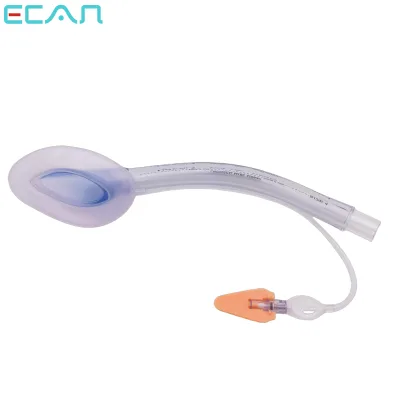
Find 30 Single Use Anesthesia Laryngeal Mask options from verified Chinese manufacturers. Compare models like HY-023 and PVC variants with ISO certifications, varying sizes from 1.0 to 5.0, and customizable packaging for surgical and emergency applications.
Key considerations
Products List


Comprehensive Sourcing Guide
Strategic Sourcing Guide for Single-Use Anesthesia Laryngeal Masks
Understanding Product Classifications and Technical Specifications
The procurement of single-use anesthesia laryngeal masks requires a precise understanding of the technical variations available in the market, as these devices are not monolithic in their design or application. Based on observed market data, the core product category includes distinct models categorized by material composition, size, and intended patient demographics. The primary material distinctions observed in the supply chain include Silicone and PVC (Polyvinyl Chloride) variants. Silicone models are often identified by specific model ranges such as "Silicone 1.0#~5.0#" or "HY-023," while PVC options are frequently listed under model designations like "PVC 1.0#~5.0#" or "HY-021." These material differences are critical for procurement decisions, as they influence flexibility, biocompatibility, and the specific clinical environment in which the device is deployed.
Size standardization is another vital technical specification that buyers must verify. The observed product standards indicate a sizing range of #1.0 to #5.0, which corresponds to specific anatomical requirements for different patient populations. Some listings explicitly differentiate between "Adult" and "Pediatric" models, while others use a unified range notation like "1#-5#" or "1.0~5.0." It is essential for procurement teams to cross-reference these numerical designations with clinical guidelines to ensure the correct volume and cuff pressure capabilities for the target demographic. Furthermore, the classification of these devices as "Class II" medical instruments underlines the regulatory scrutiny they undergo, necessitating that buyers verify the specific instrument classification for every batch ordered. The product type is consistently defined as "Surgical Supplies Materials" or "Medical Materials & Accessories," confirming their role in airway management during anesthesia procedures.
Compliance Framework and Certification Verification
Navigating the regulatory landscape is a non-negotiable aspect of sourcing single-use laryngeal masks. The supply chain data indicates that manufacturers often hold ISO certifications, with specific references to "ISO" and "ISOCE" appearing in product attributes. Additionally, a significant number of listings cite compliance with both CE and ISO standards, sometimes phrased as "CE/ISO Compliant" or "Certificate: CE/ISO." These certifications are indicative of adherence to quality management systems and safety standards required for medical devices in major global markets. However, buyers must treat these as observations of supplier claims rather than universal guarantees for every listed SKU. The presence of "CE/ISO" in a product description suggests the manufacturer has undergone specific conformity assessments, but the exact scope of these certifications (e.g., ISO 13485 for medical devices) should be explicitly requested and verified against the specific product model, such as the "LM4030S1" or "Laryngeal" variants.
Beyond general certifications, the sterilization status of the product is a critical compliance factor. The market data reveals a divergence in sterilization methods, with some products explicitly stating "Ethylene Oxide Sterilization" while others note "Without Ethylene Oxide Sterilization." This distinction is paramount for infection control protocols. Ethylene Oxide (EO) sterilization is a common method for single-use medical devices to ensure a sterile field, but the absence of this process in a "single-use" product listing requires immediate clarification. Buyers must confirm whether the product is sterile upon arrival or if it requires terminal sterilization by the healthcare facility, as this impacts logistics, storage requirements, and clinical workflow. The attribute "Disposable" is consistently present, reinforcing the single-use nature of the device, which eliminates the need for reprocessing but necessitates strict adherence to the "Rused Times" specification, which some data points indicate as "40" (likely referring to a specific reusable variant or a data anomaly that requires clarification for single-use items).
Cost Drivers and Pricing Structure Analysis
The financial landscape for sourcing single-use anesthesia laryngeal masks is influenced by several variable factors, resulting in a wide observed price range of 0.6 to 17.46 USD. This variance is not arbitrary but is driven by material costs, sterilization requirements, packaging complexity, and order volume. The lower end of the price spectrum typically correlates with basic PVC models and minimal packaging, whereas the higher end often reflects silicone variants, which offer superior biocompatibility and flexibility, or products that include advanced sterilization and specialized packaging. The Minimum Order Quantity (MOQ) is another significant cost driver, with observed ranges spanning from 2 to 10,000 units. Buyers purchasing in small quantities, such as the 2-unit MOQ observed, may face a higher per-unit cost compared to those leveraging bulk orders.
Sample costs also play a role in the initial procurement phase, with listings indicating sample prices of approximately 3.0 USD per piece for a minimum order of one. This low barrier to entry allows buyers to validate product quality before committing to larger volumes. The "Free Sample" attribute observed in some listings suggests competitive markets where suppliers may waive sample fees to secure a contract, though this is not a universal standard. When evaluating cost, procurement teams must look beyond the unit price to include logistics and packaging. The "Single Gross Weight" varies significantly, with observations of 1.0 Kg and 0.09kg, which directly impacts shipping costs. Furthermore, the "Quality Guarantee Period" of two years for some products adds value, potentially reducing long-term risk and replacement costs. Buyers should calculate the total cost of ownership, factoring in the "OEM/ODM/Dfm" acceptance, which allows for customization that might alter the base price but offers long-term branding and specification alignment benefits.
Typical Applications and Clinical Utility
Single-use anesthesia laryngeal masks are primarily designed for airway management in surgical and procedural settings where maintaining a patent airway is essential. The "Product Name" variations, such as "Silicone Lma" and "PVC Laryngeal Mask," indicate their specific utility in different clinical scenarios. The "Laryngeal" specification suggests their use in general anesthesia, while the "Adult & Pediatric" models highlight their versatility across patient ages. The "Disposable" nature of these devices makes them ideal for high-throughput environments like operating rooms, emergency departments, and intensive care units, where cross-contamination risks must be minimized. The "Type: Surgical Supplies Materials" classification confirms their integration into sterile surgical workflows.
The clinical utility is further defined by the storage and handling requirements. The observed "Storage Requirements" and "Storage Conditions" consistently advise keeping the devices in a "Dry, Well-Ventilated, and Cool Environment." This requirement is crucial for maintaining the integrity of the materials, particularly for silicone and PVC, which can degrade under extreme temperatures or humidity. The "Box Specification" of 54X34X32 Cm and the "Standard" dimensions of 604135 suggest standardized packaging that facilitates efficient storage in hospital supply rooms. The "Packing" details, such as "1PC/Blister Bag, 2PCS/Box, 24PCS/CTN," indicate a multi-tiered packaging system designed to protect the individual masks during transit and storage while allowing for easy dispensing in clinical settings. The "Logo Printing" and "Raw Material OEM" options suggest that these masks are also used in branded hospital supply chains, where the specific appearance and material sourcing are part of the hospital's procurement identity.
Supplier Evaluation and Operational Capabilities
Evaluating suppliers for single-use laryngeal masks requires a focus on their manufacturing capabilities, customization options, and logistical reliability. The data indicates that suppliers generally accept "OEM/ODM" requests, allowing buyers to customize the product with their own branding or specific design modifications. The "Raw Material OEM: Accepted" attribute further suggests flexibility in material sourcing, which can be a strategic advantage for buyers with specific supply chain requirements. The "Customization: Available" attribute reinforces this, indicating that suppliers are willing to adapt the product to meet specific client needs. However, buyers must verify the extent of these customizations, as they may impact lead times and costs.
Geographic location is another key factor in supplier evaluation. The observed origins include "Zhejiang, China," "Guangdong, China," and a general "China" designation. These regions are known for their robust medical device manufacturing ecosystems, but buyers should verify the specific factory locations to assess logistics efficiency and potential tariffs. The "Single Gross Weight" variations (1.0 Kg vs. 0.09kg) suggest that different suppliers may use different packaging densities, which affects shipping calculations. Additionally, the "Lead Time" is not explicitly provided in the data, but the "MOQ" ranges and "Samples" availability suggest that suppliers are prepared to handle both small trial orders and large-scale production runs. Buyers should prioritize suppliers who can demonstrate a clear track record of meeting the "ISO" and "CE" certification requirements consistently across all their product lines, ensuring that the "Quality Certification" is not just a marketing claim but a verified operational standard.
Quality Control and Long-Term Procurement Strategy
Implementing a robust quality control (QC) strategy is essential for ensuring the safety and efficacy of single-use laryngeal masks. The "Quality Guarantee Period" of two years observed in some listings indicates a manufacturer's confidence in their product's durability and performance, but buyers must define what this guarantee covers—whether it pertains to material defects, sterilization failure, or performance issues. The "Instrument Classification: Class II" mandates that these devices meet specific safety and effectiveness standards, and buyers should request test results or validation reports that confirm compliance with these classifications. The "Ethylene Oxide Sterilization" status must be verified for every batch, as inconsistent sterilization can lead to significant clinical risks.
For long-term procurement, buyers should consider the "Rused Times" attribute, which, while seemingly contradictory for single-use items, may indicate a specific reusable variant or a data point that requires clarification. Assuming the primary focus is on single-use, the "Disposable" attribute ensures that the device is intended for one-time use, reducing the risk of cross-contamination. The "Packing" options, such as "Paper Plastic Bag" or "Hard Blister Package," should be evaluated for their ability to maintain sterility until the point of use. The "Box Specification" and "Standard" dimensions should be standardized across suppliers to optimize warehouse space and reduce handling errors. Finally, buyers should establish a continuous monitoring process for supplier performance, focusing on their ability to maintain "ISO" compliance, meet "MOQ" requirements, and provide consistent "Samples" for quality verification. By integrating these factors into a comprehensive procurement strategy, buyers can ensure a reliable supply of high-quality single-use anesthesia laryngeal masks that meet the rigorous demands of modern healthcare environments.
FAQs
What certifications do single use anesthesia laryngeal masks typically hold?
Most listed products hold ISO certifications, with many also displaying CE compliance. Some specific listings mention ISOCE or CE/ISO Compliant status. Buyers must verify the exact certification scope for each batch, as these are supplier claims rather than universal guarantees for every SKU.
Which sterilization methods are available for these masks?
Products are available with or without Ethylene Oxide Sterilization. Some listings explicitly state Ethylene Oxide Sterilization is included, while others note it is absent. This distinction is critical for infection control, as it determines whether the device arrives sterile or requires terminal sterilization by the facility.
How does the material choice affect the product specifications?
The masks are primarily available in Silicone or PVC variants. Silicone models often carry model numbers like HY-023, while PVC options use designations like HY-021. These material differences influence flexibility and biocompatibility, with silicone generally offering superior properties for specific clinical environments.
Can buyers request customization for these medical devices?
Yes, suppliers accept OEM, ODM, and DFM requests with logo printing available. Raw material OEM is also accepted, allowing for specific sourcing needs. Buyers should note that customization options may impact lead times and costs, so these details require explicit confirmation with the manufacturer.
What is the typical price range for single use anesthesia laryngeal masks?
The observed price range spans from 0.6 to 17.46 USD per unit. This variance depends on material type, sterilization status, and packaging complexity. Lower prices often correlate with basic PVC models, while higher prices reflect silicone variants or those with advanced sterilization and specialized packaging.
Which storage conditions are required for these surgical supplies?
Products must be stored in a dry, well-ventilated, and cool environment. Specific listings advise keeping them in dry, ventilated, and cool places to maintain material integrity. This is crucial for preventing degradation of silicone and PVC components during transit and hospital storage.