Source Class II CE Postoperative Dressing for Wound Care, Hospital, and Infants
Find and compare 30 Class II CE Postoperative Dressing options from verified Chinese suppliers. Buyers can evaluate materials like non-woven fabric and hydrocolloid, sterilization methods, and customization features for hospital and wound care applications.
Key considerations
Products List


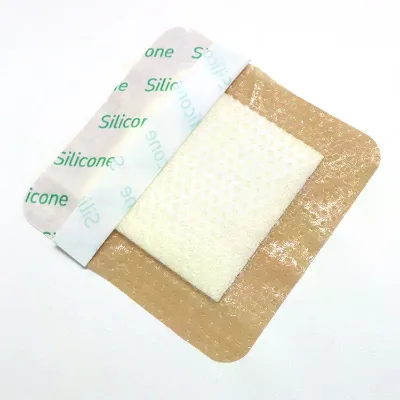
Medical Wound Dressing Soft Comfortable Silicone Dressing Post Opeartion Use
$1.00 - $10.00
MOQ: 2000 Pieces




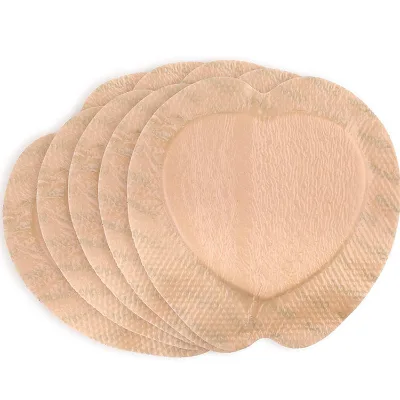
Hydrocolloid Wound Dressing, Hydrocolloid Dressing for Pressure Ulcers
$0.28 - $0.32
MOQ: 10000 Pieces


Comprehensive Sourcing Guide
Strategic Sourcing Guide for Class II CE Postoperative Dressings
The global procurement landscape for Class II medical devices, specifically postoperative dressings, requires a rigorous approach to vendor selection and product verification. Buyers targeting the keyword "Class II CE Postoperative Dressing" must navigate a complex matrix of regulatory compliance, material science, and supply chain reliability. The market offers a diverse array of options ranging from non-woven fabrics to advanced hydrocolloid systems, each with distinct application profiles. This guide synthesizes available product attributes and industry standards to provide a structured framework for evaluating potential suppliers and ensuring the acquisition of high-quality wound care solutions.
Understanding Product Classifications and Regulatory Frameworks
The classification of a postoperative dressing as a Class II device under the European Union's Medical Device Regulation (MDR) or similar frameworks indicates a moderate risk profile. These devices are designed to manage surgical wounds and prevent infection but do not typically involve active drug delivery or implantation. A critical observation in the current market is the prevalence of the CE marking as a baseline compliance indicator. However, the presence of the CE mark alone is insufficient; buyers must verify the specific conformity assessment procedures undertaken by the manufacturer.
The supplied data indicates that many suppliers cite CE certification alongside ISO 13485 and, in some instances, FDA clearance. This combination suggests a robust quality management system aligned with international standards. For Class II devices, the CE marking often requires the involvement of a Notified Body to audit the technical file and quality system. Procurement teams should explicitly request the Notified Body number and the scope of the certificate to ensure the specific product model, such as those identified by model numbers like ZG SHYS001 or FH-D109, is covered under the certification. Relying on generic certification claims without verifying the specific product scope can lead to regulatory non-compliance in the destination market.
Material Composition and Technical Specifications
The efficacy of a postoperative dressing is fundamentally tied to its material composition. The observed product pool reveals a dichotomy between standard non-woven fabrics and advanced hydrocolloid materials. Non-woven fabric dressings are frequently cited as the primary material for general surgical supplies, offering breathability and fluid absorption. These are often categorized under "Surgical Supplies Materials" and are suitable for a wide range of wound types.
Conversely, hydrocolloid dressings represent a more specialized category. The data highlights specific attributes such as "Skin Color" and "Special-Shaped" designs, which are critical for aesthetic integration and precise application on complex wound geometries. The "Special-Shaped" attribute suggests that these dressings are engineered to fit specific anatomical locations, reducing the need for trimming and ensuring a better seal. Furthermore, the presence of "Foam Dressing" models indicates a focus on exudate management, where the foam structure absorbs wound fluid while maintaining a moist healing environment.
Buyers must carefully distinguish between these material types based on the specific clinical requirements of their target hospital or clinic. A table comparing the observed material attributes can clarify the selection process:
| Material Type | Primary Attribute | Typical Application | Key Specification Example |
|---|---|---|---|
| Non-woven Fabric | Breathable, Disposable | General surgical wounds | 1000PCS/CTN, 20*20cm |
| Hydrocolloid | Moisture retention, Skin Color | Chronic or complex wounds | Special-Shaped, 15*18cm |
| Foam | High absorption, Cushioning | Exudative wounds | 1PC/Bag, 10bags/Box |
The "Size" specifications vary significantly, ranging from standard dimensions like 5x5cm to larger formats like 20x20cm. The availability of "Custom Dressing Set" options allows for tailored solutions, but buyers must confirm the minimum order quantities (MOQ) associated with custom sizing, as these often differ from standard SKU requirements.
Sterilization Protocols and Shelf Life Considerations
Maintaining the sterility of postoperative dressings is paramount to preventing surgical site infections. The supplied data explicitly mentions "Ethylene Oxide Sterilization" (EOS) and "Eo" as the primary sterilization methods. Ethylene Oxide is a standard gas sterilization technique capable of penetrating packaging to ensure the sterility of the final product. However, the procurement process must verify that the sterilization cycle parameters meet the specific requirements of the destination country.
Shelf life is another critical technical parameter. The observed products indicate a "Shelf Life" of up to three years. This duration is consistent with the stability of many hydrocolloid and non-woven materials when stored correctly. Buyers should verify the "Quality Guarantee Period," which is noted as "Two Years" for certain items, against the stated shelf life to ensure there is no discrepancy in the manufacturer's quality assurance promises. The "Stock" status being listed as "No" for some items suggests a make-to-order model, which necessitates careful planning regarding lead times.
Packaging Integrity and Logistics Management
Packaging plays a dual role in protecting the product and facilitating inventory management. The data reveals a variety of packaging configurations, including "Carton," "Blister Bag," and "Box and Carton" combinations. The "1000PCS/CTN" specification indicates bulk packaging suitable for hospital central supply departments, while "1PC/Bag, 10bags/Box" suggests unit-dose packaging ideal for individual patient use or nursing stations.
The "prod_packing" attribute also notes options "as Customer Request," highlighting the flexibility of suppliers to accommodate specific logistical needs. However, this customization often impacts the lead time. The standard delivery window is observed as "Commonly Within 30days," but this is explicitly "Based on Order Quantity." For large orders or custom configurations, the lead time may extend beyond this baseline. Buyers must factor in the "Location" of the supplier, with "Zhejiang Province, China" being a common origin point, to estimate shipping durations and potential customs delays.
Cost Drivers and Economic Factors
The pricing landscape for Class II CE postoperative dressings is influenced by several variables. The observed price range in the market is listed as 0-100 USD, though this likely represents a broad spectrum from single-unit costs to bulk pricing tiers. The "MOQ" range is extensive, spanning from 1 to 100,000 units. This wide variance allows for flexibility for small clinics but may present challenges for buyers seeking to minimize per-unit costs through volume purchasing.
Cost drivers include the complexity of the material (hydrocolloid vs. non-woven), the level of customization (logo printing, specific shapes), and the sterilization method. Products with "With Logo Printing" capabilities may incur additional setup costs, while those with "Without Logo Printing" are likely more cost-effective for generic distribution. The "Customized" attribute, which includes specific sizes and shapes, generally commands a higher price point due to the specialized tooling and production runs required. Buyers should negotiate based on the total cost of ownership, including shipping, duties, and potential inventory holding costs, rather than focusing solely on the unit price.
Supplier Evaluation and Quality Assurance
Evaluating a supplier for Class II medical devices requires a multi-faceted approach. The presence of certifications such as "GMP," "CE," "FDA," and "ISO13485" is a strong indicator of a compliant manufacturing environment. However, the "Low-confidence background" section warns against assuming these certifications apply universally to all listed products without verification. Buyers must request the specific certificate for the product model in question.
The "Quality Guarantee Period" of two years is a significant differentiator. It implies that the supplier stands behind the product's performance and stability for a substantial duration. Additionally, the "Application" field, which frequently lists "Hospital" and "Wound Care," confirms the intended use case. Buyers should verify that the supplier has a track record of supplying to similar healthcare institutions. The "Group" attribute, distinguishing between "Adult" and "Infants and Young Children," is crucial for ensuring the product is appropriate for the specific patient demographic. Using an adult-sized dressing on an infant, or vice versa, can lead to clinical complications.
Long-Term Procurement and Supply Chain Resilience
Sourcing postoperative dressings is not a one-time transaction but a long-term partnership. The "Stock: No" status for many items indicates a reliance on production cycles rather than immediate off-the-shelf availability. This necessitates a robust demand forecasting process to prevent stockouts. The "Delivery" lead time of 30 days is a standard benchmark, but buyers should establish contingency plans for supply chain disruptions.
The ability of the supplier to offer "Custom Dressing Set" options and "as Customer Request" packaging is a valuable asset for long-term contracts. It allows the buyer to adapt to changing clinical protocols or patient needs without switching suppliers. However, the "Nature: Yes" attribute, while vague, suggests a focus on natural or specific material properties that should be clarified during the initial inquiry.
In conclusion, successful procurement of Class II CE postoperative dressings hinges on a meticulous verification of technical specifications, regulatory compliance, and supply chain capabilities. By leveraging the observed data points regarding materials, sterilization, and packaging, buyers can construct a comprehensive evaluation matrix. The focus must remain on validating the specific product attributes against the intended clinical application, ensuring that the final selection meets both regulatory standards and patient care requirements. The extensive range of model numbers and customization options available in the market provides ample opportunity for tailored sourcing strategies, provided that the due diligence process remains rigorous and evidence-based.
FAQs
What materials are used for these dressings?
The dressings are primarily made from non-woven fabric or hydrocolloid materials. Non-woven options are common for general surgical supplies, while hydrocolloid types feature skin color and special shapes for complex wound care applications.
How are these products sterilized?
Most products undergo Ethylene Oxide Sterilization to ensure safety. This method, often abbreviated as EOS or Eo, is standard for maintaining sterility in Class II medical devices before they reach hospital settings.
What certifications do the manufacturers hold?
Suppliers typically hold CE, ISO13485, and FDA certifications. Some also list GMP compliance, ensuring the manufacturing process meets international quality standards for medical materials and accessories.
Can I request custom logo printing?
Custom logo printing is available for many models. Buyers can choose between options with or without logo printing, allowing for branded distribution or generic supply depending on the specific order requirements.
What is the typical delivery lead time?
Delivery is commonly within 30 days based on order quantity. Since stock status is often listed as no, lead times depend on production schedules and the specific customization requested by the buyer.
Are these dressings suitable for infants?
Yes, specific models are designed for infants and young children. While many products target adults, the product group attribute confirms availability of options suitable for younger patient demographics.
What is the shelf life of the products?
The shelf life is typically three years for these medical devices. This duration ensures stability for hydrocolloid and non-woven materials when stored correctly, aligning with the two-year quality guarantee period.