Source Blue Top Prp Tube for Skin Care, Orthopedic, and Hair Loss
Find 30 Blue Top Prp Tube options from verified Chinese manufacturers. Compare specifications like capacity, material, and certifications to select the right solution for skin care, orthopedic procedures, and hair loss treatment applications.
Key considerations
Products List
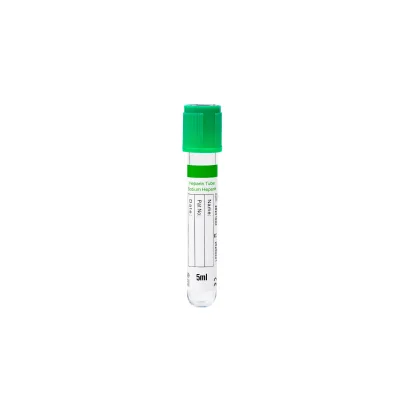
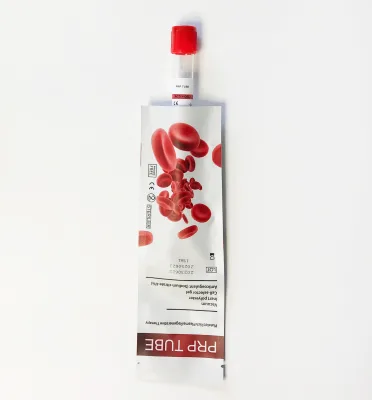
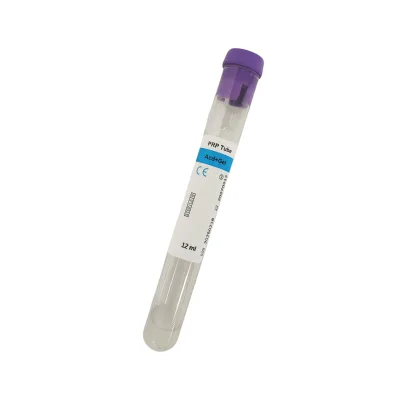
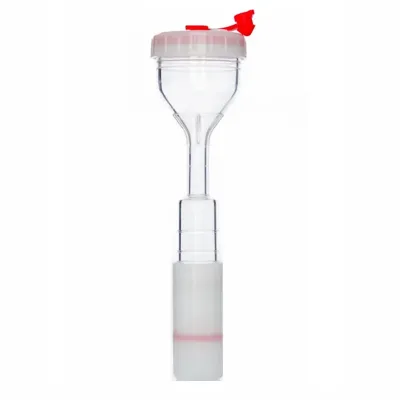
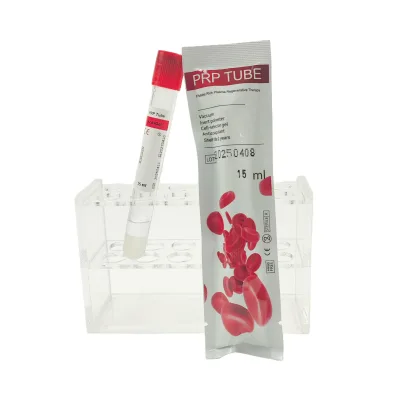
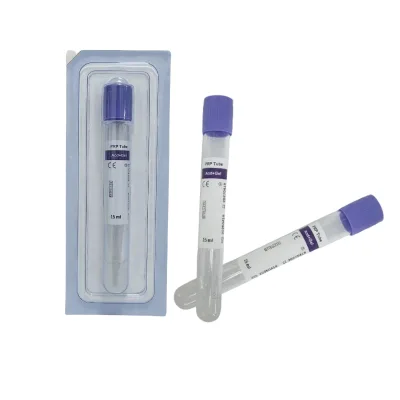
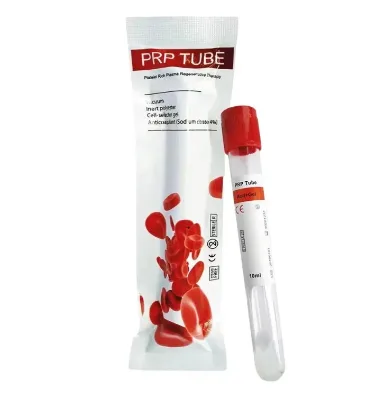
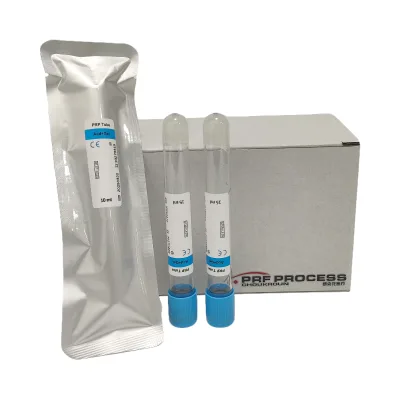
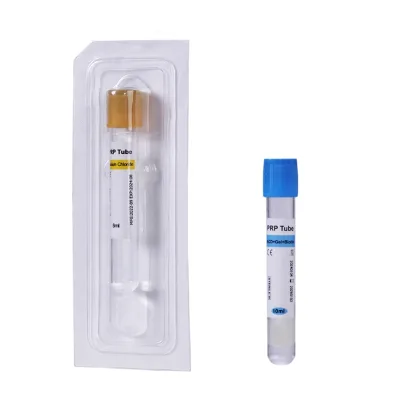
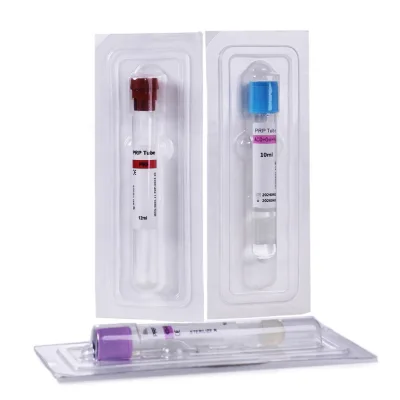
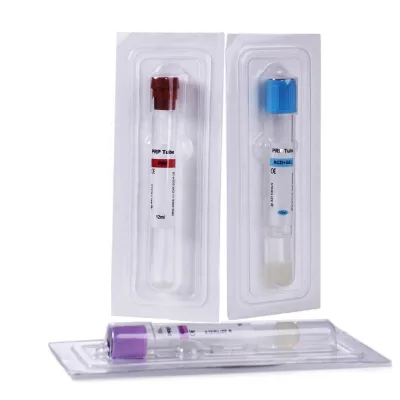
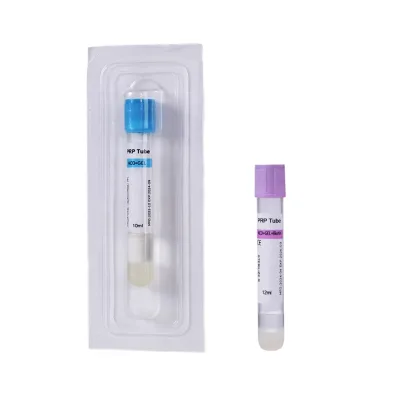
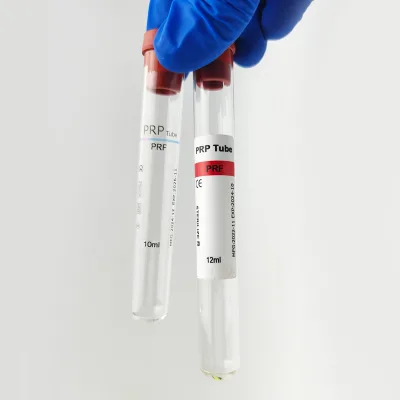
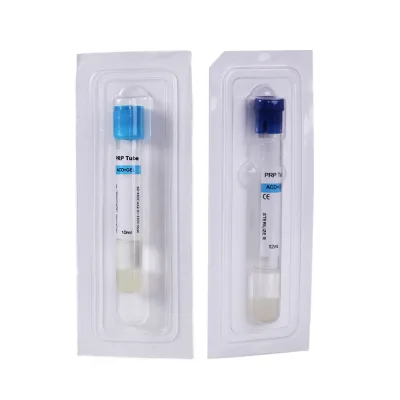
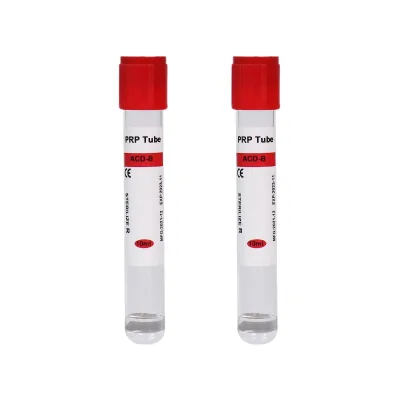


Tedia Glass Prp Tube- Blue Label - Acd Anticoagulant with Thixotropic Gel
$0.05 - $1.00
MOQ: 1200 Pieces
Comprehensive Sourcing Guide
Strategic Sourcing Guide for Blue Top PRP Tubes
The procurement of Platelet-Rich Plasma (PRP) tubes, specifically those identified by the "blue top" designation, requires a rigorous understanding of medical device classification, material integrity, and supply chain reliability. In the global B2B market, these tubes are critical components for regenerative medicine, orthopedics, and dermatological procedures. Buyers must navigate a complex landscape where product attributes vary significantly between manufacturers, even when the core function remains identical. This guide synthesizes available market data to provide a disciplined framework for evaluating suppliers, ensuring that the selected PRP tubes meet the stringent requirements of clinical efficacy and regulatory compliance.
Technical Specifications and Material Composition
The foundational aspect of sourcing PRP tubes lies in verifying the technical specifications that directly impact blood separation efficiency and sample integrity. While the "blue top" color is a standard industry convention often associated with specific anticoagulants, the physical and chemical properties of the tube are paramount. Available market data indicates that PRP tubes are frequently manufactured from materials such as PET (Polyethylene Terephthalate) and PP (Polypropylene). The choice of material influences the tube's clarity, chemical resistance, and compatibility with centrifugation processes.
Capacity is another critical specification. Data observations show a wide range of capacities, from small volumes of 1-15 ml to standard 15 ml configurations. Buyers must align the selected capacity with their specific clinical protocols. For instance, procedures requiring larger plasma volumes necessitate the 15 ml capacity variants, while micro-sampling applications may utilize the 1-15 ml range. The physical dimensions also vary; observed specifications include sizes such as 16*100mm, while other listings suggest customized sizing options. Furthermore, the single package size and gross weight are essential for logistics planning. Observed data points to single package dimensions ranging from 12x8x9 cm to 18x12x4 cm, with individual gross weights typically between 0.100 kg and 0.160 kg.
The following table summarizes the observed technical variances in the current market to assist buyers in defining their requirements:
| Attribute | Observed Range/Value | Procurement Consideration |
|---|---|---|
| Material | PET, PP, Plastic | Verify chemical compatibility with blood and anticoagulants. |
| Capacity | 1-15 ml, 15 ml | Match to clinical volume requirements and centrifuge rotor size. |
| Dimensions | 16*100mm, Customized | Ensure fit within standard laboratory racks and storage units. |
| Color Options | Red, Purple, Black, Green, Blue, Grey, Yellow, Customized | Confirm "Blue" is the specific requirement for the intended protocol. |
| Packaging | Individual Bag | Assess sterility preservation and ease of handling. |
Regulatory Compliance and Certification Verification
In the medical device sector, regulatory compliance is not merely a formality but a prerequisite for market entry and clinical adoption. The "blue top" PRP tube is classified as a medical device, and the instrument classification observed in the market includes both Class I and Class III categories. This variation is significant; Class III devices generally imply higher risk and stricter regulatory oversight compared to Class I devices. Buyers must explicitly verify the classification of the specific product they intend to purchase, as this dictates the necessary documentation and quality management systems required from the supplier.
Certification status is a primary indicator of a supplier's adherence to quality standards. While specific certification data in the provided context lists "CE" as a quality certification for certain PRP products, other entries mention "Coated Back Paper," which may refer to packaging materials rather than device certification. It is crucial for buyers to distinguish between the certification of the device itself and the certification of its packaging components. The presence of a CE mark suggests conformity with European health, safety, and environmental protection standards, but buyers should request the full certificate of conformity and verify its validity against the specific product model number.
Furthermore, while some background knowledge suggests ISO 13485 as a relevant standard for medical device quality management, this specific standard is not explicitly confirmed in the provided product facts. Therefore, buyers should not assume a supplier holds ISO 13485 certification unless explicitly stated in the supplier's documentation. Instead, procurement teams should request evidence of their quality management system certification and verify if it aligns with the regulatory requirements of the destination market. The "Instrument Classification" of Class III, observed in some listings, typically requires more rigorous clinical data and post-market surveillance than Class I devices.
Cost Drivers and Pricing Dynamics
The pricing of PRP tubes is influenced by a complex interplay of factors, including material costs, manufacturing complexity, regulatory compliance, and order volume. The observed price range in the market is extensive, spanning from $0.05 to $10,000 USD. This wide disparity highlights the difference between single-unit samples, bulk raw materials, and complete, certified medical device systems. For standard procurement of individual tubes, the unit cost is likely to be on the lower end of this spectrum, whereas the higher figures may reflect specialized kits, proprietary technologies, or bundled services.
Minimum Order Quantity (MOQ) is a significant cost driver. The observed MOQ range varies from 1 to 2000 units, with a specific high-confidence fact noting an MOQ of 100 pieces for certain PRP tube listings. Suppliers with lower MOQs may charge a premium per unit to cover setup and handling costs, while those requiring higher volumes offer economies of scale. Buyers must balance their inventory needs against cash flow constraints. For instance, a hospital with steady demand might benefit from a larger order to reduce the per-unit cost, whereas a startup clinic might prioritize flexibility with a lower MOQ.
Additional cost factors include the customization of the product. The market data indicates that many suppliers offer OEM and ODM support, allowing for customized sizes, colors, and branding. Customization typically incurs additional tooling costs and higher unit prices compared to standard off-the-shelf products. The "Single Selling Unit" attribute suggests that some products are sold individually, which can impact the total cost if the order volume is small. Buyers should also consider the "Single Gross Weight" and "Single Package Size" when calculating shipping costs, as these directly affect logistics expenses, especially for international procurement.
Typical Applications and Clinical Utility
The utility of blue top PRP tubes extends across several medical and aesthetic fields. The observed applications for these products include skin care, orthopedics, wound management, and hair loss treatment. These applications rely on the tube's ability to effectively separate platelets from whole blood, creating a concentrated plasma rich in growth factors. The "time range" for processing, observed as 0-30 minutes or 30-60 minutes, indicates the duration required for centrifugation to achieve the desired separation.
In orthopedics, these tubes are used to prepare injectables for joint pain and tissue repair. The "Properties" listed as "Medical Adhesive & Suture Material" suggest that some PRP tubes may also be utilized in surgical settings where hemostasis or tissue adhesion is required. For dermatological and aesthetic procedures, the focus is often on skin rejuvenation and hair restoration, where the growth factors in the PRP stimulate collagen production and follicle health. The "Disinfecting Type" of "Far Infrared" mentioned in some product data may indicate a specific sterilization method used during manufacturing, which is relevant for ensuring the sterility of the product before it reaches the patient.
The "Power Source" for the associated processing equipment is listed as both "Manual" and "Electricity," suggesting that the tubes can be used with various centrifuge types. The "Maximum Relative Centrifugal Force" of 500xg is a specific parameter that buyers must match with their centrifuge capabilities to ensure effective separation without damaging the blood cells. Understanding these applications helps buyers select the correct tube specifications, such as capacity and anticoagulant type, to optimize clinical outcomes.
Supplier Evaluation and Operational Capabilities
Evaluating suppliers for PRP tubes requires a multi-faceted approach that goes beyond price comparison. The "Place of Origin" is a critical factor, with observed data pointing to manufacturers in Jiangsu and Zhejiang, China. While these regions are known for their manufacturing capabilities, buyers should verify the specific factory's track record and capacity. The "Capacity" attribute in the context of location data (e.g., 1-15ml or 15ml) may refer to production capacity or product volume; clarification is needed to ensure the supplier can meet the buyer's volume requirements.
Supplier support services are another key evaluation criterion. The market data highlights "OEM, ODM" support, indicating that suppliers are willing to customize products to meet specific buyer needs. Additionally, "After-sale Service" options such as "Online Technical Support" are available, which can be crucial for troubleshooting issues during the procurement or usage phase. The "Warranty" period varies, with observed terms of 1 Year and 3 Years. A longer warranty period often reflects the supplier's confidence in the product's durability and quality.
Stock availability is also a vital consideration. The "Stock: YES" attribute indicates that some suppliers maintain inventory, which can reduce lead times and ensure immediate availability for urgent orders. Conversely, suppliers with "Customized Size" options may operate on a made-to-order basis, leading to longer lead times. Buyers should inquire about the "Lead Time" and "Stock" status to align their procurement schedule with their operational needs. The "Model Number" (e.g., HCM5TFG, CK-S02) serves as a unique identifier for the product, and buyers should ensure they are ordering the exact model that meets their technical specifications.
Quality Control and Long-Term Procurement Strategy
Ensuring consistent quality is paramount in the procurement of medical devices. The "Properties" of the PRP tubes, such as their classification as Class I or Class III devices, dictate the level of quality control required. Buyers should implement a robust quality control protocol that includes incoming inspection, verification of certificates, and testing of sample batches. The "Concentricity" of 4.0 micron mentioned in the data suggests a high level of precision in manufacturing, which is essential for the proper functioning of the tube in centrifugation processes.
Long-term procurement strategies should focus on building relationships with reliable suppliers who can offer consistent quality and support. The "Shelf Life" of the product, observed as 2 Years, is a critical factor for inventory management. Buyers must plan their ordering cycles to ensure that products are used before expiration, minimizing waste. The "Color" options, including red, purple, black, green, blue, grey, and yellow, allow for color-coding in clinical settings, which can improve workflow efficiency and reduce the risk of errors.
In conclusion, sourcing blue top PRP tubes requires a meticulous approach that balances technical specifications, regulatory compliance, cost considerations, and supplier reliability. By leveraging the observed data and adhering to strict verification protocols, buyers can secure a supply chain that supports their clinical operations and ensures patient safety. The diversity in product attributes, from material composition to capacity and certification, underscores the need for detailed due diligence before finalizing any procurement decision.
FAQs
What materials are used to make blue top PRP tubes?
Blue top PRP tubes are commonly manufactured from PET, PP, or general plastic materials. Buyers should verify the specific material composition to ensure chemical compatibility with blood samples and anticoagulants used in their clinical protocols.
Which capacity sizes are available for PRP tubes?
Available capacity sizes range from 1-15 ml to standard 15 ml configurations. Procurement teams must select the volume that aligns with their specific clinical requirements and centrifuge rotor compatibility.
Can buyers find suppliers offering customized colors for these tubes?
Yes, many suppliers offer customized color options including red, purple, black, green, blue, grey, and yellow. Customization is typically available through OEM and ODM support services provided by manufacturers.
What is the typical warranty period for medical PRP tubes?
Warranty periods for these medical devices vary, with observed terms of 1 year or 3 years. Buyers should confirm the specific warranty duration offered by the supplier before finalizing the purchase agreement.
How are blue top PRP tubes classified as medical devices?
These tubes are classified as Class I or Class III medical devices depending on the specific product and intended use. Class III classification implies higher risk and stricter regulatory oversight compared to Class I devices.
What is the minimum order quantity for purchasing these tubes?
The minimum order quantity can range from 1 to 2000 pieces, with some listings specifying an MOQ of 100 pieces. Buyers should check the specific supplier requirements to align with their inventory needs.
Where are the primary manufacturing locations for these tubes?
Primary manufacturing locations include Jiangsu and Zhejiang in China. Buyers should verify the specific place of origin to assess logistics and potential supply chain reliability for their region.