Source Slit Edge Tinplate Sheet for Electronics Medical Boiler
Compare 30 listings for Slit Edge Tinplate Sheet with thickness from 0.12mm to 1.3mm and widths up to 1250mm. Buyers can evaluate coated options for electronics, medical, and boiler applications with various certifications and packing standards.
Key considerations
Products List


Tinplate for Can Tinplate Steel Coil Food Grade Tinplate Steel Sheet Price
$770.00 - $780.00
MOQ: 25 Pieces


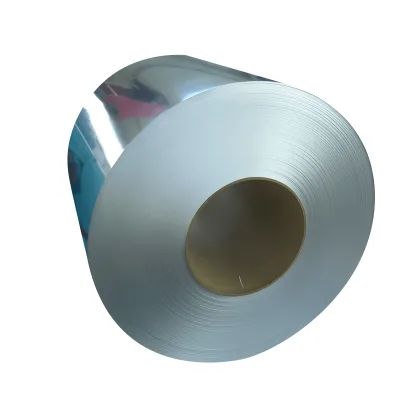
Factory Outlet 2.8/2.8 Printing Tinplate Sheet for Beverage for Tinplate Candle Jar
$677.77 - $718.24
MOQ: 5 metric
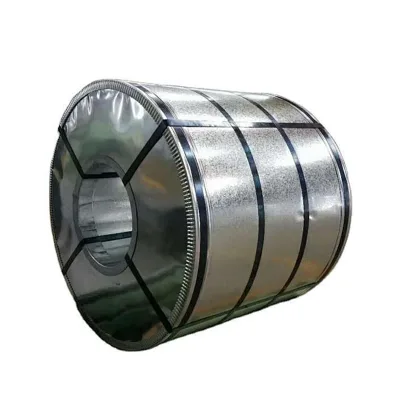
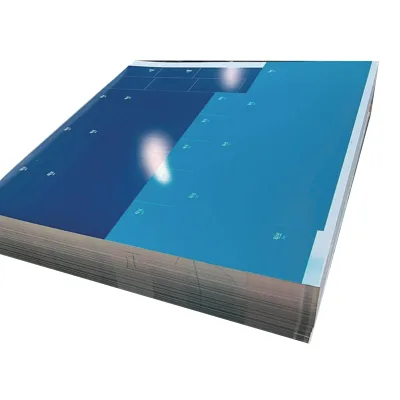
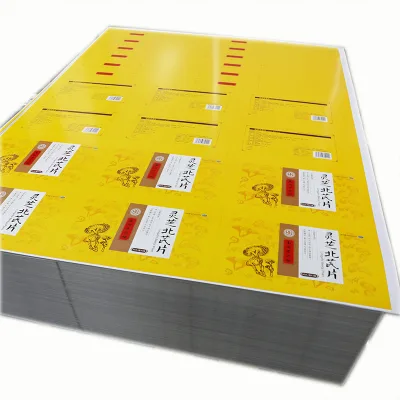
2.8g/2.8g BA CA Printed Tinplate for Making Coating Printed Tinplate for Food Can
$741.50 - $792.29
MOQ: 5 metric


Comprehensive Sourcing Guide
Strategic Sourcing Guide for Slit Edge Tinplate Sheet Procurement
The global market for Slit Edge Tinplate Sheet presents a complex landscape where precision engineering meets industrial application. For procurement professionals, understanding the specific nuances of this material is critical to ensuring supply chain reliability and product performance. Slit edge tinplate is distinct from other steel products due to its specialized coating and dimensional tolerances, making it a preferred choice for applications requiring high corrosion resistance and formability. This guide synthesizes available product attributes and industry standards to provide a structured approach for sourcing this material, focusing on technical verification, compliance, and supplier evaluation without relying on unverified market claims.
Technical Specifications and Dimensional Tolerances
When evaluating Slit Edge Tinplate Sheet, the primary focus must be on the precise dimensional and material characteristics that define the product's utility. The available data indicates a specific range of thicknesses and widths that buyers must verify against their production requirements. Thickness specifications for these sheets typically fall between 0.12mm and 1.3mm, with some variants offering a narrower range of 0.12mm to 0.6mm or 0.16mm to 1.0mm. This variation suggests that different grades or applications may require specific thickness profiles, necessitating a clear definition of the target specification before initiating a request for quotation.
Width is another critical parameter, with observed ranges extending from 20mm up to 1250mm. Specific product listings mention widths between 200mm and 1050mm, or 600mm to 1250mm. The "slit edge" attribute is a defining characteristic, implying that the material is processed from wider coils to specific widths, which can affect edge quality and dimensional consistency. Buyers should confirm that the supplier's slitting process maintains the integrity of the edge, as this is often a point of failure in downstream manufacturing processes.
The internal dimensions of the coil are equally important for handling and logistics. Standard coil inner diameters (ID) are observed at 508mm or 610mm. These dimensions must align with the buyer's unwinding equipment to prevent mechanical issues during production. Furthermore, the weight of the coil is a significant logistical factor, with observed ranges varying from 1 to 8 tons per coil. Understanding these weight constraints is essential for warehouse planning and transportation logistics, as heavier coils may require specialized handling equipment.
Material Composition and Coating Standards
The material composition of tinplate sheet is a decisive factor in its performance, particularly regarding corrosion resistance and formability. The core material is often categorized as non-alloy or alloy steel, with specific temper grades such as T2, T3, T4, and T5 available. These temper grades indicate the hardness and ductility of the steel, allowing buyers to select the appropriate grade for their specific forming requirements. For applications requiring high strength, the availability of high-strength steel plate variants should be investigated.
The coating process is the defining feature of tinplate. The zinc coating weight is a critical specification, with observed ranges from 50g to 250g per square meter. In specific tinplate applications, the tin coating is detailed as 2.8g/2.8g, 5.6g/5.6g, or mixed ratios like 2.8/5.6. These figures represent the mass of the coating on each side of the sheet, directly influencing the material's resistance to corrosion and its suitability for food packaging or chemical storage. The surface treatment often includes a coating process that may result in a gloss level between 65% and 80%, affecting the aesthetic and functional properties of the final product.
Paint specifications are also relevant for certain applications, with top paint layers ranging from 15+5 microns and back paint layers from 5-7 microns. This layering provides additional protection and can be customized based on the end-use environment. Buyers must ensure that the supplier can consistently meet these coating weights and paint thicknesses, as deviations can lead to premature failure of the product in service.
Compliance, Certification, and Standard Verification
Navigating the compliance landscape for slit edge tinplate requires a rigorous verification of certifications and adherence to international standards. The product data highlights a robust set of standards including AISI, ASTM, BS, DIN, GB, and JIS. These standards govern the chemical composition, mechanical properties, and dimensional tolerances of the steel. Buyers should explicitly request documentation proving that the supplied material meets the specific standard relevant to their industry, such as ASTM for North American markets or JIS for Asian markets.
Certification is a vital component of the procurement process. The observed certifications include ISO, BV, SGS, CIQ, and specific ISO9001:2008 compliance. Additionally, certifications from Sai and other bodies are noted. It is crucial for buyers to verify the validity of these certificates, ensuring they are current and applicable to the specific batch of material being purchased. The presence of multiple certifications suggests a supplier with a mature quality management system, but this must be confirmed through direct inquiry and document review.
The origin of the product is another compliance factor. The data indicates that the production origin is Shandong, China. While this is a major manufacturing hub, buyers should be aware of any trade regulations, tariffs, or origin-specific requirements that may apply to their import strategy. Verifying the country of origin on the commercial invoice and packing list is a standard procedure to ensure compliance with customs regulations.
Cost Drivers and Procurement Economics
The pricing of Slit Edge Tinplate Sheet is influenced by a complex interplay of raw material costs, processing complexity, and order volume. The observed price range in the market is extensive, spanning from $0.02 to $1399. This wide variance likely reflects differences in product specifications, such as thickness, coating weight, and temper grade, rather than a simple per-unit cost. Thicker gauges, higher coating weights, and specialized temper grades will naturally command higher prices.
Minimum Order Quantity (MOQ) is a significant economic driver in this sector. The observed MOQ ranges from 5 units to 500,000 units. This broad spectrum indicates that suppliers cater to both small-scale prototyping needs and large-volume industrial contracts. Buyers with lower volume requirements may face higher per-unit costs or must negotiate with suppliers willing to accept smaller batches. Conversely, large-volume orders can leverage economies of scale to reduce the unit price.
Logistics and packaging also contribute to the total cost of ownership. The standard packaging is described as "Export Standard Package" or "Standard Seaworthy Export Packing," which may include specific requirements for moisture protection and edge protection. Customization is available, which can add to the cost if non-standard packaging or specific labeling is required. Buyers should factor in the cost of these value-added services when comparing total landed costs from different suppliers.
Typical Applications and Industry Use Cases
Slit Edge Tinplate Sheet serves a diverse range of industries, each with unique performance requirements. The data points to several key application areas, including boiler plates, electronics, and medical devices. For boiler applications, the material must withstand high temperatures and pressures, requiring specific temper grades and thicknesses. In the electronics sector, the high purity of the material (often cited as >99.99%) and its electrical properties are paramount. This suggests that tinplate is used in components where conductivity and shielding are critical.
The medical industry also utilizes tinplate, likely for instruments or packaging that require high sterility and corrosion resistance. The "Special Use" category highlights high-strength steel plates, indicating that the material is suitable for demanding structural applications. The versatility of the product is further demonstrated by its use in packaging, where the tin coating provides a barrier against moisture and oxygen, preserving the contents of the package.
Buyers should align their application requirements with the specific technical attributes of the tinplate. For instance, a medical device manufacturer might prioritize the purity and specific temper grade, while an electronics firm might focus on the electrical technique and coating consistency. Understanding the end-use environment is essential for selecting the correct product variant.
Supplier Evaluation and Quality Control Protocols
Selecting the right supplier for Slit Edge Tinplate Sheet requires a comprehensive evaluation of their capabilities and quality control systems. The availability of customization and the range of standards met by the supplier are strong indicators of their flexibility and technical competence. Buyers should assess the supplier's ability to meet specific width and thickness tolerances, as well as their capacity to deliver the required coil weights and inner diameters.
Quality control should be a central part of the supplier evaluation. The presence of certifications like SGS and BV suggests that the supplier undergoes third-party audits, but buyers should also request specific test results for the batches they intend to purchase. Key quality metrics to verify include the uniformity of the tin coating, the integrity of the slit edges, and the consistency of the paint layers. The "Feedback" attribute noting a response time within 24 hours is a positive indicator of supplier responsiveness, which is crucial for resolving quality issues or supply chain disruptions.
The production origin in Shandong, China, is a known manufacturing center, but buyers should verify the specific factory's track record. Requesting references from other clients in similar industries can provide insight into the supplier's reliability. Additionally, the supplier's ability to provide detailed mill test certificates (MTC) is a non-negotiable requirement for ensuring material traceability and compliance.
Long-Term Procurement and Supply Chain Resilience
Establishing a long-term procurement strategy for Slit Edge Tinplate Sheet involves more than just securing a single transaction. It requires building a resilient supply chain that can adapt to market fluctuations and demand changes. The wide range of MOQs and the availability of customization suggest that suppliers can scale with the buyer's needs, but this must be formalized through long-term agreements.
Buyers should consider the lead times and the supplier's ability to maintain consistent quality over time. The "Stock" attribute indicates that some suppliers maintain inventory, which can be beneficial for reducing lead times. However, for specialized grades or custom specifications, production lead times may be longer. Establishing a clear communication channel and a shared understanding of quality expectations is vital for maintaining a successful partnership.
Finally, buyers should remain vigilant regarding changes in international standards and trade regulations. The dynamic nature of the steel industry means that specifications and compliance requirements can evolve. Regular reviews of the supplier's certification status and adherence to the latest standards will ensure that the procurement strategy remains robust and compliant over the long term. By focusing on these strategic elements, buyers can secure a reliable supply of high-quality Slit Edge Tinplate Sheet that meets their operational and financial goals.
FAQs
What thickness and width ranges are available for Slit Edge Tinplate Sheet?
Thickness ranges from 0.12mm to 1.3mm with widths up to 1250mm. Specific variants may offer narrower ranges like 0.12mm to 0.6mm or widths between 200mm and 1050mm depending on the grade.
Which certifications are typically held by Slit Edge Tinplate Sheet suppliers?
Suppliers commonly hold ISO, BV, SGS, and CIQ certifications. Some listings also reference ISO9001:2008 compliance and specific standards like AISI, ASTM, BS, DIN, GB, and JIS.
Can buyers request customization for Slit Edge Tinplate Sheet packaging?
Yes, customization is available for packaging and other requirements. Standard options include export standard packages or seaworthy export packing tailored to specific buyer requests.
What are the standard coil inner diameters for Slit Edge Tinplate Sheet?
Standard coil inner diameters are typically 508mm or 610mm. These dimensions must align with the buyer's unwinding equipment to ensure smooth production handling.
How is the tin coating weight specified for Slit Edge Tinplate Sheet?
Tin coating weights are specified as 2.8g/2.8g, 5.6g/5.6g, or mixed ratios like 2.8/5.6. Zinc coating weights can also range from 50g to 250g per square meter.
Where are slit edge tinplate sheets typically manufactured?
The production origin is typically Shandong, China. This region is a major manufacturing hub for steel products, though specific factory details should be verified for each order.