Source Slip Coupling for Plumbing, HVAC, and Industrial Piping
Find and compare 30 Slip Coupling options from verified manufacturers. Evaluate materials like stainless steel and PP-R, connection types, and certifications to select the right fittings for your specific project requirements.
Key considerations
Products List
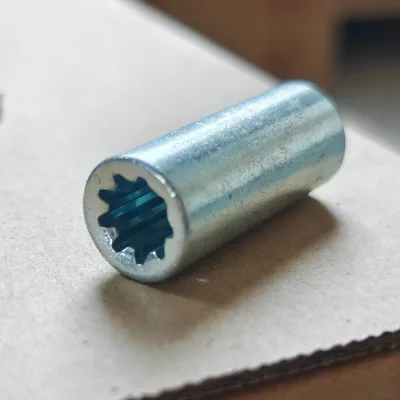


Comprehensive Sourcing Guide
Slip Coupling Sourcing Guide
The Slip Coupling serves as a critical component in fluid and gas distribution systems, designed to allow for axial movement while maintaining a secure, leak-free connection between pipes. In industrial and commercial plumbing, these fittings are essential for accommodating thermal expansion, contraction, or minor misalignments during installation without compromising system integrity. Buyers must distinguish between slip couplings used in press-fit stainless steel systems and those integrated into plastic piping networks, as the sealing mechanisms and material requirements differ significantly based on the application environment.
Procurement decisions for slip couplings require a clear understanding of the specific profile and connection technology required for the project. Market listings indicate the availability of M-profile and V-profile variants, which dictate the mechanical engagement and sealing performance under pressure. Whether the application involves high-pressure water lines, chemical transport, or general building utilities, the selection must align with the system's pressure rating, temperature range, and the specific material compatibility of the pipe being joined to ensure long-term operational safety.
Product Scope and Observed Listing Signals
The current market for slip couplings presents a diverse range of materials, with stainless steel and plastic variants being the most prominent. Stainless steel options, often constructed from 304 or 316L grades, are typically paired with press connections and EPDM, HNBR, NBR, or FKM O-rings to handle temperatures ranging from -20°C up to +120°C. Conversely, plastic slip couplings, such as those made from PP-R, are frequently designed for welding connections and are often utilized in building applications where chemical resistance and corrosion immunity are prioritized over high-pressure mechanical strength.
Listing signals reveal significant variation in product specifications, including model numbers like LZQ01, DSB001, and FGD.2002, which correspond to distinct profiles and size standards. Buyers should observe that standard sizes span from 15mm to 108mm for metal fittings, while plastic variants may focus on specific diameters like 20mm or ranges up to 110mm. The presence of customization options and the availability of different packing methods, such as wooden cases or standard export cartons, suggests that suppliers are prepared to handle both bulk industrial orders and specialized project requirements.
Technical Specifications to Verify
When evaluating slip couplings, the primary technical verification must focus on the connection type and the sealing interface. For press-fit systems, the compatibility between the fitting's M or V profile and the pipe's outer diameter is paramount, as is the selection of the correct O-ring material to withstand the specific fluid and temperature conditions. Buyers must confirm that the pressure rating, often observed at 16 bar for stainless steel units, aligns with the system's maximum operating pressure to prevent catastrophic failure under stress.
Material composition and dimensional tolerances are equally critical, particularly when dealing with mixed-material systems or strict regulatory environments. The choice between 304 and 316L stainless steel depends on the corrosive nature of the conveyed medium, while plastic fittings require verification of their welding compatibility and structural rigidity. Additionally, the tolerance levels, which are often defined according to specific engineering drawings, must be reviewed to ensure that the Slip Coupling will fit the pipe without excessive play or interference that could lead to leaks or installation delays.
Compliance and Safety Documentation
Regulatory compliance for slip couplings varies by region and application, with certifications such as WRAS, CE, DVGW, and DIN serving as key indicators of quality and safety. These certifications are particularly relevant for fittings intended for potable water systems or gas distribution, where material leaching and pressure integrity are strictly regulated. Buyers should request current certification documents to verify that the specific batch of fittings meets the necessary standards for the intended market, as the presence of a certification mark does not automatically guarantee compliance for every product variant listed.
Safety documentation must also address the operational limits of the product, including temperature and pressure thresholds. For instance, fittings rated for -20°C to +120°C require clear documentation to ensure they are not used in environments exceeding these bounds, which could degrade the O-ring material or compromise the metal structure. In addition to material certifications, buyers should verify that the supplier provides technical data sheets that detail the specific performance characteristics of the O-ring compounds, such as EPDM or FKM, to ensure chemical compatibility with the fluids being transported.
Cost Drivers and Commercial Terms
The cost of slip couplings is influenced by several factors, including the raw material grade, the complexity of the manufacturing process, and the specific certification requirements. Stainless steel fittings, particularly those made from 316L and featuring specialized press connections, generally command a higher price point than standard plastic or 304 steel alternatives. The manufacturing technique, such as casting, also plays a role in the final cost, as does the level of customization required for non-standard sizes or specific profile modifications.
Commercial terms and logistics play a significant role in the total cost of ownership, with suppliers offering various Incoterms such as EXW, FOB, CIF, DAP, and DDP. Buyers must evaluate these terms carefully, as they determine who bears the risk and cost of shipping, insurance, and customs clearance. The minimum order quantity (MOQ) can also impact unit pricing, with some suppliers offering flexible MOQs starting from a single unit, while others may require larger volumes to achieve competitive pricing, necessitating a balance between inventory costs and unit price optimization.
Supplier Qualification and Quality Control
Supplier qualification for slip couplings should prioritize manufacturers with a proven track record in producing precision fittings, particularly those located in established industrial hubs like Jiangsu, China. The presence of a dedicated after-sales service team, often available within 24 hours, is a strong indicator of a supplier's commitment to resolving technical issues or supply chain disruptions quickly. Buyers should verify the supplier's ability to provide customization and their adherence to drawing specifications, as this flexibility is often crucial for complex or unique project requirements.
Quality control processes must be robust, ensuring that every batch of slip couplings meets the specified standards for material composition and dimensional accuracy. Suppliers should be able to demonstrate their quality assurance protocols, including how they manage tolerances and verify the integrity of the press connections or welding interfaces. The availability of standard export packaging, such as wooden cases or pallets, also reflects a supplier's attention to protecting the product during transit, which is essential for maintaining the quality of precision-engineered fittings upon arrival.
Long-Term Procurement Checks
Establishing a long-term procurement strategy for slip couplings requires regular audits of supplier performance and product consistency. Buyers should monitor the supplier's ability to maintain the specified warranty periods, which typically range from 3 months to 12 months, and ensure that the after-sales support remains responsive over time. Consistent quality in the O-ring materials and metal grades is essential, as any deviation can lead to premature system failures and increased maintenance costs for the end-user.
Future-proofing the supply chain involves verifying that the supplier can adapt to changing standards and regulatory requirements. As building codes and environmental regulations evolve, the demand for specific certifications or material grades may shift, requiring suppliers to update their production capabilities accordingly. Buyers should maintain open communication channels with suppliers to stay informed about new product developments, such as updated profile designs or improved sealing technologies, ensuring that their procurement strategy remains aligned with the latest industry advancements.
FAQs
What materials are used for slip couplings?
Slip couplings are manufactured from stainless steel, specifically grades 304 and 316L, as well as plastic materials like PP-R. These materials ensure durability and resistance to corrosion in various piping systems. The choice of material depends on the specific application requirements and the nature of the fluids being transported through the connection.
What certifications do these fittings have?
The fittings hold certifications including WRAS, CE, DVGW, and DIN standards. These certifications verify compliance with international quality and safety regulations. Buyers can rely on these documented standards to ensure the products meet specific regional and industry requirements for plumbing and industrial applications.
What is the pressure rating of the couplings?
The couplings are rated for a pressure of 16 bar. This rating ensures reliable performance in standard press connection systems. The design supports stable operation under typical working pressures, making them suitable for various residential and commercial piping installations where consistent pressure handling is required.
Can the products be customized?
Yes, customization is available for these slip couplings. Buyers can request specific dimensions or configurations according to their drawings. The manufacturer accommodates tailored requirements to fit unique project specifications, ensuring the fittings integrate seamlessly into custom piping layouts or specialized industrial setups.
What is the minimum order quantity?
The minimum order quantity is one piece. This low MOQ allows buyers to test samples or order small batches without significant commitment. It facilitates easy procurement for small projects or initial quality assessments before scaling up to larger volume orders for broader implementation.
What is the warranty period?
The warranty period ranges from three months to one year. This coverage provides assurance regarding product quality and manufacturing defects. Buyers benefit from this guarantee, which reflects the manufacturer's confidence in the durability and performance of the slip couplings supplied for their projects.