Source Slot Track Toys for Racing, Play, and Events
Find 30 Slot Track Toys from verified Chinese manufacturers. Buyers can compare customization options, battery types, age ranges, and packaging details to select suitable racing sets for retail or wholesale.
Key considerations
Products List


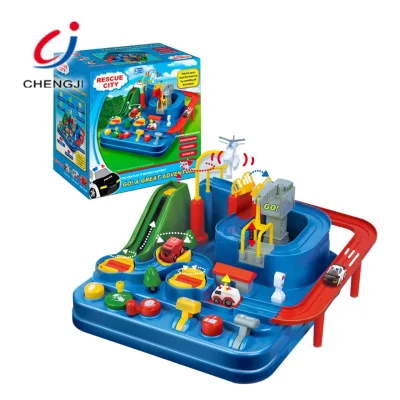
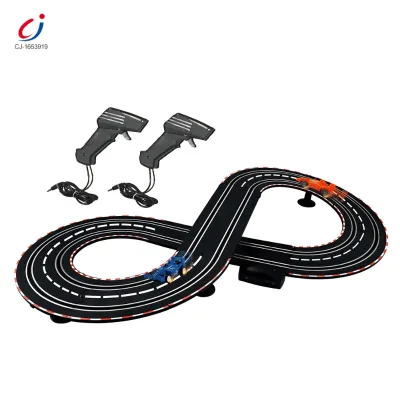
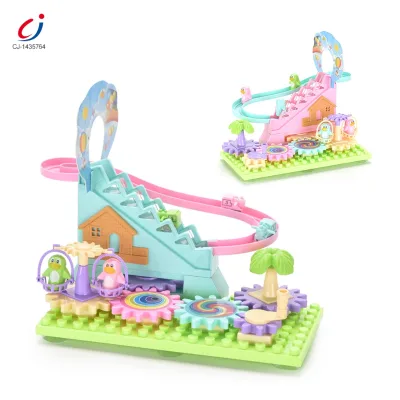
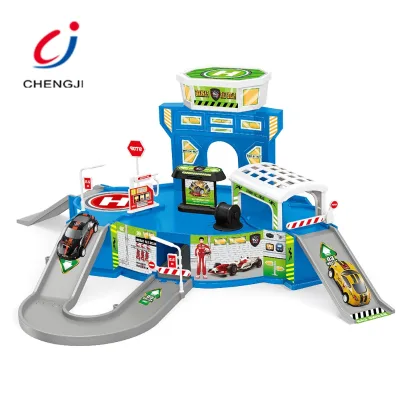

184PCS Educational DIY Blocking Racing Track Assembly Magic Car Track Slot Toy
$7.68 - $8.97
MOQ: 120 Pieces


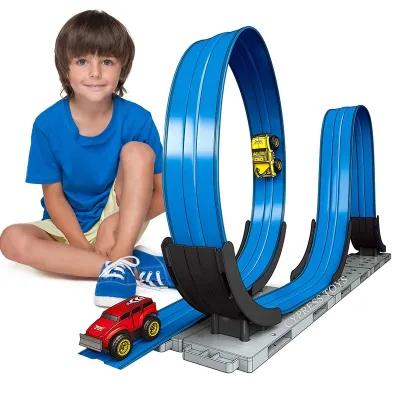
New Style Children's Inertia Trailer Racing Track Car Slot Toy Slot Toys
$4.46 - $5.28
MOQ: 120 Minimum


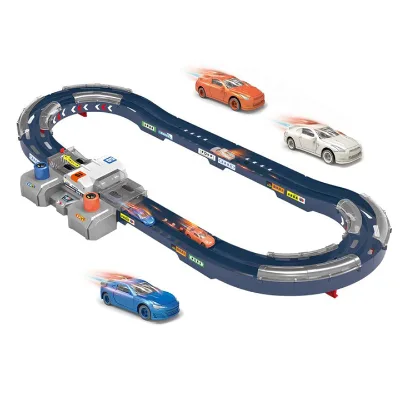
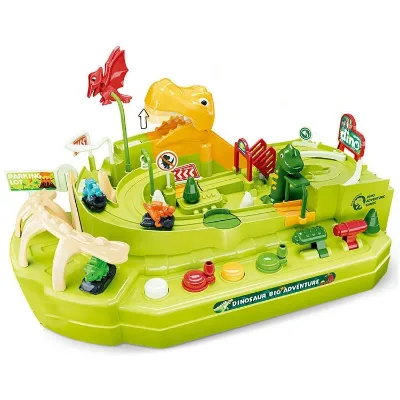
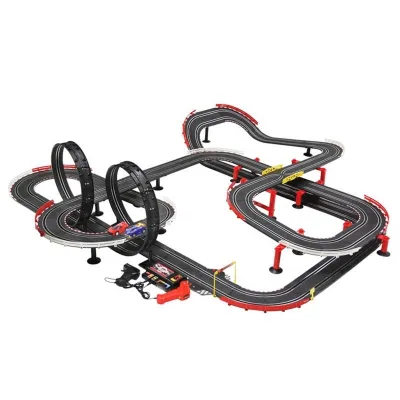
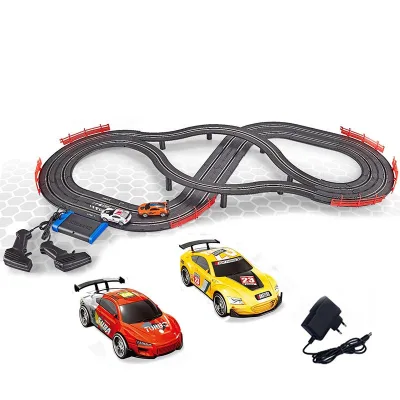
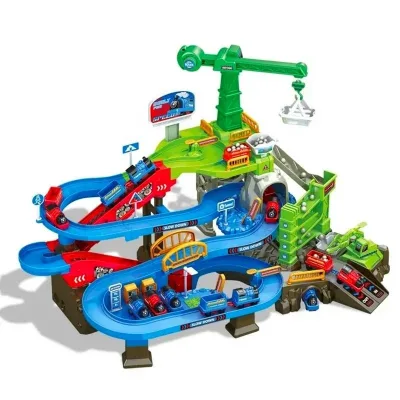
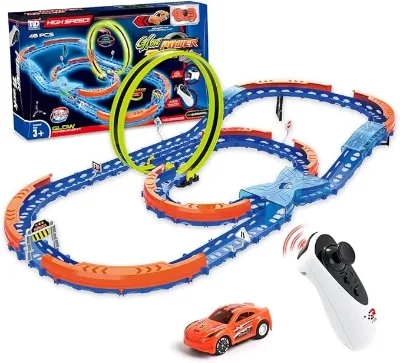

4 PCS Mini Car Racing Games Creative Track Electric Highspeed Vehicle Slot Toy
$8.91 - $9.16
MOQ: 90 Pieces


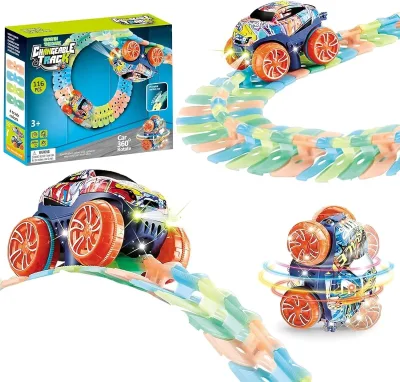
Electric Dinosaur Racing Rail Car Slot Toy Track Assembly Toy in The Dark
$8.33 - $8.56
MOQ: 120 Pieces


Comprehensive Sourcing Guide
Strategic Sourcing Guide for Slot Track Toys
Understanding Product Specifications and Variants
When sourcing Slot Track Toys, buyers must first navigate a diverse landscape of technical specifications that define the product's functionality and target demographic. The core product category is identified as "Car" slot toys, often described in listings as "adventure car toy" or "racing track toy." A critical observation in the current market is the variation in power requirements. Some units operate on a 110V supply, while others are designed with a broader 100-240V input range, indicating adaptability for different regional electrical standards. Power sources for the vehicles themselves vary significantly; listings indicate the use of Alkaline AA batteries, Alkaline AAA/AA batteries, or direct electrical track power.
The physical scale of these toys is another primary differentiator. While some products are categorized under "Other" scales, specific models are explicitly marked as 1:20 scale. This distinction is vital for buyers targeting specific collector markets or younger demographics who may prefer larger, more durable models. The material composition is consistently observed as Plastic, which dictates the manufacturing process and the durability of the track pieces. Customization is a widely available attribute, allowing buyers to tailor product designs, colors, and packaging to their specific brand requirements.
Age range segmentation is equally complex. The market data reveals products targeting distinct developmental stages, ranging from 2 to 4 years, 5 to 7 years, and 8 to 13 years, with some extended models reaching 14 years and up. This suggests that a single supplier may offer a portfolio covering multiple age groups, or that buyers must carefully match the product's complexity and safety features to the intended user age. The "Style" is uniformly identified as "Slot Toy," confirming the mechanism of operation where cars are guided by a slot in the track.
Compliance and Certification Verification
Safety compliance is non-negotiable in the toy industry, particularly for products designed for children. The supply chain data indicates that reputable manufacturers often provide certifications such as EN71, ASTM, and Hr4040. These standards are critical for ensuring that the plastic materials used are non-toxic and that the mechanical design minimizes pinch points or choking hazards. The presence of "7p" in certification listings likely refers to specific chemical safety parameters regarding heavy metals or phthalates, which are strictly regulated in many jurisdictions.
Buyers must verify that the specific model they intend to purchase carries the appropriate certification for their target market. For instance, products originating from Guangdong, China, often cite EN71, which is the European standard for toy safety. However, if the destination market is North America, ASTM certification becomes the primary benchmark. The listing of "Third party inspection: Accepted" is a strong indicator that the supplier is willing to undergo independent verification, which adds a layer of security for the buyer.
It is important to note that while certifications like EN71 and ASTM are observed in the product data, buyers should not assume every listed SKU automatically meets these standards without documentation. The procurement process must include a request for valid test reports from accredited laboratories. The "Certificate" field in product listings often lists multiple standards, but the buyer must confirm which specific test report corresponds to the specific model number, such as SM602572 or CJ-1300794. Relying solely on the product title without verifying the attached test documentation can lead to compliance failures at customs or in retail environments.
Cost Drivers and Pricing Dynamics
The pricing structure for Slot Track Toys is influenced by several variables, including the complexity of the track design, the number of cars included, and the packaging specifications. The observed price range in the market spans from $0.05 to $27.30 USD. This wide disparity suggests that the lower end of the spectrum likely represents individual track pieces or simple car units, while the higher end encompasses complete track sets with multiple cars, advanced features, and premium packaging.
Packaging density plays a significant role in logistics costs and overall unit economics. Listings show varying quantities per carton, such as 8 pieces per carton, 12 pieces per carton, or even 48 pieces per carton. A higher quantity per carton generally reduces the per-unit shipping cost but requires more storage space and capital outlay. For example, a product with a packing size of 54x13.5x27.5 cm containing 8 sets per carton presents different logistical challenges compared to a single package size of 63x17x45 cm containing a single unit.
The Minimum Order Quantity (MOQ) is another critical cost driver. The observed MOQ range extends from as low as 2 units to as high as 25,000 units. Some suppliers set the MOQ in terms of cartons, such as "5 Cartons," which can create a barrier for smaller buyers. Buyers must calculate the total landed cost, including the MOQ requirement, to determine if the purchase is viable. Additionally, the "Supply Ability" of 5000 pieces per day indicates that the manufacturer has the capacity to handle large orders, but this does not guarantee immediate availability of raw materials or finished goods without a confirmed lead time.
Typical Applications and Market Segmentation
Slot Track Toys serve multiple applications beyond simple play. They are frequently marketed as "Creative children gift plastic railway adventure track toys," positioning them as premium gifts for birthdays or holidays. The "Unisex" gender classification ensures that the product appeals to a broad audience, maximizing market potential. The "High Speed Car Track Toy" description suggests an application focused on competitive play and speed, appealing to older children and teenagers who enjoy racing dynamics.
The versatility of these toys allows them to be used in various settings, from home entertainment to commercial play centers. The "Adventure track" aspect implies a narrative element, where the track layout tells a story, which is particularly effective for the 2 to 7-year-old demographic. For the 8 to 13-year-old and 14-year-and-up segments, the focus shifts to the technical challenge of racing and the customization of the track layout. The "OEM Service" availability indicates that these products can be rebranded for specific retailers or corporate gifting programs, expanding their application into B2B marketing channels.
Supplier Evaluation and Sourcing Capabilities
Evaluating a supplier for Slot Track Toys requires a deep dive into their operational capabilities and geographical location. The majority of the observed supply originates from Guangdong, China, a region known for its robust manufacturing ecosystem for plastic toys. The "Port of dispatch" is typically listed as Shenzhen or Shantou, which are major logistics hubs facilitating efficient export. Buyers should verify the supplier's ability to manage the "Supply Type" as OEM Service, ensuring they can handle custom branding and packaging requirements.
The "Third party inspection: Accepted" attribute is a key metric for supplier reliability. It demonstrates a willingness to be transparent and allows the buyer to engage an independent agency to verify product quality before shipment. When evaluating suppliers, buyers should also look at the "Quantity" specifications per carton to ensure the supplier can meet their specific packing requirements. A supplier offering 48 pcs/ctn may be more suitable for high-volume distribution than one offering 8 pcs/ctn, depending on the buyer's logistics strategy.
Furthermore, the "Customization: Available" flag suggests that the supplier is flexible in modifying product attributes. However, buyers must confirm the extent of this customization. Does it include only color changes, or does it extend to track design and car specifications? The "Model Number" variations, such as SM430507 or CJ-1653919, indicate a diverse product line, but buyers must ensure the specific model they select aligns with their customization needs.
Quality Control and Inspection Protocols
Maintaining quality in slot track toy production requires rigorous control measures. The "Single gross weight" and "Single package size" data points are essential for verifying that the product matches the physical description. For instance, a model with a single gross weight of 10.640 kg and a package size of 63x17x45 cm must be physically verified to ensure no components are missing or damaged during transit. The "Packing Details" often specify "1 Set/Color Box, 8 Sets/Carton," which serves as a baseline for quality checks.
Buyers should implement a quality control protocol that includes pre-shipment inspections. Given the "Third party inspection: Accepted" status, buyers can request a report from an accredited inspection agency to verify that the products meet the agreed-upon specifications. This includes checking the structural integrity of the plastic track, the functionality of the cars, and the accuracy of the packaging labels. The "Certificate" listings, such as EN71, should be cross-referenced with the physical product to ensure the safety standards are met.
Long-Term Procurement Considerations
Sourcing Slot Track Toys is not a one-time transaction but a long-term relationship that requires strategic planning. The "MOQ" of 5 Cartons or 25,000 units suggests that buyers should plan for volume to achieve cost efficiency. However, the "Supply Ability" of 5000 pieces per day offers flexibility for replenishment orders. Buyers should consider the "Lead time" implications, although specific values are not provided in the data, the high supply capacity suggests that production can be scaled up quickly.
The "OEM: Yes" attribute indicates that the supplier can support long-term branding strategies. As the market evolves, buyers may need to update their product lines to include new features or designs. A supplier with a strong customization capability can adapt to these changes, ensuring the product remains competitive. Additionally, the "Port of dispatch" stability is crucial for maintaining a consistent supply chain. Shenzhen and Shantou are reliable ports, but buyers should monitor geopolitical and logistical factors that could affect shipping times.
Finally, the "Age Range" diversity allows buyers to build a comprehensive product portfolio. By sourcing models for different age groups, from 2 to 4 years up to 14 years and up, buyers can create a cohesive brand offering that grows with the customer. This strategy reduces the risk of market saturation and ensures a steady demand for the product line. The "Color: Multi" attribute further enhances the appeal, allowing for seasonal variations and limited edition releases that can drive repeat purchases.
Summary of Key Product Attributes
| Attribute Category | Observed Values | Procurement Implication |
|---|---|---|
| Material | Plastic | Durable, cost-effective, requires safety testing. |
| Power Source | Alkaline AA/AAA, 110V, 100-240V | Verify regional voltage compatibility and battery inclusion. |
| Scale | Other, 1:20 | Match scale to target market (collector vs. child). |
| Age Range | 2-4, 5-7, 8-13, 14+ | Segment product lines by developmental stage. |
| Certification | EN71, ASTM, Hr4040 | Mandatory for market entry; verify test reports. |
| MOQ | 2 - 25,000 units | Plan inventory and cash flow based on volume tiers. |
| Packaging | 8-48 pcs/ctn, Color Box | Optimize for shipping efficiency and retail display. |
| Origin | Guangdong, China | Leverage established supply chain in Shenzhen/Shantou. |
By adhering to these guidelines and verifying the specific attributes of each product, buyers can navigate the slot track toy market with confidence, ensuring compliance, quality, and commercial success.
FAQs
What certifications do Slot Track Toys typically have?
Products often carry EN71, ASTM, and Hr4040 certifications to ensure safety. Buyers must verify specific test reports for each model number to confirm compliance with regional standards before purchase.
Can I customize the design of these toys?
Customization is available for most slot track toy listings. Buyers should confirm the extent of changes, such as colors or packaging, with the supplier to ensure it meets their brand requirements.
What is the typical MOQ for these products?
The minimum order quantity ranges from 2 units up to 25,000 units depending on the supplier. Some sellers set the MOQ in cartons, such as 5 cartons, which affects total order volume.
Which age groups are these toys suitable for?
These toys target various age ranges including 2 to 4 years, 5 to 7 years, and 8 to 13 years. Some models extend to 14 years and up, requiring careful selection based on complexity.
Where are these Slot Track Toys manufactured?
Most products originate from Guangdong, China, with dispatch ports in Shenzhen or Shantou. Buyers should verify the specific origin for each model to ensure consistent supply chain logistics.
How are the toys packaged for shipping?
Packaging varies by model, with quantities like 8 or 12 pieces per carton. Specific packing sizes and weights must be checked to calculate accurate shipping costs and storage requirements.