Source Slow Rebound Food Squishy Toy for Gifts, Decor, and Retail
Find 30 slow rebound food squishy toy options from verified suppliers. Compare materials like plastic and silicone, check certifications such as EN71 and ASTM, and review packing details to select the best fit for your inventory needs; compare the available evidence and request quotations based on your requirements.
Key considerations
Products List




Comprehensive Sourcing Guide
Slow Rebound Food Squishy Toy Sourcing Guide
Procuring slow rebound food squishy toys requires careful attention to material composition, as observed listings indicate a mix of plastic and silicone rubber options. Buyers must distinguish between standard plastic variants and premium silicone rubber products, as the latter often delivers superior slow-rebound characteristics and sensory feedback. The material choice directly influences the tactile experience, with some products featuring maltose filling to enhance the slow-rebound effect, while others rely on the inherent properties of the base polymer.
Sourcing decisions should also account for the specific age grading associated with different material types. While many products are rated for ages 3+ or 4+, certain silicone-based items are specifically designed for older children aged 6+ or 8+, reflecting differences in durability and safety testing. Understanding these age distinctions is critical for compliance, as the intended demographic dictates the necessary safety standards and the rigor of the quality control processes required before the product reaches the market.
Product Scope and Observed Listing Signals
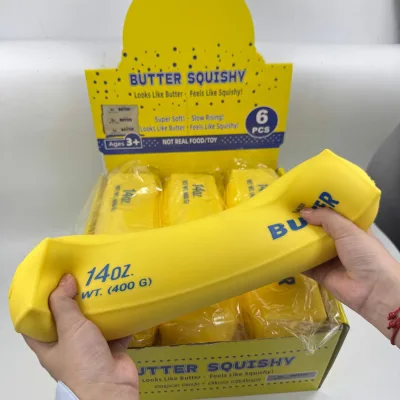
The product scope for slow rebound food squishy toys encompasses a wide variety of shapes, including animal forms and specific food replicas like spinach, alongside generic stress relief designs. Listings reveal diverse model numbers such as CR001-CR011, JY049, and JY088, indicating a broad catalog where customization is frequently available. Buyers should expect to see variations in packaging dimensions, ranging from compact 35x35cm cartons to larger 63x44x34cm units, which often correlate with the specific weight and volume of the included inventory.
Visual and functional attributes observed in the market include features like silk printing, simple color logos, and custom logo capabilities. The products are generally marketed as funny, sensory fidget toys with a focus on stress relief and slow rebound performance. While some listings specify a single gross weight of 0.100 kg, others indicate a product weight range of 25-40g, suggesting that buyers must verify the exact specifications for each model to ensure the physical characteristics match the intended use case and customer expectations.
Technical Specifications to Verify
Buyers must rigorously verify the physical dimensions and weight specifications, as observed data shows significant variance in standard sizes ranging from 3-5cm to 8cm or 3.15 inches. The standard size of 4-5cm is common for smaller stress relief items, while larger variants may reach 8cm, and the weight standards fluctuate between 40g and 50g depending on the model and filling material. Confirming these exact metrics is essential for logistics planning, as the carton weights can vary from 15kg to 21kg, directly impacting shipping costs and storage requirements.
Material composition and structural integrity are equally critical technical parameters to validate. While plastic is a common material, silicone rubber is also prevalent, particularly for products emphasizing slow rebound and sensory features. Buyers should confirm whether the product utilizes a maltose filling or specific TPR materials to achieve the desired texture. Additionally, verifying the single package dimensions, such as 10x8x8cm, ensures that the final retail packaging aligns with shelf space constraints and that the product arrives in the correct protective casing, whether it be a poly bag or a paper box.
Compliance and Safety Documentation
Safety compliance is paramount when sourcing toys intended for children, and buyers must verify that products meet recognized international standards such as EN71, ASTM, and CE. These certifications are explicitly listed for certain items, indicating that the manufacturer has undergone testing for mechanical safety, flammability, and chemical composition. It is crucial to request current test reports for each specific model, as compliance is not universal across all product lines and may vary based on the age grade, which ranges from under 3 years to 8+ years.
Documentation should also address the specific safety requirements for the intended age group, particularly for items rated for children under 3 years old. Products in this category often face stricter scrutiny regarding small parts and choking hazards, necessitating a thorough review of the safety data sheets. Buyers should ensure that the supplier provides clear evidence of compliance for the specific age range claimed, as a product rated for 4+ may not be suitable for a 3+ market segment without additional testing or design modifications to meet the higher safety thresholds.
Cost Drivers and Commercial Terms
Cost structures for slow rebound food squishy toys are heavily influenced by material selection, with silicone rubber typically commanding a higher price point than standard plastic due to its superior tactile properties and durability. The observed price range of 0.2 to 5 USD reflects these material differences, as well as the complexity of the molding process and the inclusion of features like custom logos or specific color combinations. Buyers should anticipate that custom color orders, which often require a minimum order quantity of 500 pieces, will incur additional setup costs compared to standard color runs.
Commercial terms are further driven by the minimum order quantities (MOQ) and packaging configurations, which vary significantly across the product range. MOQs can range from as low as 1 piece for sampling to 5000 pieces for bulk production, with specific color customization often requiring a 500-piece threshold. Packaging costs also play a role, as options like paper box packaging or poly bags add to the unit cost, and the total carton weight, which can reach 21kg, affects freight charges. Understanding these variables is essential for accurate budgeting and negotiating favorable terms with suppliers.
Supplier Qualification and Quality Control
Supplier qualification should focus on verifying the origin and manufacturing capabilities, as observed listings indicate production in locations such as Shenzhen, Shanxi, and general China regions. Buyers must assess the supplier's ability to handle customization requests, including logo printing and color variations, while maintaining consistent quality across large batches. The availability of customization suggests a flexible manufacturing process, but it also requires robust quality control measures to ensure that every unit meets the specified standards for weight, size, and material composition.
Quality control protocols must be established to monitor the consistency of the slow-rebound effect and the durability of the product. Since the feature set includes stress relief and sensory fidget capabilities, the physical performance of the toy is a key quality metric. Buyers should implement pre-shipment inspections to verify that the product weight falls within the 25-40g range and that the dimensions match the specified standards. Additionally, checking for defects in the imprint and logo application is vital, as these visual elements are often the primary differentiators in a competitive market.
Long-Term Procurement Checks
Long-term procurement success depends on maintaining a consistent supply chain that can adapt to changing market demands and regulatory updates. Buyers should establish a relationship with suppliers who can provide ongoing support for customization and ensure that the product specifications remain stable over time. This includes verifying that the age grades and safety certifications remain valid as regulations evolve, particularly for products targeting younger demographics where safety standards are frequently updated.
Continuous monitoring of product performance and customer feedback is essential for identifying any potential issues with the slow-rebound mechanism or material degradation. Buyers should track return rates and complaints related to the toy's durability or safety to ensure that the supplier maintains high-quality standards. Regular audits of the manufacturing process and periodic re-testing of samples can help mitigate risks and ensure that the long-term supply of slow rebound food squishy toys remains reliable and compliant with all necessary industry requirements.
FAQs
What materials are used for slow rebound food squishy toys?
These toys are primarily made from plastic or silicone rubber. Some variants use TPR material with maltose filling to achieve the slow rebound effect. The material choice impacts the texture and durability, ensuring a soft and squeezable experience for users of different age groups.
Can I customize the logo and color of these toys?
Yes, customization is available for both logos and colors. Buyers can request simple color prints or silkprint logos. Custom colors are typically supported with a minimum order quantity of 500 pieces. This allows brands to tailor the product appearance to their specific marketing needs.
What certifications do these squishy toys meet?
These toys meet EN71, ASTM, and CE safety standards. These certifications ensure the products are safe for children and comply with international quality regulations. Buyers can verify these credentials to ensure the goods are suitable for export to markets with strict safety requirements for children's items.
What is the typical packaging format for bulk orders?
Products are packed in cartons with specific dimensions like 53x35x49cm or 63x44x34cm. Individual items may come in poly bags or paper boxes. The carton weight varies, often around 15kg to 21kg, depending on the model. This ensures efficient shipping and protection during transit.
Which age groups are these toys suitable for?
The toys are suitable for various age groups, including 3+, 4+, 6+, and 8+. Some specific models are designed for children under three years old. Buyers should check the specific age grade for each model to ensure the product matches the target demographic and safety guidelines.
Where are these slow rebound toys manufactured?
These toys are manufactured in China, with origins in Shenzhen and Shanxi. Shenzhen is a major hub for such products. Buyers can source directly from these locations to benefit from established supply chains and efficient logistics for international shipping of these sensory and stress relief items.