Source SMT Repair BGA Rework Station for Hotels, Buildings, and Shops
Compare 30 SMT repair BGA rework stations from verified suppliers. These units support various PCB sizes and chip types, featuring customizable options and precise mounting capabilities for diverse industrial needs.
Key considerations
Products List


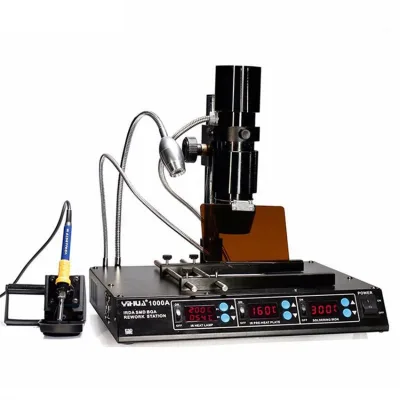


BGA Rework Station for SMT Testing with Good Service for PCB Production
$25000.00 - $27000.00
MOQ: 1 Pieces
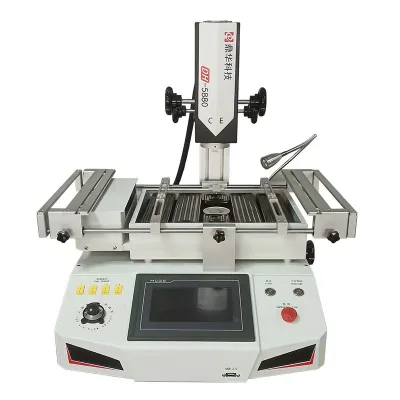
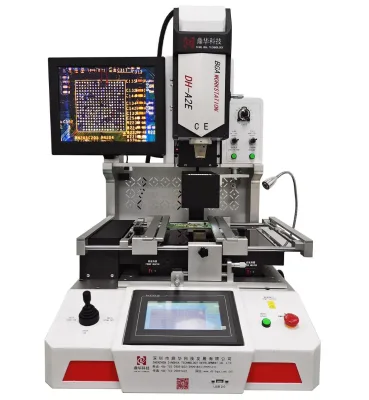
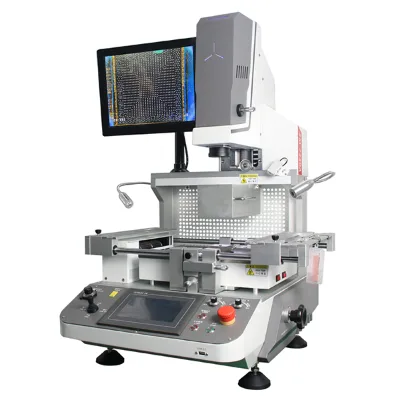
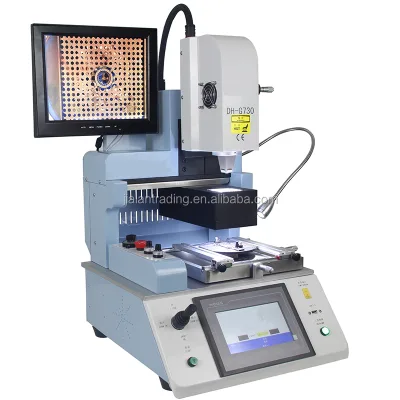
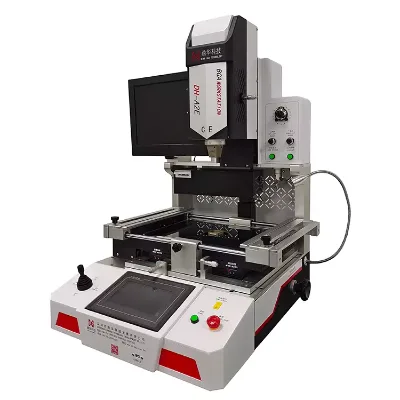
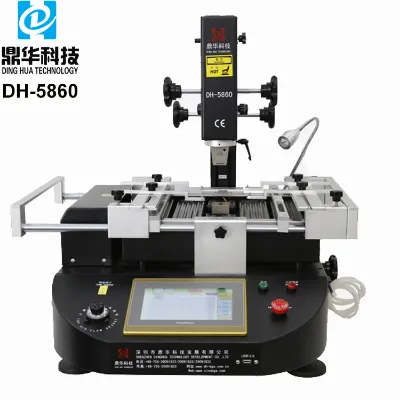
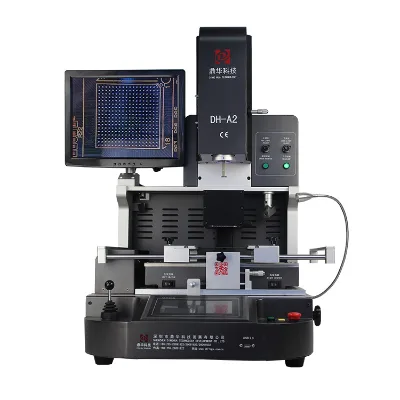
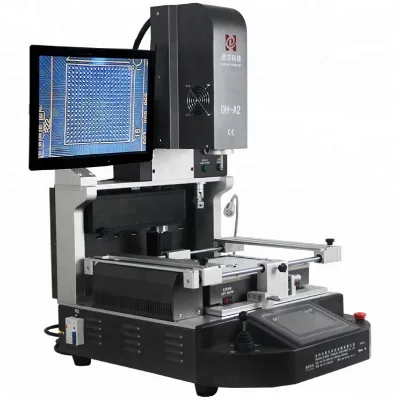
Comprehensive Sourcing Guide
Strategic Sourcing Guide for SMT Repair BGA Rework Stations
Navigating the procurement landscape for Surface Mount Technology (SMT) repair and BGA (Ball Grid Array) rework stations requires a disciplined approach to technical verification and supplier evaluation. The market presents a diverse array of equipment, ranging from compact desktop units to large-scale automated manipulators. Buyers must distinguish between general rework tools and specialized high-precision machinery to ensure the selected equipment aligns with specific production requirements. This guide outlines the critical factors for sourcing these devices, focusing on the technical realities observed in current product listings and the necessary due diligence for B2B procurement.
Technical Specifications and Operational Capabilities
The core of any sourcing decision lies in the technical specifications of the equipment. Current market data reveals significant variation in the capabilities of available BGA rework stations and related welding manipulators. A primary observation is the divergence in power requirements and heating mechanisms. Some units operate on standard AC220V inputs with a total power consumption of approximately 650W, suitable for smaller-scale repair tasks. In contrast, heavy-duty industrial models may require AC380V power and boast a total power rating of 28,000W, utilizing a combination of upper heaters (2000W) and IR heaters (24,000W) for high-volume processing.
Dimensional constraints are equally critical. The physical footprint of the machine must fit within the designated workspace. Observed dimensions for specific models indicate a compact profile of 660670920mm, while larger industrial variants can reach dimensions of 135130185cm. Buyers must verify the maximum PCB size the machine can accommodate. Listings show a wide range, from a minimum of 1010mm to a maximum of 1200700mm in some high-end units, whereas others are limited to 570*450mm. The thickness of the PCB is another vital parameter, with observed ranges spanning from 0.3mm to 8mm or 0.5mm to 8mm depending on the specific model.
Precision is the defining characteristic of a quality BGA station. The mounting precision observed in high-performance units reaches ±0.01mm, which is essential for handling fine-pitch components. The applicable chip size also varies significantly; some systems support components as small as 11mm up to 100100mm, while others extend this range to 120*120mm. For applications involving large assemblies, the maximum mounting load capacity must be considered, with observed limits reaching up to 300g. Additionally, the temperature measuring interface, with some units featuring 13 PCS sensors, ensures accurate thermal profiling during the rework process.
Compliance, Certification, and Safety Standards
When evaluating equipment for industrial use, compliance with safety and quality standards is paramount. While specific certification statuses such as CE are mentioned in background data, buyers should not assume this status applies to every listed product without direct verification from the supplier. The procurement process must include a request for current certification documents to ensure the equipment meets the safety regulations of the destination country.
Quality assurance protocols are often highlighted in product descriptions. Many suppliers indicate that units undergo a "100% Test Past" or "100% Tested Strictly before shipping" procedure. This suggests a rigorous internal quality control (QC) process, but buyers should treat these as observations rather than guaranteed universal standards. It is essential to request specific test reports or certificates of conformity that detail the testing methodology and results for the specific batch being purchased.
Furthermore, the structural integrity and safety features of the machine should be verified. Units described as "New" and featuring specific structures like "Platform" or "Channeling" types for welding turning rolls must be inspected for compliance with local electrical and mechanical safety codes. The voltage compatibility, whether 110V/220V or 220V/380V, must match the local power grid to prevent equipment damage or safety hazards.
Cost Drivers and Pricing Dynamics
The pricing for SMT repair and BGA rework stations is influenced by a complex matrix of factors, including power capacity, precision levels, and customization options. The observed price range in the market is extensive, spanning from approximately $298.87 to $59,999. This vast disparity reflects the difference between basic rework stations and advanced, high-power industrial systems.
Several key drivers influence the final cost. First, the power rating is a significant factor; units with 28,000W total power and advanced IR heating systems command a premium over 650W desktop models. Second, the precision capabilities, such as the ±0.01mm mounting precision, add value and cost. Third, customization options, including the ability to add a customized logo or modify the PCB size limits, can affect the price.
Minimum Order Quantity (MOQ) also plays a role in the overall cost structure. While some suppliers offer an MOQ of 1 piece, others require a minimum of 2 pieces. Buyers should calculate the total cost of ownership, including shipping and potential customs duties, as the shipping methods vary from DHL and UPS to FedEx and EMS. The packaging method, often specified as "Vacuum" or "Wooden Box," is another cost component that ensures the equipment arrives without damage, particularly for heavy units weighing around 65kg to 75kg.
Typical Applications and Industry Use Cases
Understanding the intended application is crucial for selecting the right equipment. The product listings indicate that these machines are suitable for a variety of sectors, including hotels, building material shops, and machinery repair shops. However, the technical specifications suggest a broader application in electronics manufacturing and repair.
BGA rework stations are primarily used for the repair and replacement of Ball Grid Array components on printed circuit boards. This is essential in industries such as telecommunications, automotive electronics, and consumer electronics, where high-density components are common. The ability to handle chip sizes ranging from 0.60.6mm to 120120mm makes these machines versatile for both micro-electronics and larger industrial control boards.
In addition to BGA rework, some units function as welding manipulators, featuring tilting angles of 0-135° and rotation speeds of 0.3-3rpm. These capabilities are ideal for welding large metal structures or complex assemblies where precise positioning is required. The flexible combination of welding tilter types allows for adaptability in various manufacturing environments. Buyers should align the machine's specific capabilities, such as the maximum eccentricity distance of 250mm, with their specific production workflows to ensure optimal utility.
Supplier Evaluation and Verification
Selecting a reliable supplier is as important as selecting the right machine. Buyers should prioritize suppliers who provide transparent and detailed product information. The origin of the products is a key factor, with many units originating from China, specifically Shenzhen. While this indicates a hub of manufacturing expertise, buyers must verify the supplier's track record and after-sales support capabilities.
Key evaluation criteria include the supplier's response to customization requests, such as logo customization and specific dimension modifications. The availability of a customized logo suggests a willingness to tailor the product to the buyer's brand identity. Additionally, the delivery time, observed as 1-3 working days for some items, should be verified against the actual production lead time, as this can vary significantly based on order volume and customization requirements.
Buyers should also assess the supplier's commitment to quality. The mention of "100% Test Past" and "100% Tested Strictly before shipping" should be corroborated with third-party inspection reports or video evidence of the testing process. The condition of the product, typically listed as "New," should be confirmed to ensure no refurbished or used units are being sold as new.
Quality Control and Long-Term Procurement Considerations
Ensuring long-term reliability requires a focus on quality control (QC) and maintenance. The observed QC standards, such as strict testing before shipping, are a good starting point, but buyers should establish their own incoming inspection protocols. This includes verifying the physical condition of the machine, checking the accuracy of the temperature measuring interface, and testing the mounting precision with sample PCBs.
Long-term procurement considerations also involve the availability of spare parts and technical support. The complex nature of BGA rework stations, with their multiple heaters and precision motors, necessitates a reliable supply chain for replacement parts. Buyers should inquire about the warranty terms and the supplier's policy on technical training and maintenance support.
Furthermore, the adaptability of the equipment to future needs is a critical factor. The customizable nature of the machines, with options for different PCB sizes and chip dimensions, offers flexibility for evolving production requirements. However, buyers must ensure that the customization options do not compromise the structural integrity or safety of the machine. Regular maintenance schedules and the availability of service technicians should be part of the procurement agreement to minimize downtime and extend the lifespan of the equipment.
Comparative Analysis of Key Specifications
To facilitate a clearer understanding of the differences between available models, the following table summarizes the key technical specifications observed in the market. This comparison highlights the range of capabilities buyers may encounter.
| Specification | Compact/Standard Model | High-Power Industrial Model |
|---|---|---|
| Product Type | Infrared BGA Rework Station | Laser Brazing Machine / Welding Manipulator |
| Voltage | 220V / 110V / 220V | AC380V |
| Total Power | 650W | 28,000W |
| Heater Configuration | IR Heater (Standard) | Upper Heater 2000W + IR Heater 24,000W |
| PCB Size Range | 1010mm to 570450mm | 1010mm to 1200700mm |
| PCB Thickness | 0.3-8mm | 0.5-8mm |
| Applicable Chip | 11mm to 100100mm | 0.60.6mm to 120120mm |
| Mounting Precision | Not specified (Standard) | ±0.01mm |
| Dimensions | 660670920mm | 135130185cm |
| Weight | 65kg - 75kg | Not specified (Heavy Duty) |
| Origin | China (General) | Shenzhen |
| MOQ | 1 Piece | 2 Pieces |
This table underscores the importance of matching the specific technical requirements of the buyer's operation with the capabilities of the available equipment. The decision should not be based solely on price but on the alignment of specifications with production needs, ensuring that the investment yields the desired efficiency and quality outcomes.
FAQs
How is the mounting precision of the high-end model?
The high-end model offers a mounting precision of plus or minus 0.01mm. This level of accuracy is essential for handling fine-pitch components and ensures reliable placement during the rework process.
What is the maximum PCB size supported by the large unit?
The large industrial unit supports a maximum PCB size of 1200 by 700mm. This capacity allows for the processing of larger assemblies compared to standard desktop models which are often limited to smaller dimensions.
Can the machine handle PCBs with varying thickness levels?
Yes, the machine accommodates PCB thickness ranging from 0.3mm to 8mm. This wide range ensures compatibility with various board types used in different electronic manufacturing applications.
Which power voltage options are available for these units?
Available voltage options include AC220V, AC380V, and 110V or 220V combinations. Buyers must verify the specific model requirements against their local power grid to ensure safe operation.
How long is the typical delivery time for these machines?
The typical delivery time is listed as 1 to 3 working days. This rapid turnaround applies to specific stock items, though lead times may vary for customized orders or bulk purchases.
What is the minimum order quantity for purchasing this equipment?
The minimum order quantity is typically 2 pieces for certain models. Some suppliers may offer an MOQ of 1 piece, so buyers should confirm the specific requirement with the vendor.
Can buyers request a customized logo on the equipment?
Yes, a customized logo is acceptable and available upon request. This customization option allows buyers to brand the machinery with their own company identity for professional presentation.