Source Solar Boat LiFePO4 Battery for Marine, RV, and Off-Grid Use
Find reliable Solar Boat LiFePO4 Battery options from verified Chinese manufacturers. Compare 30 listings featuring 3.2V cells, 314Ah capacity, and 6000-cycle life. Evaluate specifications like 10006Wh output and UL/CE certifications for marine and RV applications; compare the available evidence and request quotations based on your requirements.
Key considerations
Products List


Solar Energy Battery LiFePO4 Battery for Solar Outdoor Energy Storage Boat PV Power
$225.00 - $243.00
MOQ: 2 Pieces


Solar Energy Storage Lithium Iron Phosphate Battery for Boat Marine Use
$400.00 - $600.00
MOQ: 1 Pieces


Hot Selling Marine Fishing Boat LiFePO4 Lithium Ion Batteries 3600W Solar Battery
$1350.00 - $1500.00
MOQ: 2 Pieces


Lithium Ion Battery Pack 12.8V 200ah for RV Marine Boat LiFePO4 Lithium Battery
$375.00 - $405.00
MOQ: 2 Pieces





12V 200ah RV Boat Lithium Ion Bluetooth Battery LiFePO4 Battery 12V 200ah
$500.00 - $900.00
MOQ: 50 Pieces
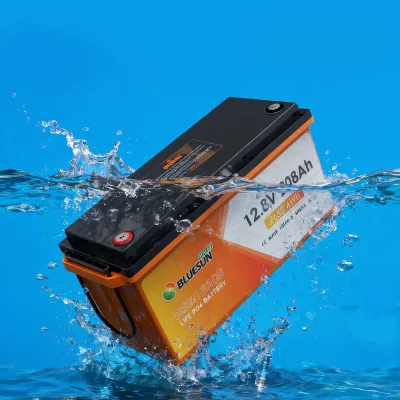


$550.00 - $607.20
MOQ: 10 Pieces

Longer Life Solar 4000 Cycles LiFePO4 Pack 12.8V 200ah Lithium Batteries for RV Boat
$310.00 - $330.00
MOQ: 10 Pieces


12V Lithium Battery 100ah 200ah Rechargeable LiFePO4 for Solar System RV Boats
$160.00 - $180.00
MOQ: 27 Pieces
Comprehensive Sourcing Guide
Solar Boat LiFePO4 Battery Sourcing Guide
Sourcing LiFePO4 batteries for marine applications requires careful attention to specific chemical stability and environmental resilience. The core keyword highlights a niche segment where safety and longevity are paramount. Buyers must distinguish between generic lithium-ion options and true LiFePO4 chemistry, which offers superior thermal stability. This distinction is critical for onboard safety, as LiFePO4 cells are less prone to thermal runaway compared to other lithium variants. Understanding the fundamental material differences ensures that procurement decisions align with marine safety standards and operational reliability.
Marine environments present unique challenges, including vibration, moisture, and temperature fluctuations. Procurement teams should prioritize batteries designed for these harsh conditions. The observed market includes various form factors, from open-frame units to enclosed systems with intelligent management features. Buyers need to evaluate how each product integrates with existing boat electrical systems, particularly regarding voltage compatibility and charging profiles. Selecting the right battery type involves balancing capacity needs with physical space constraints and weight limitations inherent in vessel design.
Product Scope and Observed Listing Signals
The current market landscape for solar boat LiFePO4 batteries displays a wide range of specifications and price points. Observed listings indicate a price range from approximately $39 to $1,932 USD, reflecting significant variation in capacity and feature sets. Minimum order quantities (MOQ) typically span from 1 to 100 units, offering flexibility for both individual boat owners and fleet operators. This diversity allows buyers to select products that match their specific budget and volume requirements without being locked into large industrial commitments.
Product attributes vary considerably across suppliers, with some offering standard capacities like 314Ah while others provide custom solutions. Nominal voltages observed include 3.2V for individual cells and 12V for complete battery packs, catering to different system architectures. Some products are explicitly marketed with solar panel integration, indicating a focus on renewable energy storage for marine use. Buyers should carefully review these signals to ensure the selected battery matches their vessel’s power management system and energy storage needs.
Technical Specifications to Verify
Verifying technical specifications is crucial for ensuring compatibility and performance in marine environments. Key parameters to check include nominal voltage, capacity, and discharge rates. For instance, some products offer a nominal voltage of 12V with a capacity of 2.6 kWh, while others may provide higher capacities like 10,006 Wh. The discharge rate, often specified as 1C, indicates how quickly the battery can deliver power, which is vital for propulsion and high-load appliances. Buyers must ensure these specs align with their boat’s electrical demands.
Physical dimensions and weight are also critical factors for marine installations. Observed sizes range from small to large, with specific models measuring 410x278x280mm. Weight variations, such as 6.07kg for certain cells, impact vessel balance and fuel efficiency. Additionally, cooling types, typically natural for these batteries, and operating temperature ranges, such as -10°C to 40°C, must be considered. Buyers should verify that the battery can withstand the expected thermal conditions of their specific marine environment without performance degradation.
Compliance and Safety Documentation
Safety certifications are non-negotiable for marine battery installations due to the inherent risks of onboard power systems. Buyers must verify that products hold relevant safety certifications, such as UN38.3, IEC62619, UL, FCC, CE, PSE, and RoHS. These certifications indicate compliance with international standards for transportation, safety, and environmental impact. Without proper documentation, batteries may not be approved for marine use or may pose significant safety hazards. Procurement teams should request copies of these certificates to ensure regulatory compliance.
In addition to safety, warranty terms provide insight into manufacturer confidence and product longevity. Observed warranties often span five years, which is a standard expectation for quality LiFePO4 batteries. Buyers should scrutinize warranty conditions, including coverage for capacity retention and defect replacement. A robust warranty can mitigate financial risk and ensure long-term support. It is also important to verify if the warranty covers marine-specific usage, as some manufacturers may exclude certain applications from their standard terms.
Cost Drivers and Commercial Terms
Understanding cost drivers helps buyers make informed procurement decisions. Factors influencing price include capacity, voltage, certification levels, and additional features like intelligent parallel mode or UPS functionality. Products with higher capacities, such as those exceeding 10,000 Wh, naturally command higher prices. Similarly, batteries with advanced management systems or specific marine-grade enclosures may be priced at a premium. Buyers should evaluate the total cost of ownership, considering not just the initial purchase price but also long-term maintenance and replacement costs.
Commercial terms, including MOQ and packaging, also impact overall procurement costs. While MOQs can be as low as one unit, bulk purchases may offer better pricing. Packaging methods, such as carton boxes with wooden pallets or wooden packing, affect shipping costs and handling requirements. Buyers should negotiate terms that align with their inventory management strategy and logistical capabilities. Clear communication regarding delivery timelines and payment terms is essential to avoid unexpected costs or delays in project execution.
Supplier Qualification and Quality Control
Supplier qualification is a critical step in ensuring the reliability of sourced LiFePO4 batteries. Buyers should assess suppliers based on their manufacturing capabilities, quality control processes, and track record in the marine industry. Suppliers located in regions like Shandong, China, often have established supply chains for lithium batteries. However, buyers must verify the supplier’s ability to maintain consistent quality across production batches. Requesting samples and conducting independent testing can help validate product performance before committing to large orders.
Quality control measures should include checks for cell matching, BMS functionality, and overall assembly integrity. Suppliers should provide detailed test reports and quality assurance documentation. Buyers should also inquire about the supplier’s return policy and after-sales support. A reliable supplier will offer technical assistance and timely resolution of any issues. Establishing a strong relationship with a qualified supplier can lead to better pricing, priority support, and access to new product developments tailored to marine applications.
Long-Term Procurement Checks
Long-term procurement success depends on continuous monitoring of product performance and supplier reliability. Buyers should establish key performance indicators (KPIs) to track battery health, including capacity retention and cycle life. Observed cycle lives of 6,000 times are a good benchmark, but actual performance may vary based on usage patterns and environmental conditions. Regular audits of battery performance can help identify potential issues early and prevent costly failures. Maintaining detailed records of battery usage and maintenance can also aid in warranty claims and future procurement decisions.
Additionally, buyers should stay informed about advancements in LiFePO4 technology and marine battery standards. The marine industry is evolving, with new regulations and technologies emerging regularly. Engaging with industry forums and attending trade shows can provide valuable insights into best practices and new product offerings. Building a network of trusted suppliers and industry experts can help buyers stay ahead of market trends and make proactive procurement decisions. Continuous evaluation and adaptation are key to maintaining a competitive edge in marine energy storage.
FAQs
What is the nominal voltage of a Solar Boat LiFePO4 Battery?
The nominal voltage is typically 3.2V per cell, with system configurations often reaching 12V or higher for marine applications. This stable voltage output ensures consistent power delivery to onboard electronics and propulsion systems. Buyers should verify the specific pack configuration to match their boat's electrical requirements and inverter compatibility.
Can solar boat LiFePO4 batteries be customized for specific vessel needs?
Yes, customization is available for solar boat LiFePO4 batteries to meet unique marine requirements. Manufacturers offer options for different capacities, dimensions, and connection types. This flexibility allows boat owners to optimize weight distribution and storage space while ensuring the battery integrates seamlessly with existing solar charging systems and marine electrical architectures.
What certifications are required for marine LiFePO4 batteries?
Marine LiFePO4 batteries typically require Un38.3, IEC62619, and safety certifications like UL, FCC, CE, PSE, and RoHS. These standards ensure safe transport, operation, and environmental compliance. Buyers must verify that the supplier provides valid documentation for these certifications to guarantee the battery meets international safety and shipping regulations for marine use.
How long is the warranty period for solar boat LiFePO4 batteries?
The warranty period is generally 5 years for solar boat LiFePO4 batteries. This coverage protects against manufacturing defects and performance degradation within the specified cycle life. Buyers should review the warranty terms carefully to understand what is included, such as capacity retention guarantees and support for installation or replacement procedures during the warranty period.
What is the cycle life of a LiFePO4 battery for boats?
The cycle life is approximately 6000 times for high-quality LiFePO4 batteries. This longevity ensures reliable performance over many years of marine use. The actual lifespan depends on charging habits, discharge rates, and operating temperatures. Proper maintenance and adherence to manufacturer guidelines can help achieve the full cycle life potential for boat applications.
What is the standard capacity for large solar boat LiFePO4 batteries?
Standard capacities vary, with some models offering 314Ah or higher energy storage like 10006Wh. These capacities support extended off-grid operation for marine vessels. Buyers should select a capacity that matches their daily energy consumption and solar panel output. Larger capacities provide more reserve power but also increase weight and installation complexity on the boat.