Source Solar Bug Zapper for Street, Garden, and Pest Control
Find and compare 30 Solar Bug Zapper options designed for street lighting, garden illumination, and mosquito trapping. These units feature IP ratings, various battery capacities, and CE RoHS certifications to suit diverse outdoor pest control and lighting needs.
Key considerations
Products List


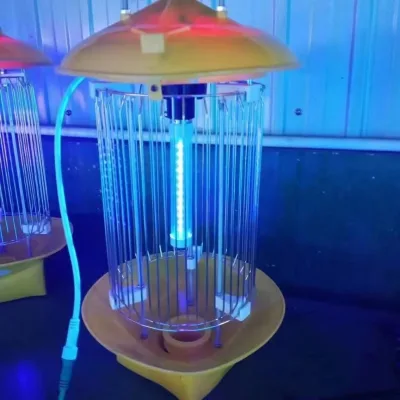


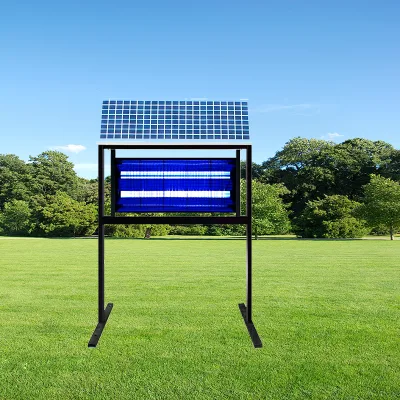


2800V High Voltage Electric Insect Killer Outdoor UV Mosquito Lamp Bug Zapper
$23.40 - $48.65
MOQ: 10 Pieces

Solar Bug Zapper Outdoor Waterproof UV LED Solar Powered Mosquito Killer Lamp
$1.49 - $1.99
MOQ: 1000 Pieces
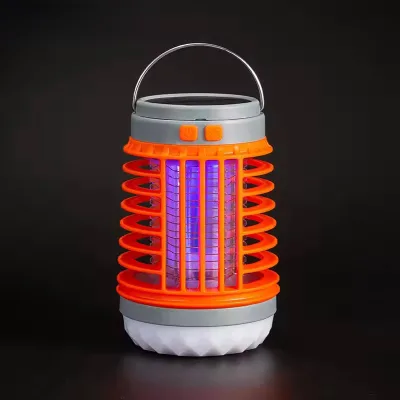
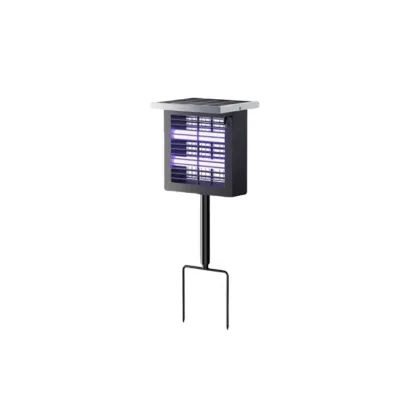
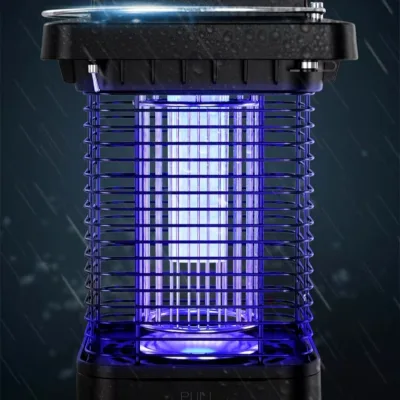


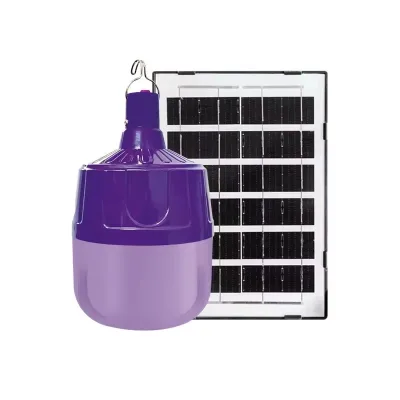


New Style Solar Flame Lantern Shaped Bug Zapper Fly Pest Mosquito Killer
$2.75 - $2.85
MOQ: 500 Pieces
Comprehensive Sourcing Guide
Solar Bug Zapper Sourcing Guide
Sourcing solar-powered insect control devices requires a nuanced understanding of the intersection between renewable energy efficiency and pest management efficacy. These products are increasingly popular for outdoor applications where grid access is limited or undesirable, offering a self-sufficient solution for maintaining hygiene in gardens, patios, and public spaces. Buyers must navigate a market that blends traditional electric shock technology with modern photocatalytic methods, often powered by rechargeable lithium batteries charged via integrated solar panels. The procurement process demands careful verification of technical specifications, particularly regarding light spectrum, battery capacity, and waterproof ratings, to ensure the selected unit meets the specific environmental demands of the installation site.
The decision to source these devices involves balancing initial cost against long-term operational reliability. While the upfront investment may be higher than plug-in alternatives, the elimination of electrical wiring and ongoing energy costs provides a compelling value proposition for large-scale deployments. However, performance is heavily dependent on local sunlight exposure and seasonal variations, making it critical for buyers to assess the actual luminous flux and running time claims against real-world conditions. This guide outlines the essential verification steps, compliance requirements, and commercial considerations necessary to secure a reliable supply of solar bug zappers that deliver consistent results without compromising safety or regulatory standards.
Product Scope and Observed Listing Signals
The current market landscape for solar bug zappers reveals a diverse range of product configurations, primarily categorized by their pest control mechanism and power delivery systems. Observed listings indicate a strong presence of electric shock traps and photocatalytic lamps, both designed to attract and eliminate mosquitoes and other flying insects. These devices typically feature energy-saving LED light sources that emit specific wavelengths, such as UV light in the 360-400nm range, to lure pests effectively. The power supply is predominantly battery-based, with common specifications including 3.7V, 2000mAh polymer lithium batteries, which are charged via Type-C inputs or integrated solar panels, ensuring operation during nighttime hours when insect activity is highest.
Listing signals also highlight significant variation in design and application scope, with products ranging from compact, portable units to larger, stationary installations. Attributes such as IP ratings, including IPX4 and IPX6, indicate the degree of water resistance, which is crucial for outdoor durability against rain and humidity. Some models are designed for specific spaces under 50 square meters, while others are built for broader street or garden illumination combined with pest control. The customization options available, such as tailored packaging in plastic boxes, trays, or cartons, suggest that suppliers are catering to both direct-to-consumer markets and bulk B2B procurement needs, allowing buyers to align product presentation with their brand identity or logistical requirements.
Technical Specifications to Verify
When evaluating technical specifications, the most critical factor is the lighting mode and luminous output, which directly influence pest attraction efficiency. Buyers should verify the maximum luminous flux, which in observed models ranges from 30 to 35 lumens, and confirm the available lighting modes, such as 20%, 50%, and 100% brightness settings, or automated cycles that include off periods to conserve battery life. The running time is another vital metric, with typical claims of 12 to 16 hours of operation on a full charge, which must be cross-referenced with the charge time, often cited as 4 hours for Type-C charging. Ensuring that the battery capacity aligns with the claimed running time under various lighting modes is essential to prevent premature power depletion during peak insect activity periods.
Waterproofing and structural integrity are equally important for outdoor deployment, requiring verification of IP ratings and grid voltage thresholds for electric shock models. Products with IPX6 ratings offer superior protection against powerful water jets, making them suitable for harsh weather conditions, whereas IPX4 ratings may suffice for sheltered areas. For electric shock traps, the grid voltage should be confirmed to be at least 500V to ensure effective pest elimination, while also considering safety features to prevent accidental contact. Additionally, the physical dimensions and weight, such as a standard weight of 627g for certain models, should be assessed to determine installation feasibility and portability, especially for products intended for frequent relocation or temporary event setups.
Compliance and Safety Documentation
Regulatory compliance is a non-negotiable aspect of sourcing solar bug zappers, with certifications serving as the primary indicator of product safety and environmental responsibility. Buyers must insist on valid CE and RoHS certifications, which confirm that the devices meet European health, safety, and environmental protection standards. These certifications ensure that the electronic components, including the lithium batteries and LED circuits, are free from hazardous substances and operate within safe electrical parameters. Verification of these documents should be conducted through the supplier’s official channels or independent testing laboratories to prevent the acceptance of counterfeit or outdated certification marks that could expose the buyer to legal and reputational risks.
Beyond general certifications, specific safety documentation related to battery handling and electrical shock mechanisms is essential for risk mitigation. Suppliers should provide detailed information on battery safety, including overcharge protection and thermal management features, to prevent incidents such as overheating or leakage. For electric shock models, clear labeling and design features that prevent user contact with the high-voltage grid are mandatory. Buyers should also inquire about the UV wavelength specifications, ensuring they fall within the safe and effective range of 360-400nm, as improper UV emission can pose health risks to humans and pets. Comprehensive safety data sheets and user manuals should be included in the shipment to facilitate proper installation and usage by end-users.
Cost Drivers and Commercial Terms
The cost structure of solar bug zappers is influenced by several key factors, including the quality of the solar panel, battery capacity, and the complexity of the electronic control system. Higher luminous flux and longer running times typically correlate with larger battery capacities and more efficient LED arrays, which increase manufacturing costs. Additionally, the inclusion of advanced features such as photocatalyst technology or customizable lighting modes can add to the unit price. Buyers should analyze the price-to-performance ratio carefully, considering that lower-cost options may compromise on battery longevity or waterproofing durability, leading to higher replacement costs over time.
Commercial terms, such as minimum order quantities (MOQ) and packaging requirements, play a significant role in the overall procurement strategy. Observed MOQ ranges vary widely, from as low as 1 unit for sample orders to 2000 units for bulk production, allowing flexibility for both small-scale testers and large distributors. Packaging options, including plastic boxes, trays, and cartons, should be aligned with the buyer’s distribution channels to minimize damage during transit and optimize storage efficiency. It is advisable to negotiate clear terms regarding lead times and shipping methods, especially for products originating from manufacturing hubs like Zhejiang, China, to ensure timely delivery and avoid supply chain disruptions that could impact seasonal sales peaks.
Supplier Qualification and Quality Control
Selecting a reliable supplier requires a thorough assessment of their manufacturing capabilities and quality control processes. Buyers should prioritize suppliers who demonstrate a consistent track record in producing electronic pest control devices, with a focus on those who offer customization services to meet specific design or branding needs. Verification of the supplier’s production facilities, including their electroplating techniques and assembly line standards, can provide insights into the durability and finish of the final product. Additionally, suppliers who provide detailed product models, such as SL105, SL89, or SB-6501H-R, indicate a structured product portfolio that facilitates easier identification and reordering of specific variants.
Quality control measures should be explicitly defined in the procurement agreement, including pre-shipment inspections and sample testing protocols. Buyers should request samples to verify key performance indicators, such as charging efficiency, battery retention, and pest attraction effectiveness, before committing to large orders. It is also important to establish clear communication channels for addressing any defects or performance issues post-delivery. Suppliers who are transparent about their production standards and willing to accommodate third-party inspections demonstrate a higher level of accountability and commitment to product quality, reducing the risk of receiving substandard goods that could damage the buyer’s brand reputation.
Long-Term Procurement Checks
Sustaining a successful procurement relationship with Solar Bug Zapper suppliers involves ongoing monitoring of product performance and market trends. Buyers should regularly review customer feedback and return rates to identify any recurring issues, such as battery degradation or waterproofing failures, and address these with the supplier through corrective action plans. Keeping abreast of technological advancements in LED efficiency and battery chemistry can also inform future purchasing decisions, allowing buyers to upgrade to more efficient models as they become available. This proactive approach ensures that the product portfolio remains competitive and meets evolving consumer expectations for sustainability and performance.
Additionally, maintaining a diversified supplier base can mitigate risks associated with supply chain disruptions or sudden price fluctuations. Buyers should periodically evaluate alternative suppliers to ensure they are receiving the best value for their money, while also nurturing relationships with existing partners who have proven their reliability. Regular audits of compliance documentation and safety standards are essential to ensure that suppliers continue to meet regulatory requirements as laws evolve. By implementing these long-term checks, buyers can build a resilient supply chain that supports consistent product quality, regulatory compliance, and customer satisfaction in the dynamic market for solar-powered pest control solutions.
FAQs
What certifications do solar bug zappers typically hold?
Solar bug zappers commonly hold CE and RoHS certifications. These standards ensure the products meet safety and environmental requirements for electronic devices. Buyers should verify these certificates directly with the supplier to confirm compliance for their specific market regulations.
How long do solar bug zappers usually operate on a single charge?
Operating time varies by model, with some units running for up to 16 hours on a full charge. Charging typically takes around 4 hours using a Type-C input. Actual runtime depends on the lighting mode selected and the specific battery capacity, such as 2000mAh.
What is the typical battery specification for these devices?
Most solar bug zappers use a 3.7V battery with a capacity of 2000mAh. Some models utilize polymer lithium batteries for better durability. This specification supports the device's ability to function independently from the grid for extended periods.
Can solar bug zappers be customized for specific branding needs?
Yes, customization is available for many Solar Bug Zapper models. Suppliers can often accommodate specific packaging requirements, such as plastic boxes or trays, and other design modifications. Buyers should discuss specific customization details and minimum order quantities with the manufacturer.
What is the standard waterproof rating for outdoor solar bug zappers?
Waterproof ratings vary, with common levels including IPX4 and IPX6. IPX6 offers higher protection against powerful water jets, making it suitable for harsher outdoor conditions. Buyers should select the appropriate rating based on their specific installation environment and weather exposure.
How does the lighting mode affect the performance of the zapper?
Lighting modes typically range from 20% to 100% brightness, allowing users to adjust power consumption. Lower brightness modes extend battery life, while higher modes may attract more insects. The specific mode available depends on the model's design and control interface.
What is the typical size of a portable Solar Bug Zapper?
Dimensions vary by model, with some units measuring approximately 88 by 129mm. Other models may be larger, such as 165 by 215mm. The size affects portability and the effective coverage area for pest control in gardens or streets.