Source Solar Charging Fan And Led Table Lamp For Home
Explore 30 options for the solar charging fan and led table lamp, featuring LED light sources, solar panels, and lithium batteries. Compare specifications like brightness, charging time, and materials to find suitable units for outdoor and indoor applications; compare the available evidence and request quotations based on your requirements.
Key considerations
Products List


Multi-Functional LED Table Lamp Solar Charging Fan Outdoor Camping Light
$11.65 - $14.75
MOQ: 30 Pieces


DC Solar Rechargeable LED Night Light Table Fan USB Port for Phone Charging
$16.00 - $18.00
MOQ: 100 Sets


Cooling Rechargeable Solar Table Fan with Bulbs and USB Pots for Charging
$16.00 - $18.00
MOQ: 100 Sets

Portable Camping Tents Outdoor Solar Fan LED Lamp Light Table Desk Fan
$15.00 - $16.00
MOQ: 500 Pieces
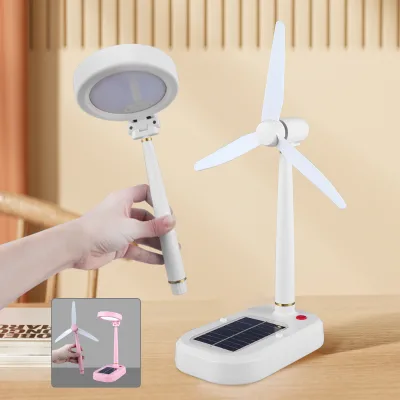
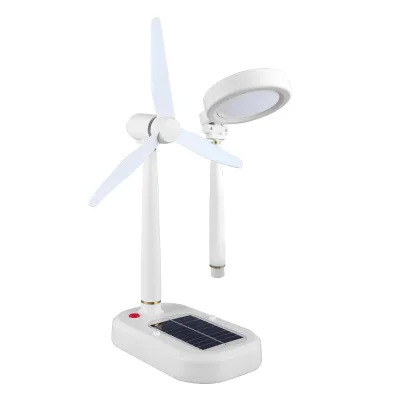
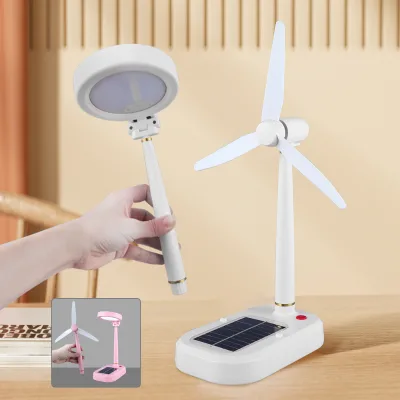


16 Inch Solar Acdc Rechargeable Table Fan Solar DC Fanwith Battery and LED Light
$9.90 - $28.50
MOQ: 1 Pieces


Comprehensive Sourcing Guide
Solar Charging Fan and Light LED Table Lamp Sourcing Guide
Procurement teams must first distinguish between portable table lamps and outdoor solar fans, as the supplied data reveals distinct product models with varying specifications. The observed listings include a specific table lamp model (FIY-ST10L) featuring a 10LED source and a 3.7V lithium battery, alongside separate solar fan units designed for street and garden applications. Buyers should verify whether the required unit is a stationary indoor lighting solution or a mobile outdoor cooling device, as the power source and battery chemistry differ significantly between these categories.
When evaluating the product scope, it is critical to note that while some units utilize a 5V 180mA polysilicon solar panel, others rely on larger 7200mAh batteries or Ni-Cd cells depending on the specific model. The observed price range of 1 to 38 USD suggests a wide variance in build quality and component selection, necessitating a clear definition of the intended use case before engaging suppliers. Procurement strategies must account for these divergent technical architectures to ensure the selected hardware meets the specific operational demands of the target market.
Product Scope and Observed Listing Signals
Buyers should scrutinize the listed power ratings, as the data presents conflicting information with some units rated at 5W or less while others indicate a range of 6W to 10W. This discrepancy often reflects different operational modes or measurement standards, requiring verification of the actual continuous power draw during testing. The presence of a pullswitch on some models and a remote control on others further complicates the scope, demanding that buyers explicitly confirm the control interface required for their specific distribution channels.
The packaging and weight data provide essential clues regarding the logistics and handling requirements for these diverse items. The table lamp model is listed with a single unit weight of 540.5g and a specific outer box size, whereas the solar fan unit is significantly heavier at 17kg with a packing quantity of 10 pieces per carton. These physical attributes directly impact shipping costs and storage planning, so procurement teams must align their logistics strategy with the specific weight and dimension profiles of the chosen product variant.
Technical Specifications to Verify
Technical due diligence must focus on the battery chemistry and charging efficiency, as the listings show both Lithium-ion 18650 cells and Ni-Cd batteries in use. The 18650 configuration offers a specific voltage of 3.7V and a capacity of 1800mA, while other units may utilize different cell types with varying discharge rates. Buyers must verify the actual charging time and illumination duration, as the data cites ranges from 6 to 10 hours of continuous lighting, which can vary based on the specific solar panel efficiency and ambient light conditions.
The material composition and structural integrity are equally critical, with some units constructed from a blend of stainless steel, PP, and ABS, while others are primarily plastic. The solar panel specifications, such as the 5V 180mA epoxy polysilicon type, must be cross-referenced against the intended charging environment to ensure adequate power generation. Additionally, the brightness settings, which include three distinct gears on some models, require confirmation to ensure the light output meets the required illumination standards for the intended application.
Compliance and Safety Documentation
Safety compliance is a primary concern, with the observed listings explicitly mentioning CE and ROHS certifications for various models. Buyers must request valid test reports to confirm that the electrical components, particularly the lithium batteries and solar charging circuits, meet these safety standards. The presence of these certifications indicates a baseline level of regulatory adherence, but procurement teams should verify that the specific batch being ordered carries the same documentation to avoid customs delays or market rejection.
Beyond general certifications, the IP rating and environmental durability must be confirmed, especially for units designated for outdoor use in streets or gardens. The data mentions an IP rating in the context of charging time, but the specific protection level against dust and water ingress is not fully detailed in the provided facts. Buyers should insist on clear IP classification data to ensure the product can withstand the intended weather conditions without premature failure, as this directly impacts the product's lifecycle and warranty claims.
Cost Drivers and Commercial Terms
The observed minimum order quantity (MOQ) ranges from 1 to 1000 units, creating a significant variance in entry costs for different buyers. Small-scale purchasers may access lower MOQs but face higher per-unit costs, while larger orders likely benefit from economies of scale but require greater capital commitment. The price range of 1 to 38 USD suggests that customization options, such as specific packaging or branding, could significantly influence the final unit price, necessitating a clear understanding of the cost structure before negotiation.
Commercial terms must also account for the complex packaging requirements, where some items are sold individually while others are packed in cartons of six or ten pieces. The outer box dimensions and total packing weight, such as the 6.20kg for a box of six lamps, directly affect freight calculations and container utilization. Buyers should negotiate terms that reflect these logistical realities, ensuring that shipping costs are accurately estimated and that the supplier provides clear guidance on how to optimize container loading for the specific product mix.
Supplier Qualification and Quality Control
Supplier qualification should prioritize manufacturers located in verified industrial hubs, such as Zhejiang, China, which is cited as the origin for several listed models. Proximity to established supply chains often correlates with better quality control and faster response times, but buyers must still conduct on-site audits or request third-party inspection reports. The diversity of materials used, from stainless steel to various plastics, requires that the supplier demonstrates consistent quality control across different production lines and material types.
Quality control protocols must specifically address the battery performance and solar panel efficiency, as these are the most common points of failure in solar-powered devices. Buyers should require pre-shipment testing that validates the 8 to 10-hour illumination claim and confirms the battery's ability to hold a charge over multiple cycles. Establishing a clear acceptance criteria for these performance metrics is essential to prevent the receipt of substandard goods that could damage the buyer's reputation in the market.
Long-Term Procurement Checks
Long-term procurement success depends on verifying the availability of spare parts and the consistency of the supply chain over time. The reliance on specific battery types like the 18650 and solar panels with defined voltage outputs means that component obsolescence could disrupt future production runs. Buyers should secure agreements that guarantee the continued availability of these critical components or establish a transition plan for alternative specifications if the current supply chain becomes unstable.
Finally, ongoing performance monitoring is necessary to ensure that the products continue to meet the initial specifications after extended market exposure. Buyers should implement a feedback loop to track field performance, particularly regarding battery degradation and solar panel efficiency in real-world conditions. This data will inform future purchasing decisions and help maintain a competitive edge by ensuring that the product portfolio remains reliable and compliant with evolving market expectations.
FAQs
How long does the Solar Charging Fan and Light LED Table Lamp run on a full charge?
The listed models deliver 8-10 hours of continuous lighting after a full solar charge, and one variant specifies an 8-hour illumination time. Actual runtime depends on sunlight exposure, battery condition, and the brightness setting selected. The 3-gear brightness option lets users extend operating time by choosing a lower output level when full illumination is not required.
What battery type is used inside the Solar Charging Fan and Light LED Table Lamp?
These units use rechargeable lithium batteries, including a 3.7V 18650 Li-ion cell rated at 1800mA in one listed model, while another variant specifies a 7200mAh battery. Some solar fan light designs may use Ni-Cd cells instead. Battery chemistry affects weight, runtime, and replacement needs, so confirm the exact cell type with the supplier before ordering.
What certifications do these Solar Charging Fan and Light LED Table Lamp products carry?
Listed products carry CE certification, and one model is additionally certified CE and ROHS. CE marking indicates compliance with European health, safety, and environmental requirements, while ROHS restricts hazardous substances. Certification coverage can vary by model and shipment destination, so verify the applicable certificates for the specific unit and market you intend to sell into.
Can the Solar Charging Fan and Light LED Table Lamp be customized for our brand?
Yes, customization is listed as available for these products. Typical B2B customization includes branding, packaging adjustments, and specification changes, though the exact scope depends on the supplier and order quantity. Discuss your requirements, including artwork and minimum order quantities, with the manufacturer early so tooling, samples, and production lead times can be confirmed before committing.
What are the packaging and shipping specifications for the Solar Charging Fan and Light LED Table Lamp?
One model is packed at 6 pieces per outer carton measuring 64.5 by 22.5 by 60cm with a packing weight of 6.20kg, and single packaging is 29 by 21 by 21cm weighing 872g per box. Other listings show 10 pieces per carton at 17kg total weight. Confirm carton configuration and weights with your chosen supplier for freight planning.
Which power specifications apply to the Solar Charging Fan and Light LED Table Lamp?
Listed units are solar powered with a 5V 180mA epoxy polysilicon solar panel, operate at 3-6V, and range from 5W or below to 6-10W depending on the model. Light sources are LED, with one configuration using 10 LEDs, and switching is via pullswitch. Review each model specification sheet to match voltage, wattage, and LED count to your market requirements.
How does the lighting mode work on the Solar Charging Fan and Light LED Table Lamp?
The lighting cycle offers strong light, flashing, and sidelight modes, allowing users to switch between bright illumination, an attention signal, and softer ambient output. Combined with 3-gear brightness control, this gives flexible operation for outdoor use such as gardens and streets. Mode selection affects power draw, so runtime estimates should assume the strongest setting for conservative planning.