Source Solar Cell Peel Strength Tester for PV Modules
Find and compare 30 solar cell peel strength testers from verified suppliers in China. Evaluate models like TH-8210S and QT-6201DAW for tensile, compression, and peeling applications in photovoltaic manufacturing; compare the available evidence and request quotations based on your requirements.
Key considerations
Products List


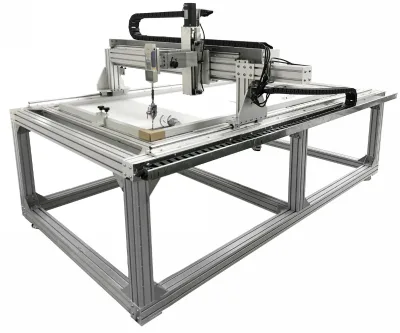
Photovoltaic Welding Belt Tension Machine Coating Peel Strength Tester
$7600.00 - $15100.00
MOQ: 1 Pieces

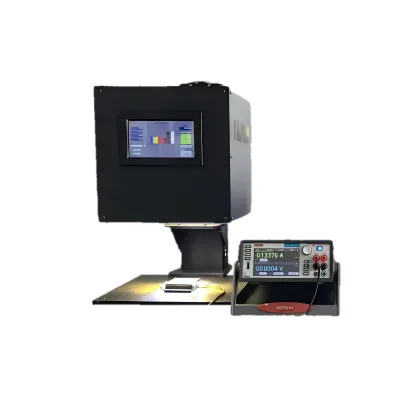
Advanced Solar Panel Peel Strength Testing Equipment for Reliable Results
$7399.00 - $20999.00
MOQ: 1 Pieces

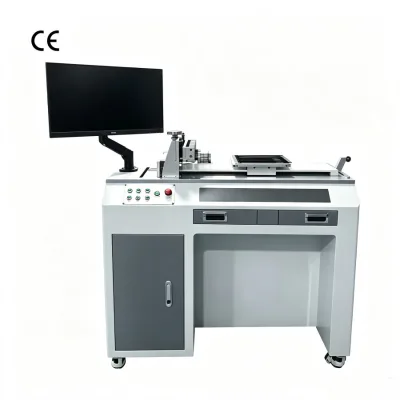
High-Precision Solar Panel Peel Strength Testing Machine for Reliability
$7399.00 - $20999.00
MOQ: 1 Pieces


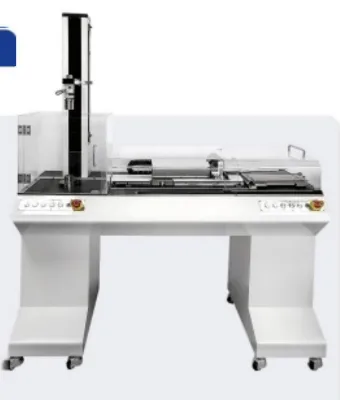
Reliable Solar Panel Peel Strength Testing Machine with Customizable Features
$7399.00 - $20999.00
MOQ: 1 Pieces


High Quality Customizable Equipment for Solar Cell Peel and Tensile Testing
$7500.00 - $22000.00
MOQ: 1 Pieces


Solar Cell Peeling Tensile Strength Tester PV Module Battery Strip Pulling Test Machine
$2000.00 - $6000.00
MOQ: 1 Pieces


Comprehensive Sourcing Guide
Solar Cell Peel Strength Tester Sourcing Guide
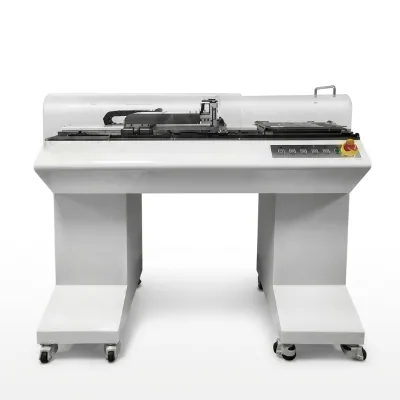
Procurement professionals evaluating solar cell peel strength testers must first distinguish between general universal testing machines and specialized units designed for photovoltaic applications. The observed market data indicates a diverse range of models, including specific configurations like the QT-6201DAW and TH-8210S, which cater to different testing requirements within the industry. Buyers should recognize that while some units are marketed broadly as strength testing machines, others are explicitly tailored for tensile and peeling functions specific to solar PV modules.
Understanding the specific operational context is critical before selecting a supplier, as the equipment must align with the physical constraints of the workpieces being tested. The available inventory shows variations in workpiece mass scope, with some units supporting loads under 900kg, while others are optimized for lighter components. This distinction ensures that the selected machine can handle the specific dimensions and weight of solar cells without compromising test accuracy or structural integrity during the evaluation process.
Product Scope and Observed Listing Signals
Buyers analyzing product listings should note the significant variance in observed price points, which range from approximately 54 to 22,000 USD, reflecting differences in capacity, control systems, and brand positioning. This wide spectrum suggests that cost alone is not a reliable indicator of suitability; instead, purchasers must correlate price with specific technical capabilities such as the presence of computer control or microcomputer servo systems. The presence of multiple models with similar names but distinct specifications requires careful scrutiny to ensure the selected unit matches the intended testing protocol.
The physical dimensions and loading methods of the machines also vary considerably across the available listings, influencing how they integrate into existing laboratory workflows. Some units feature dynamic loading capabilities, while others utilize static load methods, and the effective test width can range from 200mm to 450mm depending on the model. Procurement teams must verify that the machine's footprint, such as the 900×300×900mm or 1100×750×2050mm dimensions, fits within their designated testing area and accommodates the necessary safety clearances for operation.
Technical Specifications to Verify
When evaluating technical performance, the resolution of load and deformation measurements is a primary factor that determines the reliability of the test data. High-precision units offer load value resolutions of 1/±500000 and deformation resolutions as fine as 0.0001mm, which are essential for detecting minute variations in solar cell adhesion. Buyers must confirm that the selected model provides these specific resolution metrics, as lower precision instruments may fail to capture the subtle failure points required for rigorous quality assurance in photovoltaic manufacturing.
The control method and power source specifications are equally critical for ensuring consistent and repeatable testing results across different production batches. Most advanced units in the current market utilize microcomputer servo control and operate on AC220V power sources, often with optional integration of a personal computer for data analysis. It is imperative to verify that the testing speed range, which can extend from 0.001 to 500mm/Min, is adjustable to meet the specific standards of the solar cell materials being evaluated, ensuring that the machine can perform both slow, precise pulls and faster screening tests.
Compliance and Safety Documentation
Safety and regulatory compliance are non-negotiable aspects of sourcing industrial testing equipment, particularly when dealing with high-force applications in a manufacturing environment. The available product data confirms that certain models carry CE certification, which is a fundamental requirement for equipment sold within the European market and often serves as a baseline for global safety standards. Procurement teams should explicitly request and verify current certification documents for any unit under consideration, ensuring that the safety mechanisms and electrical standards meet the local regulations of the facility where the machine will be installed.
Beyond basic certification, buyers must investigate the specific testing standards that the machine is designed to support, as these dictate the validity of the generated data. While some background references mention standards like EN 50461 or IEC 61730-2, the primary focus should be on verifying that the equipment's load measurement range and deviation limits, such as within ±0.5%, align with the specific industry protocols required for solar PV testing. Ensuring that the machine's calibration and measurement capabilities are traceable to recognized standards is essential for maintaining the integrity of the quality control process.
Cost Drivers and Commercial Terms
The total cost of ownership for a Solar Cell Peel Strength Tester is influenced by several factors beyond the initial purchase price, including the complexity of the control system and the inclusion of optional accessories. Units equipped with advanced features like microcomputer servo control or those offering personal computer integration often command higher price points due to the enhanced data acquisition and analysis capabilities they provide. Buyers should carefully evaluate whether these premium features are necessary for their specific testing volume and accuracy requirements to avoid unnecessary expenditure on over-specification.
Commercial terms such as minimum order quantity and packaging requirements also play a significant role in the procurement decision-making process. The observed market data indicates a minimum order quantity of one unit for most listings, offering flexibility for small-scale procurement, while the standard packaging is typically a wooden case designed to protect the equipment during transit. Purchasers should confirm the specific packing details and any associated shipping costs, as the heavy nature of these machines, with weights ranging from 100kg to over 500kg, can significantly impact logistics expenses and delivery timelines.
Supplier Qualification and Quality Control
Supplier qualification should extend beyond the basic product listing to include a thorough assessment of the manufacturer's origin and production capabilities. The majority of the observed products originate from Jiangsu, China, a region known for its manufacturing base in industrial machinery, but buyers must verify the specific factory credentials and quality management systems of the supplier. Establishing a direct line of communication with the manufacturer allows for a deeper understanding of their production processes and their ability to support customization requests, such as heightening the machine structure to fit specific laboratory needs.
Quality control measures must be integrated into the supplier selection process to ensure that the delivered equipment meets the promised specifications and performance standards. Buyers should request detailed test reports or calibration certificates that demonstrate the machine's accuracy, particularly regarding the load measurement range and deviation limits. It is also advisable to inquire about the supplier's after-sales support structure, including the availability of spare parts and technical assistance, to ensure long-term operational reliability and minimal downtime in the testing facility.
Long-Term Procurement Checks
Sustainable procurement of solar cell peel strength testers requires a forward-looking approach that considers the long-term maintenance and upgrade potential of the equipment. Buyers should assess whether the machine's software and hardware architecture allow for future upgrades, such as adding new testing functions or integrating with advanced data management systems. The availability of customization options, such as specific height adjustments or additional stations, indicates a supplier's commitment to adapting their products to evolving industry needs and testing protocols.
Finally, establishing a robust relationship with the supplier is essential for managing the lifecycle of the testing equipment and ensuring continued compliance with industry standards. Procurement teams should negotiate clear terms for warranty coverage, maintenance schedules, and technical training to maximize the utility of the investment. By focusing on suppliers who demonstrate a commitment to quality and support, buyers can secure a reliable testing solution that remains effective and compliant throughout the operational lifespan of the solar cell production line.
FAQs
What testing functions does the Tophung Solar Cell Peel Strength Tester perform?
The Tophung Solar Cell Peel Strength Tester performs tensile, compression, bending, and peeling tests. It features computer control and digital display for accurate results. The machine supports a maximum workpiece diameter under 500mm and mass under 900kg. It operates on AC220V power and includes a 210x210mm press plate for versatile sample handling.
Can the Solar Cell Peel Strength Tester be customized for specific needs?
Yes, the Solar Cell Peel Strength Tester offers available customization options. Buyers can request modifications such as heightening to suit specific laboratory requirements. The equipment is packed in a wooden case for safe transport. Customization ensures the machine adapts to unique testing workflows and spatial constraints in photovoltaic research environments.
What is the load measurement range and resolution of the tester?
The load measurement range spans from 0.2% to 100% of full scale. The load value resolution is 1/±500000, ensuring high precision. Load value allowed deviation is within ±0.5%. Deformation resolution reaches 0.0001mm, and displacement resolution is 0.0005mm. These specifications guarantee reliable data for solar cell material analysis.
Which certifications does the Solar Cell Peel Strength Tester hold?
The Solar Cell Peel Strength Tester holds CE certification, indicating compliance with European safety standards. This certification ensures the equipment meets rigorous quality and safety requirements for industrial use. The machine originates from Jiangsu, China, and is designed for the photovoltaic industry. CE marking facilitates international trade and regulatory acceptance for buyers.
What are the dimensions and weight of the universal testing machine?
The universal testing machine dimensions vary by model, with one standard size being 1050x500x950mm. Another model measures 1100x750x2050mm, while a compact version is 900x300x900mm. The weight ranges from 100 to 500kg depending on the configuration. These dimensions accommodate various laboratory spaces while maintaining structural stability for precise testing operations.
How is the Solar Cell Peel Strength Tester controlled and powered?
The tester uses microcomputer servo control for precise operation. It is powered by AC220V electricity with a power consumption of 400W. The control method ensures stable loading and accurate data acquisition. Optional personal computer integration allows for advanced data management. This setup supports both static and dynamic load testing for comprehensive material evaluation.