Source Solar Exhaust Attic Fan for Home, Factory, and Restaurant
Compare 29 Solar Exhaust Attic Fan options with varying power, speed, and mounting types. Buyers can evaluate aluminum and plastic models for home, factory, and restaurant applications with customization support.
Key considerations
Products List


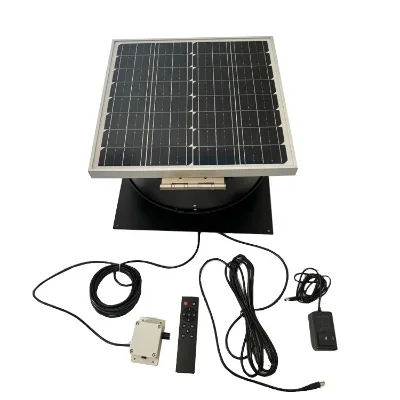
20W 14 Inch Solar Powered Fan Attic Ventilation PV Adjustable (SN2013003)
$170.00 - $180.00
MOQ: 1 Pieces

Adjustable PV 30W 14 Inch Solar Powered Rooftop Air Exhausting Fan (SN2014006)
$185.00 - $195.00
MOQ: 1 Pieces


Comprehensive Sourcing Guide
Solar Exhaust Attic Fan Sourcing Guide
Sourcing solar exhaust attic fans requires a careful balance between energy efficiency, airflow performance, and structural durability. These systems are designed to remove hot, stagnant air from attic spaces, reducing cooling loads and preventing moisture buildup that can damage roofing materials and insulation. Buyers must navigate a market where specifications vary significantly, from small residential units to high-capacity industrial models. The core challenge lies in verifying that the solar components and fan mechanics work in harmony to deliver consistent performance under varying weather conditions.
This guide provides a structured approach to evaluating suppliers and products based on observed market data and technical realities. It focuses on critical decision points such as motor type, airflow volume, and mounting compatibility. By adhering to the evidence-based insights provided, procurement teams can avoid common pitfalls related to underpowered units or incompatible mounting systems. The goal is to ensure that the selected fans meet specific environmental and operational requirements without relying on unverified marketing claims.
Product Scope and Observed Listing Signals
The current market for solar exhaust attic fans includes a diverse range of products, from wall-mounted axial fans to specialized roof-mounted units. Observed listings indicate a price range of $11 to $245 USD, reflecting significant variation in build quality, motor technology, and airflow capacity. Buyers should note that lower-priced items often correspond to smaller units with lower airflow ratings, such as those rated around 82-95 CFM, which may be suitable for small bathrooms or kitchens but insufficient for large attic spaces. Conversely, higher-priced units often feature more robust materials and higher airflow outputs, such as those reaching 2000 CFM.
Material composition is a key differentiator in this category. Listings reveal the use of aluminum blades, ABS plastic, galvanization steel, and stainless steel. Aluminum fans are noted for their lightweight and corrosion-resistant properties, while stainless steel offers superior durability in harsh environments. The mounting types also vary, with options including duct fans, roof fans, and wall fans. Buyers must align the mounting type with their installation site, as roof-mounted units require specific sealing and structural support to prevent leaks, whereas wall-mounted units may be easier to install but less effective for whole-attic ventilation.
Technical Specifications to Verify
Airflow volume is the most critical performance metric for attic ventilation. Buyers should verify the cubic feet per minute (CFM) rating to ensure it matches the attic’s square footage and insulation needs. Observed data shows a wide range, from 82 CFM for small applications to 2000 CFM for high-capacity industrial use. It is essential to calculate the required airflow based on the attic’s volume and the desired air exchange rate. Units with higher RPM motors, such as those operating at 2700 RPM or 4500 RPM, typically deliver higher airflow but may generate more noise and consume more power.
Motor type and power source are equally important considerations. Many solar attic fans utilize brushless motors, which offer longer lifespans and quieter operation compared to traditional brushed motors. Some units operate on 12V DC power, which is standard for solar systems, while others may have higher power ratings, such as 40W or 42W. Buyers should verify the motor’s RPM and power consumption to ensure compatibility with the solar panel’s output. Additionally, bearing type, such as Hypro or two-ball bearings, affects the fan’s longevity and maintenance requirements. High-quality bearings reduce friction and wear, extending the product’s service life.
Compliance and Safety Documentation
Safety and compliance are paramount when installing electrical and solar equipment in residential or commercial buildings. Buyers must ensure that the fans meet relevant electrical safety standards, particularly regarding voltage and insulation. Although specific certification marks are not universally listed, buyers should request documentation confirming compliance with local electrical codes. This includes verifying that the solar panels and wiring are rated for outdoor use and can withstand environmental stressors such as UV exposure and temperature fluctuations.
Waterproofing and weather resistance are critical for roof-mounted units. Buyers should verify the IP (Ingress Protection) rating of the fan housing to ensure it is resistant to rain and dust. The mounting type also impacts safety, as roof fans must be securely fastened to withstand high winds. Buyers should inquire about the sealing mechanisms used to prevent water infiltration around the fan’s base. Additionally, the deflection liability period, often listed as one year, indicates the manufacturer’s confidence in the product’s durability. Buyers should clarify the terms of this warranty to understand what components are covered and under what conditions.
Cost Drivers and Commercial Terms
The cost of solar exhaust attic fans is influenced by several factors, including material quality, motor technology, and airflow capacity. Units made from stainless steel or featuring brushless motors tend to be more expensive due to their durability and efficiency. Buyers should also consider the cost of installation, which can vary depending on the mounting type and the complexity of the electrical setup. Roof-mounted units may require professional installation to ensure proper sealing and structural integrity, adding to the total cost of ownership.
Commercial terms such as MOQ (Minimum Order Quantity) and customization options also impact procurement decisions. Observed MOQs range from 1 to 1000 units, allowing for flexibility in order sizes. Buyers seeking custom branding or specific design modifications should verify the supplier’s OEM and ODM capabilities. Some suppliers offer customized support for branding and design, which can be beneficial for large-scale projects or private label opportunities. Additionally, buyers should inquire about after-sales service, such as video technical support, to ensure ongoing assistance with installation and maintenance.
Supplier Qualification and Quality Control
Supplier qualification is essential to ensure the reliability and consistency of solar exhaust attic fans. Buyers should verify the supplier’s place of origin, with many manufacturers located in Guangdong, China, a hub for electronics and fan production. This region is known for its manufacturing expertise, but buyers should still conduct due diligence to assess the supplier’s quality control processes. Requesting samples before placing large orders allows buyers to evaluate the build quality, airflow performance, and solar panel efficiency firsthand.
Quality control measures should include testing for airflow consistency, motor durability, and weather resistance. Buyers should inquire about the supplier’s testing protocols and whether they conduct regular inspections during production. Additionally, buyers should verify the supplier’s ability to provide consistent product specifications across batches. Inconsistent airflow or motor performance can lead to customer dissatisfaction and increased return rates. Establishing a clear communication channel with the supplier for addressing quality issues is crucial for long-term partnership success.
Long-Term Procurement Checks
Long-term procurement success depends on the supplier’s ability to provide consistent quality and support. Buyers should monitor the performance of the fans over time, tracking metrics such as airflow degradation, motor noise, and solar panel efficiency. Regular maintenance checks, including cleaning of the blades and solar panels, can extend the product’s lifespan and maintain optimal performance. Buyers should also stay informed about advancements in solar technology and fan design to ensure they are sourcing the most efficient and durable products available.
Building a strong relationship with the supplier can facilitate better pricing, priority support, and access to new product developments. Buyers should engage in regular communication with the supplier to discuss performance feedback and potential improvements. Additionally, buyers should review the supplier’s defect liability period and warranty terms periodically to ensure they remain competitive and fair. By maintaining a proactive approach to supplier management, buyers can mitigate risks and ensure a steady supply of high-quality solar exhaust attic fans.
FAQs
What is the maximum speed of the Solar Exhaust Attic Fan motor?
The motor operates at a maximum speed of 1300 RPM using a brushless design. This ensures efficient airflow while maintaining durability for continuous operation in attic environments without overheating.
Which mounting types are available for these solar exhaust fans?
Available mounting types include duct fans, roof fans, and wall-mounted axial configurations. These options allow flexible installation in various building structures such as factories, homes, and offices.
Can I get custom OEM or ODM support for this fan?
Yes, customized support including OEM, ODM, and OBM services is available for these units. Buyers can request specific modifications to meet unique operational requirements or branding needs.
What is the power consumption of the standard solar exhaust fan?
The standard unit consumes 42 Watts of power during operation. This energy-efficient rating supports sustainable cooling solutions while ensuring reliable performance in residential and commercial attic spaces.
How long is the defects liability period for the product?
The defects liability period is one year from the date of purchase. This warranty covers manufacturing defects and ensures buyer protection during the initial operational phase of the equipment.
What materials are used to construct the fan blades and housing?
Blades are made of aluminum while the housing may use plastic or stainless steel. These materials provide corrosion resistance and structural integrity for long-term use in diverse environmental conditions.
Where is the place of origin for these solar exhaust fans?
The products originate from Guangdong, China, with some units sourced from Zhejiang province. This location indicates established manufacturing capabilities within the region for export-ready industrial equipment.