Source Solar Hand Crank Camping Lantern for Emergency, Outdoor, and Everyday Carry
Find 30 solar hand crank camping lanterns with varying power sources, battery types, and runtimes. Buyers can compare LED output, charging methods, and certifications to select the right unit for emergency, outdoor, or everyday carry applications.
Key considerations
Products List


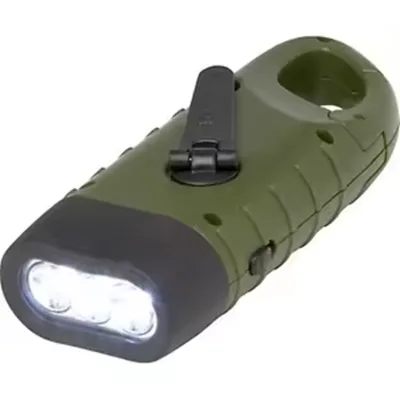


Solar Power Camping Light Rechargeable LED Camping Lantern for Outdoor
$12.00 - $18.00
MOQ: 1000 Pieces


Comprehensive Sourcing Guide
Strategic Sourcing Guide for Solar Hand Crank Camping Lanterns
The global demand for portable emergency lighting solutions has surged, driven by increasing frequency of natural disasters and a growing outdoor recreational market. For B2B procurement professionals, the Solar Hand Crank Camping Lantern represents a critical category where reliability, energy independence, and durability are paramount. Sourcing these devices requires a disciplined approach that moves beyond basic specifications to understand the interplay between power generation mechanisms, battery chemistry, and compliance standards. This guide provides a structured framework for evaluating suppliers and products, ensuring that procurement decisions are grounded in verified data and industry best practices.
Technical Architecture and Power Systems
The core functionality of a Solar Hand Crank Camping Lantern relies on a triad of energy inputs: photovoltaic conversion, mechanical hand-cranking, and grid-based charging. In the current market, high-confidence observations indicate that models often feature specific power ratings, such as 5W or 10W IPLamp power configurations, which directly influence the brightness and runtime of the device. The light source is predominantly LED, with some specifications noting COB (Chip on Board) technology, such as 20-watt COB LEDs, which offer superior lumen output compared to traditional single-die LEDs.
Power management is equally critical. Buyers must verify the battery chemistry, as the market presents distinct options ranging from Lead Acid to Rechargeable Lithium-ion (specifically 18650 cells). A typical configuration observed includes a 4400mAh capacity using two 18650 Li-ion batteries, which supports a runtime of 5 to 12 hours depending on the selected mode. In contrast, other models may utilize smaller capacities, such as 1200 mAh, with a focus on compactness for everyday carry. The charging architecture varies significantly; some units offer Type-C ports for rapid adapter charging (approximately 2 hours), while others rely on solar panels requiring up to 8 hours of exposure. The mechanical hand crank serves as a vital backup, often providing a short burst of power (e.g., 10 minutes after 1 minute of cranking) to ensure the device remains operational when other sources fail.
Compliance and Certification Verification
In the B2B sector, regulatory compliance is not merely a formality but a prerequisite for market access. When sourcing solar lanterns, procurement teams must rigorously verify that products meet international safety and environmental standards. The most common certifications observed in this category include CE (Conformité Européenne) and RoHS (Restriction of Hazardous Substances). These certifications indicate that the product adheres to European safety, health, and environmental protection requirements.
Buyers should not assume that all listed products possess these certifications. Instead, the verification process must involve requesting current test reports and certificates of conformity from the supplier. The material composition is also a compliance factor; the use of ABS plastic for the housing is a standard observation, offering a balance of impact resistance and cost-effectiveness. However, the specific electrical safety standards for the internal circuitry, particularly regarding the 24V or 12V operating voltages observed in various models, must be validated against the target market's regulations. For instance, a device intended for the North American market may require UL certification, while those for Europe must strictly adhere to CE directives. Procurement teams should treat the "Customization" attribute as a variable that may impact certification status, as altering the electrical design or battery type could void existing compliance approvals.
Cost Drivers and Pricing Dynamics
The pricing structure for solar hand crank camping lanterns is influenced by a complex matrix of factors, including battery capacity, LED efficiency, and the sophistication of the charging system. The observed market price range spans from $0.50 to $37.85 USD, a wide disparity that reflects significant differences in build quality and component selection. The lower end of this spectrum typically corresponds to basic models with smaller battery capacities (e.g., 1200 mAh) and simpler charging mechanisms, often utilizing Lead Acid batteries which are heavier and have a shorter lifespan. Conversely, the higher price points are associated with advanced features such as 20-watt COB LEDs, 4400mAh Li-ion battery packs, and robust solar panels with efficient charge controllers.
Material costs play a substantial role in pricing. The use of ABS plastic is standard, but the thickness and quality of the molding affect durability and cost. Additionally, the inclusion of specific features like push-button switches, multicolor lighting modes, or specific form factors (such as the 157*100mm or 10X11cm dimensions) adds to the manufacturing complexity. The Minimum Order Quantity (MOQ) is another critical cost driver, with observed ranges from 1 to 1000 units. Higher MOQs often correlate with lower unit costs, but they also increase the buyer's inventory risk. Buyers must balance the unit price against the total cost of ownership, considering the warranty period (often 6 months) and the expected lifespan of the battery, which can degrade significantly if not properly managed.
Typical Applications and Usage Scenarios
The versatility of solar hand crank camping lanterns makes them suitable for a diverse range of applications, from recreational outdoor activities to critical emergency response. The primary usage scenario identified is outdoor camping, where the device serves as a reliable light source in the absence of grid power. The "Sunseeker" band and specific models like the ZY-T92 and HY 361 are designed to withstand the rigors of the outdoors, featuring IP ratings that suggest water and dust resistance, although specific IP levels must be confirmed for each model.
Beyond camping, these devices are increasingly utilized for emergency lighting in residential and commercial settings. The "Everyday Carry" (EDC) application highlights the demand for compact, lightweight units that can be stored in vehicles or emergency kits. The ability to operate on multiple power sources—solar, hand crank, and AC adapter—makes these lanterns ideal for disaster relief operations where infrastructure may be compromised. The "Handed Type" designation suggests ergonomic designs intended for one-handed operation, which is crucial in high-stress situations. Procurement teams should align product selection with the specific needs of their end-users; for example, a government agency requiring emergency stockpiles might prioritize models with longer runtimes and robust battery chemistries, while a retailer targeting campers might focus on compact, multicolor options with aesthetic appeal.
Supplier Evaluation and Quality Control
Evaluating suppliers in the solar lantern sector requires a focus on manufacturing capability, quality control processes, and supply chain transparency. The origin of these products is predominantly China, a hub for electronics manufacturing that offers competitive pricing but necessitates rigorous vetting. Buyers should verify the supplier's production capacity and their ability to meet specific customization requests, as "Customization" is a frequently observed attribute. This includes the ability to modify the color box packaging, adjust voltage requirements, or integrate specific branding.
Quality control is paramount to ensure product reliability. Key inspection points include the integrity of the solar panel connections, the sealing of the battery compartment, and the durability of the hand crank mechanism. The "Crust Color" and overall finish should be inspected for consistency, as variations can indicate poor quality control. Furthermore, the warranty terms, such as the observed 6-month period, should be clearly defined in the contract. Buyers must also assess the supplier's ability to provide consistent lead times, as the global supply chain for electronic components can be volatile. It is essential to request pre-shipment inspections and third-party testing reports to validate that the products meet the specified standards, such as the ZY-T92 or HY 361 model specifications, before finalizing the order.
Long-Term Procurement Considerations
Sourcing solar hand crank camping lanterns is not a one-time transaction but a long-term strategic partnership. Buyers must consider the lifecycle of the product, including battery replacement and end-of-life disposal. The use of Lead Acid batteries, while cost-effective, presents environmental challenges and shorter lifespans compared to Lithium-ion options. As regulations regarding battery disposal tighten, suppliers who offer sustainable solutions or take-back programs may provide a competitive advantage.
Additionally, the evolution of technology in the LED and solar sectors means that today's standard may become obsolete tomorrow. Buyers should prioritize suppliers who demonstrate a commitment to innovation and continuous improvement. The ability to customize the product, such as adjusting the size to 111125cm or modifying the output to 2000lm, allows for future-proofing the product line. Finally, the packaging and logistics considerations, such as the 80PCS/box configuration with a 24KG weight, must be optimized to reduce shipping costs and minimize damage during transit. By focusing on these long-term factors, procurement professionals can build a resilient supply chain that delivers value and reliability to their customers over time.
FAQs
What battery types are available for solar hand crank camping lanterns?
Available battery types include Lead Acid and Rechargeable Battery options. Some models specifically utilize 2X18650 Li-ion batteries with 4400mAh capacity, while others feature smaller 1200 mAh units for compact everyday carry applications.
How long does the Solar Hand Crank Camping Lantern run on a full charge?
Run times typically range from 5 to 12 hours depending on the selected mode. Specific models offer 5 hours of operation or 10 minutes of light after one minute of hand cranking, with some configurations supporting up to 12 hours.
Can I customize the Solar Hand Crank Camping Lantern packaging and design?
Customization is available for many models in this category. Buyers can request specific color box packaging, adjust voltage requirements, or modify dimensions like the 11*11*25cm size to meet unique branding and logistical needs.
Which certifications do solar hand crank camping lanterns typically hold?
Common certifications observed include CE and RoHS, indicating compliance with European safety and environmental standards. Buyers should verify specific test reports as customization may impact existing compliance approvals for different target markets.
What is the price range for solar hand crank camping lanterns?
The observed market price range spans from 0.5 to 37.85 USD. Lower prices often correspond to basic models with smaller batteries, while higher prices reflect advanced features like 20-watt COB LEDs and larger battery capacities.
How do I charge the Solar Hand Crank Camping Lantern?
Charging methods include solar panels, AC adapters, and mechanical hand cranking. Solar charging may take up to 8 hours, while adapter charging can be completed in approximately 2 hours, with Type-C ports often available for rapid charging.