Source Solar Panel Waterproof Ita Bag for Travel, Sports, and Daily Use
Explore 30 options for the Solar Panel Waterproof Ita Bag, featuring polyester and canvas materials with USB charging and waterproof designs. Compare specifications for traveling, outdoor sports, and student laptop storage to find the ideal solution for your sourcing needs.
Key considerations
Products List


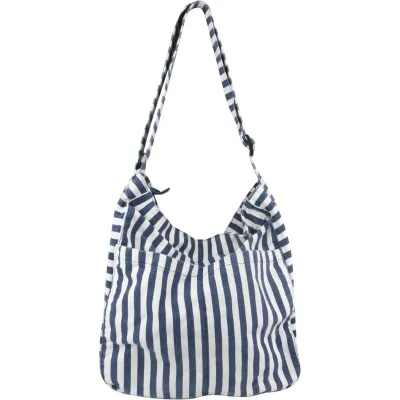


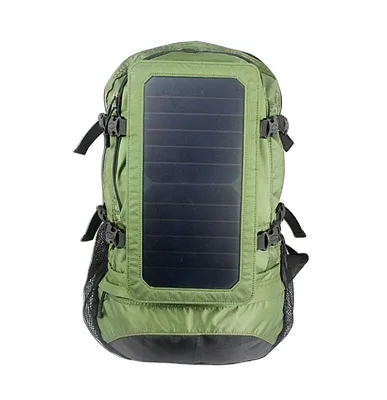


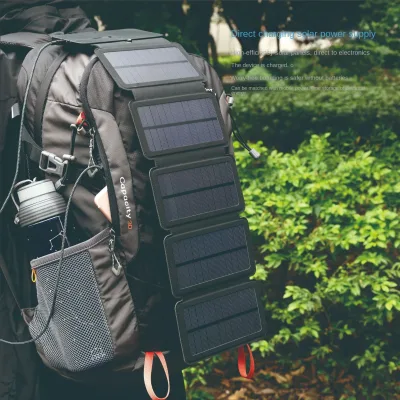
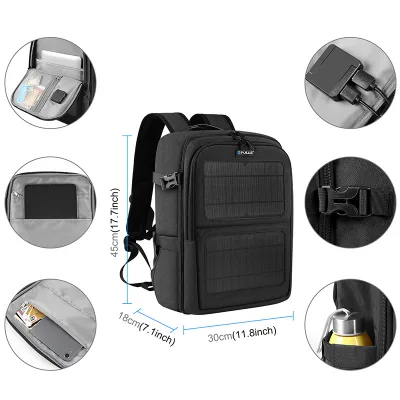




Comprehensive Sourcing Guide
Solar Panel Waterproof Ita Bag Sourcing Guide
Sourcing solar-integrated waterproof bags requires balancing portable power generation with durable, weather-resistant construction. Buyers must evaluate how solar components integrate with the bag’s primary function, whether for travel, outdoor sports, or daily commuting. The intersection of electronics and textile manufacturing introduces unique quality control challenges that differ from standard luggage procurement.
Procurement teams should prioritize suppliers who demonstrate expertise in both waterproof material engineering and solar cell integration. This dual competency ensures that the bag maintains its water resistance while delivering reliable power output. Understanding the specific use case, such as camping or urban travel, helps in selecting the appropriate capacity and solar panel efficiency for the end-user’s needs.
Product Scope and Observed Listing Signals
Market listings indicate a diverse range of solar bags, including models specifically designed for laptops, beach outings, and general outdoor activities. Observed attributes highlight features such as waterproofing, USB charging ports, and various capacity sizes ranging from mini to big. These signals suggest that buyers can find products tailored to specific gender preferences, styles, and seasonal requirements, offering flexibility in product selection.
The presence of customization options, including OEM services and tailored sizes, indicates that many suppliers are open to branding and design modifications. Materials observed include polyester, canvas, and leather, each offering different durability and aesthetic profiles. Buyers should note that while many products claim waterproof or water-resistant properties, the specific level of protection varies and requires verification through technical documentation.
Technical Specifications to Verify
Buyers must verify the solar panel’s wattage, conversion efficiency, and compatibility with common devices. It is crucial to confirm whether the bag includes a built-in battery or relies solely on direct charging. The waterproof rating, often expressed in IP codes, should be clearly defined to ensure the electronics remain protected during rain or accidental submersion.
The integration of USB ports and internal wiring must be assessed for durability and safety. Buyers should request schematics or detailed descriptions of how the solar panel connects to the output ports. Additionally, the material’s resistance to UV degradation and abrasion is vital for long-term outdoor use, ensuring the bag does not deteriorate quickly under sunlight exposure.
Compliance and Safety Documentation
Electrical components within the bag must comply with relevant safety standards to prevent overheating or short circuits. Buyers should request certificates for the solar cells, batteries, and USB charging modules, ensuring they meet international safety regulations. Documentation should cover electrical safety, material toxicity, and environmental compliance for the fabrics and coatings used.
Waterproofing claims should be supported by test reports from accredited laboratories. These reports provide objective evidence of the bag’s ability to withstand water exposure under specific conditions. Buyers must ensure that all documentation is up-to-date and covers the specific models being ordered, as compliance can vary between different product lines and manufacturing batches.
Cost Drivers and Commercial Terms
The cost of solar bags is influenced by the quality of the solar cells, the type of waterproof material, and the complexity of the electrical integration. Higher efficiency panels and more durable fabrics will increase the unit price but may offer better long-term value. Buyers should analyze the total cost of ownership, including potential maintenance or replacement costs for electronic components.
Minimum order quantities (MOQs) and customization fees are significant commercial factors. Suppliers may offer lower prices for larger volumes but charge premiums for custom branding or design changes. Negotiating clear terms for warranty coverage and after-sales support is essential, especially for products with integrated electronics that may have a shorter lifespan than the bag itself.
Supplier Qualification and Quality Control
Evaluating suppliers requires assessing their experience in both textile manufacturing and electronics assembly. Buyers should verify the supplier’s production capabilities, quality control processes, and track record in exporting similar products. Factories with dedicated R&D teams are better positioned to innovate and solve technical challenges related to solar integration and waterproofing.
Quality control inspections should focus on both the physical construction of the bag and the functionality of the solar components. Buyers should implement pre-shipment inspections that include electrical testing and water resistance checks. Establishing clear acceptance criteria and defect rates in the contract helps ensure that the delivered products meet the specified quality standards.
Long-Term Procurement Checks
Long-term success depends on the supplier’s ability to provide consistent quality and support over time. Buyers should monitor supplier performance metrics, such as on-time delivery rates and defect frequencies, to identify potential issues early. Building a strong relationship with the supplier can facilitate better communication and quicker resolution of any post-sale issues.
Regular audits and re-evaluations of the product’s performance in the field are recommended. Feedback from end-users can provide valuable insights into the bag’s durability and the solar panel’s reliability. Buyers should stay informed about advancements in solar technology and waterproof materials to ensure their procurement strategy remains competitive and aligned with market trends.
FAQs
How waterproof are these solar panel ita bags for outdoor use?
These bags are listed with a waterproof feature, suitable for travel and outdoor scenarios such as beach, camping, and sports. The polyester and canvas materials with zipper closures help shed light rain and splashes. For prolonged heavy rain or full submersion, buyers should request material and construction details from suppliers and confirm water resistance expectations before ordering in bulk.
What is the minimum order quantity for a customized Solar Panel Waterproof Ita Bag?
The listed MOQ is 500 pieces, which applies to customized orders. OEM services are available, so buyers can adjust size, material, color, and branding within the supplier's production constraints. Smaller trial quantities may be negotiable with individual suppliers, but the standard starting point for custom production runs is 500 pieces per order.
Which materials are used in these solar panel waterproof ita bags?
The catalog includes both polyester and canvas variants, and some listed styles use leather with PVC lining. Polyester offers lighter weight and inherent water resistance, while canvas provides a retro look with a medium-soft hardness. Buyers can confirm material composition with each supplier and select the option that best matches durability, weight, and aesthetic requirements.
Can I order a custom size or design for a Solar Panel Waterproof Ita Bag?
Yes, customization is available and sizes are offered as customized. OEM orders are accepted, letting buyers specify dimensions, colors, logos, decorations, and closures within production limits. Models such as Solar Bag-030D and Canvas Solar Bag-034H show the range of base designs. Discuss sampling and size requirements with suppliers before committing to a production run.
What are the solar panel bags suitable for in daily use?
These bags suit sports, camping, traveling, student use, and laptop carrying, with listed applications including daily, travel, beach, and shopping. Capacity ranges from mini to big across models, and styles span simplicity, retro, and fashion looks. The unisex and female-oriented designs make them versatile for commuting, school, and outdoor leisure activities alike.
How does a solar panel ita bag charge devices while traveling?
The integrated solar panel captures sunlight and typically channels power through a USB output, and USB features are listed among product options. Charging speed depends on panel size, sunlight intensity, and device draw. Travelers should keep the panel surface clean and unobstructed, and confirm output specifications with suppliers to match their phone or accessory charging needs.
Which solar ita bag models are available and what are their sizes?
Listed models include Solar Bag-030D, Solar Beach Bag-074Z, Canvas Solar Bag-034H, Canvas Solar Bag-097G, Solar Beach Bags-010Q, and Solar Laptop Bag-093L. A single package size example is 34 by 24 by 2 cm, and one variant is specified at 7 inches. Capacities span mini, medium, and big, so buyers can match model to use case.
What should buyers confirm with suppliers before bulk ordering?
Confirm the exact material, water resistance treatment, solar panel output, closure type, and lining details such as PVC. Verify the 500-piece MOQ, customization scope, packaging, single gross weight around 1.2 kg, and origin in Fujian, China. Request samples to check stitching, panel durability, and hardware quality before finalizing production schedules and shipping terms.