Source USB Warm Movement Gloves for Cycling Skiing and Outdoor Sports
Find and compare 30 listings for USB Warm Movement Gloves designed for winter activities. Buyers can evaluate features like waterproofing, battery options, and customization to select the right heated gloves for cycling, skiing, or general outdoor use.
Key considerations
Products List


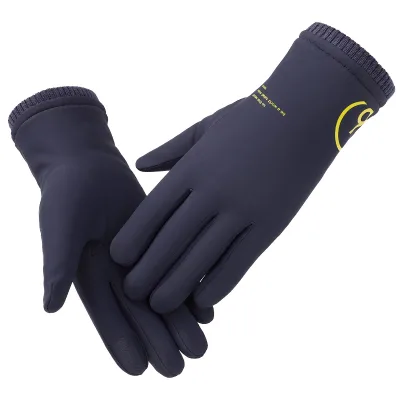
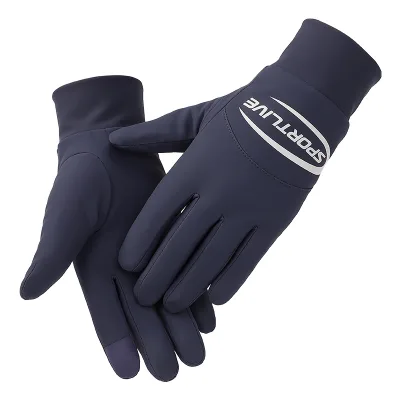
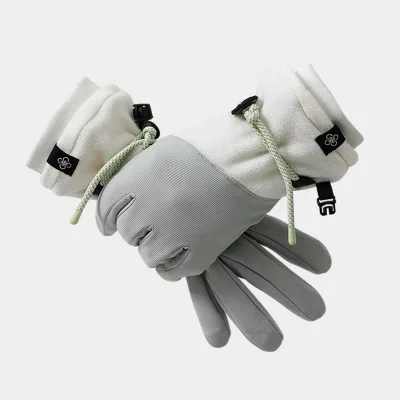


Comprehensive Sourcing Guide
USB Warm Movement Gloves Sourcing Guide
Sourcing heated gloves that combine mobility with thermal regulation requires a careful balance of technical verification and commercial due diligence. The market offers a diverse range of products, from basic battery-powered mittens to advanced full-finger designs with specific heating zones. Buyers must navigate between generic unisex options and specialized gear for activities like cycling, skiing, or motorcycle riding. Understanding the distinction between USB-powered and battery-powered systems is critical, as power delivery methods significantly impact weight, runtime, and user convenience. This guide provides a structured approach to evaluating suppliers and products based on observed market signals and essential procurement criteria.
The procurement process begins with defining the specific use case, whether for casual winter wear, professional outdoor sports, or industrial applications. Observed listings indicate a strong presence of products targeting children and adults, with varying degrees of customization and branding options. Buyers should prioritize suppliers who offer clear specifications regarding heating area coverage, such as five-finger plus back coverage, and material composition, including cotton and microfiber blends. These factors directly influence comfort, durability, and the effectiveness of heat retention during prolonged exposure to cold environments.
Product Scope and Observed Listing Signals
The current market landscape for heated gloves includes a variety of form factors, ranging from full-finger gloves to mittens, catering to different dexterity needs. Observed product names such as "Heated Gloves," "AA Battery Powered Gloves," and "Kids Heated Gloves Mittens" highlight the segmentation between general utility and specialized applications. Suppliers frequently offer customization options, including OEM services and logo acceptance, which are essential for brands looking to create private-label inventory. The availability of low MOQs and sample times as short as three days suggests a responsive supply chain capable of supporting agile procurement strategies and rapid prototyping.
Color and style variations are limited but distinct, with black, red, and white being common options, often presented in plain styles with embellishments like buttons. The heating mechanisms vary, with some products utilizing 7.4V 3000mAh lithium batteries while others rely on AA batteries, indicating a need for buyers to verify power source compatibility. Features such as waterproofing, anti-slip properties, and breathability are frequently cited, addressing the functional requirements of outdoor activities like cycling, skiing, and travel. Buyers should note that while these features are advertised, they must be validated through technical documentation and physical sampling to ensure performance under actual operating conditions.
Technical Specifications to Verify
Verifying the technical integrity of heated gloves is paramount to ensuring user safety and product satisfaction. Key specifications to scrutinize include the heating area, which some listings specify as covering the five fingers and the back of the hand, and the operating temperature range, which may extend up to 60 degrees Celsius. The power source is a critical differentiator; buyers must confirm whether the gloves use integrated lithium batteries or replaceable AA cells, as this affects maintenance and longevity. Additionally, the battery capacity, such as 3000mAh, should be cross-referenced with claimed runtime to assess efficiency and reliability during extended use.
Material composition and construction quality directly impact both comfort and durability. Listings indicate the use of cotton and microfiber, materials chosen for their warmth and breathability, but buyers should request detailed material breakdowns to ensure suitability for specific climates. The fit and sizing standards, ranging from free size to specific measurements like L, require careful attention to avoid returns due to poor fit. Structural elements, such as the presence of anti-slip features and waterproof coatings, must be verified through test reports or physical inspection to confirm that they meet the demands of wet and slippery conditions common in winter sports.
Compliance and Safety Documentation
Safety compliance is non-negotiable for electronic wearable products, particularly those involving heating elements and batteries. Buyers must ensure that suppliers provide relevant safety certifications for the lithium batteries and electrical components used in the gloves. This includes verifying that the batteries meet international standards for transport, storage, and usage to prevent overheating or leakage. Documentation should also cover the electrical safety of the heating elements, ensuring that they do not pose a burn risk to the user under normal or fault conditions.
Environmental and chemical compliance is equally important, especially for products intended for children or close skin contact. Buyers should request material safety data sheets (MSDS) and compliance certificates for the cotton, microfiber, and any waterproof coatings used in the construction. These documents confirm that the materials are free from harmful substances and meet regulatory requirements for consumer goods. Additionally, suppliers should provide clear instructions for battery disposal and recycling, aligning with environmental regulations in the target market.
Cost Drivers and Commercial Terms
The cost structure of heated gloves is influenced by several factors, including the complexity of the heating system, material quality, and customization requirements. Products with integrated lithium batteries and advanced heating zones typically command higher prices than those using simple AA battery configurations. Buyers should analyze the unit price in the context of the observed range, noting that prices can vary significantly based on order volume and specific feature sets. Understanding these cost drivers helps in negotiating favorable terms and budgeting for inventory.
Commercial terms such as MOQ, lead times, and packaging options play a crucial role in the procurement strategy. Observed MOQs can be as low as two pairs, facilitating small-batch testing, while larger orders may benefit from volume discounts. Delivery times typically range from 15 to 30 days after order confirmation, which buyers must account for in their supply chain planning. Packaging options, including carton, OPP bag, and gift box, affect both product protection and retail presentation, so buyers should align packaging choices with their distribution channels and brand positioning.
Supplier Qualification and Quality Control
Evaluating supplier capability is essential for mitigating risks associated with electronic wearable products. Buyers should assess the supplier’s experience in manufacturing heated gloves, their production capacity, and their quality control processes. Factories with established OEM capabilities and a history of producing for reputable brands are often more reliable in delivering consistent quality. Verification of the supplier’s location, such as China, and their ability to handle international logistics is also important for ensuring smooth delivery and compliance with import regulations.
Quality control measures should include pre-production samples, in-line inspections, and final random inspections before shipment. Buyers should request detailed inspection reports that cover electrical functionality, heating uniformity, material integrity, and packaging accuracy. Establishing clear acceptance criteria and communication channels with the supplier ensures that any issues are identified and resolved promptly. Building a strong relationship with the supplier through regular feedback and collaborative problem-solving can lead to improved product quality and more favorable commercial terms over time.
Long-Term Procurement Checks
Sustainable procurement practices require ongoing monitoring of supplier performance and product quality. Buyers should establish key performance indicators (KPIs) such as on-time delivery rate, defect rate, and customer satisfaction scores to evaluate supplier reliability. Regular audits and reviews of the supplier’s quality management system help ensure continuous improvement and compliance with evolving standards. Maintaining open communication and providing constructive feedback fosters a partnership that benefits both parties and supports long-term success.
Market trends and technological advancements in heated gloves should be closely monitored to stay competitive. Buyers should stay informed about new battery technologies, heating materials, and design innovations that could enhance product value. Adapting procurement strategies to incorporate these advancements ensures that the product offering remains relevant and appealing to consumers. Additionally, reviewing and updating safety and compliance requirements regularly helps mitigate risks and ensures that products meet the latest regulatory standards in all target markets.
FAQs
How long is the delivery time for heated gloves?
The delivery time is 15 to 30 days after confirming the order. This timeline applies to standard production runs for the observed models like ICE-HG241 and WG003, ensuring timely fulfillment for bulk orders.
What is the minimum order quantity for these gloves?
The minimum order quantity ranges from 2 pairs to 10,000 units depending on the specific product model. Some listings indicate low MOQ options, while others require higher volumes for custom branding or specific configurations.
Can I customize the logo on the heated gloves?
Yes, customized logos are accepted for these products. The supplier welcomes OEM requests, allowing buyers to add their branding to items like the Wasoto Heated Gloves Mitten or other winter electric battery heated gloves.
Which materials are used to make these winter gloves?
These gloves are constructed from materials such as cotton and microfiber. These fabrics provide comfort and durability while supporting features like waterproofing and breathability for winter outdoor activities.
How does the heating system work in these gloves?
The heating system utilizes a 7.4V 3000mAh lithium battery to warm the hands. The temperature can reach between 40 to 60 degrees, covering areas like five fingers and the back of the hand.
What is the sample time for these products?
The sample time is 3 days for most items. This allows buyers to quickly evaluate product quality and specifications before committing to larger orders for wholesale distribution.
Are these gloves suitable for children and adults?
Yes, the product line includes options for both adults and children. Specific models are designed as unisex or targeted at specific age groups to ensure a proper fit for various users.