Source Solid Rubber Electric Scooter Tire for Forklifts, Scooters, and Loaders
Compare 30 listings for Solid Rubber Electric Scooter Tire options suitable for electric scooters, forklifts, and loaders. Buyers can evaluate specifications like size, load capacity, and customization availability from verified suppliers in China; compare the available evidence and request quotations based on your requirements.
Key considerations
Products List


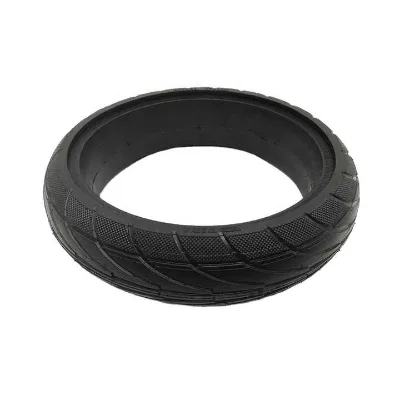
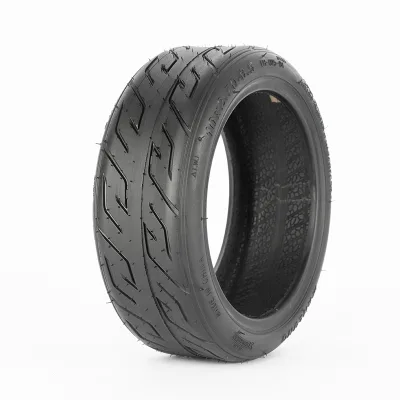
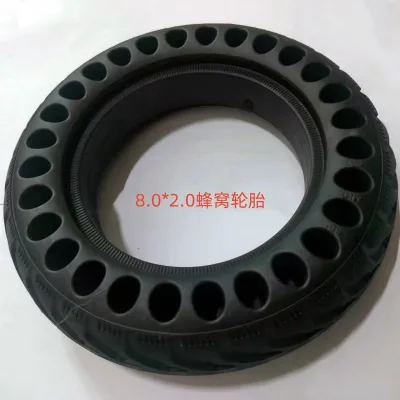
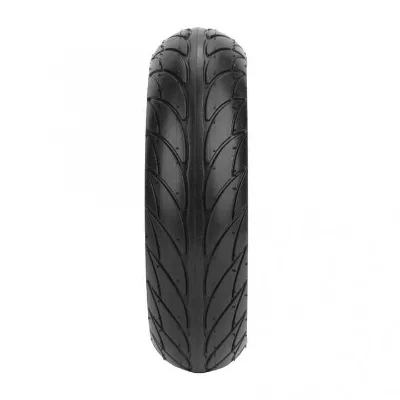
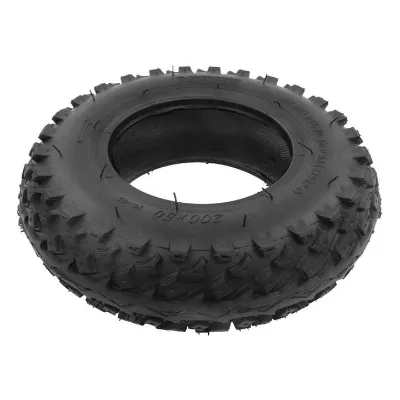


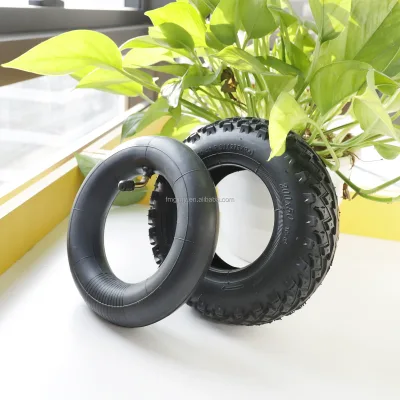
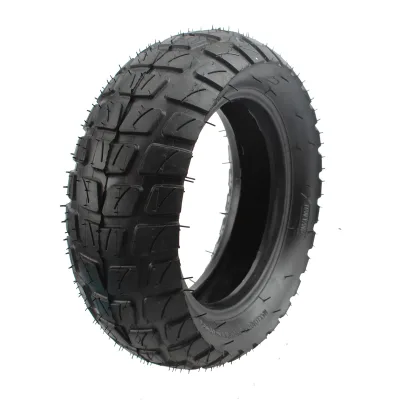
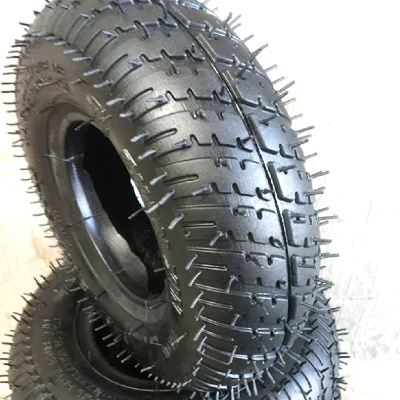
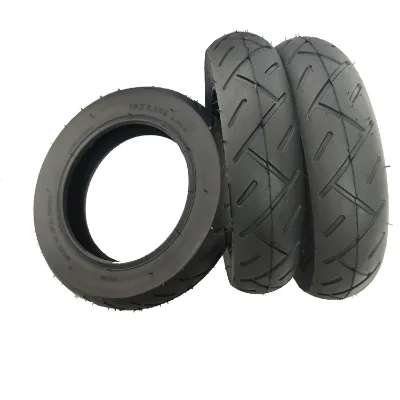
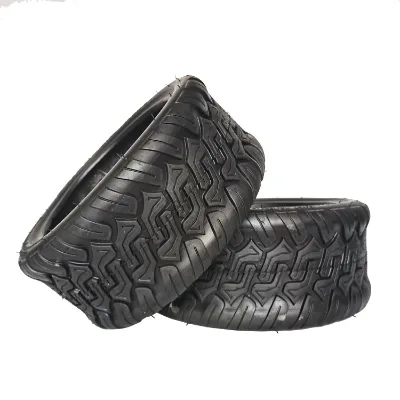
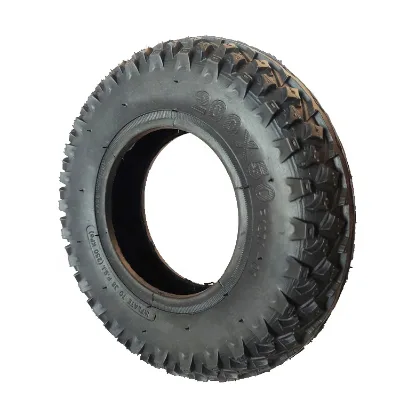
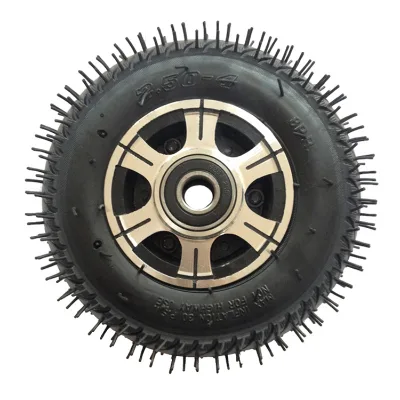
Electric Scooter Tires 6 7 8 10 Inch Various Patterns Wear Resistant Scooter Tyre
$0.90 - $0.92
MOQ: 1000 Pieces


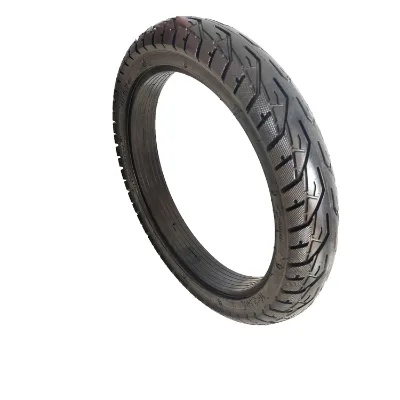
Premium Motorcycle Tire with Inner Tube Electric Scooter Tyre13inch and 15inch
$5.50 - $6.50
MOQ: 200 Pieces




Comprehensive Sourcing Guide
Solid Rubber Electric Scooter Tire Sourcing Guide
Sourcing solid rubber tires for electric scooters requires a disciplined approach to balancing durability, load capacity, and ride comfort. Unlike pneumatic tires, solid rubber variants eliminate the risk of punctures, making them ideal for urban delivery fleets and high-mileage commuter applications where maintenance downtime is costly. Buyers must carefully evaluate the trade-offs between the inherent vibration damping of air-filled tires and the maintenance-free reliability of solid compounds. The decision often hinges on the specific operational environment, including surface roughness and expected daily mileage, to ensure the selected tire meets both safety standards and user comfort expectations.
The market offers a diverse range of solid tire configurations, from standard 8-inch models to specialized 14-inch variants designed for heavier loads or specific scooter architectures. Procurement teams should focus on verifying the exact dimensional compatibility with existing wheel rims, as mismatches can lead to installation failures or unsafe operating conditions. Additionally, understanding the material composition is critical, as rubber blends directly influence traction, wear resistance, and overall lifespan. By prioritizing suppliers who provide transparent technical data and customizable options, buyers can secure inventory that aligns precisely with their fleet’s performance requirements and operational constraints.
Product Scope and Observed Listing Signals
Current market listings indicate a wide price range, typically spanning from $0.50 to $95 USD, reflecting significant variations in quality, brand reputation, and technical specifications. This broad spectrum suggests that buyers should not equate lower prices with adequate performance, especially for commercial applications where tire failure poses safety risks. Observed minimum order quantities (MOQs) vary considerably, ranging from small batches of 5 pieces to larger industrial orders of 1,000 units, allowing flexibility for both prototype testing and mass deployment. Understanding these commercial signals helps procurement teams align their purchasing volume with supplier capabilities and inventory management strategies.
Product attributes observed in listings highlight key differentiators such as customization availability, color options, and specific load ratings. For instance, some models support a maximum load of 1,175 kg at 10 km/h, a critical specification for heavy-duty electric scooters used in logistics. Other listings emphasize features like anti-slip properties and durable rubber construction, which are essential for maintaining traction in varied weather conditions. Buyers should treat these attributes as observational data points rather than universal guarantees, verifying each claim through direct supplier communication or third-party testing to ensure the product meets their specific operational needs.
Technical Specifications to Verify
Dimensional accuracy is paramount when sourcing solid tires, as even minor deviations can compromise vehicle stability and safety. Key specifications to verify include the overall diameter, width, and rim compatibility, with common sizes such as 4.00-8 and 14x4 appearing frequently in the market. Buyers must ensure that the tire’s internal diameter matches the scooter’s wheel rim precisely, as mismatches can lead to improper seating and potential detachment during operation. Additionally, verifying the single package dimensions and gross weight is essential for calculating shipping costs and storage requirements, ensuring that logistics planning remains accurate and efficient throughout the supply chain.
Load capacity and speed ratings are critical technical parameters that directly impact the tire’s performance and longevity. Procurement teams should confirm the maximum load rating at specific speeds, such as 1,175 kg at 10 km/h, to ensure the tire can handle the intended payload without excessive heat buildup or structural failure. Furthermore, material composition, typically rubber-based, should be evaluated for its resistance to abrasion and environmental factors. Buyers should request detailed material specifications to understand the compound’s hardness and elasticity, which influence ride comfort and traction, ensuring the selected tire aligns with the scooter’s intended use case and performance expectations.
Compliance and Safety Documentation
Certification requirements vary significantly depending on the target market, with standards such as ECE, ISO, and DOT commonly referenced in the industry. Buyers must verify that the supplier can provide valid certificates for each relevant standard, ensuring the tires meet legal requirements for road use in specific regions. This verification process is crucial for avoiding customs delays and ensuring that the products can be legally sold and operated in the destination country. Procurement teams should maintain a clear record of all certification documents, regularly updating them to reflect any changes in regulatory requirements or supplier compliance status.
Safety documentation should also include detailed product specifications and testing reports that validate the tire’s performance under various conditions. Buyers should request information on the tire’s durability, anti-slip properties, and resistance to wear, ensuring that the product meets industry safety benchmarks. Additionally, understanding the manufacturer’s quality control processes and testing protocols can provide insight into the consistency and reliability of the product. By prioritizing suppliers who offer comprehensive safety documentation, buyers can mitigate risks associated with product liability and ensure that their fleet operates safely and efficiently.
Cost Drivers and Commercial Terms
Several factors influence the final cost of solid rubber tires, including material quality, production complexity, and order volume. Buyers should consider the trade-offs between price and performance, recognizing that higher-quality rubber compounds and advanced manufacturing processes may result in higher upfront costs but offer better long-term value through increased durability and reduced maintenance. Additionally, customization options, such as specific colors or branding, can impact pricing, so buyers should clearly define their requirements early in the sourcing process to avoid unexpected charges. Understanding these cost drivers helps procurement teams make informed decisions that balance budget constraints with performance needs.
Commercial terms, including minimum order quantities, lead times, and payment conditions, play a significant role in the overall procurement strategy. Observed lead times typically range from 7 to 15 working days, allowing buyers to plan inventory replenishment effectively. However, buyers should confirm these timelines with the supplier, as delays can occur due to production bottlenecks or logistical issues. Additionally, negotiating favorable payment terms and understanding the supplier’s return or warranty policies can provide financial protection and operational flexibility. By carefully evaluating these commercial terms, buyers can establish a sustainable and cost-effective sourcing relationship.
Supplier Qualification and Quality Control
Evaluating supplier qualifications is essential to ensure the reliability and consistency of the product supply. Buyers should assess the supplier’s manufacturing capabilities, quality control processes, and track record in the industry, prioritizing those with established reputations for producing high-quality solid tires. Additionally, verifying the supplier’s ability to meet customization requests and provide technical support can enhance the sourcing experience and ensure that the product meets specific operational requirements. Procurement teams should conduct regular audits or request third-party inspections to verify the supplier’s compliance with quality standards and production practices.
Quality control measures should be integrated into the procurement process to minimize the risk of receiving defective or non-conforming products. Buyers should establish clear acceptance criteria and inspection protocols, including visual checks and dimensional measurements, to verify that the delivered tires meet the specified requirements. Additionally, implementing a robust feedback loop with the supplier can help identify and address any quality issues promptly, ensuring continuous improvement and product consistency. By prioritizing supplier qualification and rigorous quality control, buyers can secure a reliable supply of solid rubber tires that meet their performance and safety standards.
Long-Term Procurement Checks
Establishing long-term procurement checks is vital for maintaining supply chain resilience and product quality over time. Buyers should regularly review supplier performance metrics, including delivery reliability, product consistency, and responsiveness to issues, to identify potential risks and areas for improvement. Additionally, staying informed about industry trends and technological advancements can help buyers anticipate changes in product offerings and market conditions, allowing for proactive adjustments to sourcing strategies. By maintaining a proactive approach to supplier management, buyers can ensure a stable and efficient supply of solid rubber tires for their electric scooter fleets.
Continuous evaluation of product performance in the field is equally important for long-term success. Buyers should collect feedback from end-users and monitor tire wear patterns to assess the durability and suitability of the selected products. This data can inform future purchasing decisions, helping buyers refine their specifications and select suppliers who consistently deliver high-quality products. Additionally, fostering strong relationships with suppliers through regular communication and collaboration can enhance mutual understanding and drive innovation, ensuring that the sourcing strategy remains aligned with evolving business needs and market demands.
FAQs
What certifications do these solid tires have?
These solid tires carry ECE, ISO, and DOT certifications to ensure compliance with international safety standards. The products are new and made from durable rubber material suitable for various electric scooter applications. Buyers can verify these certifications directly on the product page before placing orders.
Can I request custom specifications for these tires?
Yes, customization is available for these solid tires to meet specific buyer requirements. The products support OEM and ODM services with options for different sizes like 4.00-8 or 14x4. Buyers should contact suppliers directly to discuss custom dimensions, colors, or packaging needs for their specific use cases.
What is the minimum order quantity for these tires?
The minimum order quantity varies by supplier, ranging from 5 pieces to 1000 pieces depending on the specific product listing. Some items list an MOQ of 5 pieces while others require 20 pieces. Buyers should check individual product pages to confirm the exact MOQ before initiating a purchase order.
How long does delivery take for these tires?
Delivery typically takes between 7 to 15 working days after the order is confirmed. This lead time applies to standard orders from suppliers located in Guangdong, China. Buyers should account for this timeframe when planning their inventory replenishment or project schedules.
Which sizes are available for electric scooters?
Available sizes include 4.00-8, 8 inch, 14x4, and 10x2.7 inch options for various electric scooter models. Specific models like A038 and A275 support different dimensions to fit Ninebot ES1, ES2, and ES4 scooters. Buyers can select the appropriate size based on their vehicle requirements.
What is the maximum load capacity of these tires?
The maximum load capacity is 1175kg at a speed of 10km/h for specific solid tire models. This capacity ensures stability and safety during operation on electric scooters and loaders. Buyers should verify the load rating against their specific vehicle weight requirements before purchasing.
Are these tires suitable for Ninebot scooters?
Yes, these solid tires are explicitly suitable for Ninebot ES1, ES2, and ES4 models. The product listings confirm compatibility with these specific electric scooter brands. Buyers looking for replacements or upgrades for Ninebot vehicles can confidently select these tires based on the stated application details.