Source E-Scooter for Commuting, Delivery, and Travel
Compare 30 E-Scooter models from verified suppliers in China. Buyers can evaluate specifications like battery range, motor power, and folding capabilities to find the right electric scooter for personal or commercial use; compare the available evidence and request quotations based on your requirements.
Key considerations
Products List


E-Scooter/Electric Scooter /More Popular E-Scooter Electric Scooter for Adult
$240.00 - $260.00
MOQ: 65 Pieces


Best Electric Scooter for Adults Scooter Electric Adult Mobility Scooter
$385.00 - $466.00
MOQ: 1 Pieces


$340.00 - $380.00
MOQ: 1 Pieces



Comprehensive Sourcing Guide
E-Scooter Sourcing Guide
Procuring electric scooters for B2B distribution requires a rigorous approach to technical validation and supply chain stability. Buyers must move beyond superficial product descriptions to verify the underlying engineering capabilities of the hardware. The market offers a diverse range of configurations, from lightweight urban commuters to high-performance models, each with distinct implications for logistics and after-sales support. Understanding the specific attributes of each unit is critical for aligning product capabilities with target market regulations and user expectations.
This guide outlines the essential verification steps for sourcing e-scooters, focusing on observed listing signals and technical specifications. It addresses compliance documentation, cost structures, and supplier qualification processes to help procurement teams mitigate risk. By systematically evaluating frame materials, battery specifications, and motor power, buyers can ensure that the products they source meet safety standards and performance benchmarks. The following sections provide a structured framework for assessing supplier capabilities and negotiating commercial terms that protect both the buyer and the end-user.
Product Scope and Observed Listing Signals
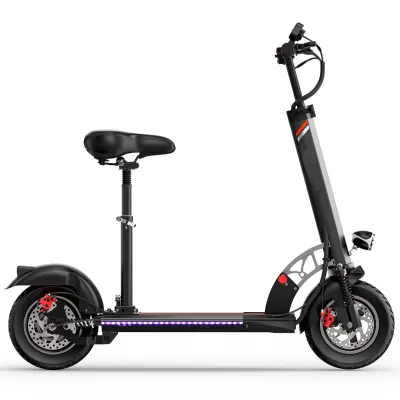
The observed product range includes models with varying frame materials, primarily Aluminum Alloy and Carbon Fiber. Aluminum Alloy frames are common for their balance of durability and weight, while Carbon Fiber offers a lighter alternative for specific performance-oriented models. Listings indicate that most units are designed for two wheels, with some models being foldable for easier storage and transport. The foldable feature is a significant differentiator for urban commuters who need to carry the scooter onto public transit or into office spaces.
Buyers should note the diversity in motor power and battery configurations across the available listings. Motor ratings range from 120W to 1000W, catering to different speed and terrain requirements. Battery types are predominantly Lithium, with specific capacities such as 36V DC, 8.0Ah, 288Wh observed in certain models. The range of these scooters typically spans 25 to 30 kilometers, which is sufficient for short urban commutes. Understanding these variations helps buyers select the appropriate model for their target demographic, whether it is casual riders or professional delivery personnel.
Technical Specifications to Verify
When evaluating e-scooter specifications, the motor and battery system are the primary determinants of performance. Buyers must verify the rated and maximum power of the motor, as these figures directly impact the scooter's ability to handle inclines and carry payloads. For instance, a 250W rated motor with a 350W maximum power is suitable for flat urban terrain, while a 1000W motor is better suited for hilly areas or heavier loads. The battery voltage and capacity should be cross-checked against the claimed range to ensure realistic expectations for end-users.
Frame material and construction quality are also critical technical aspects to verify. Aircraft Grade Aluminum Alloy is a high-quality material that ensures structural integrity and resistance to corrosion. Buyers should confirm the IP rating of the scooter, with IPX4 indicating protection against water splashes from any direction, which is essential for all-weather use. Additionally, the maximum climbing angle, often around 16%, should be verified to ensure the scooter can handle local topography. The net weight, approximately 18 kg for some models, affects portability and shipping costs.
Compliance and Safety Documentation
Compliance with international safety standards is non-negotiable for e-scooter procurement. Listings indicate that many products hold CE certification, which is mandatory for selling in the European Economic Area. Some models also carry ISO certifications, which attest to quality management systems. Buyers must request copies of these certificates and verify their validity with the issuing bodies. For markets outside Europe, other certifications such as EEC, ENCQC, or DOT may be relevant, depending on the destination country's regulations.
Beyond general certifications, specific safety documentation for the battery and electrical components is crucial. Lithium batteries must comply with safety standards to prevent fire hazards, and buyers should request test reports from accredited laboratories. The presence of front and rear LED lights is a standard safety feature that should be verified for functionality and brightness. Additionally, the charging time, typically around four hours, should be confirmed to ensure it aligns with user expectations. Proper documentation ensures that the products meet legal requirements and reduce liability risks for the distributor.
Cost Drivers and Commercial Terms
The cost of e-scooters is influenced by several key factors, including component quality, brand positioning, and order volume. The observed price range in USD is broad, from $3.12 to $2450, reflecting the diversity in product tiers. Higher-end models with Carbon Fiber frames and 1000W motors command premium prices due to their superior performance and materials. Buyers should analyze the cost breakdown to understand which components drive the price, such as the battery capacity and motor power. This analysis helps in negotiating better terms and identifying potential cost-saving opportunities.
Minimum Order Quantity (MOQ) is another critical commercial term to consider. The observed MOQ range is 1 to 100 units, which offers flexibility for buyers with varying inventory needs. Smaller MOQs are beneficial for testing new markets or managing cash flow, while larger orders may qualify for volume discounts. Buyers should also discuss payment terms, such as Letter of Credit or T/T, to ensure financial security. Shipping costs and lead times should be clarified in the contract, as these can significantly impact the total landed cost.
Supplier Qualification and Quality Control
Selecting a reliable supplier is paramount for ensuring consistent product quality and timely delivery. Buyers should conduct thorough due diligence on potential suppliers, including factory audits and sample inspections. Verifying the supplier's production capacity and quality control processes is essential to avoid supply disruptions. Suppliers based in regions like Shanghai and Zhejiang are common in the e-scooter industry, and their proximity to major ports can facilitate efficient logistics. Buyers should request references from existing clients to gauge the supplier's reliability and service quality.
Quality control measures should be established at multiple stages of the production process. Incoming material inspections, in-process checks, and final product testing are critical to ensuring that each unit meets the specified standards. Buyers can agree on a Quality Assurance (QA) plan with the supplier, outlining the specific tests and acceptance criteria. This includes verifying the frame material, motor performance, and battery safety. Implementing a robust QA plan helps in identifying and rectifying defects before shipment, reducing the risk of returns and customer complaints.
Long-Term Procurement Checks
Establishing a long-term partnership with a supplier requires ongoing monitoring and evaluation of their performance. Buyers should track key performance indicators (KPIs) such as on-time delivery rates, defect rates, and responsiveness to issues. Regular reviews of the supplier's quality control processes and compliance status are necessary to ensure that they continue to meet the required standards. Building a strong relationship with the supplier can lead to better pricing, priority production slots, and collaborative product development opportunities.
Sustainability and environmental considerations are increasingly important in e-scooter procurement. Buyers should inquire about the supplier's environmental policies and the recyclability of the scooter components. Using materials like Aluminum Alloy and Carbon Fiber can contribute to a more sustainable product lifecycle. Additionally, buyers should consider the end-of-life disposal options for the batteries and other electronic components. By integrating sustainability into the procurement strategy, buyers can enhance their brand reputation and meet the growing demand for eco-friendly products.
FAQs
What is the maximum payload capacity for these e scooters?
The maximum payload capacity is 120 kg or 264.6 lbs for most models listed. This limit applies to the GS2 and KDS-ES20 variants which share similar structural ratings. Always verify the specific model documentation before loading to ensure safety compliance.
Can I find foldable e scooters with aluminum alloy frames?
Yes, foldable e scooters with aluminum alloy frames are available in the current catalog. The GS2 model specifically features a foldable design and an aircraft-grade aluminum alloy frame. This combination offers portability and durability for urban commuters seeking lightweight transport solutions.
Which E-Scooter models have CE certification and IPX4 rating?
Several models including the GS2 and KDS-DC01 carry CE certification and an IPX4 water resistance rating. These certifications indicate compliance with European safety standards and protection against water splashes. Buyers should confirm specific model attributes when placing bulk orders for international markets.
How long does it take to charge the lithium battery?
The charging time is approximately four hours for the standard 36V DC, 8.0Ah lithium battery. This duration applies to models like the GS2 which utilize a 288Wh battery capacity. Users should plan their charging schedule accordingly to ensure full range availability for daily travel needs.
What is the typical range on a single charge for these units?
The typical range on a single charge is between 25 and 30 kilometers for the standard models. This performance is achieved using the 36V DC battery system found in units like the GS2. Actual range may vary based on rider weight, terrain, and riding speed conditions.
Can I request customization for the E-Scooter packaging?
Customization is available for the E-Scooter packaging and other product attributes. Suppliers offer options such as color boxes or export cartons with foam protection depending on the model. Buyers should discuss specific packaging requirements directly with manufacturers to ensure safe delivery and branding alignment.