Source Adult Road Electric Scooter for Commuting, Delivery, and Leisure
Compare 30 Adult Road Electric Scooter options featuring foldable designs, aluminum or steel frames, and varying battery types. Buyers can evaluate specifications like speed, range, and wheel configurations to find suitable models for urban transport and delivery tasks; compare the available evidence and request quotations based on your requirements.
Key considerations
Products List


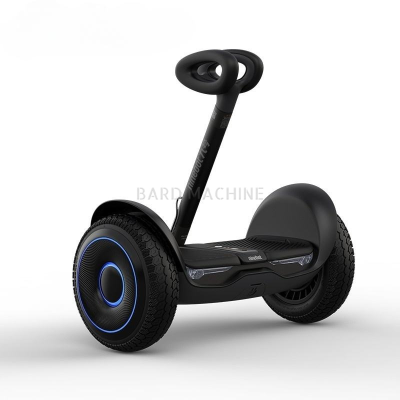
Best Electric Scooter for Adults Scooter Electric Adult Mobility Scooter
$385.00 - $466.00
MOQ: 1 Pieces



Comprehensive Sourcing Guide
Adult Road Electric Scooter Sourcing Guide
Procuring adult road electric scooters requires a nuanced understanding of the diverse product landscape available from manufacturers, particularly those concentrated in key industrial hubs like Zhejiang, Shanghai, and Wuxi in China. Buyers must navigate a wide array of specifications, from foldable urban commuters to high-performance, non-foldable roadsters capable of significant speeds. The observed market data indicates a broad price range, reflecting variations in battery technology, frame materials, and motor power. Understanding these distinctions is critical for aligning procurement strategies with specific operational needs, whether for last-mile delivery fleets, personal urban mobility, or recreational use.
This guide provides a structured approach to evaluating suppliers and products based on verified attributes and industry standards. It emphasizes the importance of verifying technical specifications such as wheel count, battery type, and braking systems, which directly impact safety and performance. By focusing on evidence-based criteria, buyers can mitigate risks associated with inconsistent product quality and ensure that selected scooters meet regulatory requirements for road use. The following sections detail the essential steps for conducting thorough due diligence, from initial product screening to long-term supplier relationship management.
Product Scope and Observed Listing Signals
The current market for adult electric scooters exhibits significant diversity in form factor and intended use, as evidenced by the wide range of listed models and specifications. Products vary from compact, foldable units designed for portability to larger, non-foldable models built for stability and higher speed capabilities. For instance, some listings highlight foldable designs with two wheels, while others feature three-wheel configurations or robust steel frames suitable for heavier loads. This variety suggests that buyers must clearly define their operational requirements, such as portability needs versus load-bearing capacity, to filter through the extensive catalog of available options effectively.
Observed listing signals also reveal variations in packaging and origin, which can influence logistics and total cost of ownership. Products are sourced from multiple regions, including Zhejiang, Shanghai, and Wuxi, each potentially offering different manufacturing advantages. Packaging methods range from standard carton boxes to more protective metal frames, indicating a need to assess shipping durability and handling requirements. Buyers should pay close attention to these logistical details, as they can affect delivery times, potential damage rates, and overall supply chain efficiency, ensuring that the chosen supplier can meet specific distribution needs.
Technical Specifications to Verify
When evaluating technical specifications, buyers must prioritize components that directly impact performance and safety, such as motor power, battery type, and braking systems. Listings indicate a range of motor powers, including 1200W, 1500W, and 2000W options, which correlate with varying speed capabilities and acceleration profiles. Battery technology is another critical factor, with options including both lithium and lead-acid batteries, each offering different trade-offs in terms of weight, lifespan, and charging time. Verifying these specifications ensures that the selected scooter aligns with the desired range and performance metrics, preventing mismatches between supplier claims and actual product capabilities.
Frame material and structural dimensions are equally important for assessing durability and ride comfort. Available frame materials include aluminum alloy and steel, with aluminum often preferred for its lightweight properties and steel for its robustness. Dimensions vary significantly, with some models measuring around 120x55x80cm when folded, while others are larger, non-foldable units. Buyers should verify tire sizes, such as 12-inch options, and braking systems, which may include front and rear disc brakes or a combination of disc and drum brakes. These details are crucial for ensuring the scooter can handle the intended road conditions and rider weight limits safely.
Compliance and Safety Documentation
Compliance with local regulations is paramount when sourcing electric scooters for road use, requiring buyers to verify that products meet relevant safety and environmental standards. Certifications such as CE are commonly listed, indicating adherence to European health, safety, and environmental protection standards. However, buyers must confirm that these certifications are valid and applicable to the specific model and destination market. Additional documentation, such as test reports for electromagnetic compatibility and electrical safety, should be requested to ensure that the scooters do not pose risks to users or other road users.
Safety features also play a critical role in regulatory compliance and user protection. Buyers should verify the presence of essential safety components, such as LED lighting systems, alarms, and keyless start functions, which enhance visibility and security. Brake systems must be robust and reliable, with options like front and rear disc brakes providing superior stopping power compared to drum brakes. Ensuring that these safety features are integrated and functioning correctly is essential for meeting legal requirements and reducing liability risks associated with product use on public roads.
Cost Drivers and Commercial Terms
Cost drivers in the electric scooter market are influenced by several factors, including battery technology, frame material, and motor power. Lithium batteries, while more expensive upfront, offer longer lifespans and lighter weight compared to lead-acid batteries, impacting the total cost of ownership. Similarly, aluminum alloy frames may command a higher price than steel frames due to material costs and manufacturing complexity. Buyers should analyze these cost components to determine the most cost-effective solution for their specific needs, balancing initial purchase price with long-term maintenance and replacement costs.
Commercial terms, such as minimum order quantities (MOQ) and payment terms, also significantly affect procurement strategy. Observed MOQs range from 1 to 100 units, providing flexibility for both small-scale and large-scale buyers. Payment terms and lead times should be clearly negotiated to ensure alignment with business requirements. Buyers should also consider the impact of packaging and shipping costs, which can vary based on product dimensions and weight. Understanding these commercial dynamics allows buyers to optimize their procurement strategy and achieve better value for their investment.
Supplier Qualification and Quality Control
Supplier qualification is a critical step in ensuring the reliability and consistency of the sourced electric scooters. Buyers should assess suppliers based on their manufacturing capabilities, quality control processes, and track record in the industry. Factories located in established industrial hubs like Zhejiang and Wuxi often have mature supply chains and experienced workforces, which can contribute to higher product quality. Verifying supplier credentials, such as business licenses and production capacity, helps mitigate the risk of dealing with unreliable or fraudulent vendors.
Quality control measures should be implemented throughout the production process to ensure that products meet specified standards. Buyers should request detailed quality control plans, including inspection points for raw materials, assembly, and final testing. Regular audits and third-party inspections can provide additional assurance of product quality and compliance. Establishing clear communication channels with suppliers for addressing quality issues and implementing corrective actions is essential for maintaining high standards and ensuring customer satisfaction.
Long-Term Procurement Checks
Long-term procurement success depends on establishing strong, collaborative relationships with suppliers and continuously monitoring performance. Buyers should conduct regular reviews of supplier performance, focusing on metrics such as on-time delivery, product quality, and responsiveness to issues. Building a partnership based on mutual trust and transparency can lead to better pricing, improved product development, and more flexible terms over time. Regular communication and feedback loops help identify areas for improvement and foster a culture of continuous improvement.
Additionally, buyers should stay informed about market trends and technological advancements in the electric scooter industry. This includes monitoring changes in regulations, emerging battery technologies, and new safety features. Adapting procurement strategies to align with these developments ensures that the sourced products remain competitive and compliant. By proactively managing supplier relationships and staying ahead of industry changes, buyers can secure a reliable supply of high-quality electric scooters that meet their evolving business needs.
FAQs
How fast can a typical Adult Road Electric Scooter go?
Road-legal adult electric scooters commonly reach 60-75km/h, and some models are rated up to 75km/h. Actual speed depends on motor power, rider weight, terrain, and battery charge level. Models listed with 1200W to 2000W motors and 72V systems are typically positioned for higher-speed road use, so always confirm local regulations before riding on public roads.
What is the typical driving range per charge for these scooters?
Listed adult road electric scooters offer roughly 45km to 110km per charge, with some configurations reaching up to 200km. Range varies with battery type, since lead-acid and lithium batteries deliver different endurance, as well as speed, load, and terrain. Choose a larger lithium battery pack if you need daily long-distance commuting.
Can I choose between a foldable and non-foldable frame design?
Yes, both foldable and non-foldable frame options appear in this category. Foldable models are easier to store in car trunks or offices and often list compact folded dimensions, while non-foldable frames with steel or aluminum alloy construction tend to feel more rigid at higher speeds. Confirm the folded size and mechanism style before ordering for frequent transport.
What frame materials and wheel configurations are available?
Frames are commonly offered in aluminum alloy and steel, balancing weight against durability and cost. Wheel setups include 2-wheel and 3-wheel configurations, with tire sizes such as 12inch and 90/90-12 vacuum tires. Three-wheel designs provide extra stability for riders who prioritize balance, while two-wheel models are lighter and more maneuverable in traffic.
Which braking systems do these scooters use?
Braking options include front and rear disc brakes, and combinations of front disc with rear drum brakes. Disc brakes on both wheels give stronger, more consistent stopping power for high-speed road use, which matters at 60-75km/h speeds. Check the brake specification carefully when comparing models, as stopping performance is a key safety factor.
Can I order customized models or packaging?
Yes, customization is available on listed products, covering options such as motor power, battery type, dimensions, and branding. Packing can be a standard carton box or a metal frame for added protection. Minimum order quantities range from 1 to 100 units depending on the model, so discuss your customization requirements and order volume with the supplier early.
What certifications and origins should buyers verify before purchase?
CE certification appears on products in this category, and many models originate from Zhejiang, Shanghai, and Wuxi in China. Buyers should verify that CE documentation covers the specific model ordered, request packing details, and confirm production capacity. Model numbers like HP-I54, CP-1.8, M3, and GS5 each carry distinct dimensions and specifications worth reviewing.
How much weight can an Adult Road Electric Scooter carry?
Some listed models specify a load limit of 250kg, with vehicle weight around 67kg without the battery. Seat heights near 830mm and wheelbases around 1350mm provide stable riding for larger riders. Always confirm the rated load limit for the exact model, since passenger capacity and cargo weight affect range, speed, and long-term durability of the frame.