Source Sound Dampening Silicone Cabinet Bumper for Edge Protection
Compare 30 listings for Sound Dampening Silicone Cabinet Bumper options featuring custom shapes, clear or black colors, and anti-shock applications. Buyers can evaluate suppliers based on MOQ, packaging, and shipping methods from China.
Key considerations
Products List
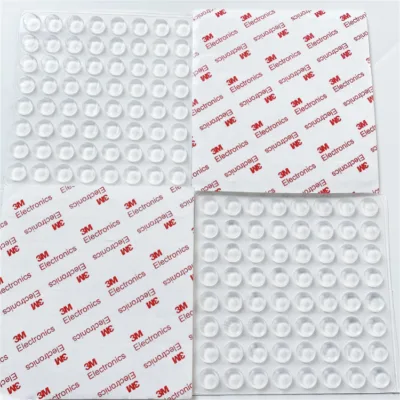

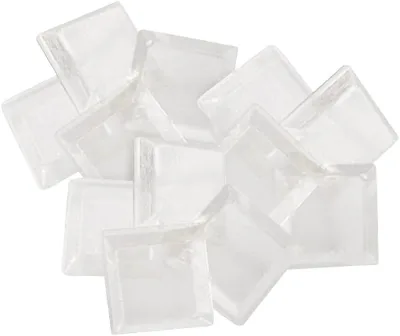
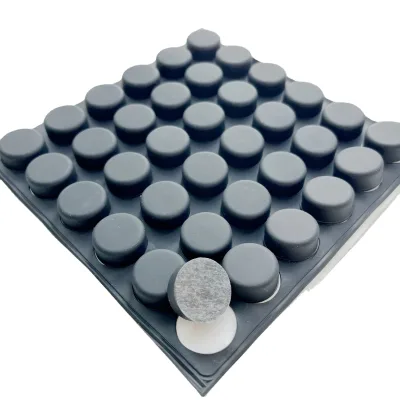
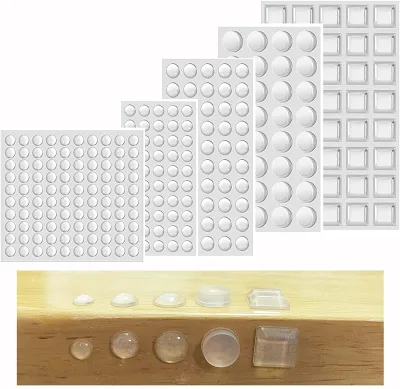
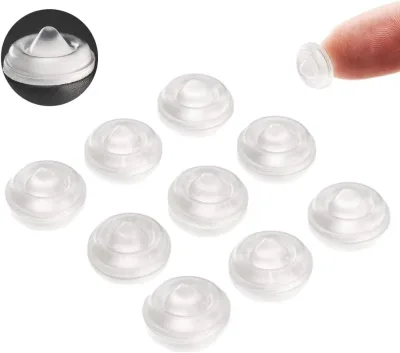
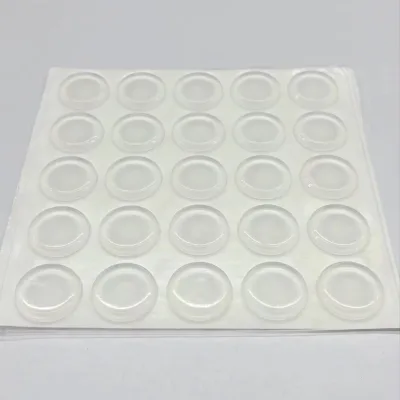
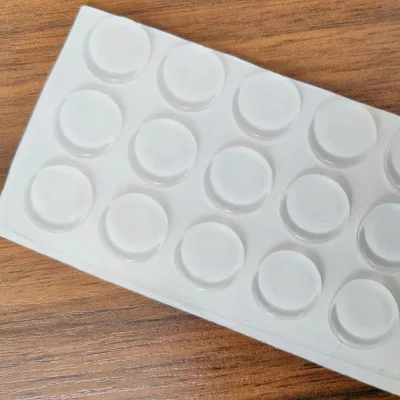

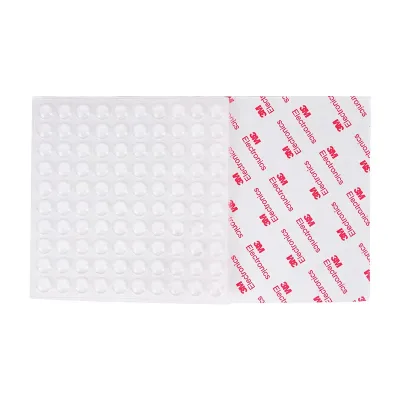
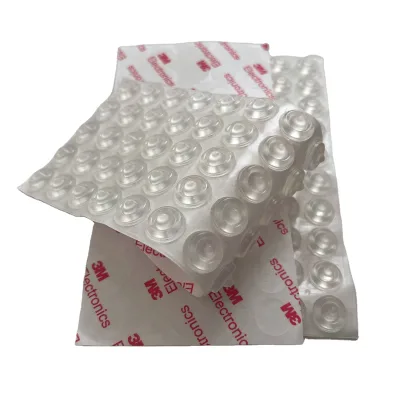
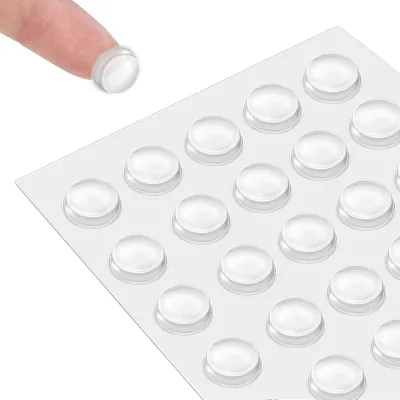
Clear Silicone Self Adhesive Rubber Bumper for Cabinets Drawers Doors
$0.10 - $1.00
MOQ: 100000 Pieces



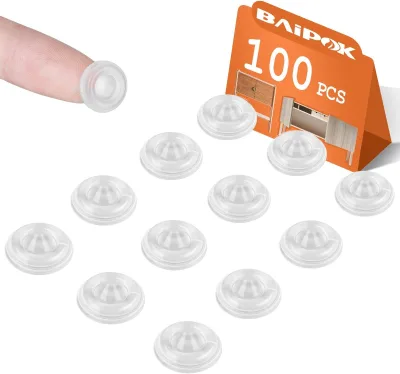




Comprehensive Sourcing Guide
Strategic Sourcing Guide for Sound Dampening Silicone Cabinet Bumpers
Procuring sound dampening silicone cabinet bumpers requires a nuanced understanding of material properties, application-specific performance, and the complex landscape of supplier capabilities. For buyers in the furniture, cabinetry, and interior design sectors, these small components serve a critical function in reducing noise, preventing surface damage, and ensuring a premium user experience. The following guide synthesizes available market data and technical observations to provide a disciplined framework for sourcing these components effectively.
Technical Specifications and Material Composition
The foundation of a successful procurement strategy lies in verifying the technical specifications of the product. In the current market, silicone is the dominant material for high-performance cabinet bumpers due to its inherent elasticity and durability. Observed product attributes indicate that the material is often specified as "Silicone," which aligns with industry expectations for soft-close applications. However, buyers must distinguish between pure silicone and composite rubber formulations. Some listings reference "Natural Rubber" or "Pure Gum Rubber Sheet" as raw materials, which may offer different performance characteristics regarding temperature resistance and aging.
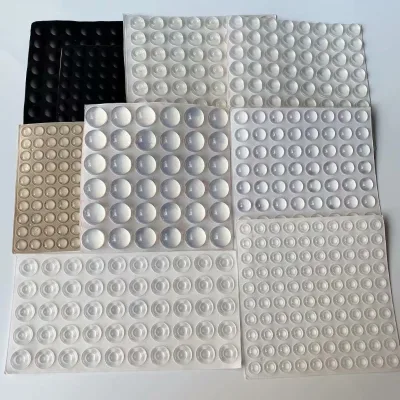
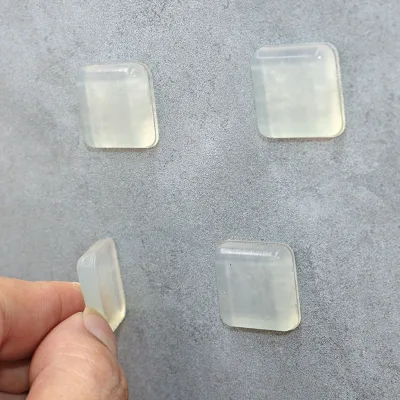
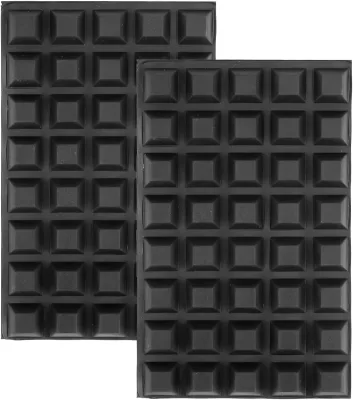
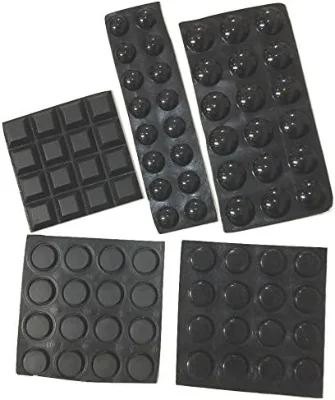
A critical specification to verify is the product shape and size. Market data reveals a diversity in form factors, ranging from "Combo Pack (Round, Spherical, Square)" to "Custom Shape." The ability to customize the shape is a high-confidence attribute, allowing buyers to tailor the bumper to specific cabinet door geometries. Furthermore, the physical dimensions are variable; observed single package sizes range significantly, from compact units measuring 0.1x0.2x0.2 cm to larger industrial slabs measuring 10x20x2 cm. This variance suggests that buyers must clearly define whether they require pre-cut individual bumpers or raw material sheets for in-house processing.
The functional attributes of the bumper are equally vital. The primary function is often described as "Sound Dampening," "Anti-shock," and "Edge Protective." These terms indicate that the material must possess specific viscoelastic properties to absorb kinetic energy and dissipate sound waves upon impact. Additional features observed in the market include "Anti-aging," "Corrosion-resistant," "Wear-resistant," and "Heat-resistant." While these are listed as features, buyers should treat them as observations to be validated through sample testing rather than guaranteed specifications. The color options typically include "transparent," "black," and "clear," with transparency being a preferred aesthetic for modern cabinetry where the bumper should remain invisible.
Application Scenarios and Functional Requirements
Understanding the specific application environment is essential for selecting the right product. The core keyword "Sound Dampening Silicone Cabinet Bumper" points primarily to residential and commercial cabinetry, where the reduction of noise from door slams is a key value proposition. The observed application categories include "Clear Cabinet Door Bumpers" and "Edge Protective" uses. These applications demand a material that is not only soft enough to prevent damage but also adhesive enough to stay in place under repeated impact.
The market also indicates a broader industrial application for similar rubber products, such as "Industrial Rubber Slab" usage for "Anti Vibration/Anti Slipping" purposes. While this is distinct from the cabinet bumper niche, it highlights the versatility of the material. For cabinet bumpers specifically, the "Soft Close Self-Adhesive Clear" feature is a significant differentiator. This implies the product must have an integrated adhesive backing that provides immediate bonding without the need for additional glues, which is crucial for assembly line efficiency.
Furthermore, the "Dustproof Insectproof Soundproof" attribute suggests that in certain environments, the bumper may serve a dual purpose of sealing gaps. This is particularly relevant for kitchen or bathroom cabinetry where hygiene and noise control are paramount. Buyers should evaluate whether the specific bumper design creates a sufficient seal or if it is purely an impact absorber. The "OEM/ODM" availability confirms that manufacturers are prepared to adapt these products for specific branding or functional requirements, such as custom logos or unique adhesive strengths.
Cost Drivers and Pricing Dynamics
The pricing structure for silicone cabinet bumpers is influenced by several variables, including material quality, customization level, and order volume. Observed price ranges in the market span from $0.01 to $30 USD, a wide spectrum that reflects the difference between standard off-the-shelf items and highly customized solutions. The "Selling Units" are typically listed as "Single item," which can complicate cost analysis if the buyer is not aware of the minimum order quantity (MOQ) implications.
MOQs vary significantly, with observed ranges from 1 to 200,000 units. A specific high-confidence fact notes an MOQ of 100 pieces for certain custom configurations. This suggests that while small sample orders are feasible, bulk procurement requires a commitment to larger volumes to achieve optimal unit economics. The "Supply Ability" of some suppliers is noted as 100,000 bags per day, indicating that for standard items, capacity is generally not a bottleneck. However, for custom molds or specific color requirements, lead times may extend.
Packaging details also impact the final cost. Products are often shipped in "cartons" or "Sihp with Carton" (likely a typo for Ship with Carton), and the "Single gross weight" varies from 0.1 kg to 10.0 kg depending on the product type. Buyers must factor in shipping costs, which are influenced by the weight and volume of the shipment. The "Port of dispatch" is frequently listed as "Shunde" or "Shenzhen," major manufacturing hubs in China. Shipping methods are typically available "by Sea" or "by Air," with sea freight being the more economical choice for large volumes, while air freight suits urgent, smaller orders.
Supplier Evaluation and Origin Verification
When evaluating potential suppliers, buyers must navigate the complexity of origin data. Observed product origins include "Fujian, China" and "Guangdong, China," both of which are significant manufacturing regions for rubber and plastic products. Guangdong, in particular, is known for its robust supply chain in the furniture hardware sector. However, the presence of multiple origin locations for similar products suggests that buyers should verify the specific factory location to ensure quality consistency and logistical efficiency.
The "Brand Name" observed in the market is "kuliwei," but this should not be taken as a universal standard. Many suppliers operate under OEM/ODM models where the brand is customized. The "Logo: Yes" attribute confirms that branding is a common service offering. Buyers should assess the supplier's capability to handle "Moulding" and "Cutting" processes in-house, as these are critical for maintaining dimensional accuracy and product quality.
It is crucial to verify the "Standard" of the product. While some listings specify "customized" or "custom" standards, buyers must ensure that the supplier adheres to relevant industry norms for silicone rubber, even if a specific international standard is not explicitly listed. The "Processing Service" of moulding and cutting indicates a level of manufacturing sophistication that should be verified through factory audits or video inspections.
Quality Control and Compliance Verification
Quality control is paramount when sourcing silicone products, as the material properties directly affect the product's lifespan and performance. Buyers should verify the "Feature" claims such as "Anti-aging," "Insulating," and "Impact-resistant." While these are listed as attributes, they require empirical validation. For instance, the "Anti-aging" feature implies resistance to UV light and oxidation, which is critical for products installed in kitchens or bathrooms with varying humidity and light exposure.
Compliance and certification checks are often a gap in product listings. The provided data does not explicitly mention specific certifications like ISO, REACH, or FDA compliance. Therefore, buyers must explicitly request documentation regarding material safety and environmental compliance. The "Raw Materials" listed as "Natural Rubber, Pad" or "Pure Gum Rubber Sheet" should be cross-referenced with safety data sheets (SDS) to ensure they meet the regulatory requirements of the destination market.
The "Performance" attribute, such as "Square Antiskid Rubber Sheet," suggests that the product must meet specific friction and durability benchmarks. Buyers should request test results for shear strength, tensile strength, and hardness (Shore A scale) to ensure the bumper will not degrade or lose its adhesive properties over time. The "Single gross weight" discrepancies (e.g., 0.1 kg vs. 10.0 kg) highlight the need for precise quality control in packaging to ensure that the delivered quantity matches the order specifications.
Long-Term Procurement Considerations
Sourcing sound dampening silicone cabinet bumpers is not merely a transactional activity but a strategic partnership that requires long-term planning. The "OEM/ODM: Welocme" attribute indicates that suppliers are open to collaboration, but buyers must establish clear communication channels regarding design changes and material substitutions. The "Custom Shape" and "Custom" standard attributes suggest that the supply chain must be flexible enough to accommodate design iterations without significant delays.
Logistics and supply chain resilience are also critical. With "Shipping: by Sea /Air" options available, buyers should develop a hybrid strategy that balances cost and speed. The "Port of dispatch" being in Shunde or Shenzhen offers logistical advantages, but buyers should monitor geopolitical and economic factors that might affect shipping routes from these ports.
Finally, the "Selling Units" and "MOQ" dynamics require a phased approach to procurement. Starting with small sample orders to validate the "Sound Dampening" and "Edge Protective" claims is advisable before committing to large volume orders. As the relationship with the supplier matures, buyers can negotiate better pricing and lead times, leveraging the "Supply Ability" of 100,000 bags per day to scale operations efficiently. By focusing on these long-term considerations, buyers can secure a reliable supply of high-quality silicone cabinet bumpers that meet their specific functional and aesthetic requirements.
FAQs
What material is used for sound dampening silicone cabinet bumpers?
The primary material is silicone, though some listings reference natural rubber or pure gum rubber sheets. Buyers should verify the specific formulation to ensure it meets durability and anti-aging requirements for their application.
Can these bumpers be customized for specific cabinet shapes?
Yes, customization is available for shape, size, and branding. Suppliers offer custom shapes and can accommodate specific design needs, with some options available in combo packs containing round, spherical, and square forms.
What is the minimum order quantity for these silicone bumpers?
The minimum order quantity varies, with some suppliers requiring 100 pieces while others allow orders as low as one unit. Bulk orders can reach up to 200,000 units depending on the specific supplier and customization level.
Where are these silicone cabinet bumpers manufactured?
Products originate from manufacturing hubs in China, specifically Fujian and Guangdong provinces. Buyers should verify the specific factory location to ensure quality consistency and logistical efficiency for their supply chain.
How are these bumpers packaged for shipping?
Packaging typically involves cartons or individual shipping with cartons. The single package size varies significantly, ranging from compact units to larger industrial slabs, which impacts shipping weight and volume calculations.
What functions do these silicone bumpers provide?
These bumpers provide sound dampening, edge protection, and anti-shock capabilities. They are also designed to be dustproof, insectproof, and soundproof, serving dual purposes in sealing gaps and absorbing impact.