Source Sound Healing Stream Drum for Meditation, Therapy, and Retail
Find 30 Sound Healing Stream Drum options for meditation, therapy, and retail. Compare materials like wood and bamboo, sizes from 6 to 14 inches, and OEM services to select the right instrument for your needs; compare the available evidence and request quotations based on your requirements.
Key considerations
Products List


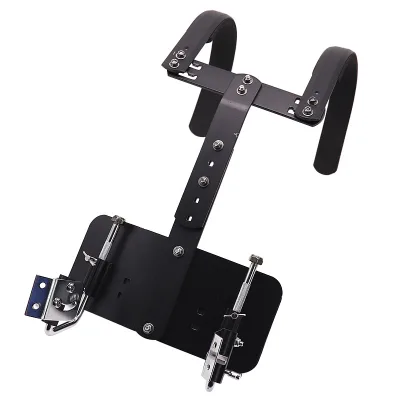
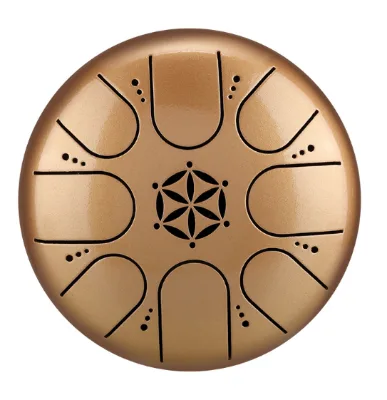
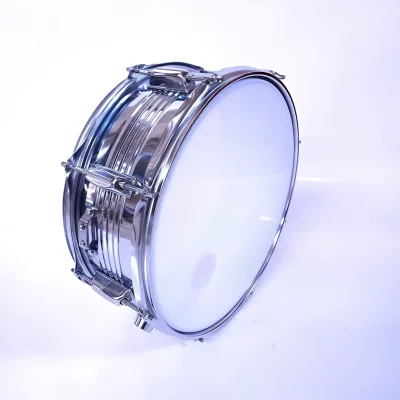


Comprehensive Sourcing Guide
Sound Healing Stream Drum Sourcing Guide
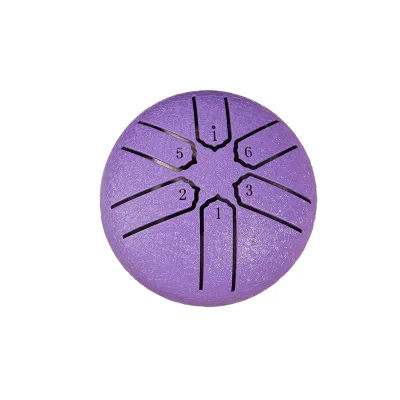
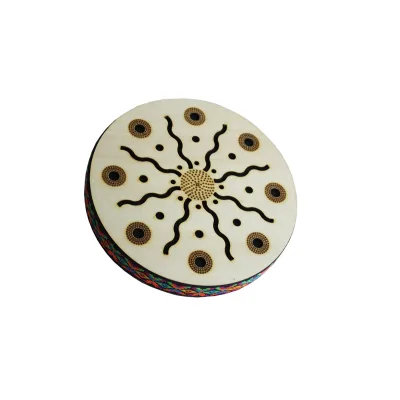
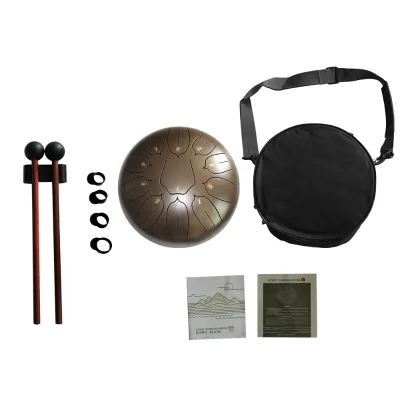
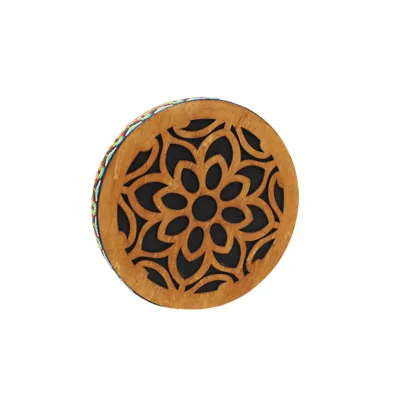
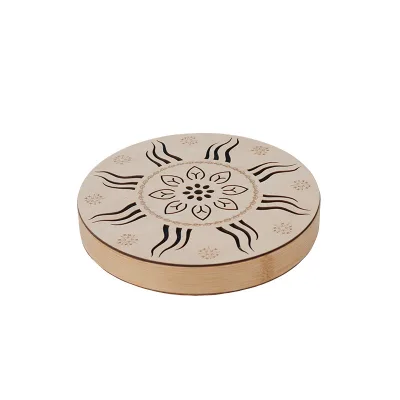
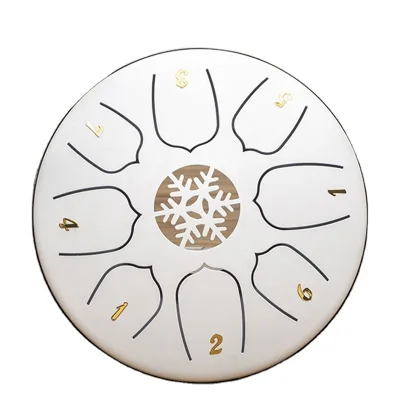
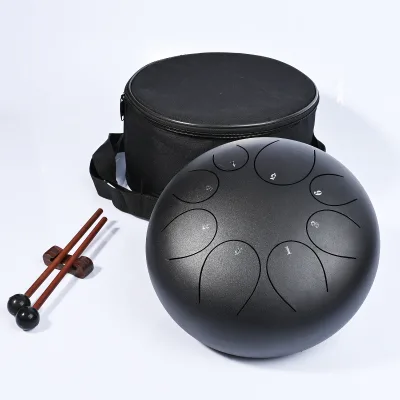
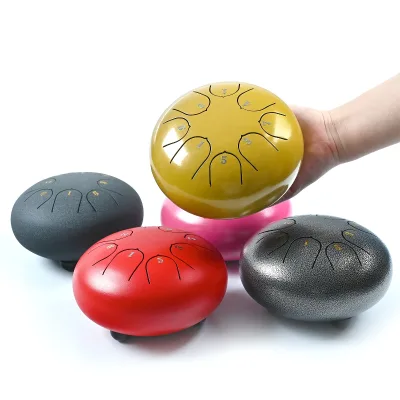
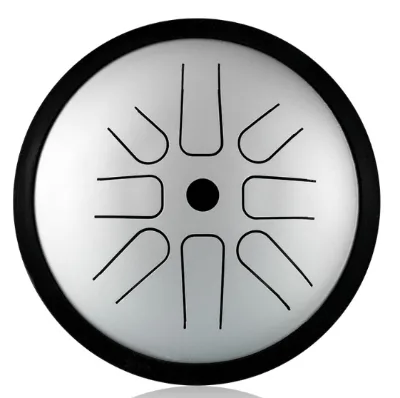
Procurement professionals must first distinguish between the various product categories listed under the Sound Healing Stream Drum keyword, as the data reveals distinct material compositions ranging from stainless steel and carbon steel to wood and bamboo frames. The observed listings include specific model variations such as the 3-inch 6-note mini tongue drum and larger 8 to 14-inch steel drums, each serving different acoustic profiles and therapeutic needs. Buyers should carefully map these material differences to their specific application requirements, ensuring that the selected instrument aligns with the intended sound therapy or meditation environment.
Commercial listings indicate a wide variance in packaging and physical dimensions, with single package sizes ranging from 11x10x6 cm for miniatures to 20x20x5 cm for larger units, directly impacting shipping logistics and storage costs. The presence of multiple color options including gold, white, blue, and black suggests a need for aesthetic customization in retail or therapeutic settings, while the availability of OEM branding allows for private label strategies. Sourcing teams must verify whether the specific model number and size required for their inventory match the exact specifications provided by the supplier to avoid fulfillment errors.
Product Scope and Observed Listing Signals
The market data indicates a diverse product scope where the core keyword encompasses both mini musical instruments and larger therapeutic drums, with observed selling units ranging from single items to wholesale packages. Buyers will encounter listings that explicitly state applications for sound healing, sound therapy, and relaxation, confirming the primary use case for these percussion instruments in wellness and meditation contexts. It is critical to note that while some products are described as water drums or stream drums, the physical construction varies significantly between metal and wooden frames, requiring precise identification during the selection process.
Listing signals reveal that sample times are generally short, often ranging from one to seven days, which facilitates rapid product evaluation before committing to larger orders. The observed minimum order quantities (MOQ) are notably flexible, with many suppliers accepting orders as low as one piece, though some listings suggest higher thresholds up to 500 units for specific commercial terms. This flexibility allows buyers to test market response with minimal financial risk, but procurement teams must verify if the low MOQ applies to all color and size variations to ensure consistent inventory planning.
Technical Specifications to Verify
Technical verification must begin with the drum head material, as the data explicitly lists stainless steel, carbon steel, and wood as primary construction elements that define the instrument's tonal quality and durability. Buyers should confirm the exact model number, such as the 3-inch 6-note or 8 to 12-inch variants, to ensure the acoustic output matches the therapeutic frequency requirements of their target audience. The weight specifications, ranging from 0.17 kg for miniatures to 0.4 kg for larger units, are critical for determining portability and the physical handling requirements for end-users in mobile therapy settings.
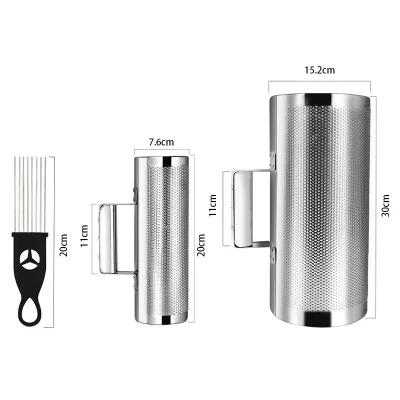
Dimensional accuracy is another vital technical parameter, with observed single package sizes varying from 11x10x6 cm to 20x20x5 cm, which directly influences shipping costs and packaging efficiency. Procurement teams must validate the gross weight and net weight figures provided in the listings to calculate accurate freight charges and ensure that the packaging, whether carton boxes or foam paper boxes, meets the protection standards required for international transit. Additionally, the power mode is consistently listed as "No," confirming that these are acoustic instruments, which simplifies compliance checks regarding electrical safety standards.
Compliance and Safety Documentation
While the provided data does not list specific certification numbers, buyers must request documentation verifying that the materials used, such as carbon steel or bamboo frames, meet international safety standards for consumer goods and musical instruments. The absence of explicit certification claims in the listings necessitates a proactive approach where suppliers are required to provide test reports confirming the absence of hazardous substances, particularly for products intended for direct skin contact or therapeutic use. Verification of the material safety data sheets is essential to ensure that the finishes and paints used for the various color options do not contain toxic heavy metals or volatile organic compounds.
Safety compliance also extends to the structural integrity of the drum heads and frames, which must withstand repeated striking without fracturing or releasing sharp debris during sound therapy sessions. Buyers should inquire about the quality control processes employed by the manufacturer, as the listings mention "High Level" and "Excellent" quality attributes without defining the specific metrics used to achieve these ratings. Establishing a clear protocol for receiving and reviewing safety documentation before finalizing any purchase order is a necessary step to mitigate liability risks associated with product failure or injury.
Cost Drivers and Commercial Terms
The observed price range of 2.71 to 569 USD reflects significant cost drivers including material type, size, and the complexity of the manufacturing process for different model numbers. Stainless steel and carbon steel drums likely command higher price points compared to wooden or bamboo frame variants due to material costs and the precision required for tuning the tongue drum notes. Buyers must analyze the unit price in the context of the total landed cost, considering that larger dimensions and heavier weights will increase shipping expenses and potentially require specialized freight services.
Commercial terms are further influenced by the flexibility of the minimum order quantity, which ranges from one piece to 500 units, allowing for varied procurement strategies based on budget and demand forecasting. The availability of OEM and ODM services suggests that customization costs may apply if branding or specific design modifications are required, which should be factored into the total cost of ownership. Procurement teams should negotiate clear delivery timelines, as observed lead times vary from 3 to 15 days, to ensure that inventory replenishment aligns with sales cycles and prevents stockouts during peak demand periods.
Supplier Qualification and Quality Control
Supplier qualification should prioritize manufacturers who demonstrate a clear understanding of the specific acoustic requirements for sound healing instruments, as evidenced by the detailed model numbers and material specifications in their listings. The presence of OEM branding and acceptance of ODM requests indicates a level of manufacturing maturity, but buyers must verify the supplier's capacity to maintain consistent quality across different production batches. It is advisable to request samples from multiple suppliers to compare the tonal consistency and finish quality, ensuring that the "High Quality" claims are substantiated by physical product performance.
Quality control protocols must be established to verify that the packaging, whether carton boxes or foam paper boxes, adequately protects the instrument during transit, given the fragile nature of tuned metal tongues. Buyers should implement a rigorous inspection process that checks for dimensional accuracy, color consistency, and structural integrity upon receipt of goods. Establishing a clear communication channel for reporting defects and requesting replacements is essential, especially when dealing with international suppliers where the place of origin may be in regions like Shandong, China, or other locations requiring careful logistics management.
Long-Term Procurement Checks
Long-term procurement success depends on maintaining a stable supply chain that can consistently deliver products matching the observed specifications for size, material, and acoustic performance over time. Buyers should conduct periodic audits of their suppliers to ensure that the manufacturing processes have not shifted in ways that could compromise the quality or safety of the sound healing stream drums. Regular re-evaluation of the supplier's ability to meet the sample time and delivery time expectations is crucial for maintaining operational efficiency and customer satisfaction in a competitive market.
Strategic planning must also account for potential changes in material availability or regulatory requirements that could impact the production of stainless steel, carbon steel, or wooden instruments. Procurement teams should develop contingency plans for sourcing alternative models or suppliers if the primary source faces disruptions, ensuring business continuity for their sound therapy and meditation product lines. Continuous monitoring of market trends and customer feedback will help refine the product selection criteria, ensuring that the inventory remains aligned with the evolving needs of the wellness industry.
FAQs
What materials are used for sound healing stream drums?
Sound healing stream drums are crafted from various materials including stainless steel, carbon steel, wood, and bamboo frames. Stainless steel models offer durability and a bright tone, while wooden and bamboo options provide warmer acoustic properties. Buyers can select the material that best suits their specific therapeutic application and aesthetic preferences for their inventory.
What sizes are available for mini tongue drums?
Mini tongue drums are available in multiple sizes, including 3-inch, 6-inch, 8-inch, 10-inch, 12-inch, and 14-inch models. The 3-inch version typically features six notes and measures approximately 11x10x6 cm. Larger drums offer expanded note ranges and deeper resonance, allowing buyers to cater to different customer needs and sound therapy requirements.
Can I order a single sample unit for testing?
Yes, you can order a single sample unit as the minimum order quantity is one piece. Samples are available for most models, including mini tongue drums and steel stream drums. The sample preparation time is typically between one to seven days, allowing you to verify product quality, packaging, and acoustic performance before committing to larger wholesale orders.
What colors are offered for these percussion instruments?
These percussion instruments are offered in a variety of colors including gold, white, blue, black, red, purple, gray, and orange. Specific models may have limited color options, such as black, gray, orange, and light grey for certain stream drums. Buyers can choose colors that align with their brand identity or target market preferences for sound healing products.
How long does delivery take for bulk orders?
Delivery time for bulk orders typically ranges from three to fifteen days, depending on the order quantity and specific product specifications. Sample orders may take one to seven days for preparation. Buyers should confirm lead times with suppliers to ensure timely arrival, especially for urgent restocking needs or seasonal demand peaks in the sound healing and relaxation market.
Are OEM and ODM services available for these drums?
Yes, OEM and ODM services are acceptable for many of these percussion instruments. Buyers can request custom branding, packaging, or design modifications to meet specific market requirements. This flexibility allows businesses to create unique product lines for sound therapy applications, ensuring their inventory stands out in the competitive global market for musical and therapeutic instruments.