Source Sound Light Diecast Model Car for Toys, Gifts, and Collectibles
Explore 30 options for Sound Light Diecast Model Car products, including metal and plastic variants with electric or static display functions. Compare specifications like scale, packaging, and certifications to find suitable toys for recreation and general use; compare the available evidence and request quotations based on your requirements.
Key considerations
Products List


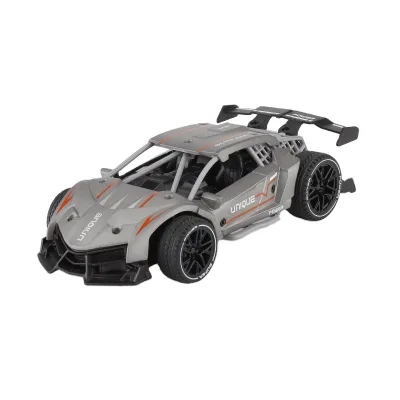
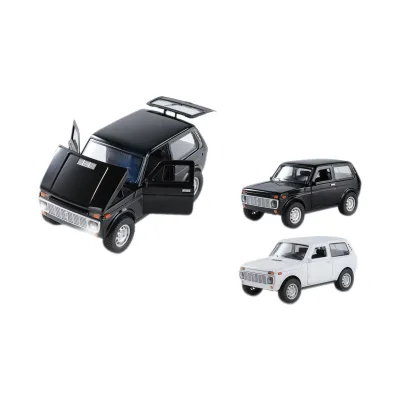
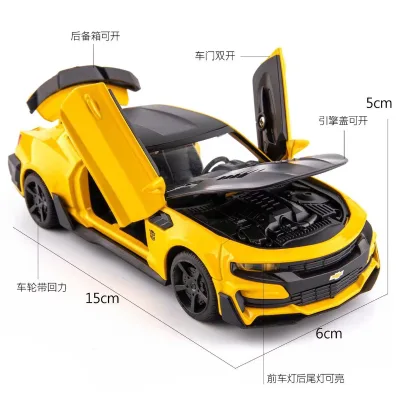
1: 32 Mini Hot Sell Simulated Alloy Diecast Car with Sound The Light for Boys
$1.52 - $1.59
MOQ: 5040 Pieces


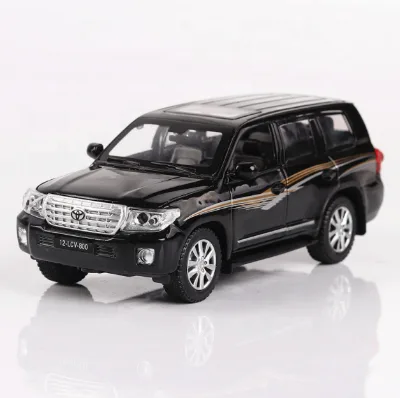
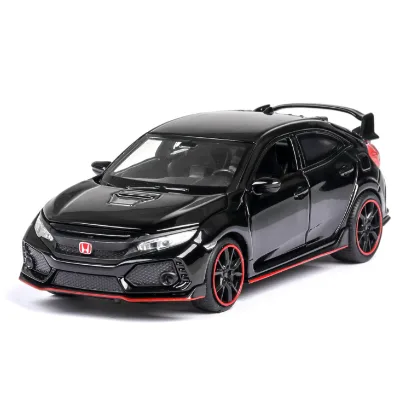
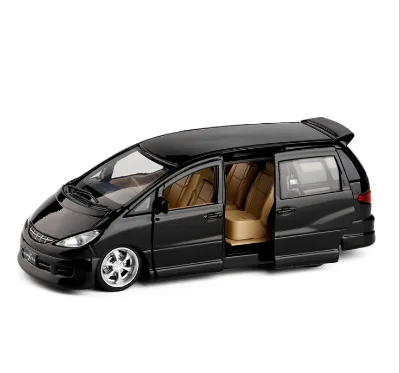
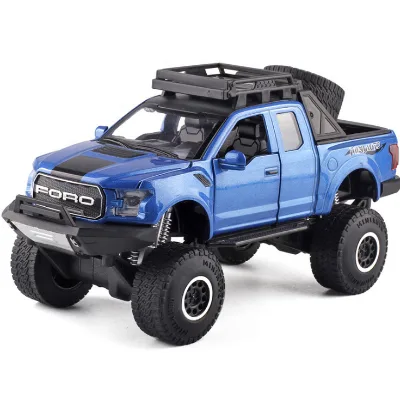


Comprehensive Sourcing Guide
Sound Light Diecast Model Car Sourcing Guide
Procuring sound and light diecast model cars requires a disciplined approach to verifying functional reliability and safety compliance. Buyers must distinguish between static display items and active electronic toys, as the latter involve complex circuitry that impacts durability and regulatory requirements. The observed product range includes models with electric functions and step movement, indicating a mix of simple mechanical actions and powered features. Understanding these distinctions is critical for setting appropriate quality control benchmarks.
The market offers a wide variety of scales and packaging options, from small-scale items to larger display boxes. Listings indicate that customization is available, allowing buyers to tailor branding and specific features to their market needs. However, the presence of both "Without Sound" and "Electric" attributes in the data suggests that not all diecast cars in this category are fully functional. Buyers should clarify the exact level of interactivity required, as this directly influences the bill of materials and the complexity of the manufacturing process.
Product Scope and Observed Listing Signals
The observed listings reveal a diverse product scope, with models ranging from simple static displays to complex electric vehicles. Attributes such as "Step Movement" and "Digital" display methods suggest that some products incorporate advanced mechanical or electronic components. Buyers should carefully review the specific model numbers, such as RFD331375 or RFD259481, to understand the precise configuration of each item. This granularity is essential for ensuring that the final product matches the intended user experience and functional expectations.
Packaging and presentation are also significant variables in this category. Observed packing methods include cartons, display boxes, and safety packs, which affect both shipping costs and retail readiness. The age range for these products spans from 3-8 years to 8-11 years, indicating a broad target demographic. Buyers must align the product's complexity and safety features with the intended age group, as older children may require more robust construction and advanced features. This alignment ensures that the product meets both market demand and safety standards.
Technical Specifications to Verify
Technical verification begins with confirming the material composition, as listings indicate both metal and plastic materials are used. Metal diecast cars typically offer greater durability and a premium feel, while plastic components may reduce weight and cost. Buyers should request detailed material breakdowns to understand the proportion of metal versus plastic in each model. This information is crucial for assessing the product's longevity and resistance to wear, especially for items intended for frequent handling by children.
Functional specifications, such as sound and light mechanisms, require rigorous testing. The presence of "Electric" functions implies the use of batteries or other power sources, which must be verified for compatibility and safety. Buyers should confirm the type of battery used and whether it is user-replaceable, as this impacts both the product's usability and its environmental footprint. Additionally, the scale of the model, often described as "Small," should be verified against physical dimensions to ensure it fits within the intended packaging and display constraints.
Compliance and Safety Documentation
Compliance with safety standards is paramount for diecast model cars, particularly those intended for young children. Listings reference certifications such as ASTM, CE, and EN, which are critical for market access in various regions. Buyers must ensure that suppliers provide valid test reports and certificates for each product variant, as compliance can vary based on specific features like sound and light. Verifying that the product meets these standards helps mitigate the risk of recalls and legal liabilities associated with non-compliant toys.
Documentation should also include details on material safety, such as the absence of harmful substances like ethylene oxide sterilization, which is noted in some listings. Buyers should request Material Safety Data Sheets (MSDS) for all components, including batteries and electronic parts, to ensure they meet regulatory requirements. This thorough documentation process not only supports compliance but also builds trust with retailers and end consumers who are increasingly concerned about product safety and environmental impact.
Cost Drivers and Commercial Terms
Cost structures for sound and light diecast cars are influenced by several factors, including material costs, electronic components, and packaging complexity. The observed price range of $0.1 to $55.3 reflects the wide variation in product features and quality levels. Buyers should analyze the cost breakdown to understand which components drive the highest expenses, such as high-quality metal casting or advanced electronic circuits. This analysis helps in negotiating better terms and identifying opportunities for cost optimization without compromising product quality.
Commercial terms, including Minimum Order Quantity (MOQ) and lead times, also play a significant role in procurement decisions. Listings indicate MOQs ranging from 1 to 8280 units, with a lead time of 30 days for some products. Buyers should align their order quantities with their inventory needs and sales forecasts to avoid overstocking or stockouts. Negotiating flexible terms, such as tiered pricing for larger orders, can improve cash flow and reduce overall procurement costs.
Supplier Qualification and Quality Control
Selecting the right supplier is critical for ensuring consistent quality and reliable delivery. Buyers should evaluate suppliers based on their manufacturing capabilities, quality control processes, and track record of compliance. Requesting samples for testing is a standard practice to verify that the product meets the specified technical and safety requirements. This step helps identify any potential issues before placing large orders, reducing the risk of receiving defective or non-compliant products.
Quality control should extend to all stages of production, from raw material inspection to final product testing. Buyers should request detailed quality control plans from suppliers, outlining the specific tests and inspections performed at each stage. This transparency helps ensure that the product meets the required standards and reduces the likelihood of quality issues. Additionally, establishing clear communication channels with the supplier facilitates quick resolution of any problems that may arise during production.
Long-Term Procurement Checks
Long-term procurement strategies should focus on building stable relationships with suppliers who can consistently meet quality and delivery expectations. Regular audits and performance reviews help maintain high standards and identify areas for improvement. Buyers should monitor key performance indicators, such as defect rates and on-time delivery, to assess supplier performance over time. This ongoing evaluation ensures that the supplier remains a reliable partner and can adapt to changing market demands.
Sustainability and ethical sourcing are increasingly important considerations in long-term procurement. Buyers should verify that suppliers adhere to ethical labor practices and environmental standards, as these factors can impact brand reputation and consumer trust. Incorporating sustainability criteria into supplier selection and evaluation processes helps align procurement strategies with broader corporate goals. This approach not only supports responsible business practices but also enhances the value proposition of the products being sourced.
FAQs
What age groups can use these diecast model cars?
These diecast model cars are designed for children aged 3 to 8 years and also suitable for those aged 8 to 11 years old. The products feature a car or truck shape and are made from metal or plastic materials. They serve recreational purposes and are available with or without sound functions depending on the specific model selected by the buyer.
Can I customize the packaging for these model cars?
Yes, customization is available for the packaging of these diecast model cars. Buyers can choose from options like carton, display box, colors box, or polybag packing. The specific packaging type depends on the product model, such as RFD331375 or RFD528348, and the buyer's specific requirements for shipping and presentation of the items.
What is the lead time for ordering these products?
The standard lead time for ordering these diecast model cars is 30 days. This duration applies to the production and preparation of the goods before shipment. Buyers should plan their procurement schedule accordingly to ensure timely delivery, especially when ordering large quantities that may require additional processing time.
Which certifications do these products meet?
These products meet specific safety standards including ASTM, CE, and EN certifications. Some items also adhere to EN71 standards for toy safety. These certifications ensure the diecast model cars are safe for children and comply with international regulations for toy manufacturing and distribution in various global markets.
What is the minimum order quantity for these cars?
The minimum order quantity varies significantly, ranging from 1 unit up to 8280 units depending on the specific product model. Some items like the FUDA brand clock have an MOQ of 100, while other diecast models allow for smaller initial orders. Buyers should check the specific model details to confirm the exact MOQ required for their purchase.
Where are these diecast model cars manufactured?
These diecast model cars are manufactured in Shantou, China, and other locations within China. The products originate from Chinese factories that specialize in producing metal and plastic toys. Buyers can expect the goods to be shipped from these origins, ensuring they meet the specified standards for quality and safety before reaching the international market.
Do these model cars come with sound functions?
Most of the listed diecast model cars are designed without sound functions, focusing on static display or simple movement. However, some specific models may include electric functions or step movements. Buyers should verify the product specifications for each model, such as RFD331375 or RFD295475, to confirm if sound or electric features are included in the package.