Source Sound Propagation STEM Educational Aids for labs, classrooms, and home experiments
Find 30 verified options for Sound Propagation STEM Educational Aids designed for STEM learning. Buyers can compare models, materials, and specifications to select suitable DIY science kits for various age groups.
Key considerations
Products List
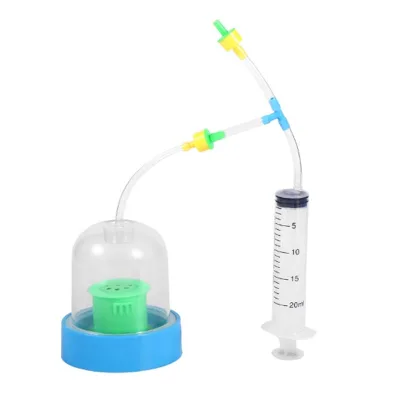
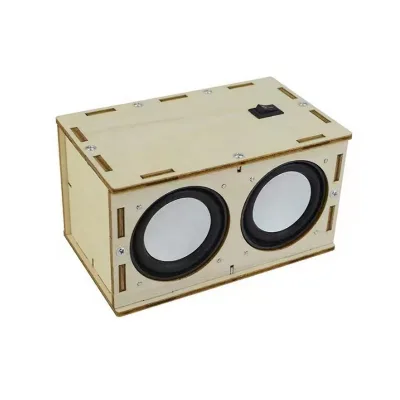
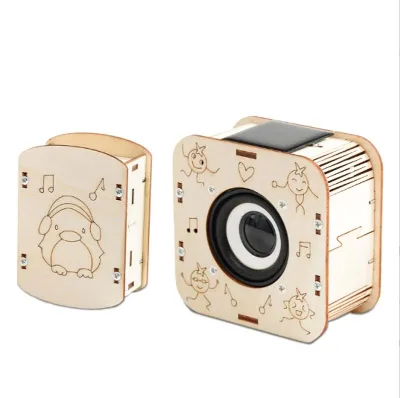
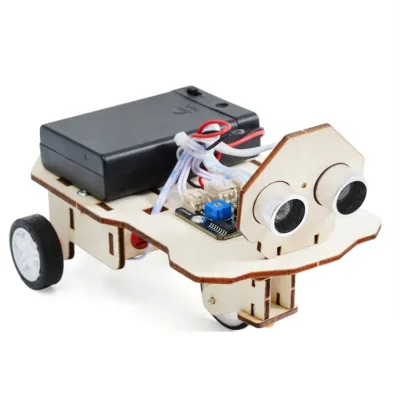
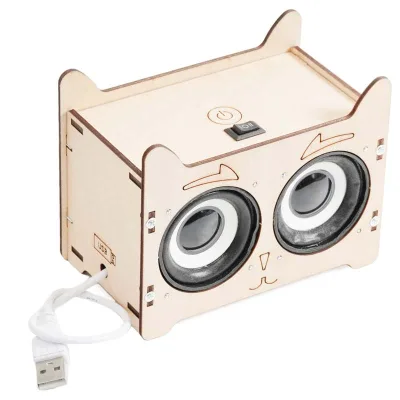
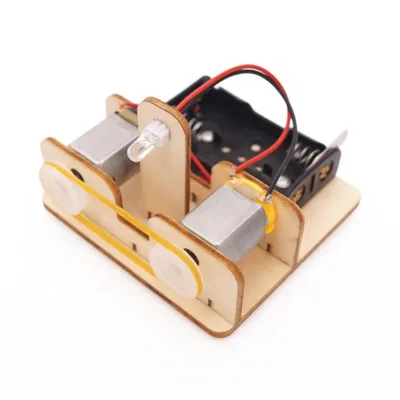


Hearing Aids Voice Amplifier Device Adjustable Sound Enhancer Hearing Aid Kit
$13.00 - $18.00
MOQ: 50 Pieces
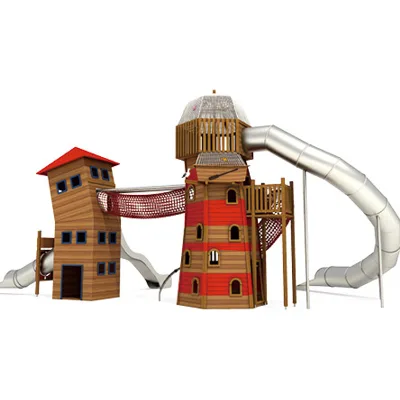
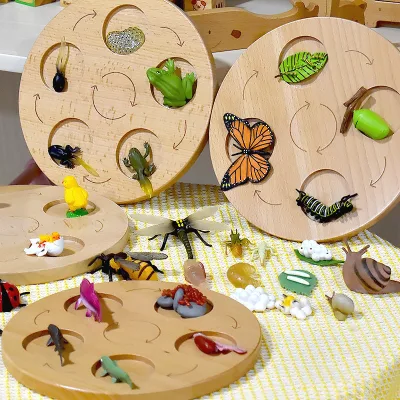


$1.00
MOQ: 300 Square Meters


Comprehensive Sourcing Guide
Strategic Sourcing Framework for Sound Propagation STEM Educational Aids
The global demand for hands-on science, technology, engineering, and mathematics (STEM) tools has accelerated the need for reliable procurement channels for sound propagation educational aids. These devices serve as critical instruments for demonstrating acoustic physics, allowing students to visualize how sound waves travel through various media. For procurement professionals, navigating the market requires a disciplined approach that distinguishes between generic toys and functional educational equipment. The following guide outlines the essential criteria for sourcing these aids, focusing on technical specifications, regulatory compliance, cost structures, and supplier reliability, all grounded in verified market data.
Technical Specifications and Material Composition
When evaluating sound propagation kits, the primary focus must be on the material composition and functional design, as these factors directly influence the durability and accuracy of the educational experience. Market observations indicate a diverse range of materials used in these products, with wood and plastic being the most prevalent. Specifically, high-quality educational aids often utilize a combination of wood and plastic, or wood and non-woven fabric, to balance acoustic properties with structural integrity. For instance, specific models in the current market utilize ABS plastic, a material known for its impact resistance and safety profile, while others rely on natural wood components to provide a tactile learning experience.
The physical dimensions of these units are equally critical for classroom integration. Sourcing data reveals that package sizes vary significantly depending on the complexity of the experiment. Common single package dimensions observed include compact units measuring approximately 18.5 x 13 x 4 cm, suitable for individual student kits, while larger demonstration models may reach dimensions such as 295 x 100 x 18 mm. Buyers must verify that the physical size aligns with their storage and display requirements. Furthermore, the weight of the product is a logistical consideration; observed single gross weights range from 0.200 kg to 0.250 kg, indicating that these items are generally lightweight and easy to ship, though bulk orders will require careful calculation of total cargo volume.
Functionality is another key specification. While some units are designed specifically for DIY science education, others may incorporate additional features such as music generation or stress relief mechanisms. The core function for sound propagation aids is to facilitate the understanding of acoustic principles, but the specific implementation—whether through a manual toy speaker or a static demonstration model—must be clearly defined in the product data sheet. Buyers should ensure that the model number, such as HA-D012 or DP-TM-0178, corresponds to the intended pedagogical goal, as different models may serve distinct educational niches ranging from basic wave visualization to more complex audio assembly.
Compliance and Certification Verification
In the educational sector, safety and regulatory compliance are non-negotiable prerequisites. Procurement teams must rigorously verify that all sound propagation aids meet the safety standards of the target market. The supplied data highlights several critical certifications that serve as indicators of product safety and quality. The most frequently observed certifications include CE, EN71, and RoHS. The CE mark indicates conformity with health, safety, and environmental protection standards for products sold within the European Economic Area, while EN71 is the specific European standard for toy safety. RoHS compliance ensures that the product does not contain hazardous substances, which is vital for items intended for children.
Additionally, some products in the market list SGS certification, a further layer of verification for quality and safety. When sourcing from manufacturers in Guangdong, China, or Shenzhen, China, buyers should expect these regions to be the primary origins of such goods. However, the presence of a certification label on a product listing does not automatically guarantee that every unit in a batch is compliant. Buyers must request valid test reports and certificates of conformity from the supplier before placing an order. It is also important to note that while some products may claim ISO 9001:2015 certification, this should be treated as a background indicator of the supplier's quality management system rather than a direct product certification. The primary verification focus must remain on the product-specific standards like EN71 and CE, which directly address the safety of the educational aid itself.
Cost Drivers and Pricing Dynamics
Understanding the cost structure of sound propagation STEM aids is essential for budget planning and margin analysis. The market exhibits a wide variance in pricing, with observed listed prices ranging from approximately $0.71 to $609.45 USD. This broad spectrum suggests that the cost is heavily influenced by the complexity of the design, the quality of materials, and the level of customization required. Lower-priced items often correspond to simple, single-item units with basic packaging, such as a single piece in an OPP bag. In contrast, higher-priced items likely represent more complex kits, custom-branded solutions, or bulk orders with specialized packaging.
The Minimum Order Quantity (MOQ) is another significant factor affecting the unit cost. Data indicates that MOQs can range from as low as 1 unit to as high as 5,000 units. For buyers seeking to test the market or fulfill small classroom needs, suppliers offering low MOQs are preferable. However, for large-scale institutional procurement, negotiating a higher MOQ can significantly reduce the per-unit cost. Buyers should also consider the "Selling Units" attribute, which often defaults to "Single item" for these products. This implies that pricing may be listed per individual unit rather than per case, requiring careful aggregation to determine the true cost of a classroom set.
Other cost drivers include the customization of branding and packaging. Products listed with "OEM" brand names suggest that suppliers are willing to customize the product with the buyer's logo or specific color schemes, such as yellow or model-specific colors like HA-A06. Customization typically incurs additional tooling or setup fees, which should be factored into the total cost of ownership. Additionally, the origin of the product, specifically from regions like Guangdong or Shenzhen, influences logistics costs. Buyers must account for shipping fees, which can vary based on the total weight and volume of the order, especially given the lightweight nature of individual units but the potential bulk of large orders.
Typical Applications and Target Demographics
Sound propagation educational aids are designed to serve a broad range of age groups, from early childhood to adolescence. The observed age ranges in the market include 5 to 7 years, 8 to 13 years, and 14 years and up, indicating that these tools can be adapted for various educational levels. For younger children in the 5 to 7-year bracket, the focus is often on simple, hands-on exploration, such as building a basic speaker or observing how sound travels through different materials. These activities are typically unisex and designed to be accessible to all students, fostering early interest in physics and engineering.
For older students aged 8 to 13 and those 14 and up, the applications become more complex. These age groups can engage with DIY science projects that require a deeper understanding of acoustic principles, such as the construction of more sophisticated sound devices or the analysis of sound waves in different environments. The "DIY science educational toy" usage category highlights the importance of the assembly process, which reinforces learning through active participation. Additionally, some products are marketed with a "stress relief" function, suggesting that these aids can also be used in therapeutic or recreational settings to help students decompress while engaging with scientific concepts.
The versatility of these products extends to different educational settings, including formal classrooms, home schooling environments, and extracurricular science clubs. The "Educational Toy" classification confirms their primary role in learning, while the "Widely Used" attribute suggests their adaptability across various curricula. Buyers should consider the specific needs of their student demographic when selecting a model. For instance, a kit designed for 3-year-olds or younger, with a focus on simple manipulation, differs significantly from a kit for teenagers that may involve more intricate assembly and theoretical application. Ensuring the product's age appropriateness is crucial for maximizing educational impact and maintaining safety standards.
Supplier Evaluation and Quality Control
Selecting the right supplier is a critical step in the procurement process, particularly when dealing with educational products that must meet strict safety and quality standards. Buyers should prioritize suppliers who can provide transparent documentation regarding their manufacturing processes and quality control measures. The origin of the products, often listed as Guangdong or Shenzhen, China, indicates a concentration of manufacturing capabilities in these regions. However, the location alone is not a guarantee of quality; buyers must verify the supplier's track record and their ability to consistently meet specifications.
Quality control should be a central component of the sourcing strategy. Buyers must ensure that the supplier has a robust system for inspecting products before shipment. This includes verifying that the materials used, such as ABS plastic or wood, meet the required safety standards and that the final assembly is free from defects. The presence of certifications like CE, EN71, and RoHS is a strong indicator of a supplier's commitment to quality, but these should be backed by recent, valid test reports. Buyers should also inquire about the supplier's process for handling non-conforming products and their policy on returns or replacements.
Furthermore, the ability to customize products is a valuable attribute for many buyers. Suppliers offering OEM services can tailor the product's appearance, branding, and packaging to match the buyer's specific requirements. This includes options for custom colors, such as yellow or model-specific designs, and the inclusion of the buyer's logo. When evaluating suppliers, buyers should assess their flexibility in handling custom orders and their capacity to maintain quality standards during the customization process. Clear communication regarding specifications, lead times, and quality expectations is essential to ensure a successful partnership.
Long-Term Procurement Considerations
Sourcing sound propagation STEM aids is not merely a one-time transaction but part of a long-term strategy for educational resource management. Buyers should consider the lifecycle of the products, including their durability and the potential for future upgrades or expansions. The use of durable materials like wood and ABS plastic suggests that these products are designed to withstand repeated use in a classroom setting. However, buyers should also plan for the replacement of worn or damaged components, ensuring that the supplier can provide spare parts or replacement units as needed.
Another long-term consideration is the scalability of the procurement. As educational needs evolve, the demand for specific types of STEM aids may change. Buyers should select suppliers who can scale their production to meet fluctuating demand, whether for small pilot programs or large-scale district-wide implementations. The wide range of MOQs observed in the market, from 1 to 5,000 units, provides flexibility for buyers to adjust their order quantities based on current needs and budget constraints.
Finally, buyers should stay informed about emerging trends in STEM education and the corresponding changes in product design. The integration of new technologies, such as digital interfaces or enhanced acoustic features, may influence the future of sound propagation aids. By maintaining a relationship with a reliable supplier who is responsive to market changes, buyers can ensure that their educational resources remain current and effective. Regular reviews of product performance and student feedback can help identify areas for improvement and guide future procurement decisions, ensuring that the investment in sound propagation aids continues to deliver value over time.
FAQs
What materials are used for Sound Propagation STEM Educational Aids?
These aids typically use wood and plastic, or wood combined with non-woven fabric. Some specific models utilize ABS plastic for impact resistance and safety. The material choice balances acoustic properties with structural integrity for classroom use.
Which certifications ensure safety for these educational toys?
Products commonly carry CE, EN71, and RoHS certifications to meet safety standards. Some listings also include SGS certification for quality verification. Buyers must request valid test reports to confirm compliance for the target market.
How does the price range vary for these STEM aids?
Listed prices range from approximately 0.71 to 609.45 USD depending on complexity and customization. Lower costs often apply to simple single-item units, while higher prices reflect detailed kits or custom branding. MOQ levels also significantly influence the final unit cost.
Can these aids be used by children under three years old?
Yes, some models are designed for children under three years old with simple manipulation features. Other kits target age ranges of 5 to 7 years, 8 to 13 years, or 14 years and up. Select the specific age-appropriate model for the intended educational level.
What is the typical minimum order quantity for these products?
Minimum order quantities range from 1 unit to 5000 units depending on the supplier. Low MOQs are available for testing markets or small classroom needs, while bulk orders may reduce per-unit costs. Buyers should verify the specific MOQ for their desired model.
Where are these educational aids typically manufactured?
Most products originate from Guangdong or Shenzhen in China. These regions are primary manufacturing hubs for such educational toys. Buyers should verify the specific place of origin listed for each model to ensure accurate logistics planning.
How are these items packaged for shipping?
Packaging varies from single pieces in OPP bags to customary packing for bulk orders. Some models have specific package sizes like 18.5 by 13 by 4 cm. Buyers should check the single package size and weight to calculate total shipping volume.