Source Waterproof Real Time Car Tracker for Truck, Bus, and Fleet
Compare 30 Waterproof Real Time Car Tracker models featuring GSM and GPS positioning for automotive, truck, and bus applications. Buyers can evaluate specs like IP65 ratings, battery life, and cloud storage options from Shenzhen suppliers.
Key considerations
Products List


4G Car GPS Tracker Real Time Car Alarm System Vehicle Tracker GPS Tracking System
$26.90 - $29.90
MOQ: 2 Pieces


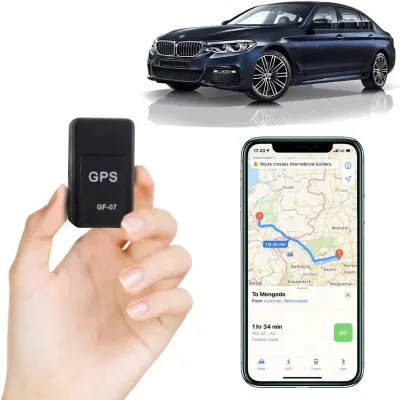


2g 4G Wireless Waterproof Car GPS Tracker, Supports Real-Time Positioning
$22.00 - $30.00
MOQ: 1 Pieces


4G GPS Tracker Car Motorcycle Ca02 3/4wire IP67 Waterproof Real Time Located
$16.90 - $18.90
MOQ: 2 Pieces


Comprehensive Sourcing Guide
Sourcing Guide for Waterproof Real-Time Car Trackers
The global demand for vehicle tracking solutions has surged as fleet operators and individual vehicle owners seek enhanced security, operational efficiency, and real-time visibility. Among the various categories of tracking devices, the waterproof real-time car tracker stands out as a critical asset for businesses operating in diverse weather conditions and rugged environments. This guide provides a structured approach for B2B buyers to evaluate, select, and procure these devices based on verified technical attributes, compliance standards, and supply chain realities. The focus remains on understanding the specific capabilities observed in the current market, particularly regarding connectivity, durability, and data management, without relying on unverified marketing claims.
Understanding Core Technical Specifications and Connectivity
When sourcing a waterproof real-time car tracker, the primary technical differentiator is the device's ability to maintain connectivity under adverse conditions while accurately reporting location data. The observed market data indicates that high-performance units often support multiple positioning modes, including GSM, GPS, GPRS, LBS, AGPS, and Beidou. This multi-mode support ensures that the tracker can switch between satellite and terrestrial networks to maintain a signal, which is vital for real-time tracking in urban canyons or remote areas where GPS signals might be obstructed.
Connectivity standards are equally critical. Devices in this category frequently utilize LTE-FDD bands (B1, B2, B3, B4, B5, B7, B8, B28, B66) alongside GSM bands (B2, B3, B5). The presence of specific chipsets, such as the Quectel M35, suggests a reliance on robust 4G LTE technology for faster data transmission compared to older 2G or 3G networks. Buyers must verify that the device supports the specific frequency bands required in their target operational regions to avoid connectivity gaps. Furthermore, the protocol used for data transmission, such as GT06, dictates how the device communicates with the server. Ensuring compatibility between the device protocol and the chosen tracking platform is essential for seamless integration.
The physical durability of the unit is a defining feature for "waterproof" classification. Market observations list an IP65 rating for certain models, indicating protection against water jets from any direction and complete dust tightness. This specification is a baseline for devices intended for outdoor or under-hood installation. However, buyers should note that while IP65 is a common observation, the exact rating must be confirmed for each specific model, as performance can vary based on the sealing of the casing and the quality of the internal components.
Compliance, Certification, and Regulatory Standards
Navigating the regulatory landscape is a non-negotiable aspect of B2B procurement. The supply chain for electronic tracking devices is heavily influenced by certification requirements that vary by region. Observed product attributes frequently list certifications such as CE, RoHS, and FCC. The CE mark indicates conformity with health, safety, and environmental protection standards for products sold within the European Economic Area. RoHS (Restriction of Hazardous Substances) compliance ensures that the device does not contain specific hazardous materials, which is crucial for environmental compliance and recycling.
In some cases, additional certifications like ISO or ISORoHS are mentioned, suggesting a broader adherence to quality management systems and environmental standards. For buyers targeting North American markets, FCC certification is a mandatory requirement for electronic devices that emit radio frequency energy. The presence of these certifications in product descriptions serves as a strong indicator of compliance, but procurement teams must request valid test reports to verify that the specific batch of devices being purchased holds these certifications. Relying solely on the manufacturer's claim without documentary evidence can lead to customs delays or legal liabilities in regulated markets.
Furthermore, the standard dimensions and physical form factors of these devices, such as the 96mm * 52mm * 19mm specification observed in some models, can impact installation feasibility. Buyers should ensure that the physical size of the tracker aligns with the available space in the vehicle's dashboard, under the hood, or in the OBD-II port, depending on the installation method.
Cost Drivers and Pricing Dynamics
The pricing structure for waterproof real-time car trackers is influenced by several factors, including the complexity of the hardware, the level of connectivity, and the volume of the order. The observed price range in the market spans from approximately $1.78 to $30.15 USD. This wide variance reflects differences in features, such as the inclusion of advanced battery backups, higher-grade chipsets, or specialized waterproofing.
A significant cost driver is the "Big Discount on Bulk Quantity" attribute often cited by suppliers. This indicates a tiered pricing model where the unit cost decreases as the order volume increases. For B2B buyers, this suggests that the initial procurement strategy should focus on accurate demand forecasting to maximize economies of scale. The Minimum Order Quantity (MOQ) observed ranges from 1 to 100 units, offering flexibility for small-scale pilots or larger fleet deployments.
Beyond the unit price, buyers must consider the total cost of ownership, which includes server costs, data plan fees, and potential customization expenses. Some platforms offer "Cluster Cloud Server" infrastructure, which may incur additional recurring costs for data storage and processing. The "Customization" attribute, such as the ability to customize the homepage or support OEM branding, can also add to the initial setup costs. Understanding these hidden costs is essential for accurate budgeting and ROI analysis.
Typical Applications and Use Cases
The versatility of waterproof real-time car trackers allows them to serve a wide array of applications across different vehicle types. The observed product attributes list uses for motorcycles, automobiles, buses, trucks, and other specialized vehicles. This broad applicability makes these devices suitable for diverse fleet management scenarios.
For commercial fleets, the primary application is fleet management. The devices support applications for trucks, taxis, and general fleet operations, enabling managers to monitor vehicle location, speed, and status in real-time. The "Track View" capabilities, which include PC, iOS APP, SMS Coordinate, and Android APP access, facilitate remote monitoring by managers and drivers alike. The ability to generate detailed reports on trips, parking, daily activity, fuel consumption, and history playback is particularly valuable for optimizing routes and reducing operational costs.
In the personal vehicle sector, these trackers are often used for security and theft recovery. The "Portable, Windshield, Dashboard" placement options allow for discreet installation in private cars. The "1 Year Warranty" observed on many models provides a safety net for individual buyers who may not have the technical expertise to troubleshoot hardware issues. Additionally, the "Support Network: GSM" attribute ensures that these devices can be used globally, provided the local SIM card is compatible with the device's frequency bands.
Supplier Evaluation and Quality Control
Selecting the right supplier is as important as selecting the right product. Buyers should prioritize suppliers that demonstrate transparency in their manufacturing processes and provide clear documentation for all certifications. The "Brand Name: Support OEM" attribute indicates that many suppliers are willing to customize products for private labeling, which is a common requirement for B2B buyers looking to brand the devices as their own.
Quality control should be a central part of the evaluation process. Buyers must verify the "Waterproof: IP65" claim through independent testing or by requesting third-party certification documents. It is also crucial to assess the reliability of the "Data Storage: Cloud Storage" infrastructure. A "Cluster Cloud Server" architecture suggests redundancy and high availability, which are critical for maintaining real-time tracking data integrity.
The "Technical Support: 7/24" attribute is another key indicator of supplier reliability. In the event of a device failure or connectivity issue, having round-the-clock support can minimize downtime for fleet operations. Buyers should inquire about the specific channels for support, such as email, phone, or ticketing systems, and verify the response time guarantees.
Long-Term Procurement and Platform Integration
The longevity of a tracking solution depends heavily on the stability of the software platform and the supplier's commitment to long-term support. The observed "Platform: Web Based Platform and APP" with specific names like "Icruise S" and "Oversee" highlights the importance of user-friendly interfaces. Buyers should test these platforms for usability, reporting capabilities, and integration with existing fleet management systems.
The "Customization: Customize Your Homepage" feature allows fleet managers to tailor the dashboard to their specific needs, which can improve operational efficiency over time. However, buyers must ensure that these customizations do not compromise the core functionality of the device or the security of the data.
Finally, the "Product Origin: Shenzhen Guangdong" and "Shenzhen China" locations indicate that the majority of these devices are manufactured in a major electronics hub. While this often implies access to advanced supply chains and competitive pricing, buyers should also consider the logistical implications of shipping from China, including lead times and import duties. The "Product Packing: Carton" and "Neutral Package and Support OEM" attributes suggest that the devices are ready for direct shipment, but buyers should confirm packaging standards to ensure protection during transit.
Summary of Key Selection Criteria
To summarize, the procurement of waterproof real-time car trackers requires a balanced approach that weighs technical specifications against compliance and cost. The following table outlines the key attributes buyers should verify during the sourcing process:
| Attribute Category | Key Verification Points | Observed Market Data |
|---|---|---|
| Connectivity | Multi-mode support (GSM, GPS, GPRS, LBS, AGPS, Beidou) | GSM, GPS, GPRS, Lbs, Agps, Beidou |
| Durability | Waterproof rating and dust protection | IP65 (Observed on specific models) |
| Compliance | Valid certification documents (CE, RoHS, FCC) | CE, RoHS, FCC, ISORoHS |
| Platform | Web and App compatibility, reporting features | Web Based, Android/iOS APP, Trip/Fuel Reports |
| Hardware | Chipset, battery, and dimensions | Quectel M35, 1500mAh Battery, 127.24.5 Cm |
| Support | Warranty duration and technical support availability | 1 Year Warranty, 7/24 Technical Support |
By adhering to these criteria and relying on verified data rather than marketing claims, B2B buyers can secure reliable, compliant, and cost-effective waterproof real-time car trackers that meet the rigorous demands of modern fleet management and vehicle security. The focus on specific, observable attributes ensures that the procurement decision is grounded in reality, minimizing risk and maximizing the value of the investment.
FAQs
How can I verify the waterproof rating of these trackers?
Some models in the current market list an IP65 rating, which indicates protection against water jets and dust. You must request specific test reports for the batch you intend to buy, as this rating is not guaranteed for every listed product.
What certifications are commonly found on these devices?
High-confidence facts show that many units carry CE, RoHS, and FCC certifications. Some listings also mention ISO or ISORoHS compliance. Buyers should always verify valid test documents for these standards before finalizing a purchase.
Which positioning modes do these trackers support?
Observed devices support multiple modes including GSM, GPS, GPRS, LBS, AGPS, and Beidou. This multi-mode capability ensures connectivity is maintained even when satellite signals are obstructed in urban canyons or remote areas.
Can I customize the homepage of the tracking platform?
Yes, customization is available for the tracking platform, allowing users to customize their homepage. This feature helps fleet managers tailor the dashboard to specific operational needs while maintaining access to standard reports like trip and fuel consumption data.
What is the typical price range for bulk orders?
The observed price range spans from 1.78 to 30.15 USD per unit. Suppliers often offer big discounts on bulk quantities, so the final unit cost depends heavily on the specific order volume and negotiated tiered pricing.
Where are these trackers typically manufactured?
The product origin is consistently listed as Shenzhen, Guangdong, China. This location is a major electronics hub, which often allows for competitive pricing and access to advanced supply chains for these specific tracking devices.
What warranty is provided for these tracking units?
A 1 Year warranty is a standard attribute observed for many of these products. This coverage provides a safety net for buyers, though specific terms may vary by supplier and should be confirmed in the purchase agreement.